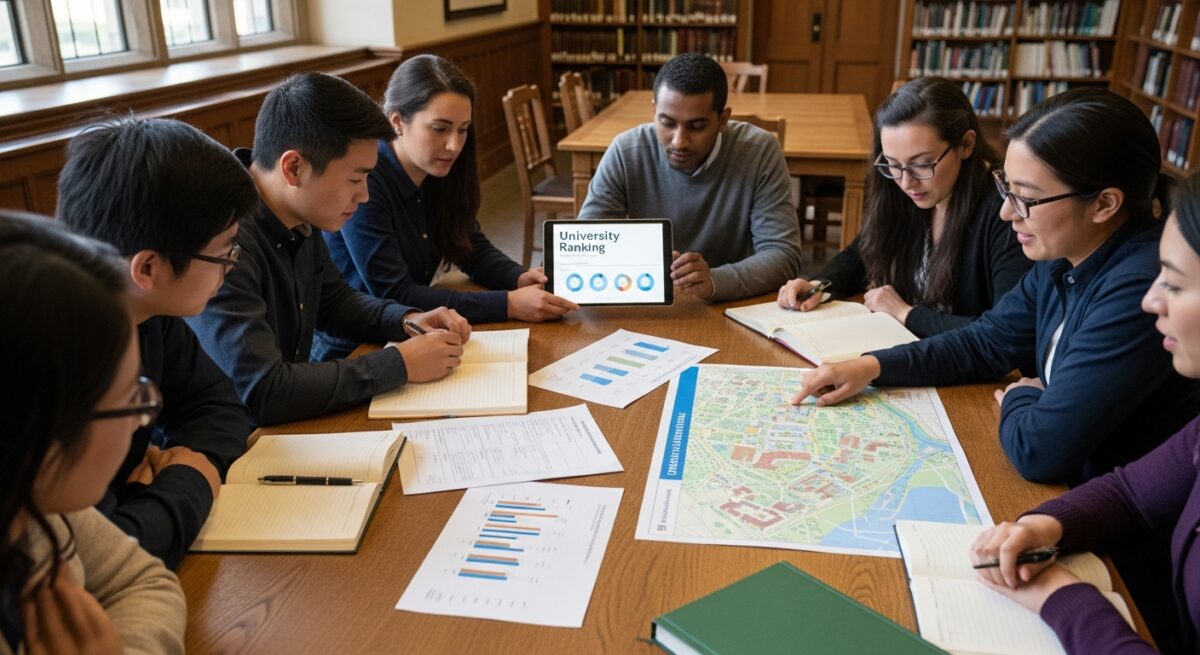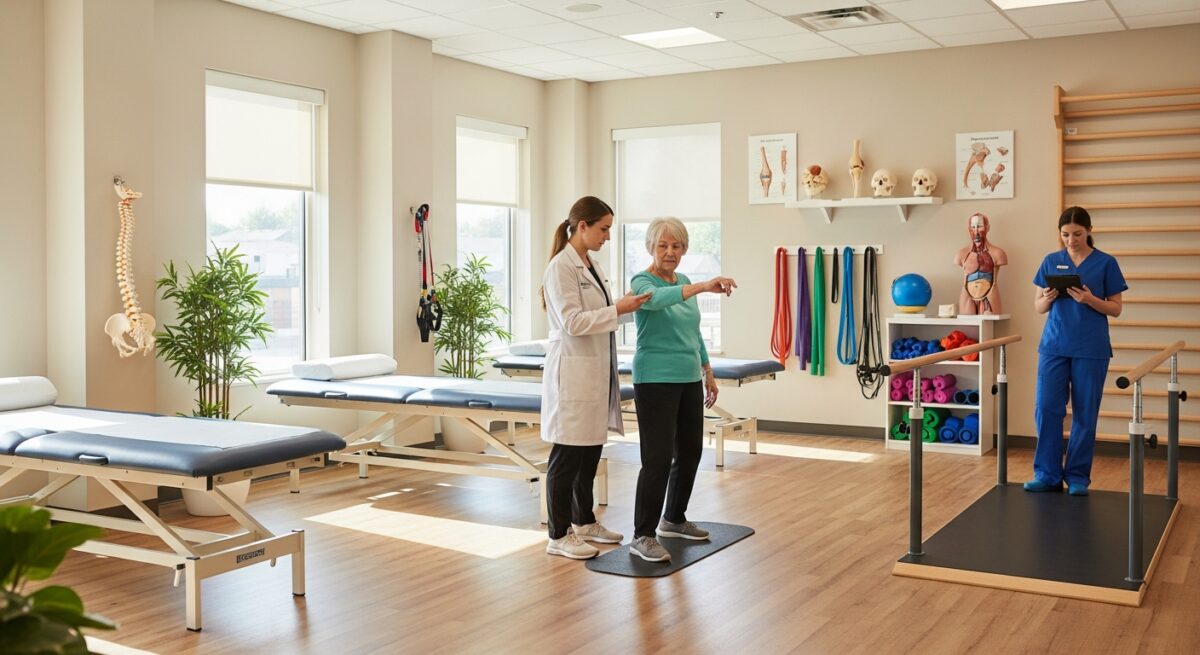
Choosing the right university for physiotherapy and health sciences can shape your entire career. With healthcare evolving rapidly and demand for skilled practitioners rising across the United States, the decision of where to study matters more than ever. This guide evaluates the best universities for physiotherapy and health sciences based on program accreditation, clinical training opportunities, faculty expertise, and graduate outcomes. Whether you are a high school student mapping out your future or a career changer seeking a meaningful profession, understanding which institutions lead the field will help you invest your time and tuition wisely.
What Makes a Physiotherapy Program Stand Out?
Not all physiotherapy programs deliver the same quality. The strongest programs share several distinguishing features that directly affect your education and career prospects. Accreditation stands as the most critical factor. In the United States, the Commission on Accreditation in Physical Therapy Education (CAPTE) sets the standard for Doctor of Physical Therapy (DPT) programs. Graduating from a CAPTE-accredited program is essential for licensure eligibility in all 50 states.
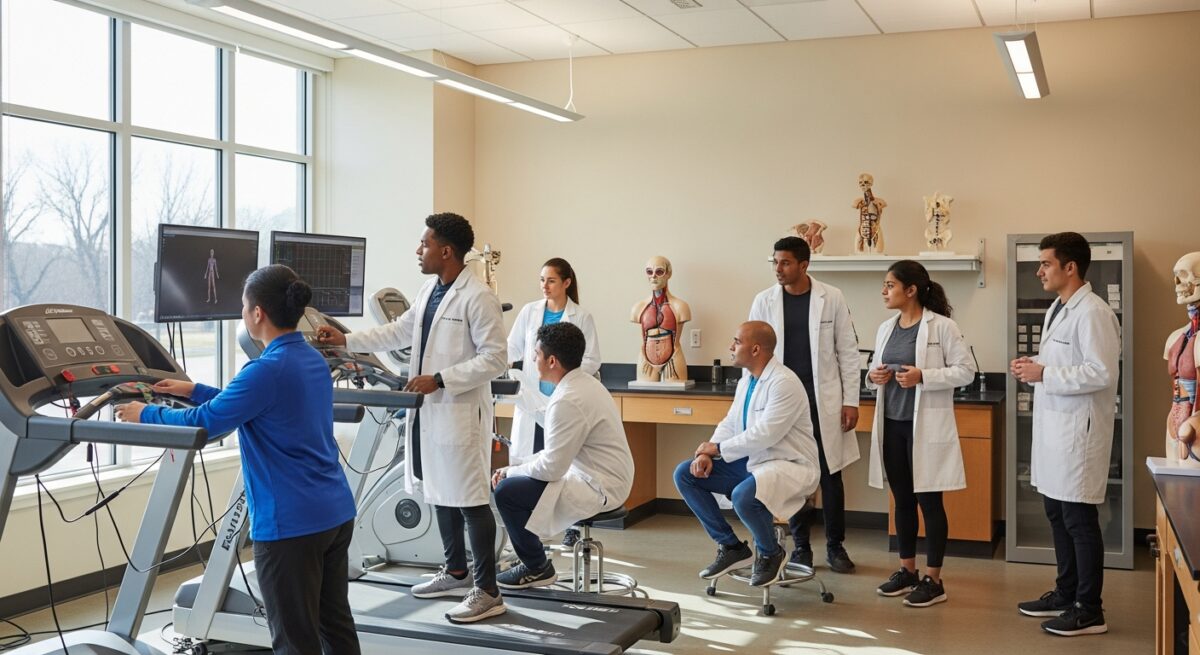
Clinical education components separate exceptional programs from average ones. Top-tier physiotherapy colleges integrate hands-on clinical rotations beginning early in the curriculum. Students gain experience in hospitals, outpatient clinics, rehabilitation centers, and specialized settings like sports medicine facilities. The breadth and depth of these clinical partnerships directly influence your readiness for practice after graduation.
Faculty qualifications also matter enormously. Leading programs employ instructors who hold advanced certifications, publish research in peer-reviewed journals, and maintain active clinical practices. These faculty members bring real-world insights into the classroom and can open doors for research opportunities and professional networking.
Graduation rates and licensure exam pass rates provide objective measures of program effectiveness. The best physical therapy universities consistently report first-time pass rates above 90 percent on the National Physical Therapy Examination (NPTE). They also track employment outcomes, with many graduates securing positions within six months of completing their degree.
Top Universities for Physiotherapy and Health Sciences in the United States
Several institutions have established reputations as the best universities for physiotherapy and health sciences through consistent excellence in education, research, and clinical training. These programs appear frequently on national rankings and receive strong feedback from students and employers alike.
University of Southern California (USC)
USC’s Division of Biokinesiology and Physical Therapy consistently ranks among the top physiotherapy programs nationwide. The division offers a three-year Doctor of Physical Therapy program that emphasizes evidence-based practice and interprofessional collaboration. Students benefit from the university’s affiliation with Keck Medicine of USC, which provides access to diverse patient populations and cutting-edge research facilities. USC also offers a PhD in Biokinesiology for those interested in academic or research careers. The program’s faculty includes leading researchers in motor control, neurorehabilitation, and musculoskeletal science.
University of Pittsburgh
The University of Pittsburgh’s Department of Physical Therapy ranks near the top of US News and World Report’s physical therapy graduate programs. The DPT program integrates classroom instruction with extensive clinical experiences across the UPMC health system. Pittsburgh’s research strengths include pain science, geriatric rehabilitation, and cardiovascular and pulmonary physical therapy. The department also offers a unique combined DPT/PhD pathway for students pursuing dual clinical and research training.
Washington University in St. Louis
Washington University’s Program in Physical Therapy delivers a rigorous DPT curriculum grounded in research and clinical excellence. The program boasts a 100 percent licensure exam pass rate in recent years and maintains strong connections with the university’s medical school and Barnes-Jewish Hospital. Students complete clinical rotations in more than 500 affiliated sites across the country. The program also offers specialized tracks in orthopedics, neurology, and pediatrics, allowing students to focus their training on specific patient populations.
Northwestern University
Northwestern University’s Department of Physical Therapy and Human Movement Sciences offers a DPT program that combines strong foundational science with extensive clinical training. Located in Chicago, the program provides access to a diverse urban patient population and numerous clinical sites. Northwestern emphasizes interprofessional education, with DPT students collaborating with medical, nursing, and occupational therapy students. The department also conducts research in areas such as movement science, rehabilitation engineering, and health disparities.
In our guide on best universities for electronic engineering programs for 2026, we explain how to evaluate program quality across different disciplines. Similar principles apply when assessing physiotherapy and health sciences programs.
How to Choose Between Physiotherapy Colleges
Selecting from the many excellent physiotherapy colleges requires careful consideration of your personal goals, learning preferences, and circumstances. Start by identifying what matters most to you in an educational experience.
Consider these factors when evaluating programs:
- Accreditation status and NPTE pass rates: Confirm CAPTE accreditation and review first-time pass rates for recent graduating classes.
- Clinical education structure: Look for programs that offer varied clinical placements early and throughout the curriculum, not just at the end.
- Faculty expertise and research opportunities: Review faculty biographies and consider whether their research aligns with your interests.
- Program length and format: Traditional DPT programs take three years. Some accelerated options exist for students with strong undergraduate backgrounds.
- Cost and financial aid availability: Compare tuition rates, fees, and scholarship opportunities across programs. In-state public universities often offer lower tuition.
- Location and clinical network: Consider where you want to live and work after graduation. Clinical affiliations in your target region can help with job placement.
- Class size and student support: Smaller cohorts often provide more individualized attention and mentoring.
Once you have narrowed your list, visit campuses if possible. Attend open houses, sit in on classes, and talk to current students. Their perspectives can reveal details that websites and brochures do not capture. Many programs also offer virtual information sessions, which can be a helpful alternative when travel is not feasible.
Health Sciences Beyond Physiotherapy
The best universities for physiotherapy and health sciences typically offer broader health sciences programs that complement physical therapy training. Many students interested in healthcare careers explore related fields before committing to a specific path. Understanding the landscape of health sciences education can help you make informed decisions about your academic journey.
Health sciences encompass a wide range of disciplines including occupational therapy, speech-language pathology, athletic training, exercise science, public health, and healthcare administration. Some universities offer undergraduate degrees in health sciences that serve as preparation for graduate programs in physical therapy or other clinical fields. These programs typically include prerequisite courses in anatomy, physiology, biology, chemistry, and psychology that DPT programs require for admission.
For students who want to explore multiple healthcare careers before specializing, a broad health sciences major can provide valuable exposure. Many universities offer advising services to help students navigate their options and select appropriate coursework. Some institutions also offer direct entry programs that guarantee admission to a graduate physical therapy program for high-achieving undergraduate students.
Research opportunities in health sciences extend beyond clinical practice. Students can engage in laboratory research investigating topics such as biomechanics, neuroplasticity, pain mechanisms, and rehabilitation outcomes. These experiences strengthen graduate school applications and prepare students for careers in academic medicine or biomedical research. Many universities offer undergraduate research programs that provide stipends and mentorship for students pursuing independent projects.
For students seeking additional financial support for their education, scholarship.education offers resources to help identify funding opportunities for health sciences and physiotherapy programs.
Online and Hybrid Options in Physiotherapy Education
The landscape of physiotherapy education has evolved significantly in recent years. While the hands-on nature of physical therapy training requires substantial in-person instruction, some programs now offer hybrid formats that combine online didactic coursework with intensive on-campus laboratory sessions and clinical placements. These programs can provide flexibility for students who need to balance education with work or family responsibilities.
Fully online DPT programs remain rare due to accreditation requirements for laboratory and clinical training. However, some universities offer online post-professional degrees and certificates for licensed physical therapists seeking advanced specialization. These programs cover topics such as orthopedic manual therapy, neurological rehabilitation, and pediatric physical therapy.
For students interested in health sciences at the undergraduate level, many universities offer online bachelor’s degree programs in health sciences. These programs typically prepare graduates for entry-level positions in healthcare settings or for application to graduate programs in physical therapy, occupational therapy, or other clinical fields. When evaluating online options, verify that the program holds appropriate regional accreditation and that its curriculum meets prerequisite requirements for your target graduate programs.
Frequently Asked Questions
What undergraduate degree is best for physiotherapy?
Most DPT programs accept students from various undergraduate majors as long as prerequisite courses are completed. Common majors include exercise science, biology, kinesiology, and health sciences. Choose a major that interests you and allows you to complete required prerequisites in anatomy, physiology, physics, chemistry, and psychology.
How long does it take to become a physical therapist?
Becoming a licensed physical therapist typically requires seven to eight years of education after high school. This includes a four-year bachelor’s degree followed by a three-year Doctor of Physical Therapy program. Some accelerated programs combine undergraduate and graduate study into six or seven years.
What is the difference between physiotherapy and physical therapy?
Physiotherapy and physical therapy refer to the same profession. The term physiotherapy is more common in international contexts, while physical therapy is the standard term in the United States. Both describe healthcare professionals who help patients improve movement, manage pain, and restore function.
Are online DPT programs credible?
Fully online DPT programs are rare and face significant accreditation challenges due to the hands-on nature of clinical training. Hybrid programs that combine online coursework with in-person labs and clinical placements exist but require careful evaluation. Always verify CAPTE accreditation before enrolling in any program.
What is the average salary for physical therapists?
According to the Bureau of Labor Statistics, the median annual salary for physical therapists in the United States was approximately $97,000 as of 2023. Salaries vary based on geographic location, practice setting, and years of experience.
Making Your Final Decision
Choosing among the best universities for physiotherapy and health sciences requires balancing multiple factors. Begin your research early, ideally during your sophomore or junior year of high school or undergraduate study. Attend college fairs, schedule campus visits, and connect with admissions representatives to gather detailed information about programs that interest you.
Create a spreadsheet to compare programs side by side. Include columns for accreditation status, tuition costs, location, clinical education structure, faculty expertise, NPTE pass rates, and graduate employment outcomes. This systematic approach will help you identify which programs best align with your goals and circumstances.
Remember that the best program for someone else may not be the best program for you. Consider your learning style, career aspirations, financial situation, and personal preferences. A program with strong clinical connections in your desired practice area may serve you better than a higher-ranked program with less relevant clinical opportunities.
The field of physiotherapy offers rewarding careers helping people recover from injury, manage chronic conditions, and improve their quality of life. By selecting a program that provides excellent education, robust clinical training, and strong support services, you position yourself for success in this growing profession. Take your time, ask questions, and trust the research you have done. Your future patients will benefit from the care you take in choosing your educational path today.