Choosing the right college for musical theatre is one of the most important decisions an aspiring performer can make. The training you receive, the connections you build, and the opportunities you access during these formative years can shape your entire career. With hundreds of programs across the country, finding the best fit requires careful research and a clear understanding of your goals. This guide examines the top programs, what makes them exceptional, and how to navigate the selection process.
What Defines the Best Musical Theatre Colleges
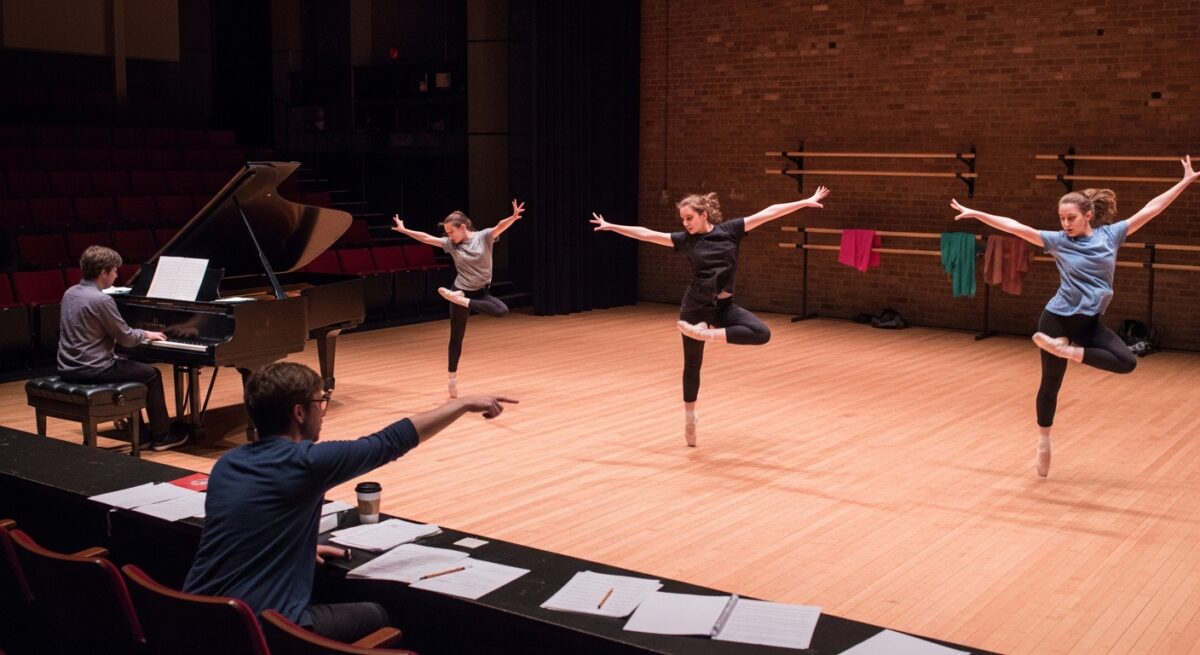
Not all musical theatre programs are created equal. The best musical theatre colleges share several key characteristics that set them apart from standard drama departments. These institutions offer rigorous training in voice, acting, and dance, often with equal emphasis on all three disciplines. Faculty members are typically working professionals with Broadway credits, film appearances, or extensive directing experience. They bring real-world insight into the classroom, preparing students for the demands of professional auditions and performances.
Another hallmark of top programs is their production schedule. Leading schools mount multiple fully staged musicals each year, giving students repeated opportunities to perform in front of live audiences. Some programs also maintain relationships with casting directors, agents, and regional theatres, providing a direct pipeline to professional work after graduation. Alumni networks at these schools are often tight-knit and actively support recent graduates in finding jobs. When evaluating programs, look for these indicators of quality rather than simply relying on rankings or reputation.
Top Programs Across the United States
Carnegie Mellon University
Carnegie Mellon University in Pittsburgh offers one of the oldest and most respected musical theatre programs in the country. Founded in 1914, the School of Drama has produced Tony Award winners, Emmy nominees, and countless Broadway performers. The BFA in Musical Theatre combines intensive studio work with a strong liberal arts foundation. Students take classes in voice, acting, dance, and theatre history while performing in mainstage productions and studio showcases. Admission is highly competitive, with an acceptance rate below 5 percent for the musical theatre program. Graduates leave with a versatile skill set that serves them well in both theatre and film.
University of Michigan
The University of Michigan’s Musical Theatre program is consistently ranked among the best musical theatre colleges in the nation. Located in Ann Arbor, the program benefits from the resources of a large research university while maintaining the intimacy of a specialized arts school. The BFA curriculum includes private voice lessons, acting classes, dance training in multiple styles, and performance opportunities in four mainstage productions each year. Michigan also offers a unique partnership with the Professional Theatre Program, which brings Broadway artists to campus for master classes and workshops. Alumni include Darren Criss, Glee star, and several current Broadway performers.
New York University Tisch School of the Arts
NYU Tisch offers unparalleled access to the heart of American theatre. Located in New York City, students can attend Broadway shows, intern with production companies, and network with industry professionals while completing their degree. The BFA in Drama with a concentration in Musical Theatre emphasizes collaboration and experimentation. Students work with faculty who are active directors, choreographers, and music directors in the New York theatre scene. The program also encourages cross-disciplinary work with other Tisch departments, such as film and dance. While tuition is high, the location and connections make it a top choice for serious performers.
Boston Conservatory at Berklee
Boston Conservatory merged with Berklee College of Music in 2016, creating a powerhouse for performing arts education. The BFA in Musical Theatre offers a conservatory-style training model with a focus on technical excellence. Students receive 20 hours per week of studio instruction in voice, acting, and dance, plus performance opportunities in fully produced musicals and cabarets. The faculty includes Broadway veterans and renowned choreographers. The conservatory also offers a Master of Fine Arts in Musical Theatre for those seeking advanced training. Small class sizes ensure personalized attention and strong mentorship.
Northwestern University
Northwestern University in Evanston, Illinois, offers a BA in Theatre with a concentration in Musical Theatre. Unlike BFA programs, the BA allows students to pursue a double major or minor in another field, which can be helpful for building a backup career. The program emphasizes both performance and academic study, with courses in theatre history, dramatic literature, and criticism. Students can audition for productions at the university’s three theatres and participate in the annual Waa-Mu Show, a student-written musical revue. Northwestern’s location near Chicago provides additional performance opportunities at the city’s many theatres and comedy clubs.
How to Choose the Right Program for You
Selecting from the best musical theatre colleges requires honest self-assessment. Consider your strengths and weaknesses in voice, acting, and dance. Some programs emphasize one discipline over others, so find a school that aligns with your natural abilities and growth areas. Location also matters. Programs in New York, Chicago, or Los Angeles offer proximity to professional opportunities, while schools in smaller cities may provide a more focused, less distracting environment. Cost is another critical factor. Musical theatre training is expensive, and many programs offer limited scholarships. Research tuition, housing, and fees carefully, and explore financial aid options before committing.
Another important consideration is the program’s culture. Visit campuses if possible, sit in on classes, and talk to current students. Ask about the faculty’s teaching philosophy, the production season, and how the school supports career placement. Some programs foster a competitive atmosphere, while others emphasize collaboration. Choose an environment where you feel challenged but supported. Remember that the best musical theatre colleges for one person may not be the best for another. Your personal fit matters as much as the school’s reputation.
Admission Requirements and Audition Tips
Admission to top musical theatre programs typically requires a multi-step process. Most schools ask for academic transcripts, letters of recommendation, and a personal statement. The audition is the most important component. You will usually need to prepare two contrasting songs, a monologue, and sometimes a dance combination. Some programs require prescreening videos before inviting you to a live audition. Start preparing months in advance. Choose material that showcases your unique voice and acting ability, not just your vocal range. Work with a coach or teacher to refine your pieces and receive honest feedback.
During the audition, be professional and prepared. Arrive early, dress appropriately, and bring extra copies of your headshot and resume. Show confidence without arrogance. The audition panel is looking for performers who are trainable, collaborative, and passionate about the art form. Remember that rejection is common and does not reflect your talent or potential. Many successful performers auditioned for multiple programs before finding the right fit. If you are not accepted to a top choice, consider a gap year to gain experience and reapply, or explore other performing arts colleges that may offer excellent training with less competition.

For students interested in understanding how different educational paths compare, our guide on the best colleges for veterans and military students in 2026 offers insights into programs that provide strong support systems and flexible training options, which can be valuable for performers from all backgrounds.
Career Outcomes and Alumni Success
Graduates from the best musical theatre colleges pursue diverse careers. Many perform on Broadway, in national tours, or at regional theatres. Others work in film and television, cruise ship entertainment, theme parks, or teaching. Some combine performance with other skills, such as directing, choreographing, or music directing. The versatility of a musical theatre degree opens doors to multiple industries. Alumni networks at top schools provide mentorship, job leads, and collaborative opportunities. Schools like Carnegie Mellon and NYU maintain active alumni groups that host events, share casting notices, and offer career advice.
Earning potential varies widely in the performing arts. Broadway performers earn union minimums that range from roughly $2,000 to $3,000 per week, but most actors work irregularly and supplement their income with teaching, coaching, or other jobs. The value of a musical theatre degree lies not in immediate financial return but in the skills, connections, and discipline it provides. Many graduates find fulfilling careers that combine performance with other passions. For those committed to the craft, training at a top program can be a transformative experience that launches a lifelong career in the arts.
For additional resources on finding educational programs that align with your career goals, Collegedegrees.school offers tools and guidance for exploring degree options across multiple fields, including performing arts and related disciplines.
Frequently Asked Questions
What is the difference between a BFA and a BA in musical theatre?
A BFA (Bachelor of Fine Arts) is a professional degree that requires more studio hours in performance, leaving less room for general education courses. A BA (Bachelor of Arts) offers a broader liberal arts education with fewer required performance credits, allowing for double majors or minors. Both can lead to successful careers, but BFA programs are often more intensive and specialized.
How important is the school’s location for musical theatre?
Location can be important for networking and internship opportunities. Schools in New York, Chicago, or Los Angeles provide direct access to professional theatre, auditions, and industry connections. However, many excellent programs in smaller cities also produce successful performers. Focus on the quality of training rather than location alone.
Can I get a musical theatre degree online?
Some schools offer online courses or hybrid programs in musical theatre, but fully online degrees are rare because the discipline requires in-person studio training, rehearsals, and live performances. If you need flexibility, consider a traditional program that offers summer intensives or part-time options.
What should I look for in a musical theatre audition?
Choose material that suits your voice type and personality. Avoid overdone songs from popular shows. Focus on acting the song, not just singing it. Be prepared to take direction and adjust your performance on the spot. Show your range and willingness to be coached.
How competitive are the best musical theatre colleges?
Extremely competitive. Top programs accept fewer than 10 percent of applicants, and some as low as 2-3 percent. Prepare thoroughly, apply to multiple schools, and have backup plans. Talent is necessary but not sufficient; persistence and resilience are equally important.
Choosing among the best musical theatre colleges is a personal journey that requires research, self-reflection, and courage. The right program will challenge you, support you, and prepare you for a rewarding career in the performing arts. Start your search early, visit campuses, and trust your instincts. With dedication and the right training, you can build a career that brings joy to audiences and fulfillment to yourself.