Choosing the right college is a pivotal decision, especially for a field as dynamic as kinesiology. This discipline goes far beyond exercise science; it encompasses the study of human movement, biomechanics, sports psychology, and rehabilitation. Whether you aspire to become a physical therapist, a strength coach, or a sports medicine researcher, the institution you select will shape your education, network, and career trajectory. With hundreds of programs available, identifying the best colleges for kinesiology programs requires careful evaluation of faculty expertise, research opportunities, accreditation, and hands-on clinical experiences. In this article, we break down the top contenders, what makes them stand out, and how to choose the right fit for your goals. For those also exploring other health-focused pathways, our guide on what are the best colleges for early childhood education offers a similar deep dive into program selection strategies.
What Defines a Top Kinesiology Program?
Before ranking specific schools, it is essential to understand the criteria that separate excellent programs from average ones. A top-tier kinesiology college offers more than just a curriculum; it provides a comprehensive ecosystem for student success. Key factors include accreditation by the Commission on Accreditation of Allied Health Education Programs (CAAHEP) or equivalent bodies, especially for concentrations like exercise science or athletic training. Faculty credentials matter significantly. Look for professors who are active researchers publishing in peer-reviewed journals and who bring real-world clinical experience to the classroom.
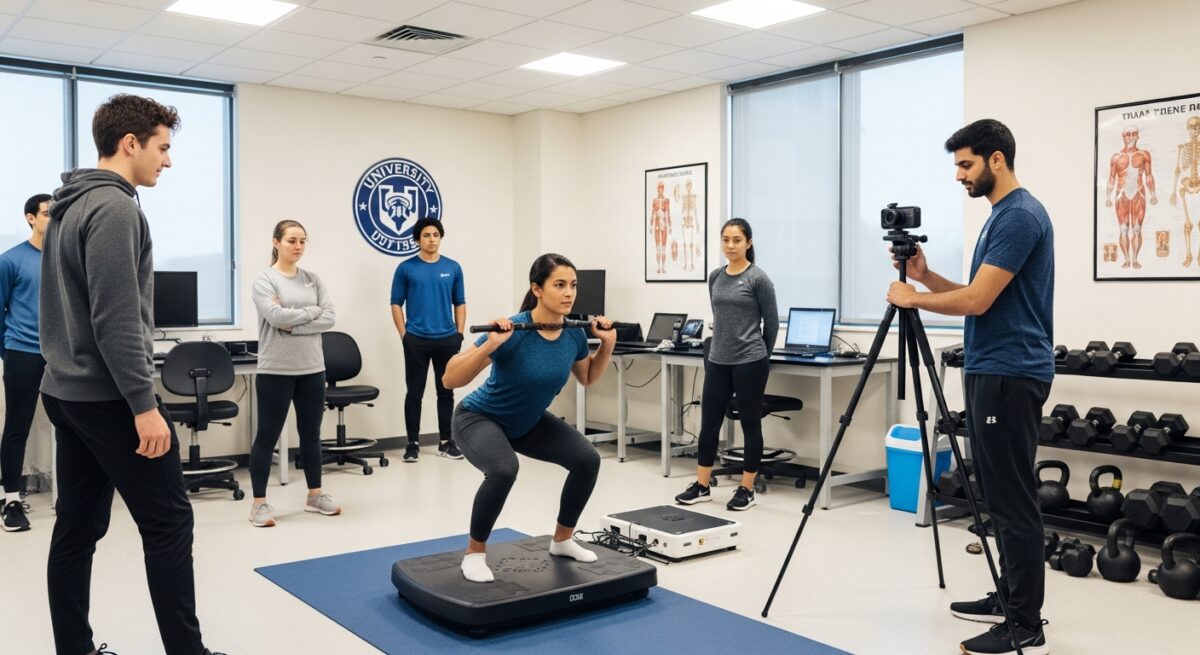
Access to modern laboratories is another critical component. The best kinesiology colleges invest in motion capture technology, metabolic carts, force plates, and cadaver dissection labs. These tools allow students to apply theoretical knowledge in practical settings. Internship and clinical placement partnerships with hospitals, professional sports teams, and rehabilitation centers are equally vital. They provide the hands-on hours needed for graduate school applications or direct entry into the workforce. Finally, consider student outcomes: graduation rates, job placement statistics, and graduate school acceptance rates. Top programs proudly share these metrics, demonstrating their commitment to student advancement.
Top 10 Best Colleges for Kinesiology Programs
The following institutions consistently rank among the best for kinesiology due to their academic rigor, research output, and career support. We have organized them based on a combination of national reputation, program depth, and student satisfaction data. Note that tuition figures are approximate and subject to change; always verify with the institution.
1. University of Michigan (Ann Arbor)
The University of Michigan’s School of Kinesiology is often cited as the gold standard. It offers undergraduate and graduate degrees with concentrations in movement science, sport management, and health and fitness. The faculty includes pioneers in biomechanics and motor control research. Students benefit from the Michigan Performance Research Laboratory and partnerships with the university’s world-class athletic department. Internship placements at the Cleveland Clinic and the U.S. Olympic Training Center are common. Graduates report high acceptance rates into top physical therapy and medical schools.
2. University of Texas at Austin
UT Austin’s Department of Kinesiology and Health Education is a powerhouse in the field. The program emphasizes interdisciplinary research, combining kinesiology with public health, neuroscience, and engineering. The campus houses state-of-the-art facilities like the Human Performance Laboratory and the Exercise and Immunology Lab. Students can choose from tracks in applied movement science, health behavior and health education, and sport management. The program’s location in a major metropolitan area provides ample internship opportunities with professional sports franchises and healthcare systems.
3. University of North Carolina at Chapel Hill
UNC Chapel Hill offers a highly respected Bachelor of Science in Exercise and Sport Science. The program is housed within the College of Arts and Sciences and benefits from its proximity to the UNC School of Medicine. Research areas include cardiovascular physiology, muscle metabolism, and sports-related concussions. The curriculum requires a capstone research project or a supervised internship, ensuring students graduate with tangible experience. UNC’s strong alumni network in physical therapy and occupational therapy programs gives graduates a competitive edge.
4. University of Florida (Gainesville)
UF’s College of Health and Human Performance offers a Bachelor of Science in Applied Physiology and Kinesiology. The program is known for its focus on the science behind human performance and its application to clinical populations. Students can specialize in clinical exercise physiology, fitness and wellness, or sports performance. The university’s partnership with the UF Health Shands Hospital provides unique clinical rotations. Research opportunities abound in the Center for Exercise Science, where students work on projects related to aging, obesity, and chronic disease management.
5. University of Southern California (Los Angeles)
USC’s Division of Biokinesiology and Physical Therapy offers an undergraduate program in health and human sciences with a strong kinesiology foundation. The program is unique because it is housed within a top-ranked physical therapy school, giving undergraduates exposure to clinical research and graduate-level coursework. USC’s location in Los Angeles offers unparalleled networking opportunities with the sports and entertainment industries. The program emphasizes evidence-based practice and prepares students for careers in healthcare, research, and fitness.
6. University of Illinois at Urbana-Champaign
UIUC’s Department of Kinesiology and Community Health is a leader in applying kinesiology to public health and community wellness. The curriculum integrates exercise science with health promotion, disability studies, and rehabilitation. The department operates the Physical Activity and Health Promotion Laboratory and the Disability Resources and Educational Services unit. Students can participate in service-learning projects that bring exercise programs to underserved populations. This focus on community impact sets UIUC apart from more traditional programs.
7. University of Colorado Boulder
CU Boulder’s Department of Integrative Physiology is one of the most respected in the nation. The program takes a holistic approach, examining how the body adapts to exercise, altitude, and environmental stress. The university’s location at 5,400 feet elevation provides a natural laboratory for studying altitude physiology. Research strengths include environmental physiology, cardiovascular health, and muscle biology. Students have access to the Human Performance Clinical Research Laboratory and often co-author papers with faculty. The program is ideal for students aiming for medical school or PhD programs.
8. Michigan State University
MSU’s Department of Kinesiology offers a comprehensive Bachelor of Science degree with specializations in athletic training, health fitness, and physical education. The program is accredited by CAAHEP for its athletic training track. MSU’s strong ties to the university’s Division I athletics program give students hands-on experience with collegiate athletes. The department also runs the Center for Physical Activity and Health, which conducts community-based research. Graduates consistently secure positions in clinical settings, corporate wellness, and graduate programs.
9. University of Georgia (Athens)
UGA’s Mary Frances Early College of Education houses the Department of Kinesiology, which offers a Bachelor of Science in Exercise and Sport Science. The program is known for its emphasis on teaching and coaching combined with rigorous science coursework. The department operates the Biomechanics and Motor Behavior Laboratory and the Exercise Physiology Laboratory. UGA’s location in Athens, a vibrant college town, provides a supportive learning environment. Internship placements include the UGA Athletic Association, local hospitals, and fitness centers.
10. Arizona State University (Tempe)
ASU’s College of Health Solutions offers a Bachelor of Science in Exercise and Health Promotion. The program is unique because it integrates kinesiology with behavioral health and nutrition. ASU is recognized for its innovation in online and hybrid learning, making it a strong option for students who need flexibility. The campus features the Human Performance Laboratory and the Nutrition and Health Research Lab. Students can choose from concentrations in exercise science, health promotion, and nutrition. ASU’s large alumni base and industry partnerships in Phoenix provide strong career support.

Key Factors to Consider When Choosing a Program
Selecting from the best colleges for kinesiology programs requires a strategic approach. Beyond rankings, you must evaluate how each program aligns with your personal and professional goals. Here are critical factors to weigh during your decision-making process. Start by considering the program’s accreditation and its specific focus areas. Some programs emphasize research, while others prioritize clinical practice or community health. Your career plans should dictate which emphasis is right for you.
Next, examine the cost of attendance and available financial aid. Kinesiology programs at public universities often provide excellent value for in-state students. However, out-of-state tuition can be steep. Research scholarship opportunities specifically for kinesiology majors. Many departments offer merit-based awards for high-achieving students. Do not overlook the total cost including housing, books, and lab fees. Create a budget and compare offers from multiple schools before committing.
Location and lifestyle also play a role. A school in a warm climate may offer year-round outdoor labs and internship opportunities with professional sports teams. A program in a rural setting might provide closer faculty mentorship and lower living costs. Visit campuses if possible, or attend virtual information sessions. Talk to current students and professors to get a feel for the culture. Finally, review the program’s track record for graduate school placement. If you plan to pursue a master’s in physical therapy or a PhD in biomechanics, choose a program with a strong record of placing graduates in top-tier graduate programs.
Career Paths with a Kinesiology Degree
A degree from one of the best kinesiology colleges opens doors to diverse and rewarding careers. The field is growing rapidly due to increased focus on preventive health, sports performance, and aging populations. Common career paths include exercise physiologist, athletic trainer, physical therapist assistant, strength and conditioning coach, and health educator. Many graduates also pursue advanced degrees in medicine, physical therapy, occupational therapy, or chiropractic medicine.
The Bureau of Labor Statistics projects above-average growth for many kinesiology-related occupations. For example, employment of exercise physiologists is expected to grow 10 percent through 2031, much faster than the average for all occupations. Athletic trainer employment is projected to grow 17 percent during the same period. This demand is driven by an aging population that wants to maintain active lifestyles and by the increasing recognition of the role of physical activity in managing chronic diseases. Graduates from top programs are well-positioned to capitalize on these trends, especially if they gain certifications from organizations like the American College of Sports Medicine (ACSM) or the National Strength and Conditioning Association (NSCA).
How to Strengthen Your Application
Gaining admission to the best colleges for kinesiology programs requires a strong academic record and a compelling application. High school students should focus on science courses including biology, chemistry, physics, and advanced mathematics. A GPA of 3.5 or higher is typically competitive for top programs. Extracurricular activities that demonstrate leadership and commitment to health are valuable. Consider volunteering at a physical therapy clinic, coaching a youth sports team, or working as a fitness instructor. These experiences show admissions committees that you have practical exposure to the field.
Letters of recommendation from science teachers or a coach who can speak to your work ethic are essential. Write a personal statement that connects your experiences to your passion for kinesiology. Be specific about why you want to attend that particular program. Mention faculty research you admire or a lab facility you want to use. For transfer students or those changing careers, highlight any relevant work experience in healthcare or fitness. Some programs require an interview, so prepare by researching the program thoroughly and practicing your responses to common questions.
Frequently Asked Questions
What is the difference between kinesiology and exercise science?
Kinesiology is the broader academic discipline that studies human movement in all its forms, including biomechanics, motor control, sport psychology, and exercise physiology. Exercise science is a subfield within kinesiology that focuses specifically on the physiological responses and adaptations to physical activity and exercise. Many programs use the terms interchangeably, but kinesiology degrees often offer a wider range of specializations.
Can I become a physical therapist with a kinesiology degree?
Yes, a kinesiology degree is one of the most common undergraduate pathways to physical therapy school. It provides the prerequisite coursework in anatomy, physiology, and biomechanics that most Doctor of Physical Therapy (DPT) programs require. However, you must still complete a DPT program and pass the licensure exam to become a practicing physical therapist.
Do I need a graduate degree to work in kinesiology?
It depends on your career goals. Entry-level positions such as fitness trainer, wellness coach, or exercise physiologist typically require only a bachelor’s degree. However, roles in athletic training, physical therapy, occupational therapy, and research usually require a master’s or doctoral degree. If you aim for clinical or leadership roles, plan to pursue graduate education.
Are online kinesiology degrees respected?
Accredited online kinesiology degrees from reputable institutions can be valuable, especially for students who need flexibility. However, ensure the program includes a hands-on lab component or an in-person internship. Employers and graduate schools value practical experience. Programs that offer hybrid models combining online coursework with on-campus labs often provide the best balance.
How important is accreditation for kinesiology programs?
Accreditation is crucial. It ensures the program meets established standards for curriculum, faculty qualifications, and student outcomes. For specialized fields like athletic training, accreditation by CAAHEP is required to sit for the Board of Certification (BOC) exam. For exercise science, accreditation by CAAHEP or the American Society of Exercise Physiologists (ASEP) signals a rigorous program. Always verify a program’s accreditation status before applying.
Making Your Final Decision
Choosing from the best colleges for kinesiology programs is a personal journey that balances academic fit, financial reality, and career aspirations. Start your search early, visit campuses, and talk to admissions counselors. Use the rankings in this article as a starting point, but dig deeper into each program’s specific strengths. For more resources on college selection and career planning, visit CollegeDegree.School to explore degree options and connect with featured institutions. Remember that the best program for someone else may not be the best for you. Trust your research, listen to your instincts, and choose a path that excites you. The field of kinesiology offers immense opportunity to make a positive impact on people’s lives through the science of movement. With the right education and determination, you can build a fulfilling career in this dynamic and growing field.