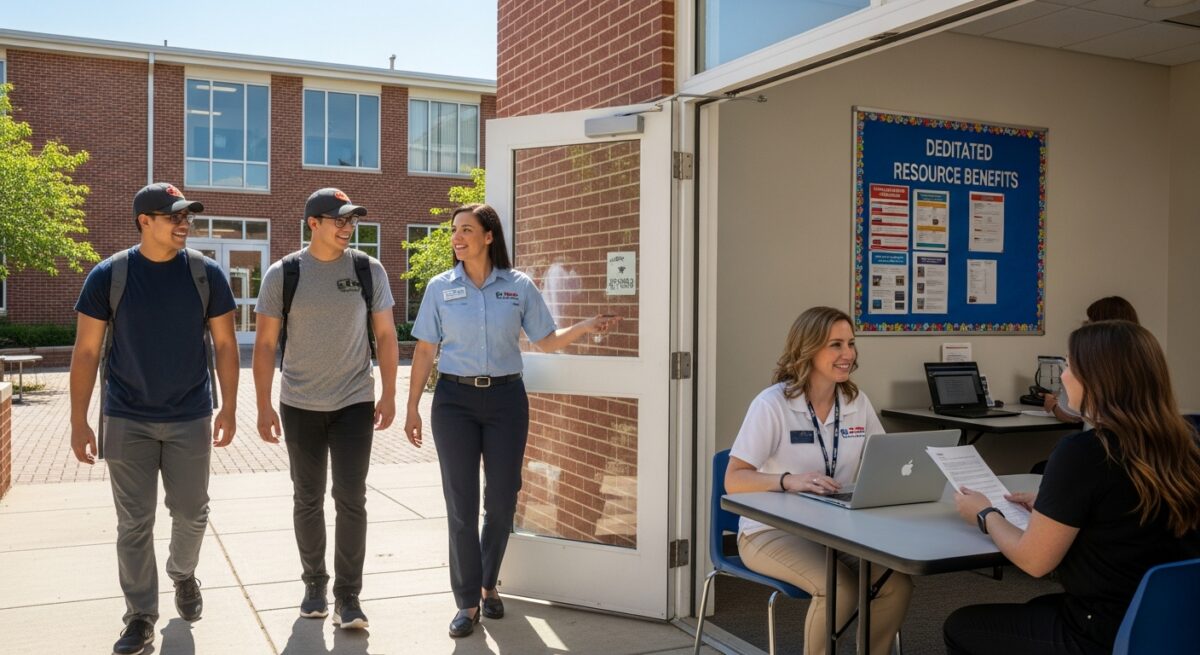
Choosing the right college after military service is a critical decision that shapes your career and financial future. Veterans and active-duty service members face unique challenges: navigating GI Bill benefits, transferring military credits, and balancing education with family or deployment schedules. The best colleges for veterans and military students offer dedicated support services, flexible online options, and a culture that understands military life. This article explores top institutions that prioritize veteran success, from generous credit transfer policies to robust financial aid packages.
What Makes a College Military-Friendly?
A truly military-friendly college goes beyond accepting GI Bill payments. It builds systems that address the specific needs of service members and their families. Key factors include dedicated veteran centers, staff trained to handle VA paperwork, and academic advisors who understand deployment cycles. Schools that earn the Military Friendly designation or rank high in the Best for Vets list have proven their commitment through measurable outcomes like graduation rates and employment statistics among veteran students.
Another critical element is flexibility. Many veterans start college while still serving or transitioning to civilian life. Programs that offer accelerated terms, evening classes, and multiple start dates accommodate unpredictable schedules. Additionally, schools with strong online degree programs allow veterans to study from anywhere, which is essential for those on active duty or living in remote areas. The best colleges for veterans also provide priority registration, dedicated tutoring, and mental health resources tailored to combat veterans.
Top Colleges for Veterans and Military Students
University of Southern California (USC)
USC consistently ranks among the best colleges for veterans due to its comprehensive Veteran Resource Center and generous Yellow Ribbon Program participation. The university covers tuition costs beyond the Post-9/11 GI Bill cap for eligible veterans. USC also offers a robust network of student veteran organizations and career services that help translate military experience into corporate language. With over 1,000 veteran students enrolled, USC provides a supportive community and access to top-tier academic programs in business, engineering, and public policy.
Texas A&M University
Texas A&M has a deep military tradition and ranks as one of the most military friendly colleges in the nation. The Don & Ellie Knauss Veteran Resource and Support Center offers one-stop assistance for enrollment benefits, financial aid, and mental wellness. Veterans benefit from the Corps of Cadets legacy and a strong sense of belonging. The university also participates in the GI Bill Tuition Cap program and offers in-state tuition to veterans regardless of residency. With over 2,000 student veterans, Texas A&M provides extensive peer support and a dedicated career center for veteran employment.
University of Nebraska at Omaha
This university stands out for its online degree options and flexible credit transfer policies. The Office of Military and Veteran Services helps veterans convert military training into college credits, saving time and money. UNO is a top choice for service members pursuing degrees in cybersecurity, criminal justice, and business administration. The school also offers a Veterans Upward Bound program that provides free tutoring and academic counseling. Its location near Offutt Air Force Base makes it a natural fit for active-duty personnel.
Syracuse University
Syracuse University hosts the Institute for Veterans and Military Families (IVMF), which provides national research and programming for veteran education. The university offers a dedicated Office of Veteran and Military Affairs and a full Yellow Ribbon Program that covers remaining tuition costs. Syracuse also provides a specialized military-connected student orientation and a mentorship program pairing veterans with alumni. Its online degree programs are highly respected, making it a great option for veterans who need to study remotely.
Embry-Riddle Aeronautical University
For veterans interested in aviation, aerospace, or engineering, Embry-Riddle is a natural fit. The university has campuses worldwide and a strong online presence, allowing students to transfer between locations without losing credits. Embry-Riddle’s Worldwide campus is specifically designed for military students, with over 130 locations on or near military bases. The school accepts up to 90 transfer credits and offers a 10% tuition discount for active-duty service members. Its career placement rates for veterans are among the highest in the nation.
In our guide on Best Colleges in the Southern Region for Students, we highlight additional institutions that excel in serving military populations. These schools offer similar benefits and are worth exploring if you prefer a southern location.
Key Factors to Consider When Choosing a College
Selecting from the best colleges for veterans requires careful evaluation of your personal goals and circumstances. Below are the most important factors to weigh during your decision process.

- GI Bill Coverage and Yellow Ribbon Program: Check if the school participates in the Yellow Ribbon Program to cover out-of-state tuition or private school costs beyond the GI Bill cap.
- Credit for Military Training: Look for schools that evaluate Joint Services Transcripts (JST) and award credit for military experience, which can shorten your degree timeline.
- Flexible Scheduling: Online programs, accelerated terms, and multiple start dates allow you to balance school with work and family obligations.
- Dedicated Veteran Support Services: A veteran center with trained staff who understand VA processes can save you from administrative headaches.
- Career Services and Employer Partnerships: Schools with strong veteran employment rates and connections to veteran-friendly employers help you transition to civilian careers.
Each of these factors directly impacts your educational experience and financial well-being. For example, a school that does not participate in the Yellow Ribbon Program may leave you with significant out-of-pocket costs if you attend a private university. Similarly, a school that does not accept military credits could add years to your degree completion. Prioritize institutions that explicitly address these areas in their veteran service offerings.
Veteran Education Programs and Financial Aid
The Post-9/11 GI Bill is the primary funding source for most veterans, but other programs can supplement your education budget. The Montgomery GI Bill, Veterans Educational Assistance Program (VEAP), and Survivors’ and Dependents’ Educational Assistance (DEA) program provide additional options. Many states also offer tuition waivers or reduced rates for veterans at public colleges. For example, California waives tuition at state schools for veterans who meet residency requirements. The best colleges for veterans often have financial aid counselors who specialize in military benefits and can help you maximize your funding.
Beyond tuition, consider the cost of books, housing, and fees. The GI Bill provides a housing allowance based on the school’s location, but it may not cover all expenses. Some military friendly colleges offer scholarships specifically for veterans, such as the Pat Tillman Foundation Scholarship or the AMVETS Scholarship. Additionally, the Department of Veterans Affairs offers a Veteran Readiness and Employment (VR&E) program for disabled veterans that can cover tuition, supplies, and even a monthly stipend. Combining multiple funding sources can reduce or eliminate out-of-pocket costs.
Frequently Asked Questions
What is the difference between the Post-9/11 GI Bill and the Montgomery GI Bill?
The Post-9/11 GI Bill covers full tuition at public schools up to a national cap and provides a housing allowance and book stipend. The Montgomery GI Bill offers a fixed monthly payment that you can use for tuition and expenses at any school. The Post-9/11 GI Bill is generally more generous for full-time students attending expensive schools.
Can I use my GI Bill for online degrees?
Yes. The Post-9/11 GI Bill covers online degree programs, but the housing allowance is reduced for fully online students. The housing allowance is set at half the national average for online learners. Some schools offer blended programs that combine online and in-person classes to qualify for full housing benefits.
How do I transfer my military credits to a college?
Request your Joint Services Transcript (JST) from the Joint Services Transcript website and submit it to the admissions office of the college you choose. The school will evaluate your military training and coursework and award college credit where applicable. Most military friendly colleges have a dedicated transcript evaluator for veterans.
What is the Yellow Ribbon Program?
The Yellow Ribbon Program is a partnership between the VA and participating colleges that covers tuition costs exceeding the Post-9/11 GI Bill annual cap. The school and VA each contribute a portion of the extra cost, making private or out-of-state schools more affordable for veterans. Schools can set their own contribution limits, so check the details before applying.
Are there colleges that waive out-of-state tuition for veterans?
Yes. Many states have laws requiring public colleges to charge in-state tuition to veterans regardless of residency under Section 702 of the Veterans Access, Choice, and Accountability Act of 2014. This applies to veterans using the Post-9/11 GI Bill who enroll within three years of separation. Check with your chosen school to confirm eligibility.
Choosing among the best colleges for veterans and military students is a personal journey that depends on your career goals, family needs, and location preferences. Start by researching schools that align with your intended major and then evaluate their veteran support services. Visit campuses if possible and connect with current student veterans to get honest feedback. Use resources like the VA’s GI Bill Comparison Tool and the Military Friendly Schools list to narrow your options. Remember that the right college will not only accept your GI Bill but also invest in your success through dedicated staff, flexible programs, and a welcoming community. Learn more