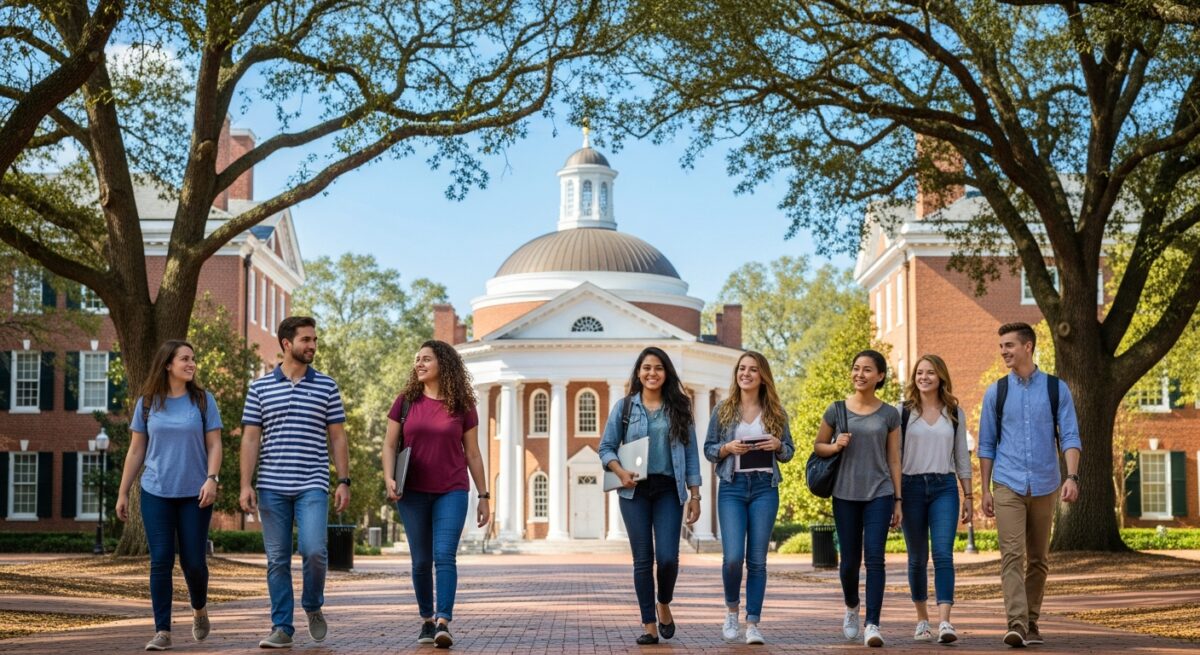
Choosing where to spend your college years is one of the most significant decisions you will make. For many students, the Southern region of the United States offers a compelling mix of academic excellence, cultural richness, and affordability. From historic campuses draped in ivy to cutting-edge research institutions, the South is home to some of the most dynamic educational environments in the country. This article explores the best colleges in the Southern region for students, helping you navigate your options and find a school that matches your academic goals, career ambitions, and personal preferences.
The South has long been a hub for higher education, blending tradition with innovation. Whether you are drawn to the vibrant music scene of Austin, the historic charm of Charleston, or the bustling growth of Atlanta, Southern colleges offer diverse experiences. Students here benefit from strong alumni networks, competitive athletic programs, and a cost of living that often beats other regions. In this guide, we will examine what makes these institutions stand out, how to evaluate them, and what you can expect from campus life in the South.
What Defines the Best Southern Colleges?
When we talk about the best southern colleges, we are looking at more than just US News rankings. The best schools in this region combine rigorous academics with a supportive community and strong career outcomes. Key factors include graduation rates, student-to-faculty ratios, financial aid availability, and post-graduation employment statistics. Additionally, the cultural fit is crucial. The South has a unique identity that values hospitality, tradition, and community engagement, which is reflected in campus life.
Many southern universities list offers programs that are nationally recognized in fields like engineering, business, and the arts. For example, Duke University in North Carolina and the University of Texas at Austin consistently rank among the top public and private institutions in the nation. However, the best fit for you might be a smaller liberal arts college like Davidson College in North Carolina or a specialized school like the Georgia Institute of Technology. The key is to match your personal and academic needs with what each institution offers.
Top Southern Universities List: A Region of Opportunity
The South is vast, stretching from the Atlantic coast to Texas, and it includes a wide variety of schools. Here is a closer look at some of the top performers across different categories. This southern universities list is not exhaustive but represents institutions that consistently deliver value and quality.
Flagship Public Universities
Public universities in the South offer world-class education at a more affordable price point, especially for in-state residents. The University of North Carolina at Chapel Hill is a top-ranked public school known for its journalism and business programs. The University of Florida in Gainesville combines a massive research enterprise with a lively campus culture. The University of Texas at Austin is a technology powerhouse with deep ties to the Austin startup scene. These schools provide the resources of a large university with the benefits of a strong alumni network.
For students seeking lower tuition without sacrificing quality, schools like the University of Georgia and Texas A&M University offer excellent programs in agriculture, engineering, and liberal arts. These institutions often have extensive scholarship programs for high-achieving students, making them accessible to a broad range of applicants.
Private Universities and Liberal Arts Colleges
Private colleges in the South often provide smaller class sizes and more personalized attention. Duke University is a perennial top-10 national university, famous for its medical school and basketball program. Vanderbilt University in Nashville blends a strong academic reputation with a vibrant city life. Rice University in Houston offers a tight-knit community with a focus on undergraduate research.
Liberal arts colleges like Washington and Lee University in Virginia and Sewanee: The University of the South in Tennessee focus on undergraduate teaching and critical thinking skills. These schools often have beautiful campuses and a strong sense of tradition. They are ideal for students who want a close relationship with professors and a curriculum that emphasizes writing, analysis, and discussion.
For those looking specifically at private options in the Show-Me State, you might find our guide on Top Premier Private Colleges for Students in Missouri helpful in comparing regional options.
Evaluating Campus Life and Culture
Beyond academics, the best colleges in the Southern region for students offer a unique cultural experience. The weather is generally mild, allowing for year-round outdoor activities. Many schools have a strong Greek life presence, but there are also plenty of alternative social scenes. Southern cuisine is a major draw, with campus dining halls often featuring local specialties like barbecue, biscuits, and sweet tea.
Sports are a huge part of the culture at many Southern schools. SEC football is a religion in states like Alabama, Georgia, and Louisiana. Even if you are not a sports fan, the energy of game days can be infectious. However, if you prefer a quieter atmosphere, smaller liberal arts colleges often have a more low-key approach to athletics. It is important to visit campuses and talk to current students to get a real feel for the culture.
Financial Aid and Affordability
One of the biggest concerns for students and families is cost. The South has a mix of high-tuition private schools and more affordable public options. However, the sticker price is not always what you pay. Many Southern colleges have generous financial aid programs. For example, Duke and Vanderbilt meet 100% of demonstrated financial need for admitted students. Public universities often offer merit-based scholarships to attract top talent from outside the state.
When comparing costs, look at the net price after scholarships and grants. Factors to consider include:
- In-state vs. out-of-state tuition rates
- Availability of need-based and merit-based aid
- Cost of living in the surrounding city
- Work-study opportunities on campus
Many families find that Southern schools offer a better value than comparable institutions in other regions, especially when factoring in the lower cost of housing and food. Be sure to use the net price calculator on each school’s website to get a personalized estimate.
Career Outcomes and Internships
The ultimate goal of a college education is often a fulfilling career. Southern universities have strong connections with employers in growing industries. The Research Triangle in North Carolina is a hub for tech and pharmaceutical companies. Atlanta is a major center for finance, logistics, and media. Texas is home to a booming energy sector and a thriving tech scene. Schools like Georgia Tech and UT Austin have dedicated career centers that help students secure internships and jobs.
Many schools also offer cooperative education programs where students alternate between classroom learning and paid work experience. These programs can give you a significant advantage in the job market. When researching schools, ask about the career services office, alumni networks, and internship placement rates. A school with a strong track record of placing graduates in your field of interest is worth its weight in gold.
Frequently Asked Questions
What are the best colleges in the Southern region for students looking for small class sizes?
Liberal arts colleges like Davidson College, Washington and Lee University, and Sewanee are excellent choices. They typically have student-to-faculty ratios under 10:1 and emphasize discussion-based learning.
Are Southern colleges affordable for out-of-state students?
Some are, yes. Many public universities offer merit scholarships that can bring out-of-state tuition closer to in-state rates. Private schools often do not differentiate between in-state and out-of-state students, so your financial aid package will be the same regardless of where you live.
What is the social scene like at top southern colleges?
It varies widely. Large public universities often have a strong sports and Greek life culture. Smaller private schools may have a more academic and arts-focused social scene. It is best to visit and see what fits your personality.
How important are AP or IB courses for admission to top colleges in the South?
Very important. Top schools look for students who have challenged themselves with the most rigorous coursework available at their high school. Strong performance in AP or IB classes signals that you are ready for college-level work.
For students interested in maximizing their financial aid opportunities, exploring external resources can be valuable. One such resource is Scholarship.Education, which provides tools and listings for finding scholarships that can help reduce the cost of your education.
Making Your Final Decision
Selecting from the best colleges in the Southern region for students is a personal journey. There is no single perfect school; there is only the perfect school for you. Consider your academic interests, your preferred learning environment, your budget, and your career goals. Use the resources available on CollegeDegree.School to research programs, compare costs, and explore featured institutions. We simplify your degree options and help you make informed choices. Whether you choose a sprawling public university or a cozy liberal arts college, the South has a place where you can grow, learn, and succeed.