When prospective students and their families consider higher education in the Mount Rushmore State, the conversation often begins with public institutions. However, South Dakota is also home to a select group of exceptional private universities that offer distinctive educational experiences characterized by close-knit communities, specialized academic programs, and values-based learning. These premier private universities located in South Dakota provide robust alternatives to larger public systems, often featuring lower student-to-faculty ratios, personalized mentorship, and a strong emphasis on undergraduate teaching and holistic student development. For learners seeking an intimate campus environment, a clearly defined institutional mission, and a education that extends beyond the classroom, these private institutions represent compelling destinations that merit serious consideration in the college selection process.
The Defining Characteristics of South Dakota’s Private Universities
Understanding what sets South Dakota’s private higher education sector apart requires an examination of its core attributes. Unlike their public counterparts, which receive significant state funding and have a mandate to serve a broad population, private universities in South Dakota are typically funded through tuition, private donations, and endowments. This financial model grants them greater autonomy in shaping their academic vision, campus culture, and admission criteria. The most prominent characteristic across these institutions is their scale. With smaller student bodies, often ranging from a few hundred to around three thousand students, they foster environments where professors know students by name and collaborative learning is the norm rather than the exception.
Another defining feature is the strong connection between academic programming and institutional identity. Many of South Dakota’s private universities were founded with specific religious or philosophical affiliations, which continue to inform their approach to education, community service, and character development. This does not mean education is limited to those who share the faith, rather it often translates into a curriculum that integrates ethical reasoning, service learning, and a focus on developing the whole person. Furthermore, these universities frequently excel in niche academic areas, leveraging their size to be agile and responsive to emerging fields. They build programs that align closely with regional economic needs while also providing a strong liberal arts foundation that prepares graduates for a wide range of careers and advanced study. For a broader view of the state’s educational landscape, including how these private institutions fit within it, our resource on top ranked universities in South Dakota offers valuable comparative insights.
Profiles of Leading Private Institutions
South Dakota’s landscape of premier private higher education is anchored by several longstanding institutions, each with its own unique history, strengths, and community.
Augustana University
Located in Sioux Falls, South Dakota’s largest city, Augustana University stands as the state’s premier comprehensive private liberal arts university. Founded in 1860 by Norwegian Lutheran pioneers, Augustana maintains its affiliation with the Evangelical Lutheran Church in America, which underscores its commitment to faith, learning, and service. The university enrolls approximately 2,100 students and is renowned for its rigorous academic programs. Augustana offers over 100 majors, minors, and pre-professional programs within its College of Arts and Sciences, School of Business, School of Education, and School of Music. Its strengths lie in health sciences (with exceptional nursing and pre-med tracks), business, education, and the humanities. The university’s location in a dynamic metropolitan area provides unparalleled internship and clinical opportunities, blending the classic liberal arts experience with real-world professional preparation. The Augustana student experience is deeply shaped by undergraduate research opportunities, a vibrant campus ministry, and a strong tradition in athletics and the arts.
University of Sioux Falls
Also situated in Sioux Falls, the University of Sioux Falls (USF) is a Christian liberal arts university with roots in the American Baptist Churches USA. Founded in 1883, USF serves around 1,600 students across its traditional undergraduate, adult undergraduate, and graduate programs. The university’s mission emphasizes academic excellence in a Christ-centered context. USF is particularly known for its professional programs in nursing, business, education, and exercise science. The university operates on a model that integrates faith and learning across the curriculum, encouraging students to explore their vocation and purpose. USF’s campus life is active, with numerous student organizations, ministry groups, and competitive NAIA athletic teams. Its “Coaching for Life” initiative exemplifies the personalized attention students receive, pairing them with faculty or staff coaches who provide guidance throughout their college journey and into their early careers.
Mount Marty University
Mount Marty University, with its main campus in Yankton and additional locations in Watertown and Sioux Falls, is a Catholic Benedictine liberal arts institution founded by the Sisters of Sacred Heart Monastery in 1936. The university, serving about 1,100 students, is guided by the Benedictine values of community, hospitality, stewardship, and prayerful living. Mount Marty has carved out a strong reputation in health sciences, notably for its highly respected nursing program, as well as in biology, criminal justice, and education. The campus atmosphere is notably close-knit and service-oriented, with many students engaged in local and global outreach projects. The university’s scenic riverside campus provides a serene setting for study and reflection, embodying the Benedictine connection between place, community, and learning.
Dakota Wesleyan University
In Mitchell, Dakota Wesleyan University (DWU) operates as a private, Methodist-affiliated liberal arts university. Since its founding in 1885, DWU has maintained a focus on leadership, service, and ethical development. With an enrollment near 900 students, it offers a highly personalized educational experience. DWU is recognized for its programs in business, nursing, criminal justice, and sports management. The university’s “Lifeservice” program is a distinctive component, requiring students to complete service-learning hours, which reinforces the institution’s commitment to civic engagement and applying knowledge to community needs. DWU’s George and Eleanor McGovern Library and Center for Leadership and Public Service serves as a hub for academic and civic life, further emphasizing the university’s dedication to developing informed, compassionate leaders.
Academic Excellence and Specialized Programs
The premier private universities in South Dakota distinguish themselves not merely through their small size, but through the quality and intentionality of their academic offerings. A common thread is a robust core curriculum grounded in the liberal arts. Regardless of a student’s major, they engage with courses in writing, critical thinking, ethical reasoning, and cultural understanding. This foundation is designed to create adaptable, thoughtful graduates who can navigate complex professional and personal landscapes. Beyond the core, these institutions have developed areas of specialized excellence that respond to both student interest and workforce demand.
Health sciences represent a paramount strength across multiple campuses. Driven by regional needs for healthcare professionals, universities like Augustana, Mount Marty, and the University of Sioux Falls have built state-of-the-art simulation labs, secured strong clinical partnerships, and developed curricula that yield high licensure exam pass rates and job placement. Similarly, business programs often emphasize entrepreneurship, ethical leadership, and practical experience, sometimes through student-run investment funds or business incubators. Education programs maintain close ties with local school districts, providing extensive field experience that prepares highly effective teachers. For students navigating these important choices, clear college degree information is crucial for aligning personal goals with the right program and institution.
These universities also excel in creating unique, interdisciplinary opportunities. Undergraduate research is not reserved for a select few at the senior level, it is often woven into the fabric of the science and humanities departments from the first year. Study abroad participation rates are typically high, facilitated by faculty-led trips and institutional partnerships worldwide. Furthermore, many offer distinctive combined degree or accelerated tracks, such as 3+2 engineering partnerships with larger universities, pre-law advising, or direct-entry pathways into graduate health programs.
Campus Life and Student Experience
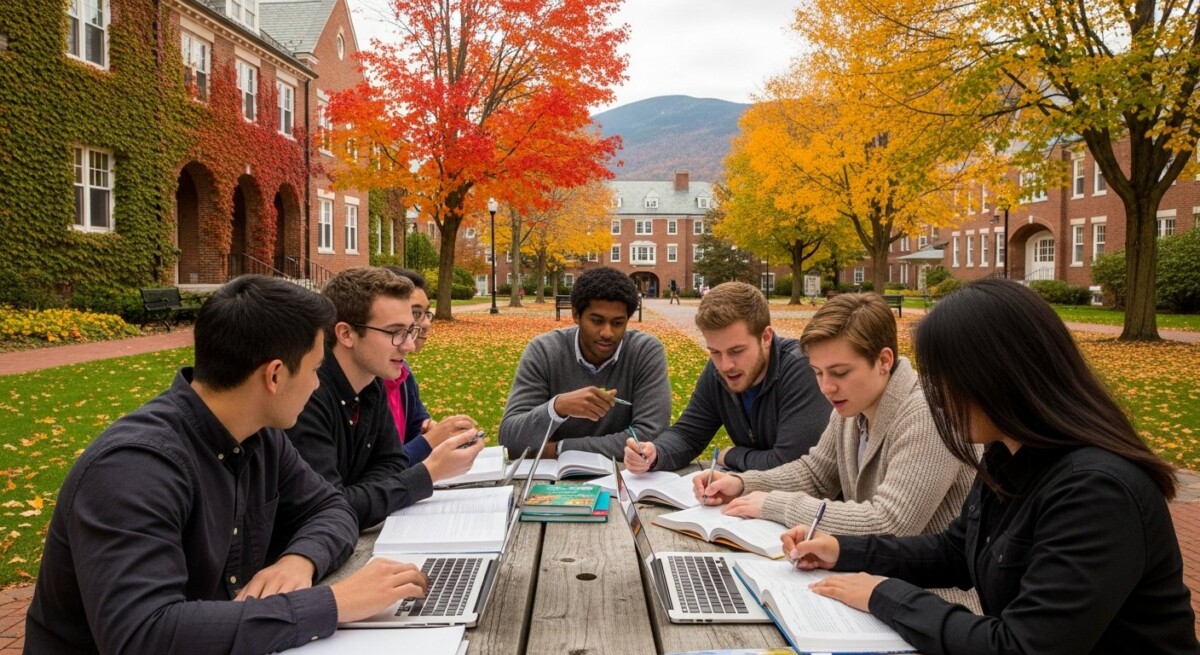
The student experience at South Dakota’s private universities is deeply shaped by a sense of community and participation. With a majority of students living on campus, residential life is a central component of education. Living-learning communities, where students sharing a major or interest reside together and participate in linked academic activities, are common. Campus traditions, from homecoming celebrations to service days, build strong class identity and institutional loyalty. Because the student population is smaller, involvement in extracurricular activities is high. It is typical for a student to be a member of an athletic team, participate in a musical ensemble, hold a leadership role in a student organization, and work on campus all simultaneously.
Spiritual life is a visible and active dimension on most of these campuses, reflecting their faith-based foundations. Chapel services, Bible study groups, mission trips, and interfaith dialogues are regularly available. However, these activities are almost always voluntary, and the campuses welcome students of all faiths and backgrounds, focusing on creating an environment of mutual respect and exploration. Athletics, primarily at the NAIA level, also play a significant role in campus culture, fostering school spirit and providing opportunities for student-athletes to compete while receiving a focused education. The balance achieved between academic rigor, community involvement, and personal development is a hallmark of the student experience at these institutions.
Financial Considerations and Value Proposition
The sticker price of tuition at a private university is invariably higher than that of a public institution. However, the financial picture is more nuanced. South Dakota’s private universities are typically generous with institutional aid, using scholarships and grants to make attendance feasible for a wide range of students. This aid is awarded based on academic merit, leadership, talent, and financial need. It is not uncommon for the net price after grants and scholarships to become competitive with, or sometimes even lower than, the cost of attending an out-of-state public university. Prospective students should always complete the FAFSA and work closely with the financial aid office of each university to understand the full package being offered.
The value proposition extends beyond cost to encompass return on investment. Key factors contributing to this value include:
- High graduation rates: Smaller, supportive environments often lead to higher four-year graduation rates compared to national averages, reducing the overall cost of education and allowing students to enter the workforce or graduate school sooner.
- Personalized career support: Career services offices at these universities often provide highly individualized attention, from resume reviews to direct employer connections, leveraging strong alumni networks.
- Strong alumni outcomes: Graduates from these institutions frequently secure employment in their fields or gain admission to top graduate and professional schools, a testament to the quality of preparation they receive.
- Lifelong network: The close relationships formed with classmates, professors, and staff evolve into a powerful professional and personal network that lasts a lifetime.
When evaluating cost, families should consider these long-term benefits alongside the immediate financial outlay.
Frequently Asked Questions
Are these private universities only for students of a specific religion?
No. While each of these premier private universities in South Dakota has a historical religious affiliation and may incorporate values or service from that tradition into campus life, they openly enroll and welcome students of all faiths and backgrounds. The religious affiliation often shapes the campus culture toward community, ethics, and service, but classroom instruction is not doctrinal. Students are usually required to take courses in theology or philosophy that explore religious thought, but from an academic perspective.
How do job prospects for graduates compare to those from larger state schools?
Graduates from these private institutions often enjoy excellent job placement rates. The personalized career counseling, strong alumni networks, and reputation for producing well-rounded, ethical graduates are highly attractive to employers, particularly within the region. Many programs, especially in nursing, education, and business, have direct pipelines to employment through clinical partnerships, student teaching placements, and internship sponsors.
Is there a social life on these smaller campuses?
Yes, campus life is typically vibrant and active. The smaller size means a higher percentage of students are involved in creating and participating in events. Social life revolves around student organizations, intramural sports, campus events, athletic competitions, artistic performances, and service projects. The cities where these universities are located, like Sioux Falls, also offer numerous off-campus dining, entertainment, and cultural opportunities.
What is the typical class size?
Class sizes are a major advantage. Introductory lecture courses might have 25-35 students, while upper-level seminars and labs often have 10-20 students, and some advanced courses may have fewer than 10. This allows for significant interaction with professors and collaborative work with peers.
Do these universities offer online or accelerated programs for adult learners?
Yes, most have expanded their reach through adult and continuing education divisions. These offer online, evening, and weekend programs designed for working professionals seeking to complete a bachelor’s degree or earn a master’s degree. These programs provide the same institutional quality and accreditation in a flexible format.
Choosing a university is one of the most significant decisions a student will make. The premier private universities located in South Dakota offer a powerful alternative to the large public university model, providing an education defined by close mentorship, community engagement, and intentional integration of values and learning. For students who thrive in an environment where they are known as individuals, where they can lead from their first year, and where their education is designed to develop both intellect and character, these institutions represent not just a place to earn a degree, but a transformative experience that lays a foundation for a purposeful life and career. The investment in such an education often yields dividends far beyond the academic credential, fostering a network and a sense of self that guides graduates for decades to come.