New Hampshire, known for its rugged natural beauty and independent spirit, is also home to a collection of exceptional private colleges and universities that offer distinct educational experiences. From prestigious Ivy League institutions to specialized liberal arts colleges and career-focused schools, the Granite State provides a diverse array of high-quality private higher education options. These institutions are characterized by small class sizes, personalized attention, strong faculty-student relationships, and vibrant campus communities nestled in settings ranging from quaint New England towns to dynamic small cities. For students seeking an education that combines academic rigor with close mentorship, the top-rated private colleges and universities in New Hampshire present compelling choices that can shape both intellectual growth and professional trajectory.
Defining Excellence in New Hampshire’s Private Higher Education
What makes a private college or university in New Hampshire stand out as top-rated? The evaluation extends beyond simple rankings to encompass a holistic view of the student experience and outcomes. Key metrics include academic reputation, which is often built upon distinguished faculty, rigorous curricula, and selective admissions. Graduation and retention rates offer insight into student satisfaction and institutional support, while post-graduation success, measured by career placement, graduate school acceptance, and alumni network strength, is a critical indicator of value. Financial factors, including endowment size, financial aid generosity, and overall cost, also play a significant role in defining accessibility and return on investment. Finally, the campus culture, student life offerings, and location contribute to the overall environment that fosters learning and personal development. These elements combine to create institutions that are not just places of study, but communities that prepare students for meaningful lives and careers.
New Hampshire’s private institutions often leverage their size to offer unique advantages. With lower student-to-faculty ratios than large public universities, they facilitate seminar-style classes, undergraduate research opportunities, and close advisory relationships. Many have developed signature programs, centers of excellence, or interdisciplinary majors that capitalize on faculty expertise and regional strengths. For instance, several colleges have robust programs in environmental studies, leveraging New Hampshire’s natural laboratories, while others excel in business, engineering, or the health sciences through partnerships with local industries and hospitals. This blend of intimate learning environments and specialized, applied knowledge creates a powerful educational model. Understanding these defining characteristics is the first step for prospective students and families navigating the selection process for top-rated private colleges and universities in New Hampshire.
Profiles of Leading Private Institutions
New Hampshire’s landscape of private higher education is anchored by several nationally and regionally recognized institutions, each with its own identity and strengths.
Dartmouth College
As the only Ivy League institution in New Hampshire, Dartmouth College in Hanover stands at the pinnacle of academic prestige. Founded in 1769, it combines a world-class research university’s resources with the close-knit community of a liberal arts college. Dartmouth is renowned for its undergraduate focus within the Ivy League, its distinctive D-Plan (a flexible quarter system allowing for off-term internships and study), and its strong emphasis on undergraduate teaching. Key strengths include its Thayer School of Engineering, Tuck School of Business (offering graduate programs), and the Geisel School of Medicine, all of which provide unique opportunities for undergraduate engagement. Its location in the Upper Valley offers a quintessential New England college town experience with unparalleled access to outdoor activities, fostering a vibrant and active campus culture.
Saint Anselm College
Located in Goffstown, Saint Anselm College is a nationally ranked Catholic Benedictine liberal arts college. It is celebrated for its strong core curriculum rooted in the humanities, its commitment to community service, and its highly regarded nursing and politics programs. The college’s New Hampshire Institute of Politics (NHIOP) is a premier venue for political discourse, regularly hosting presidential primary debates and forums, which provides students with exceptional access to the political process. The campus community emphasizes ethical leadership, intellectual development, and social responsibility, creating a formative environment for students seeking a values-based education. Its beautiful hilltop campus offers a serene setting just minutes from the state’s largest city, Manchester.
Southern New Hampshire University (SNHU)
While globally recognized for its massive online presence, Southern New Hampshire University maintains a vibrant private, nonprofit residential campus in Manchester. SNHU has distinguished itself through innovation, accessibility, and career-focused education. Its campus offers a wide range of undergraduate and graduate programs, particularly strong in business, creative writing, game design, and STEM fields. The university emphasizes experiential learning, with numerous internships, co-ops, and industry partnerships integrated into its curricula. SNHU’s model of providing high-quality, affordable private education has made it a leader in rethinking higher education delivery, benefiting both its online and on-campus students. For a broader perspective on private education in the region, our guide on leading private colleges in neighboring states offers useful comparative insights.
Franklin Pierce University
Franklin Pierce University, with its residential campus in Rindge, offers a personalized, hands-on educational approach. It is known for its strengths in health sciences (including a direct-entry Doctor of Physical Therapy program), business, education, and environmental science. The university operates on a “One Pierce” model, striving to integrate academic, co-curricular, and career development seamlessly. Its location on the shores of Pearly Pond and at the edge of the Monadnock region provides a picturesque, close-knit campus environment that fosters strong student-faculty relationships. Franklin Pierce also has several professional graduate centers across the state, expanding its educational reach.
Colby-Sawyer College
Colby-Sawyer College in New London is a small, residential liberal arts college with a distinctive focus on integrating the liberal arts with professional preparation. It is particularly recognized for its nursing program, exercise science, and business departments. The college’s “Liberal Education and Professional Studies” model ensures that students develop critical thinking and communication skills while gaining practical, career-ready competencies. With an exceptionally low student-to-faculty ratio, Colby-Sawyer provides highly individualized attention. Its scenic campus in the Lake Sunapee region offers a classic New England college experience with a strong sense of community.
Choosing the Right Private College: A Strategic Framework
Selecting among the top-rated private colleges and universities in New Hampshire requires a deliberate, personalized approach. The decision should align with a student’s academic goals, learning style, career aspirations, and personal preferences. A strategic framework can help navigate this important choice effectively.
Begin with a deep self-assessment of academic interests and strengths. Are you drawn to a broad liberal arts foundation or a more specialized, pre-professional track? Consider the specific programs, majors, and departments at each institution. Look beyond the general reputation to the strength of the particular department you intend to join. Investigate opportunities for undergraduate research, internships, and study abroad, as these experiential components are often where private colleges excel. Furthermore, assessing the teaching philosophy and class structure is crucial; some students thrive in discussion-based seminars, while others prefer a mix of lecture and lab formats.
Financial planning is a non-negotiable component of the decision. Private colleges typically have higher sticker prices than public institutions, but they also often have substantial endowments dedicated to financial aid. It is essential to:
- Complete the FAFSA and any required CSS Profile to determine eligibility for need-based aid.
- Research and apply for institutional merit scholarships, which many New Hampshire private colleges offer competitively.
- Understand the net price (total cost minus grants and scholarships) rather than just the published tuition.
- Consider the long-term return on investment, including career support services and alumni network strength for post-graduate success.
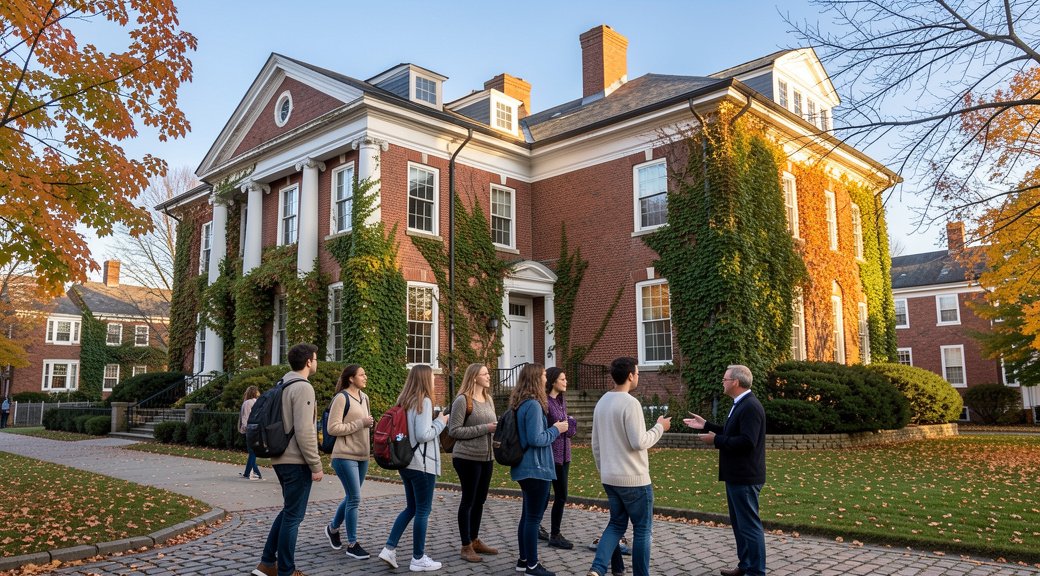
Finally, the campus culture and fit are intangible yet vital factors. The only way to truly gauge this is through campus visits, either in-person or virtual. Attend a class, eat in the dining hall, talk to current students unrelated to the admissions office, and stay overnight if possible. Consider the location: do you prefer a rural, self-contained campus or one integrated into a small city? Evaluate student life, clubs, athletics, and support services. The goal is to find a community where you will be challenged, supported, and able to grow for four formative years. For clear, objective college degree information to aid in this comparison, reliable educational resources are invaluable.
Frequently Asked Questions
What is the average cost of attendance at a private college in New Hampshire, and is financial aid available?
The published tuition, fees, room, and board for private colleges in New Hampshire can range from approximately $60,000 to over $80,000 per year. However, very few students pay the full published price. Most institutions offer significant need-based and merit-based financial aid packages. It is critical to complete the FAFSA and each school’s specific financial aid forms to receive a personalized net price estimate, which is often substantially lower.
How do the class sizes and student-to-faculty ratios at New Hampshire’s private colleges compare to large public universities?
This is a primary differentiator. Top-rated private colleges and universities in New Hampshire typically boast student-to-faculty ratios between 10:1 and 16:1, with many introductory and upper-level classes held in small seminar settings. This contrasts sharply with large public universities, where introductory lectures can have hundreds of students. The intimate scale facilitates direct interaction with professors, personalized feedback, and closer mentorship.
Are there strong career placement services at these private institutions?
Yes, career development is a major priority. Services often include one-on-one career counseling, resume and interview workshops, career fairs specifically for students of the college, and robust alumni networking programs. Many schools have high post-graduation employment and graduate school acceptance rates within six months of graduation, aided by these dedicated support systems and strong regional reputations among employers.
What are some of the unique academic programs offered at private colleges in New Hampshire?
Beyond standard majors, many schools offer distinctive programs. Examples include Dartmouth’s interdisciplinary majors and its foreign study programs; Saint Anselm’s politics program centered around its Institute of Politics; SNHU’s renowned creative writing MFA and innovative business programs; Franklin Pierce’s direct-entry health profession doctorates; and Colby-Sawyer’s integration of liberal arts with professional studies in fields like nursing and graphic design.
How important is the campus visit in the decision-making process?
Extremely important. A campus visit allows you to experience the community’s atmosphere, observe student interactions, assess facilities, and get a feel for the surrounding area. It moves the decision from a theoretical evaluation of data points to a practical assessment of where you can envision living and learning. If an in-person visit isn’t possible, take full advantage of virtual tours, online information sessions, and opportunities to connect with current students or faculty remotely.
The journey to selecting the right private college in New Hampshire is a significant undertaking, but one rich with opportunity. By thoroughly researching each institution’s academic offerings, financial landscape, and campus culture, students can identify the environment that will best nurture their ambitions. The investment in a private education here is an investment in a personalized, immersive experience that extends far beyond the classroom, preparing graduates not just for a first job, but for a lifetime of thoughtful engagement and leadership.