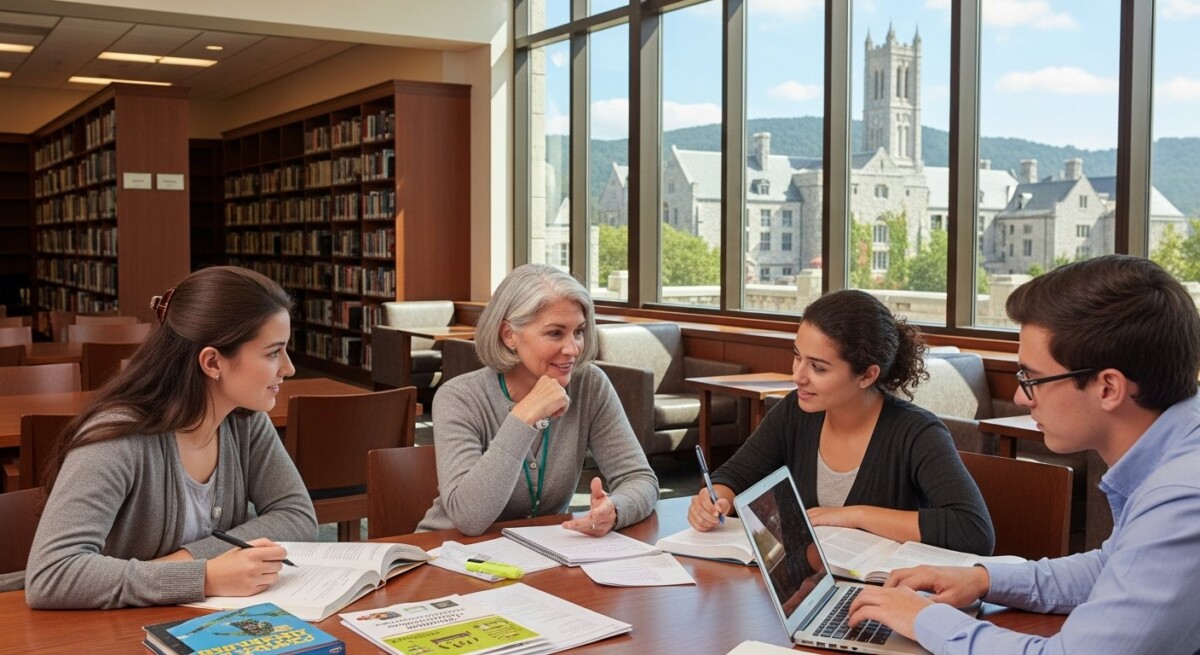
Choosing the right college is a pivotal decision that shapes your academic journey and future career. For students seeking a more intimate, values-driven, or specialized educational environment, West Virginia’s private colleges and universities offer compelling alternatives to larger public institutions. These schools often feature smaller class sizes, close-knit communities, distinctive academic missions, and personalized attention from faculty. While the Mountain State is known for its robust public higher education system, its private institutions provide unique pathways in liberal arts, professional studies, health sciences, and faith-based education. This guide explores the top private colleges and universities in West Virginia, detailing their academic strengths, campus cultures, and what makes each one a distinctive choice for prospective students.
The Distinct Value of a Private Education in West Virginia
Private colleges and universities operate independently of state government systems, funded primarily through tuition, donations, and endowments. This independence allows them to craft specific academic identities, maintain particular religious or philosophical affiliations, and often implement more holistic admission processes. In West Virginia, private institutions are typically smaller than their public counterparts, such as West Virginia University or Marshall University, which directly influences the student experience. The benefits frequently include lower student-to-faculty ratios, fostering closer mentorship and more interactive classroom discussions. Many also boast strong alumni networks that can be invaluable for internships and job placement after graduation.
It is important to note that tuition at private institutions is generally higher than in-state tuition at public schools. However, these colleges often have substantial institutional financial aid, scholarships, and grant programs that can significantly reduce the net price for students. When evaluating the top private colleges and universities in West Virginia, prospective students should look beyond the sticker price and investigate the average financial aid package offered. The return on investment can be considerable, especially when considering graduation rates, post-graduate employment outcomes, and the specific professional networks these schools provide. For a deeper understanding of how to evaluate different degree paths and institutional quality, our resource on top computer science programs at leading colleges and universities offers a useful framework that can be applied across disciplines.
Profiles of Premier Private Institutions
West Virginia is home to several highly-regarded private institutions, each with its own history, academic focus, and community. The following profiles highlight key details about these schools to help you begin your research.
West Virginia Wesleyan College
Located in Buckhannon, West Virginia Wesleyan College (WVWC) is a private liberal arts college affiliated with the United Methodist Church. Founded in 1890, it emphasizes a broad-based education in the arts and sciences combined with professional preparation. The college is known for its strong sense of community and commitment to service. Academically, WVWC offers over 40 majors and programs, with notable strengths in biology, business, music, and education. The campus features a beautiful, traditional setting and a vibrant student life with numerous clubs, organizations, and NCAA Division II athletics. The college’s “Wesleyan Experience” focuses on developing the whole person: intellectually, spiritually, and socially.
University of Charleston
The University of Charleston (UC) is a private university with its main campus in the state’s capital city and additional locations in Beckley and online. UC has built a reputation for its career-focused curriculum and innovative learning model. Its programs in health sciences, particularly nursing, pharmacy, and physician assistant studies, are highly respected and in high demand. The university also offers strong business, leadership, and cybersecurity programs. UC’s distinctive “UC Advantage” program is designed to ensure every student graduates with real-world experience through internships, research, or community projects. The scenic riverfront campus in Charleston provides students with access to the professional opportunities of a capital city.
Davis & Elkins College
Nestled in the mountains of Elkins, Davis & Elkins College (D&E) is a private college affiliated with the Presbyterian Church (USA). It offers a classic liberal arts education in a stunning natural environment. D&E is celebrated for its small class sizes and personalized attention, with popular programs in nursing, business administration, sports management, and hospitality tourism management. The college leverages its location through outdoor recreation programs and studies focused on Appalachian culture. The close-knit campus community and emphasis on experiential learning, including a required “May Term” for intensive study, define the D&E experience.
Bethany College
Bethany College, founded in 1840 in Bethany, holds the distinction of being West Virginia’s oldest private college. This liberal arts institution, affiliated with the Christian Church (Disciples of Christ), has a rich history and a beautiful, historic campus. Bethany prides itself on a rigorous academic environment with a core curriculum rooted in the liberal arts tradition. Strong programs include communications, education, psychology, and the sciences. The college’s small size fosters a tight community where leadership opportunities are abundant. Bethany’s historic ties and traditional campus feel attract students looking for a classic, residential liberal arts experience.
Wheeling University
Wheeling University is a private Catholic university in Wheeling, West Virginia, founded by the Sisters of St. Joseph. Its mission emphasizes faith, learning, and service. The university offers a range of undergraduate and graduate programs, with particular recognition for its nursing, biology, and athletic training programs. Wheeling University has faced recent challenges but continues to provide a values-based education with a focus on health sciences and liberal arts. Its location in Wheeling offers urban resources while maintaining a campus-centric community feel.
Key Factors for Choosing a Private College
Selecting among the top private colleges and universities in West Virginia requires careful consideration of several factors beyond academic majors. The campus culture and community vibe are paramount. Visiting campus, either in person or virtually, can give you a sense of whether you would thrive in that environment. Consider the residential life, dining options, student activities, and the overall atmosphere. Is it collaborative or competitive? How engaged are students outside the classroom? These intangible elements significantly impact your overall satisfaction and success.
Financial planning is the most concrete step in the decision-making process. Always complete the Free Application for Federal Student Aid (FAFSA) to determine your eligibility for federal grants and loans. Then, work closely with the financial aid offices at each private college. Ask about merit-based scholarships, need-based grants, work-study opportunities, and any special institutional awards. Compare the net price (cost after grants and scholarships) from each school, not just the published tuition. Remember, a higher sticker price does not necessarily mean a higher final cost to you if the school offers a generous aid package.
Finally, investigate outcomes. Look at each institution’s graduation rates, retention rates (how many first-year students return for a second year), and career placement statistics. Many private colleges have exceptional career services departments that help with resume writing, interview preparation, and connecting students with alumni in their field. Ask about the types of companies that recruit on campus and the support for students pursuing graduate or professional school. For clear, actionable college degree information that can help you weigh these factors, dedicated educational resources are invaluable. This long-term perspective ensures your investment in a private education translates into a strong foundation for your future career.
Frequently Asked Questions
Are private colleges in West Virginia more expensive than public universities?
Yes, the published tuition and fees at private colleges are typically higher than in-state tuition at public universities like WVU or Marshall. However, private institutions often have more institutional aid (scholarships and grants) to offer, which can substantially lower the actual cost. It is essential to apply for financial aid and compare net price, not just sticker price.
Do private colleges have better academic programs?
“Better” is subjective and depends on the student’s needs. Private colleges often excel in providing small class sizes, personalized attention, and strong mentorship from professors. They may have exceptional programs in specific areas like liberal arts, nursing, or business. Public universities often have broader research facilities and a wider array of program offerings. The best choice depends on your learning style and academic goals.
What is the difference between a college and a university in the private sector?
Traditionally, a “college” often focuses primarily on undergraduate education, while a “university” includes undergraduate programs alongside graduate schools (like business, law, or health sciences). In practice, the terms are sometimes used interchangeably. In West Virginia, for example, West Virginia Wesleyan is a college (primarily undergraduate), while the University of Charleston is a university (offering both undergraduate and graduate degrees).
Are there any online degree options from these private schools?
Yes, several of West Virginia’s private institutions offer online programs, particularly for adult learners and graduate students. The University of Charleston has a robust online division. Other schools may offer hybrid or fully online programs in specific fields. Always check with the individual institution’s admissions or continuing education office for the most current online offerings.
How important is religious affiliation when considering these colleges?
The importance varies by individual. Some students seek out a faith-based community as a core part of their college experience. At affiliated schools like Wesleyan (Methodist) or Bethany (Disciples of Christ), the affiliation often influences campus culture, values, and may include chapel services or religion courses in the core curriculum. However, these colleges welcome students of all faiths and backgrounds, and the religious aspect may be a subtle part of campus life rather than a strict requirement for all students.
West Virginia’s private colleges and universities offer rich, personalized educational pathways that can be ideal for students seeking close faculty interaction, a defined campus community, and specialized programs. From the liberal arts traditions of Bethany and Davis & Elkins to the career-focused innovation at the University of Charleston, these institutions provide quality options that contribute significantly to the state’s higher education landscape. By thoroughly researching each school, visiting campuses, and engaging with financial aid offices, you can find the private college in West Virginia that best aligns with your academic ambitions, personal values, and professional aspirations, setting the stage for a successful and fulfilling future.