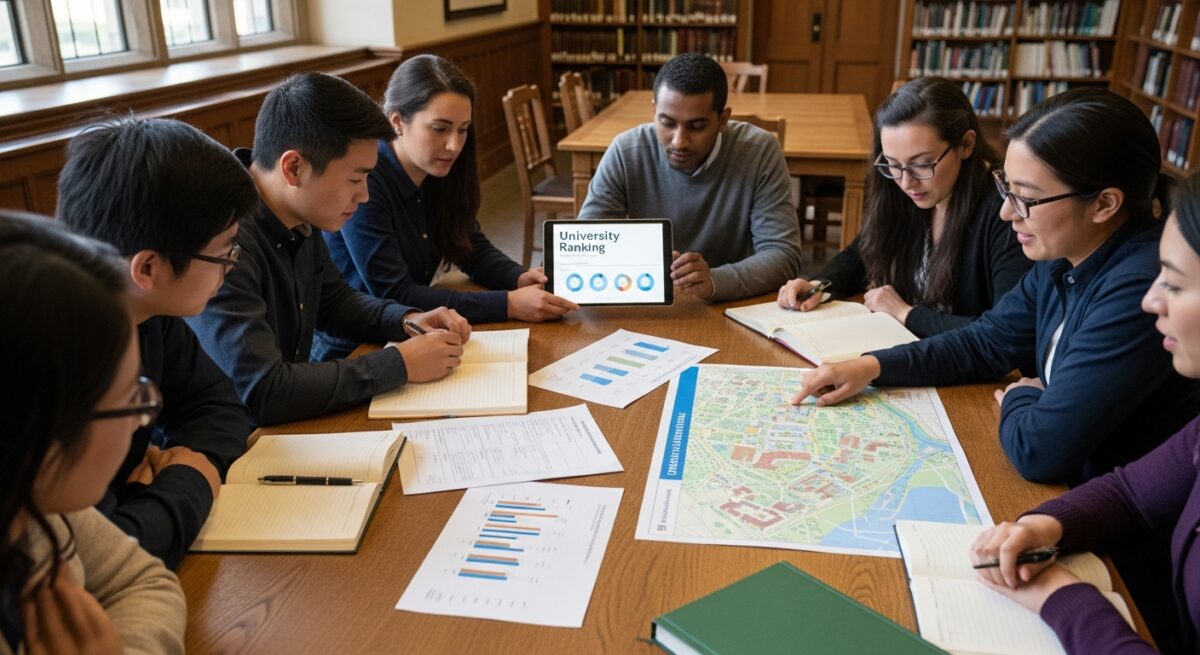
Transferring colleges can feel like starting over, but the right institution can turn a stressful transition into a smooth, rewarding experience. Many students leave their first school for reasons ranging from academic fit and financial concerns to a simple desire for a new environment. The challenge is finding a school that not only accepts your credits but also actively supports your success from day one. This article explores the best colleges for transfer students, highlighting institutions that prioritize credit mobility, offer robust support systems, and create clear pathways to graduation. Whether you are moving from a community college or another four-year university, understanding which schools are truly transfer-friendly is the first step toward a better academic future.
What Makes a College Transfer Friendly?
A transfer-friendly college does more than just accept applications from transfer students. It builds its entire infrastructure around the idea that students come from diverse academic backgrounds. These schools typically have dedicated transfer admissions counselors, clear articulation agreements with community colleges, and a transparent credit evaluation process. They understand that your time is valuable and that every lost credit can mean extra semesters and extra costs.
Key indicators of a transfer-friendly institution include a high transfer acceptance rate, a generous credit transfer policy (often accepting up to 90 credits for a bachelor’s degree), and strong transfer-specific orientation programs. Some schools even offer transfer-specific scholarships and housing, which can make a huge difference in feeling welcomed rather than like an outsider. When researching, look for schools that publish a transfer credit equivalency guide online. This tool lets you see exactly how your previous coursework will apply before you apply, removing much of the guesswork and anxiety from the process.
Top National Universities for Transfer Students
Several large public and private universities have built stellar reputations for handling transfers efficiently. These institutions often have the resources to evaluate credits quickly and offer a wide range of majors, which is crucial if your academic interests have shifted since you first enrolled.
University of California System
The University of California (UC) system is a gold standard for transfer pathways, particularly for students from California community colleges. The system’s Transfer Admission Guarantee (TAG) program allows students from participating community colleges to secure guaranteed admission to six of the nine UC campuses if they meet specific requirements. This program removes much of the uncertainty from the process. For example, UC Davis and UC Irvine are known for being particularly welcoming to transfer students, with dedicated transfer centers and peer mentor programs. The UC system admits thousands of transfer students each year, making it one of the largest and most structured pathways in the nation.
Beyond the TAG program, the UC system offers a unified application portal for transfers, which simplifies the process of applying to multiple campuses. Students can expect a thorough but fair credit evaluation, and many find that their lower-division general education requirements transfer seamlessly. This system works because the UC schools have long-standing partnerships with California’s 116 community colleges, creating a pipeline that is both efficient and respected. If you are in-state, this is often the most cost-effective and reliable path to a top-tier degree.
Arizona State University
Arizona State University (ASU) is another powerhouse when it comes to transfer friendliness. ASU has a dedicated Transfer Portal that allows you to see exactly how your credits will transfer before you apply. Their MyPath2ASU tool is particularly helpful for community college students, as it maps out a semester-by-semester plan that ensures you take the right classes to meet ASU’s requirements. ASU also offers a generous transfer scholarship program, which can significantly reduce the cost of attendance for high-achieving transfer students. With campuses in Tempe, Phoenix, and online, ASU provides flexibility that is hard to beat.
ASU’s commitment to innovation extends to its transfer process. They have articulation agreements with community colleges across the country, not just in Arizona. The university also offers a Transfer Student Success team that provides one-on-one advising from the moment you are admitted. This level of support helps transfer students navigate degree planning, registration, and campus life. For students seeking a large, research-intensive university with a strong sense of community, ASU is a top contender.
Top Liberal Arts Colleges for Transfer Students
Smaller liberal arts colleges can be excellent options for transfer students who want smaller class sizes and a tight-knit community. These schools often have more flexible curricula and can provide personalized attention during the transition.
Smith College
Smith College, a private women’s liberal arts college in Massachusetts, is known for its strong support of transfer students. Smith offers the Ada Comstock Scholars Program, which is designed for non-traditional age students (typically 24 or older) who are completing their bachelor’s degree. This program provides flexible scheduling, financial aid tailored to adult learners, and a supportive community. For traditional-age transfers, Smith has a dedicated transfer admissions counselor and offers transfer-specific orientation events. The college’s open curriculum allows you to design your own major, which can be a huge advantage if your previous credits don’t fit neatly into a predetermined box.
Smith also participates in the Five College Consortium with Amherst, Hampshire, Mount Holyoke, and UMass Amherst. This means transfer students have access to courses and resources across five campuses, dramatically expanding academic and social opportunities. The college’s commitment to transfer students is evident in its generous credit transfer policy, which typically accepts up to 64 credits from a four-year institution or up to 68 credits from a community college. This ensures that your previous hard work is honored and that you can graduate in a reasonable timeframe.
Pomona College
Pomona College, part of the Claremont Colleges consortium in California, is another liberal arts gem for transfers. Pomona has a small but robust transfer program, admitting around 15-25 transfer students each year. The college offers a Transfer Mentor Program, where incoming transfers are paired with current students who help them navigate the transition. The small size of the transfer cohort means you will quickly build close relationships with peers who share a similar experience. Pomona also guarantees on-campus housing for transfer students, which is not always the case at larger universities.
The Claremont Consortium allows Pomona transfer students to take classes at the other five colleges (including Scripps, Claremont McKenna, and Harvey Mudd), giving you the resources of a small university with the breadth of a larger one. Pomona’s financial aid is need-blind for transfer students, and the college meets 100% of demonstrated need. For high-achieving students who thrive in a collaborative, intimate academic environment, Pomona is a fantastic choice.
How to Evaluate Your Transfer Credits
Understanding how your credits will transfer is the single most important factor in choosing a transfer college. Start by gathering your official transcripts from all previous institutions. Then, look for online credit equivalency tools on the prospective college’s website. Many schools, like ASU and the University of Florida, have robust databases where you can enter your previous course codes and see exactly how they will apply. If the tool is not available, contact the admissions office and ask for a preliminary credit evaluation. Some schools will do this before you even apply, which can save you time and application fees.
Keep in mind that not all credits are created equal. Career and technical courses, remedial classes, and some upper-division courses may not transfer. Focus on general education requirements and introductory major courses, as these are most likely to transfer. If you are coming from a community college, look for schools with strong articulation agreements. These agreements guarantee that specific courses will transfer, often for specific majors. In our guide on best colleges to transfer to for better opportunities, we explore how finding the right match can unlock new academic and career doors.
You should also ask about the school’s policy on the maximum number of transfer credits. Most four-year schools accept up to 60-90 credits, but the limit varies. If you have a lot of credits, you want a school with a high maximum to avoid losing progress. Finally, ask about how transfer credits affect your GPA. At many schools, the credits transfer but the grades do not. This means you start with a fresh GPA at the new institution, which can be a big advantage if your previous GPA was lower than you would like.
Financial Aid and Scholarships for Transfers
One of the biggest misconceptions about transferring is that financial aid is harder to get. While it is true that some scholarships are reserved for freshmen, many schools offer generous aid specifically for transfer students. For example, the University of North Carolina at Chapel Hill offers the Carolina Transfer Scholarship, which covers full tuition and fees for eligible North Carolina community college graduates. Similarly, the Jack Kent Cooke Foundation Undergraduate Transfer Scholarship is a prestigious national award that provides up to $55,000 per year for community college students transferring to a four-year institution. This scholarship is one of the most generous in the country and can make a top-tier education affordable.
When comparing offers, look beyond the sticker price. Consider the net price after scholarships and grants. Many private colleges offer significant institutional aid to transfer students to attract a diverse and talented class. Do not be afraid to ask the financial aid office about transfer-specific scholarships or grants. Some schools offer automatic merit scholarships based on your transfer GPA. For instance, the University of Alabama offers automatic scholarships for transfer students with a 3.0 GPA or higher. Always fill out the FAFSA as early as possible, even if you did not qualify for aid before. Your financial situation may have changed, and you might be eligible now. For additional resources on funding your education, you can explore options through scholarship.education, which aggregates scholarship opportunities for students at all levels.
Frequently Asked Questions
Q: Is it harder to get into a college as a transfer student than as a freshman?
A: It depends on the school. Some schools have higher acceptance rates for transfers, while others are more competitive. In general, public universities with strong community college pipelines tend to be more transfer-friendly. Research each school’s transfer acceptance rate separately from their freshman rate.

Q: How many credits do I need to transfer to a four-year college?
A: Most four-year schools require at least 24-30 transferable credits (about one year of full-time study) to be considered a transfer student. If you have fewer credits, you may need to apply as a freshman and submit high school transcripts and test scores.
Q: Will my GPA from my previous college follow me?
A: At most schools, the credits transfer but the GPA does not. You will start with a fresh GPA at your new institution, though your previous GPA may be used for admissions and scholarship decisions. Some schools, especially in the UC system, require a minimum GPA for admission.
Q: Can I transfer if I am on academic probation?
A: It is possible, but it is more difficult. Most schools require a minimum GPA (often 2.0 or higher) for transfer admission. If you are on probation, you may need to improve your grades first or explain your circumstances in your application essay. Some schools offer conditional admission for students who show promise.
Q: How long does the transfer process take?
A: The timeline varies. The application itself can take a few weeks to complete, but the credit evaluation process can take several weeks after you are admitted. Start the process at least one semester before you plan to enroll. For fall admission, many schools have deadlines in the spring (March-April), but rolling admissions schools allow you to apply later.
Q: Do I need to submit letters of recommendation as a transfer student?
A: Many schools require at least one letter of recommendation, often from a college professor or academic advisor. Some schools may also ask for a letter from a dean or a community college counselor. Check each school’s specific requirements early so you have time to ask for recommendations.
Q: What happens if my credits do not transfer?
A: If your credits do not transfer, you may need to repeat courses, which can extend your time to graduation. Before accepting an offer, ask the admissions office for a detailed credit evaluation. If many credits are denied, consider appealing or looking at other schools that accept more of your coursework.
Q: Can I transfer from a four-year school to a community college?
A: Yes, this is called reverse transfer. Some students do this to earn an associate degree while working toward a bachelor’s degree. Many community colleges have agreements with four-year schools to facilitate this process. It can be a good option if you need to improve your GPA or save money before returning to a four-year program.
Q: Are there scholarships specifically for transfer students?
A: Yes, many schools offer transfer-specific scholarships. National programs like the Jack Kent Cooke Foundation Transfer Scholarship and the Phi Theta Kappa (PTK) scholarships are also excellent options. PTK is the honor society for community college students, and many four-year schools offer special scholarships for PTK members. Check with both your current school’s honors office and the prospective school’s financial aid office.
Q: How do I choose between two or more transfer offers?
A: Compare the net cost after financial aid, the number of credits that transfer, the time to graduation, and the support services available. Visit the campus if possible, or attend a virtual transfer information session. Talk to current transfer students about their experience. The best choice is the school that offers the strongest academic fit, the most generous credit transfer, and the best financial package for your specific situation.
Choosing to transfer is a brave and often smart decision. The best colleges for transfer students make this process transparent, supportive, and financially feasible. By focusing on schools with dedicated transfer programs, strong articulation agreements, and generous aid policies, you can find an institution that values your previous work and sets you up for future success. Whether you are drawn to the vast resources of a public research university or the close mentorship of a liberal arts college, there is a transfer-friendly school out there ready to welcome you. Take the time to research, ask questions, and trust that your path to a degree does not have to be a straight line to be successful.