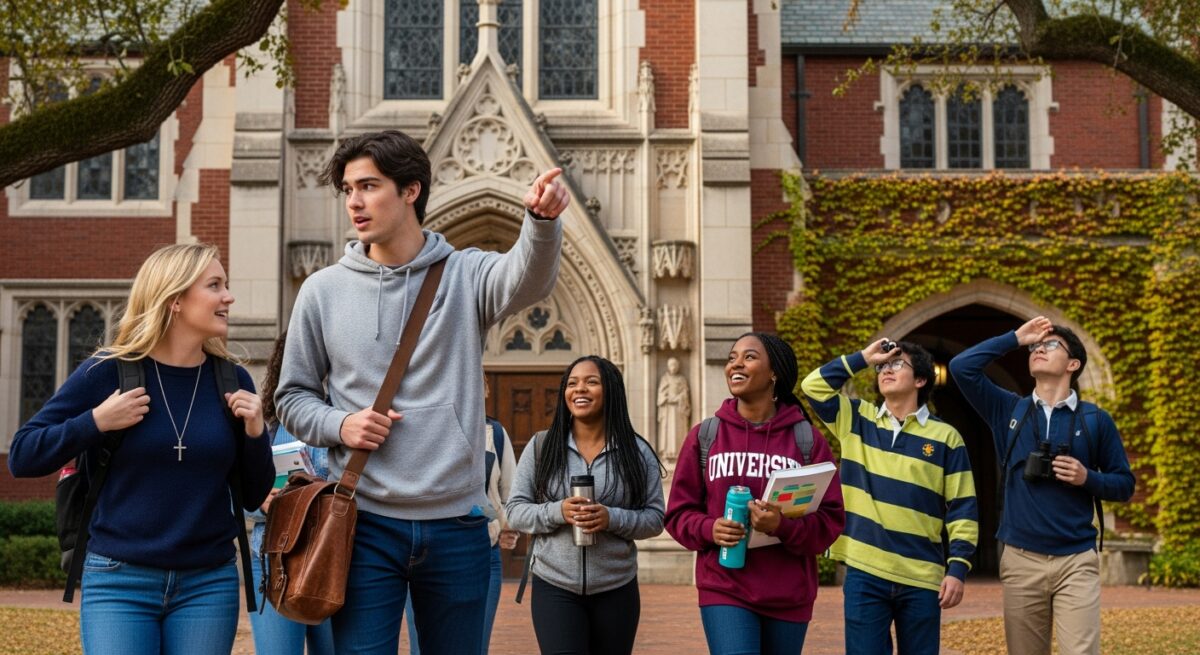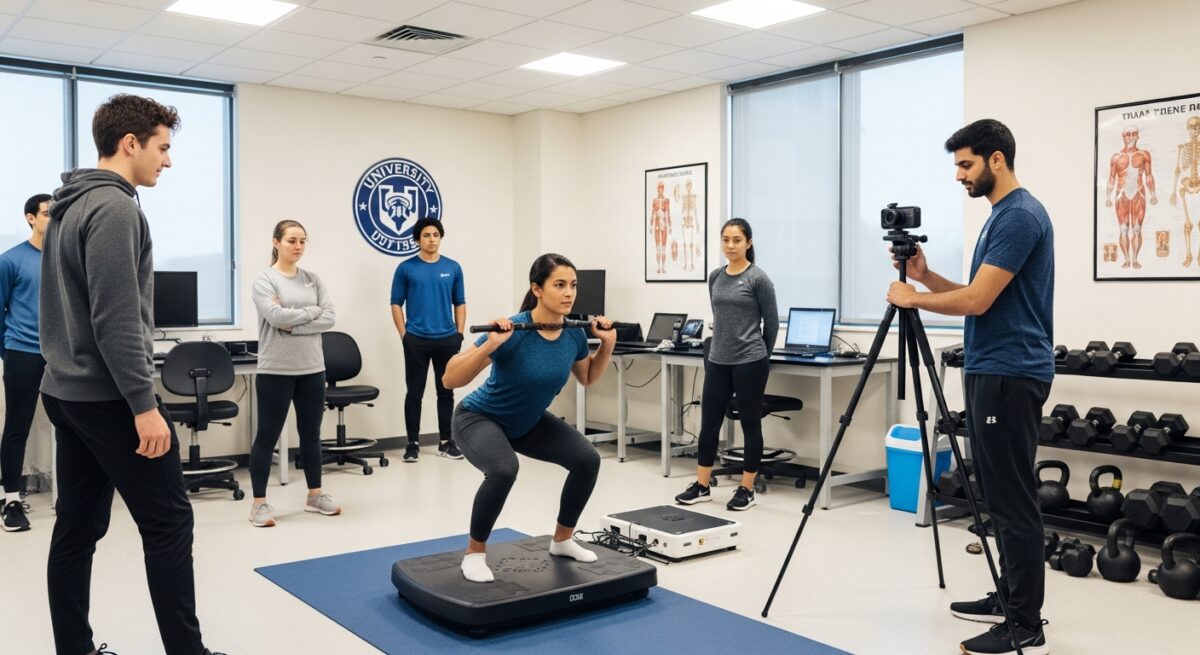
Alabama is home to a diverse range of private higher education institutions that offer small class sizes, strong alumni networks, and specialized academic programs. Students considering their options often find that private colleges provide personalized mentorship and access to resources that can shape both their career and personal growth. The landscape of leading private universities and colleges in Alabama includes faith-based institutions, historically black colleges and universities (HBCUs), and liberal arts colleges that consistently rank among the best in the Southeast.
When evaluating these schools, prospective students weigh factors such as tuition costs, graduation rates, internship opportunities, and campus culture. Private institutions in Alabama have adapted to modern educational demands by integrating technology into curricula and expanding online learning options. For those seeking a comprehensive overview of what these schools offer, this guide examines the top contenders and what sets them apart. For more details on navigating degree pathways, college degree information can help clarify your next steps.
Why Choose a Private University or College in Alabama?
Private institutions in Alabama often provide a more intimate learning environment compared to large public universities. With smaller student-to-faculty ratios, professors can offer individualized attention and mentoring. This setting fosters deeper engagement with course material and encourages students to participate actively in discussions and research projects.
Another advantage is the strong sense of community found on many private campuses. Students frequently form lasting bonds with peers and faculty, which can lead to valuable professional connections after graduation. Additionally, private colleges often have robust career services that help students secure internships and jobs through alumni networks. Many schools also offer generous financial aid packages, making them more affordable than their sticker prices suggest.
Top Private Universities and Colleges in Alabama
Samford University
Samford University, located in Birmingham, is the largest privately funded institution in Alabama. Founded in 1841, it offers over 150 majors and programs across 11 schools and colleges. Samford is known for its strong programs in law, business, pharmacy, and nursing. The campus features historic architecture alongside modern facilities, and students benefit from a tight-knit community of about 5,700 undergraduates.
The university emphasizes faith-based learning through its Christian mission, but welcomes students from all backgrounds. Samford’s career outcomes are impressive, with a high percentage of graduates employed or enrolled in graduate school within six months of graduation. The school also boasts a vibrant student life with over 160 student organizations and Division I athletics.
Birmingham-Southern College
Birmingham-Southern College (BSC) is a private liberal arts college in Birmingham that consistently ranks among the top liberal arts schools in the South. With just over 1,000 students, BSC offers an intimate educational experience where every student is known by name. The college is particularly strong in the sciences, pre-law, and pre-health tracks, and it has a standout program in accounting and finance.
BSC’s focus on undergraduate research gives students hands-on experience that prepares them for competitive graduate programs and careers. The college also has a unique partnership with the Southern Environmental Center, allowing students to engage in sustainability projects. BSC’s alumni network is active and supportive, often providing internships and job leads for recent graduates.
University of Mobile
The University of Mobile, located just north of Mobile, is a private Christian university that enrolls about 1,700 students. It offers over 50 academic programs with particular strengths in nursing, music, business, and education. The school’s Center for Performing Arts is a regional hub for cultural events, and its nursing program is highly regarded for producing competent healthcare professionals.
Students at the University of Mobile benefit from a close-knit community where faculty integrate faith into their teaching. The campus sits on a scenic 880-acre property, providing a tranquil setting for study and recreation. Internship opportunities are abundant, especially in the nearby healthcare and business sectors, and the school’s career placement rate is strong.
Tuskegee University
Tuskegee University is a historically black university (HBCU) located in Tuskegee, Alabama. Founded in 1881 by Booker T. Washington, it is one of the most prestigious HBCUs in the nation. Tuskegee is especially known for its programs in engineering, veterinary medicine, aerospace science, and business. The university has a storied history of producing leaders in science, politics, and the arts, including the Tuskegee Airmen.
With an enrollment of about 2,500 students, Tuskegee offers a supportive environment that emphasizes academic excellence and community service. The campus is home to the George Washington Carver Museum and the Tuskegee University National Center for Bioethics in Research and Health Care. Graduates of Tuskegee often go on to successful careers in STEM fields and public service, and the alumni network is exceptionally loyal and active.
Spring Hill College
Spring Hill College, located in Mobile, is the oldest Catholic college in the Southeast, founded in 1830. It is a Jesuit institution that emphasizes liberal arts education, critical thinking, and social justice. The college offers over 40 majors and minors, with popular programs in biology, business, communication, and theology. Spring Hill’s campus features beautiful Spanish Mission-style architecture and a welcoming atmosphere.
The college’s location in Mobile provides students with access to internships in healthcare, maritime industries, and non-profit organizations. Spring Hill has a strong study abroad program, with many students spending a semester in international locations. The school’s focus on holistic development prepares graduates to be ethical leaders in their communities.
Key Factors to Consider When Choosing a Private College
Selecting the right private institution requires careful evaluation of several aspects. Each school has a unique culture and set of strengths that may align differently with your goals. Here are the primary factors to weigh during your decision-making process:
- Academic programs and majors: Look for schools that offer strong programs in your intended field of study. Check faculty credentials, research opportunities, and internship placements.
- Campus culture and size: Decide whether you prefer a large university or a small college. Visit campuses if possible to gauge the atmosphere and student interactions.
- Financial aid and scholarships: Private schools often have significant endowments that fund scholarships. Compare net price after aid, not just tuition sticker price.
- Career services and alumni network: Investigate the career center’s success rate and how well alumni support current students through mentoring and job placements.
- Location and community: Consider proximity to internships, cultural activities, and support systems. Urban campuses offer different opportunities than rural settings.
Each of these factors plays a role in shaping your college experience. For example, a student interested in healthcare might prioritize a school with strong pre-med advising and hospital partnerships, while someone seeking a tight community might prefer a smaller liberal arts college. Taking the time to research these elements can lead to a more satisfying and successful college journey.
Financial Aid and Affordability at Private Alabama Colleges
Many families assume private colleges are out of reach financially, but the reality is often different. Private institutions in Alabama offer substantial institutional aid, including merit-based scholarships, need-based grants, and athletic scholarships. The average discount rate at private colleges is around 50%, meaning many students pay far less than the listed tuition.
For instance, Samford University awards millions in scholarships each year, and Birmingham-Southern College meets 100% of demonstrated financial need for admitted students. Tuskegee University offers several scholarship programs for high-achieving students, including the Presidential Scholarship. It is essential to complete the Free Application for Federal Student Aid (FAFSA) and any institutional aid forms to unlock these opportunities.
Students should also explore external scholarships from community organizations, employers, and national programs. Many private colleges have dedicated financial aid counselors who work one-on-one with families to create affordable payment plans. Comparing net price calculators on each school’s website can give you a realistic estimate of costs before you apply.
Career Outcomes and Post-Graduate Success
Graduates of leading private universities and colleges in Alabama enjoy strong career outcomes. According to recent data, Samford University reports a 94% career placement rate within six months, including employment and graduate school enrollment. Birmingham-Southern College boasts that 97% of its graduates are employed or in graduate school within one year. Tuskegee University has a strong track record of placing graduates in top graduate programs and Fortune 500 companies.
The career services offices at these institutions provide resume workshops, mock interviews, and job fairs that connect students with employers. Internships are often integrated into the curriculum, giving students real-world experience before they graduate. Alumni networks also play a critical role: many graduates cite alumni connections as key to landing their first job. For example, Spring Hill College has a dedicated alumni mentorship program that pairs students with professionals in their field of interest.
Frequently Asked Questions
What is the most affordable private university in Alabama?
While tuition varies, Birmingham-Southern College and the University of Mobile often offer competitive financial aid packages that bring net costs down. Tuskegee University also provides substantial scholarships for eligible students. It is best to use each school’s net price calculator to get an accurate estimate based on your family’s financial situation.
Are private colleges in Alabama accredited?
Yes, all the institutions mentioned in this article are accredited by the Southern Association of Colleges and Schools Commission on Colleges (SACSCOC) or other recognized accrediting bodies. Accreditation ensures that the education meets quality standards and that credits are transferable.
Can I get a full scholarship to a private college in Alabama?
Full scholarships are rare but possible for exceptional students. Samford University, for example, offers the Samford Merit Scholarship which can cover a significant portion of tuition. Tuskegee University has full-tuition scholarships for National Merit finalists. It is important to apply early and maintain high academic standards.
Do private colleges in Alabama have online degree programs?
Several private colleges in Alabama offer online or hybrid programs. Samford University has online graduate programs in business and nursing. The University of Mobile offers online degrees in education and business. However, most undergraduate programs are primarily on-campus to preserve the collaborative learning environment.
How do I apply to these schools?
Applications are typically submitted through the Common App or the school’s own application portal. Requirements usually include transcripts, test scores (SAT or ACT), letters of recommendation, and a personal essay. Some schools have rolling admissions, while others have fixed deadlines. Check each institution’s website for specific requirements.
Choosing among the leading private universities and colleges in Alabama is a significant decision that can shape your future. Each school offers distinct advantages, from strong academic programs to supportive communities and career resources. By evaluating your priorities, visiting campuses, and exploring financial aid options, you can find a private college that matches your aspirations. The investment in a private education often yields lifelong benefits, including a robust professional network and a degree that opens doors. Start your research early, and reach out to admissions offices to ask questions. Your ideal college experience awaits in Alabama’s vibrant private higher education landscape.