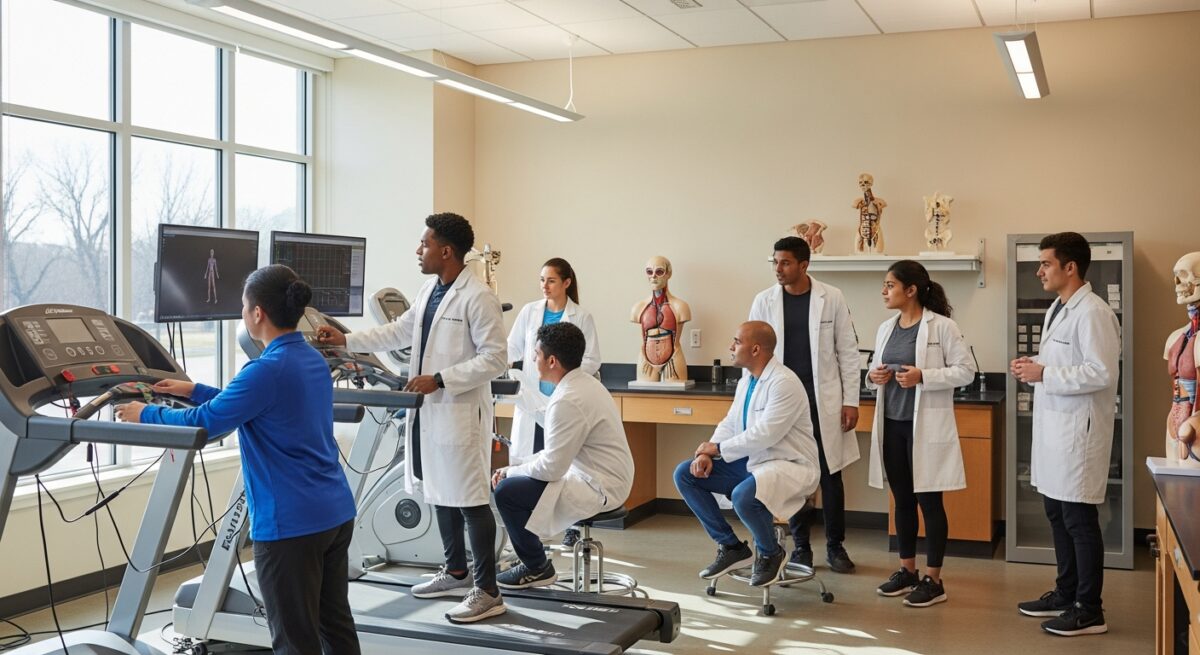
Ohio’s higher education landscape is distinguished by a robust collection of private colleges and universities that offer personalized education, strong community ties, and nationally recognized programs. Unlike large public systems, these leading private higher education institutions in Ohio often provide smaller class sizes, dedicated faculty mentorship, and a focused approach to undergraduate and graduate success. For students and families navigating college choices, understanding the unique value proposition, academic strengths, and campus cultures of these schools is a critical step in the selection process. This guide explores the pillars of excellence that define Ohio’s top private colleges, from liberal arts powerhouses to research-intensive universities, providing a framework for making an informed decision about your academic future.
Defining Excellence in Ohio’s Private Higher Education Sector
The distinction of a leading private institution in Ohio extends beyond simple rankings. It is built upon a foundation of academic rigor, student outcomes, institutional resources, and a distinctive mission that shapes the entire educational experience. These schools typically boast high graduation rates, strong alumni networks, and a demonstrated commitment to student success both during college and after graduation. They invest heavily in facilities, faculty research, and student support services, creating an environment where learning is both challenging and supportive. The value of a degree from these institutions is often reflected in graduate school acceptance rates and career placement statistics, key metrics for prospective students.
When evaluating these schools, consider several core pillars: the strength and specificity of academic programs, the ratio of students to faculty, the availability of undergraduate research opportunities, and the integration of career preparation into the curriculum. Many leading private colleges in Ohio also emphasize a holistic education, fostering critical thinking, ethical reasoning, and civic engagement alongside major-specific knowledge. This approach prepares graduates not just for a first job, but for a lifetime of adaptability and leadership in a changing world. For a broader perspective on how private institutions shape regional education, our analysis of leading private colleges and universities in West Virginia highlights similar trends in mission-driven education.
Profiles of Prominent Private Institutions Across Ohio
Ohio is home to a diverse array of private institutions, each with its own history, character, and areas of preeminence. From nationally ranked research universities to highly selective liberal arts colleges, the options cater to a wide range of academic interests and campus preferences.
Research Universities and Comprehensive Institutions
This category includes private universities that offer a wide spectrum of undergraduate, graduate, and professional programs, often with significant research activity. Case Western Reserve University in Cleveland stands out as a premier national research university, renowned for its programs in engineering, medicine, nursing, and management. Its integration with the city’s cultural and medical institutions provides unparalleled opportunities for students. The University of Dayton, a Catholic Marianist institution, is recognized for its engineering, business, and education schools, as well as its strong sense of community and commitment to practical wisdom. John Carroll University, also in the Jesuit tradition, offers a strong liberal arts core complemented by respected business and science programs near Cleveland.
National Liberal Arts Colleges
These institutions focus primarily on undergraduate education within the arts and sciences, promoting deep intellectual engagement. Kenyon College in Gambier is consistently ranked among the top national liberal arts colleges, famous for its writing program, literary tradition, and picturesque campus. Oberlin College combines a top-tier liberal arts college with a world-renowned conservatory of music, offering a unique environment for interdisciplinary study and artistic expression. The College of Wooster is nationally known for its Independent Study program, a capstone project where every senior works one-on-one with a faculty mentor to produce original research or creative work, a powerful preparation for graduate school and professional life.
Specialized and Faith-Based Institutions
Many leading private schools in Ohio have a religious affiliation or a specialized focus that informs their community and curriculum. Ohio Northern University, affiliated with the United Methodist Church, is noted for its strong programs in pharmacy, engineering, and business. Xavier University, a Jesuit Catholic university in Cincinnati, excels in business, health sciences, and education, emphasizing service and ethical leadership. Capital University in Columbus, affiliated with the Evangelical Lutheran Church in America, offers respected programs in nursing, music, and law. These schools often provide a values-based education that resonates with students seeking a purposeful campus environment.
The Tangible Benefits of Attending a Leading Private College
Choosing a top-tier private institution in Ohio comes with a set of distinct advantages that can significantly impact a student’s academic and professional trajectory. The most frequently cited benefit is personalized attention. With lower student-to-faculty ratios than large public universities, students are more likely to have direct access to professors, smaller discussion-based classes, and meaningful mentorship. This environment fosters close-knit academic communities where students are known by name, not just by student ID number.
Beyond the classroom, these benefits manifest in several key areas:
- Undergraduate Research Access: Opportunities to assist professors with cutting-edge research are abundant, even for underclassmen, building crucial skills and strengthening graduate school applications.
- Alumni Network Strength: Private colleges often cultivate powerful, loyal alumni networks that actively assist graduates with internships, job placements, and career mentoring.
- Career Services Integration: Dedicated career centers often provide highly individualized support, from resume workshops to on-campus recruiting with top employers, leveraging strong institutional relationships.
- Facility and Resource Quality: Significant endowment funds and tuition revenue are often reinvested in state-of-the-art laboratories, libraries, performance spaces, and student centers.
- Global and Experiential Learning: High participation rates in study abroad programs, internships, and service-learning projects are common, supported by institutional grants and scholarships.
These elements combine to create an educational experience focused on depth, engagement, and successful outcomes. It is important for any student to seek clear college degree information when comparing how different institutions structure these opportunities and support their students from enrollment to graduation.
Navigating Admissions and Financial Considerations
Admission to these selective institutions is competitive, requiring a strategic and holistic approach. Admissions committees look for strong academic records, including rigorous high school coursework and competitive GPAs, but they also weigh standardized test scores (where required or recommended), extracurricular involvement, leadership experience, and personal essays heavily. Demonstrating a genuine fit with the institution’s specific mission and community can be a differentiator. Visiting campus, interviewing with an admissions representative, or connecting with a faculty member in your intended major can provide valuable insight and demonstrate interest.
The financial investment for a private education is substantial, but it is crucial to look beyond the published tuition price. Most leading private colleges in Ohio possess substantial financial endowments dedicated to student aid. They offer generous need-based financial aid packages and merit-based scholarships that can dramatically reduce the net cost. The key is to engage early with each school’s financial aid office, complete the FAFSA and any required institutional forms (like the CSS Profile) accurately and on time, and actively seek out scholarship opportunities. For many families, the net price after grants and scholarships can make a private college comparable in cost to an out-of-state public university, or even an in-state option, while providing the distinct benefits of a private education.
Frequently Asked Questions
Are private colleges in Ohio more expensive than public universities?
The sticker price is almost always higher. However, private institutions typically have more institutional grant money to award. After factoring in need-based aid and merit scholarships, the final net price can be competitive with, and sometimes lower than, that of a public university, especially for high-achieving students or those with significant financial need.
What is the difference between a liberal arts college and a university?
Liberal arts colleges focus primarily on undergraduate education across the humanities, social sciences, and natural sciences, emphasizing broad critical thinking skills. Universities include undergraduate colleges but also have graduate and professional schools (e.g., business, law, engineering) and are often more research-oriented. Some students thrive in the intimate, focused setting of a college, while others prefer the vast resources and diversity of a university.
How important is a school’s religious affiliation?
This depends entirely on the student. Some faith-based institutions require theology courses or chapel attendance, while others simply maintain a general ethos based on their founding principles. Many students choose these schools for their strong sense of community and values-based education, even if they do not share the specific faith tradition. It’s essential to research the role of the affiliation in campus life and academics.
Do graduates of Ohio’s private colleges get good jobs?
Outcomes are generally strong. These institutions often have high career placement rates within six months of graduation, supported by robust career services and active alumni networks. Many also have high rates of students accepted into graduate and professional programs. Prospective students should research specific career outcome data for their intended major at each school.
Is it harder to get into a private college?
The leading private higher education institutions in Ohio are typically selective, with acceptance rates lower than many public regional campuses. However, selectivity varies widely. A research university like Case Western Reserve is highly selective, while other excellent private institutions may have more accessible admissions profiles. A balanced college list should include reach, match, and safety schools.
Selecting the right college is a pivotal decision that blends practical considerations with personal aspiration. Ohio’s leading private higher education institutions offer a compelling array of choices, each capable of providing a transformative educational foundation. By thoroughly researching academic alignment, campus culture, financial realities, and post-graduate outcomes, students can identify the environment where they will not only succeed academically but also grow as individuals and professionals. The investment of time in this exploration pays lifelong dividends, leading to a college experience that is both challenging and deeply rewarding.