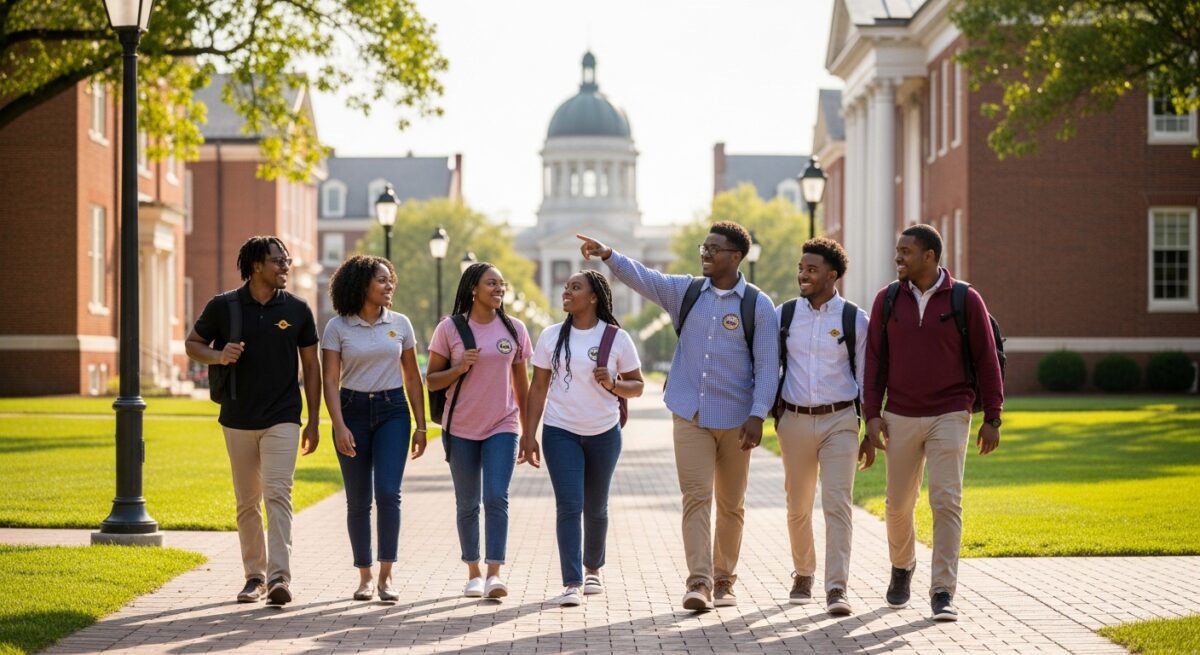
Choosing a university is one of the most significant decisions a student can make, but for those looking beyond their home country, the stakes are even higher. The world’s best international universities offer more than just a prestigious degree, they provide a transformative experience that shapes global citizens. These institutions are microcosms of the world, bringing together diverse perspectives, cutting-edge research, and unparalleled networks. For global students, selecting the right university involves navigating complex factors like academic reputation, cultural integration, career outcomes, and financial considerations. This guide explores the leading institutions that consistently rank at the top of global university rankings for their ability to welcome, support, and propel international students toward success on a worldwide stage.
Defining Excellence for Global Students
What truly makes a university ‘the best’ for an international student? The answer extends far beyond a simple list of names. Excellence in this context is a multifaceted concept that prioritizes the student’s holistic experience and long-term prospects. A top-tier global university creates an ecosystem where students from abroad can thrive academically, socially, and professionally. This means having robust support systems specifically designed for non-native students, from visa assistance and language support to cultural orientation and dedicated international student advisors. The academic environment must be both rigorous and inclusive, encouraging diverse viewpoints in classroom discussions and research projects.
Furthermore, the physical and social campus life plays a critical role. Campuses that foster integration rather than isolation help international students build meaningful connections. This includes everything from international student associations and buddy programs to inclusive housing and dining options. Finally, the ultimate test of a university’s value for a global student is its ability to open doors. The best institutions have strong career services with global reach, alumni networks that span continents, and a reputation that carries weight with employers worldwide. These factors combined create a powerful launchpad for a global career.
Leading Institutions by Region and Focus
The landscape of top world universities is diverse, with strengths distributed across different continents and specializations. While comprehensive global universities ranking lists often highlight Anglo-American institutions, true excellence exists worldwide. The following overview breaks down standout universities by key regions, acknowledging that the ‘best’ choice is deeply personal and depends on a student’s academic goals, career aspirations, and personal preferences.
North America: Powerhouses of Research and Innovation
Universities in the United States and Canada have long been magnets for global talent. Institutions like the Massachusetts Institute of Technology (MIT), Stanford University, and Harvard University are synonymous with groundbreaking research and entrepreneurial spirit. They offer vast resources, unparalleled faculty, and a strong focus on interdisciplinary study. For international students, these schools provide extensive networks and often lead in fields like technology, business, and the sciences. Canadian universities, such as the University of Toronto and the University of British Columbia, offer similarly high-quality education with often more manageable tuition costs for international students and policies that are very supportive of post-graduation work opportunities and immigration pathways.
Europe: Diversity and Deep-Rooted Academic Tradition
Europe presents a rich tapestry of excellent options, many with lower or no tuition fees even for international students (particularly in countries like Germany and Norway). The United Kingdom is home to historic universities like Oxford and Cambridge, as well as world-class London institutions such as Imperial College London and the London School of Economics. These schools offer intensive, specialized degrees with a global reputation. Meanwhile, continental Europe boasts technical powerhouses like ETH Zurich (Switzerland) and Delft University of Technology (Netherlands), and broad research universities like the University of Copenhagen (Denmark) and Sorbonne University (France). The European experience often includes greater opportunities for travel, exposure to multiple languages, and degree programs integrated with industry placements across the continent.
Asia-Pacific: Rising Stars and Specialized Leaders
The Asia-Pacific region has seen a dramatic rise in the global standing of its universities. Institutions like the National University of Singapore (NUS) and Nanyang Technological University (NTU) in Singapore consistently rank among the world’s best, known for their strong engineering, business, and science programs. China’s Tsinghua University and Peking University in Beijing are leaders in research output and technological innovation. Japan’s University of Tokyo and Australia’s Group of Eight (including the University of Melbourne and Australian National University) offer robust English-taught programs and are gateways to dynamic regional economies. For students interested in the economic and technological epicenters of the future, these universities provide critical regional insight and networks.
Key Factors in Your Decision Framework
Selecting from among the best international universities requires a structured approach. It is not enough to simply choose the highest-ranked school, you must find the best fit for your unique profile and ambitions. Start by aligning the university’s academic strengths with your intended field of study. Examine specific department rankings, faculty research interests, and available specializations. For instance, a university might rank highly overall but have a mediocre program in your specific subject. Delve into curriculum details, course offerings, and opportunities for undergraduate research or practical projects.
Financial planning is non-negotiable. Create a detailed budget that includes tuition, mandatory fees, housing, food, health insurance, books, and personal expenses. Investigate all possible funding sources: does the university offer scholarships or financial aid specifically for international students? Are there external scholarships from your home country, private foundations, or international organizations? Understanding the total cost and your funding options is a critical step that must be completed early. For comprehensive guidance on navigating degree options and their associated pathways, exploring trusted academic degree resources can provide valuable clarity and planning tools.
Beyond academics and finances, consider the living experience. Research the local culture, climate, language, and safety. Does the university have a vibrant and supportive international student community? What services does their international office provide, from arrival pickup to ongoing counseling? Finally, investigate career outcomes. Look at employment statistics for international graduates, the strength of the career services center, and the university’s connections to industries and companies in the region you wish to work in after graduation. A degree is an investment, and the return on that investment is a key measure of success.
Navigating Admissions and Cultural Transition
The application process for top global universities is highly competitive and requires meticulous preparation. Start early, often 12-18 months before your intended start date. Standardized tests (like the SAT, ACT, GRE, GMAT, or language proficiency tests such as TOEFL/IELTS) are a common requirement, so allow ample time for preparation and potential retakes. Your application essays and personal statements are particularly crucial, they must articulate not only your academic achievements but also your unique perspective as an international applicant and how you will contribute to the campus community. Strong letters of recommendation from teachers or mentors who can speak to your ability to succeed in a challenging, cross-cultural environment are essential.
Once admitted, the real work of transition begins. Successful cultural integration is a proactive process. Before departure, learn about your host country’s social norms, history, and current events. Upon arrival, actively engage with orientation programs. Join student clubs, both international and domestic. Make a concerted effort to step outside your comfort zone and build friendships with local students and students from other countries. This network will be your support system and will greatly enrich your experience. Remember, experiencing culture shock is normal, it’s a sign of adaptation. Utilize your university’s counseling and support services if you feel overwhelmed. The goal is not to lose your own cultural identity, but to develop the adaptability and intercultural competence that are hallmarks of a global graduate.
Frequently Asked Questions
How do I know if a university is truly ‘international’ in its student body and outlook?
Look beyond the marketing brochures. Check the official university statistics for the percentage of international students and faculty. Explore the course catalog for modules focused on global issues or cross-cultural studies. See if the university has active partnerships for student exchange with institutions around the world. A truly international campus will have this diversity reflected in classroom discussions, student organizations, and campus events.
Are online or hybrid degrees from top international universities respected?
The respect for online and hybrid credentials from reputable institutions has grown significantly, especially when the degree is identical to the on-campus version. Many top universities now offer sophisticated digital learning platforms. The key is accreditation and rigor. For a detailed exploration of this evolving landscape, consider reading about what programs international universities offer online to understand the quality and scope available.
What is the biggest mistake international students make when choosing a university?
The most common mistake is choosing a university based solely on its overall prestige or ranking without considering the fit for their specific academic program, career goals, and personal well-being. A slightly lower-ranked university where you can excel, access professors, and feel at home will often yield better long-term outcomes than a top-five school where you struggle in isolation.
How important is university ranking for future employment?
Rankings can serve as a general indicator of reputation, which some employers value. However, for most careers, your specific skills, experiences, internships, and personal network matter far more. A graduate with a strong portfolio and relevant experience from a well-regarded university will outperform a graduate with only a big-name degree and nothing else. Focus on the opportunities the program provides for practical experience.
The journey to find the best international university is a profound exercise in self-discovery and strategic planning. It requires balancing tangible metrics like global universities ranking with intangible qualities like campus culture and personal fit. The ideal institution is one that challenges you academically, supports you personally, and connects you to a future without borders. By thoroughly researching your options, planning meticulously, and embracing the adventure, you can select a university that does more than confer a degree, it transforms your worldview and equips you to make a meaningful impact on a global scale. Your education is the foundation for your future, choose the foundation that will support the life you aspire to lead.