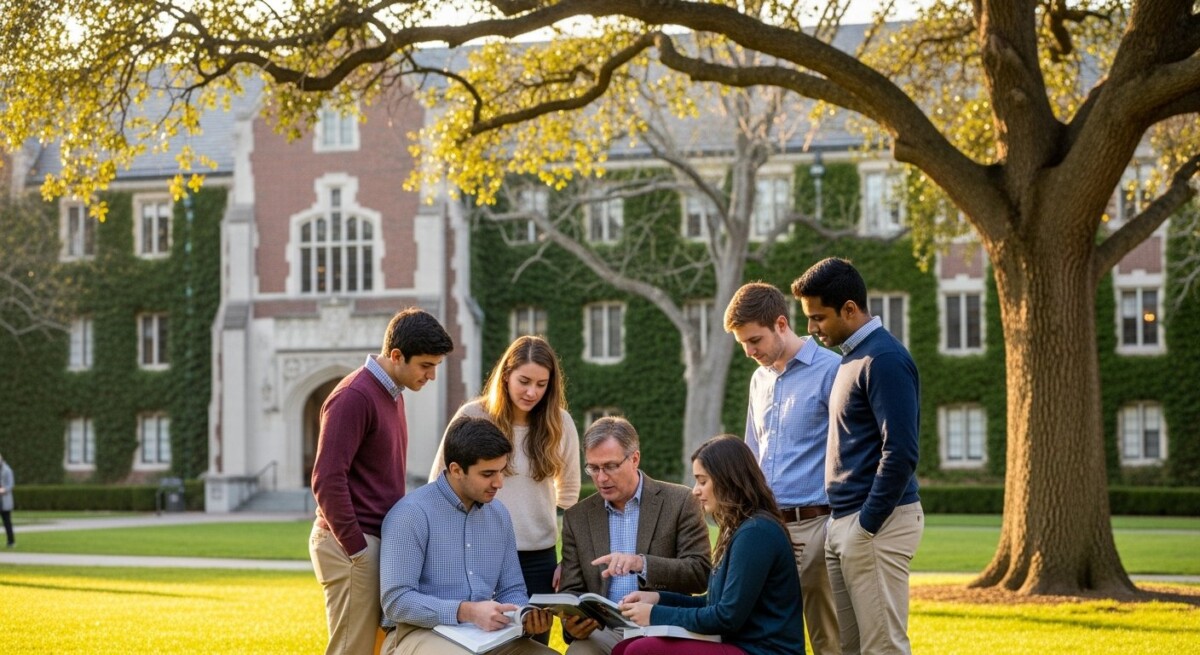
For students and families seeking an undergraduate experience defined by academic rigor, personalized attention, and exceptional outcomes, Georgia’s landscape of private colleges offers a compelling array of choices. Unlike the sprawling campuses of large public universities, these institutions provide a premier private college education available in Georgia characterized by low student-to-faculty ratios, close-knit communities, and a focused dedication to undergraduate teaching. This educational model prioritizes depth over breadth, fostering mentorship relationships with professors, facilitating hands-on research opportunities for undergraduates, and cultivating a strong sense of campus identity. The decision to invest in a private college education is significant, and understanding the unique value proposition, distinct cultures, and specific strengths of Georgia’s top private institutions is the essential first step toward finding the ideal academic home.
The Defining Hallmarks of a Premier Private Education
What exactly sets apart a premier private college education in Georgia from other options? The distinction lies in a combination of factors that create a transformative and highly supportive learning environment. First and foremost is the emphasis on teaching excellence. Faculty at these institutions are hired and rewarded primarily for their dedication to instructing undergraduates, not just for publishing research. This results in smaller class sizes where seminar-style discussions are the norm, and professors are accessible outside of class hours. This environment encourages intellectual risk-taking and deep engagement with course material.
Another hallmark is the cultivation of a cohesive campus community. With smaller student bodies, private colleges often foster a strong sense of belonging and school spirit. Students are not just numbers; they are known by name by faculty, staff, and peers. This network extends beyond graduation, as alumni networks from prestigious private colleges are often tightly connected and actively engaged in mentoring and hiring graduates. Furthermore, these colleges typically offer robust support systems, including comprehensive academic advising, career counseling, and wellness resources, all designed to support the whole student. The goal is not merely to confer a degree, but to develop critical thinkers, ethical leaders, and well-rounded individuals prepared for complex careers and meaningful lives.
Georgia’s Leading Private Liberal Arts Colleges
Georgia is home to several nationally recognized private liberal arts colleges that form the cornerstone of its elite educational offering. These schools provide a broad-based education in the humanities, sciences, and social sciences, emphasizing critical writing, analytical reasoning, and interdisciplinary learning. A liberal arts degree is not a narrow path, but rather a foundational one that prepares graduates for adaptability in a rapidly changing job market. Employers consistently value the communication skills, problem-solving abilities, and ethical framework developed in such programs.
Agnes Scott College, a distinguished women’s college in Decatur, is renowned for its SUMMIT curriculum, which fully integrates global learning and leadership development into every student’s experience. This innovative approach ensures that every graduate, regardless of major, gains a passport and study abroad experience, alongside dedicated mentorship. Similarly, Berry College in Rome offers a unique work-experience program alongside its liberal arts foundation, set on the world’s largest contiguous campus. This combination of rigorous academics and practical application is a defining feature. Meanwhile, institutions like Oglethorpe University in Atlanta provide a classic liberal arts education with a strong focus on civic engagement and close proximity to the professional opportunities of a major metropolitan hub. Each of these colleges shares a commitment to the liberal arts model while offering distinct programs, cultures, and locations that appeal to different student interests.
Specialized and Faith-Based Institutions
Beyond the classic liberal arts model, Georgia’s private sector includes highly specialized and faith-based institutions that provide a premier education within a particular context. For students with clear professional aspirations in fields like art, design, or music, schools such as the Savannah College of Art and Design (SCAD) offer a world-class, immersive environment. SCAD’s resources, industry-connected faculty, and career-focused approach are unparalleled, making it a global destination for creative disciplines. Understanding the structure and purpose of different degree types is crucial for making an informed choice. For a deeper exploration of academic credentials, our guide on how college degrees actually work provides valuable context.
Faith-based institutions constitute another significant segment. Schools like Emory University (historically affiliated with the United Methodist Church), Mercer University (affiliated with the Georgia Baptist Convention), and Wesleyan College (the first college in the world chartered to grant degrees to women, with Methodist ties) integrate spiritual and ethical exploration with academic excellence. These colleges often frame the pursuit of knowledge within a values-based context, fostering communities dedicated to service and moral leadership. The environment is typically inclusive, welcoming students of all faiths and backgrounds while maintaining a distinct institutional character. The choice of a faith-based college is often about aligning one’s educational journey with a broader set of personal values and finding a community that supports that holistic development.
The Admissions and Financial Landscape
Gaining admission to a premier private college in Georgia is a competitive process that looks beyond standardized test scores and GPA. These institutions practice holistic review, meaning they evaluate the whole applicant: academic record, rigor of coursework, essays, letters of recommendation, extracurricular involvement, and personal character. The essay is a particularly critical component, as it allows the admissions committee to hear the student’s voice and understand their motivations, perspectives, and potential contributions to the campus community. Demonstrating intellectual curiosity, leadership, and a genuine fit with the college’s mission is paramount.
The financial investment required for a private college education is substantial, but it is crucial to understand that the published “sticker price” is rarely what most families pay. Georgia’s top private colleges possess significant financial endowments dedicated to need-based and merit-based aid. The key steps for navigating this landscape are as follows:
- Complete the FAFSA and CSS Profile: These forms are required by most private colleges to determine your family’s financial need and eligibility for grants, loans, and work-study.
- Research Institutional Aid: Each college has its own scholarships and grants. Investigate these opportunities thoroughly on college websites.
- Apply for Merit Scholarships: Many schools offer substantial scholarships based on academic, artistic, or leadership merit, regardless of financial need.
- Consider the Net Price: Use each college’s net price calculator to get a more accurate estimate of your actual cost after aid.
- Engage in Conversations: Do not hesitate to contact the financial aid office if your circumstances change or if you have questions about your award package.
It is also vital for students to explore all avenues for funding their education. For clear, school-based guidance on academic pathways, a valuable resource for college degree information can help demystify the process. With a strategic approach, a premier private education can be more accessible than the initial price tag suggests.
Outcomes and Return on Investment
Evaluating the long-term value of a premier private college education involves looking at tangible outcomes. Graduation rates at Georgia’s top private colleges are consistently high, often exceeding national averages. This is a direct result of the supportive academic environment and the financial resources that help students persist to degree completion. Furthermore, career outcomes are a major strength. The dedicated career services offices at these institutions provide personalized coaching, internship placement support, and direct connections to employers. Internships in Atlanta, Savannah, or through national networks are common and often lead to full-time job offers.
The alumni network is perhaps one of the most significant, yet intangible, returns on investment. Graduates of these colleges enter into a community of professionals who are often eager to help fellow alumni. This network can be instrumental in opening doors for internships, first jobs, and career advancement for decades. When considering return on investment, families should look beyond starting salary alone and consider the lifelong value of this professional network, the leadership skills developed, and the personal growth fostered in a challenging yet supportive environment. The degree is the credential, but the network and the cultivated abilities are the enduring assets.
Frequently Asked Questions
Is a private college in Georgia worth the higher cost compared to a public university?
The value depends on individual priorities. If small class sizes, professor mentorship, a specific specialized program, a tight-knit community, and robust alumni networks are high priorities, the investment can yield significant returns in terms of personal attention, graduation likelihood, and career launch support. Financial aid often narrows the cost gap considerably.
Do I need to be religious to attend a faith-based private college in Georgia?
No. While these institutions have a religious heritage and may offer theology courses or chapel services, they welcome students of all faiths and backgrounds. The focus is often on ethical development and community service within a values-based framework, rather than on religious adherence.
How can I improve my chances of admission to a top-tier private college in Georgia?
Excel in a challenging high school curriculum, develop a compelling narrative through your essays and activities, secure strong letters of recommendation from teachers who know you well, and demonstrate genuine interest in the specific college. Show how you will contribute to their community.
Are there strong private college options outside of the Atlanta area?
Absolutely. Institutions like Berry College in Rome, Wesleyan College in Macon, and Young Harris College in the North Georgia mountains offer exceptional premier private educations in different geographic and community settings, each with its own unique character and advantages.
What is the social life like at a small private college?
Social life is often built around campus organizations, intramural sports, Greek life (where present), and campus-sponsored events. The community feel is stronger, but students also often engage with the surrounding town or city. It is more intimate than at a large state school, which can be a major benefit for many students.
Choosing the right college is one of the most consequential decisions a young person can make. The premier private colleges in Georgia offer pathways defined by intensity, community, and opportunity. By carefully considering academic philosophy, campus culture, financial realities, and long-term goals, students can identify the institution where they will not only be educated but truly transformed, equipped with the knowledge, skills, and connections to thrive in their future endeavors.