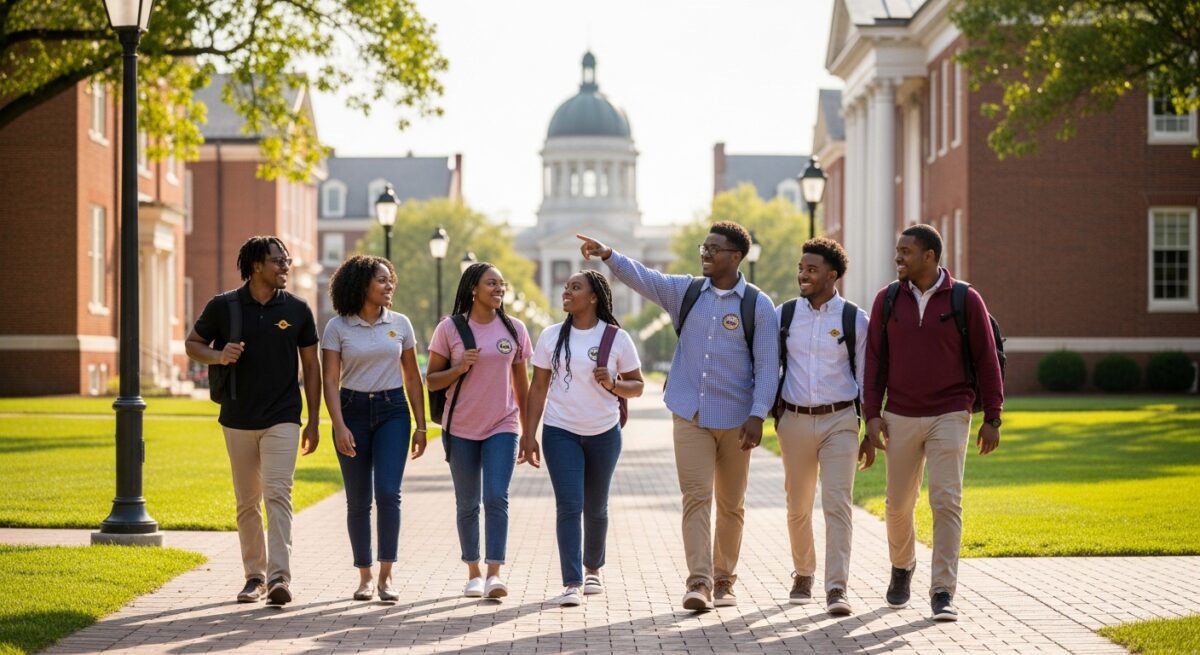
Maryland offers a remarkable concentration of private colleges and universities that consistently rank among the nation’s finest. For students seeking small class sizes, personalized mentorship, and rigorous academic programs, the premier private institutions for learning in Maryland provide compelling options that often surpass large public universities in key areas like graduation rates, career placement, and alumni network strength. Whether you are a high school student beginning your college search, a parent evaluating return on investment, or a career changer seeking a fresh start, understanding what these schools offer can transform your educational journey.
Private institutions in Maryland are distinguished by their specialized curricula, strong faculty-to-student ratios, and deep connections to industries in the Baltimore-Washington corridor. These schools combine academic excellence with real-world opportunities, from internships at federal agencies to research partnerships with world-class hospitals. The decision to attend one of these institutions is an investment in both personal growth and professional advancement, and the data supports their value: graduates from Maryland’s top private colleges report higher median earnings and lower debt burdens compared to national averages.
What Defines a Premier Private Institution in Maryland
A premier private institution is not simply a school with a high tuition price. It is defined by measurable outcomes, academic rigor, and the quality of its learning environment. In Maryland, these schools share several key characteristics: selective admissions that attract motivated students, dedicated faculty who prioritize teaching over research alone, and comprehensive support services that guide students from enrollment through graduation and into successful careers.
These institutions also benefit from Maryland’s unique geographic position. Located near Washington, D.C., Baltimore, and Annapolis, students have access to federal government agencies, nonprofit organizations, Fortune 500 companies, and cultural institutions. Many programs incorporate internships, co-ops, or service-learning components that allow students to apply classroom knowledge in real settings. This blend of academic excellence and practical experience is a hallmark of the premier private institutions for learning in Maryland.
Academic Programs and Areas of Distinction
Each premier private institution in Maryland has carved out areas of academic strength. Some are known for their liberal arts foundations, emphasizing critical thinking and communication skills across disciplines. Others excel in STEM fields, health sciences, business, or the arts. When evaluating these schools, it is important to look beyond overall rankings and examine specific programs that align with your career goals.
For example, several Maryland private colleges maintain strong partnerships with nearby research hospitals and medical centers, offering pre-med and nursing students clinical experiences that are difficult to replicate elsewhere. Business programs often leverage connections to federal contracting firms and financial institutions in the region. Engineering and computer science departments collaborate with government labs and tech companies. These targeted strengths make the premier private institutions for learning in Maryland particularly valuable for students who know what they want to study.
Selecting the Right Private Institution for Your Goals
Choosing among Maryland’s private colleges requires careful consideration of your academic interests, learning style, career aspirations, and financial situation. Start by identifying what matters most to you: is it a tight-knit campus community, access to cutting-edge research facilities, a strong alumni network in your intended field, or generous financial aid packages? The answer will guide your search.
Visiting campuses, talking to current students and faculty, and reviewing outcomes data are essential steps. Many schools publish detailed career placement statistics, median starting salaries, and graduate school acceptance rates. Use these numbers to compare institutions objectively. Additionally, consider the following factors when evaluating the premier private institutions for learning in Maryland:
- Student-to-faculty ratio: Lower ratios typically mean more personalized attention and mentoring opportunities.
- Four-year graduation rate: This metric indicates how well the school supports timely degree completion.
- Internship and research programs: Schools with embedded experiential learning components often produce more career-ready graduates.
- Financial aid and net price: Look beyond the sticker price to understand the true cost after scholarships and grants.
- Alumni network strength: A well-connected alumni base can open doors for internships and job placements.
Each of these elements contributes to the overall value proposition of a private education. A school with a high graduation rate and strong career outcomes may justify a higher upfront cost because it reduces the risk of dropping out or struggling to find employment after graduation.
Financial Considerations and Return on Investment
The cost of attending a private college in Maryland can be significant, but many families are surprised to learn that generous financial aid packages often make these schools more affordable than public universities. Need-based grants, merit scholarships, and work-study opportunities are common. The key is to complete the Free Application for Federal Student Aid (FAFSA) and any institutional aid applications early to maximize eligibility.
When calculating return on investment, consider long-term earnings potential and career advancement opportunities. Graduates from premier private institutions for learning in Maryland often benefit from strong brand recognition and alumni networks that facilitate job placement. Many schools offer career counseling services that begin freshman year and continue after graduation. For readers seeking clear information about college degree information and financial planning strategies, exploring these resources can help you make a well-informed decision that aligns with your budget and career goals.
It is also wise to research average debt levels for graduates at each institution. Some schools have robust need-based aid programs that limit loans, while others may rely more heavily on borrowing. Comparing net price calculators on each school’s website can give you a personalized estimate before you apply.
Frequently Asked Questions
How do Maryland private colleges compare to public universities?
Private colleges typically offer smaller class sizes, more faculty interaction, and higher graduation rates. Public universities often have lower sticker prices but may have larger classes and less personalized support. The best choice depends on your learning preferences and career goals.
Are there scholarships available for out-of-state students?
Yes, many private institutions in Maryland offer merit-based and need-based scholarships to out-of-state students. Some schools also have regional tuition agreements or special programs for students from neighboring states.
What is the average class size at these institutions?
Class sizes vary by school and program, but most premier private institutions in Maryland maintain average class sizes between 15 and 20 students, allowing for meaningful discussion and individualized attention.
Do these schools offer online or hybrid degree programs?
Several Maryland private colleges now offer online, hybrid, or accelerated degree programs designed for working adults and distance learners. These programs maintain the same academic standards as on-campus offerings.
For a detailed comparison of how Maryland’s private institutions stack up against other elite schools across the region, you can review our analysis of premier private colleges in Georgia for additional perspective on regional differences in private education.
How can I verify accreditation for a private college?
Always check that the institution is accredited by a recognized accrediting body such as the Middle States Commission on Higher Education. Accreditation ensures that the school meets quality standards and that credits are transferable.
Making Your Final Decision
Selecting a college is one of the most consequential decisions a student can make. The premier private institutions for learning in Maryland offer environments where academic ambition meets tangible support. By focusing on outcomes, financial fit, and personal alignment, you can find a school that not only educates but also launches your career and expands your horizons.
Take advantage of campus visits, virtual information sessions, and conversations with admissions counselors. Ask detailed questions about retention rates, career services, and alumni outcomes. The more information you gather, the more confident you will feel in your choice. Remember that the goal is not simply to gain admission to a prestigious school, but to find an institution where you will thrive academically, socially, and professionally.