For many aspiring students, the dream of a college degree is often overshadowed by the daunting reality of tuition costs and the logistical impossibility of attending a traditional campus. Yet, the landscape of higher education has fundamentally shifted. Today, a high-quality, accredited degree is more accessible than ever, thanks to the proliferation of low-cost online degrees. These programs dismantle the traditional barriers of geography, rigid scheduling, and exorbitant expense, offering a viable path to career advancement and personal growth. This comprehensive guide will navigate the evolving world of affordable digital education, showing you how to identify legitimate programs, maximize your investment, and achieve your academic goals without incurring crippling debt.
Understanding the True Cost of an Online Education
When evaluating low-cost online degrees, it is crucial to look beyond the advertised per-credit tuition rate. The true cost encompasses several components, and understanding each is the first step toward making a financially sound decision. Tuition is, of course, the primary expense, but fees can quickly add up. Technology fees, graduation fees, and course-specific lab fees are common. Furthermore, you must account for the cost of textbooks and required software, which some inclusive programs bundle into their tuition, a model known as all-inclusive pricing.
Perhaps the most significant financial consideration is the distinction between for-profit and non-profit institutions. Historically, many for-profit colleges have charged premium tuition while delivering questionable outcomes. In contrast, accredited public universities and non-profit private colleges are now major players in the online space. They often extend their in-state or reduced tuition rates to online students regardless of residency, creating substantial savings. The key is to conduct a total cost comparison: multiply the per-credit cost by the total credits required for the degree, then add all mandatory fees and estimate material costs. This final number is your baseline for comparison.
Identifying Accredited and Reputable Programs
The lowest-priced degree is worthless if it lacks proper accreditation. Accreditation is a non-negotiable quality assurance mechanism. It signifies that an institution meets rigorous standards set by an independent agency recognized by the U.S. Department of Education or the Council for Higher Education Accreditation. Degrees from unaccredited institutions may not be accepted by employers, other universities for transfer credits, or professional licensing boards.
Focus on regional accreditation, which is the gold standard for academic institutions. Some professions also require programmatic accreditation (for example, in nursing, business, or engineering). To verify accreditation, visit the database of the Council for Higher Education Accreditation (CHEA) or the U.S. Department of Education’s website. A reputable, low-cost online degree program will transparently display its accreditation status. This validation is your primary shield against diploma mills and ensures your investment has lasting value in the job market.
Key Strategies for Minimizing Your Educational Expenses
Pursuing a low-cost online degree is not just about selecting an affordable program, it is about strategically leveraging all available resources to reduce your out-of-pocket costs. A proactive approach can lead to savings of thousands of dollars.
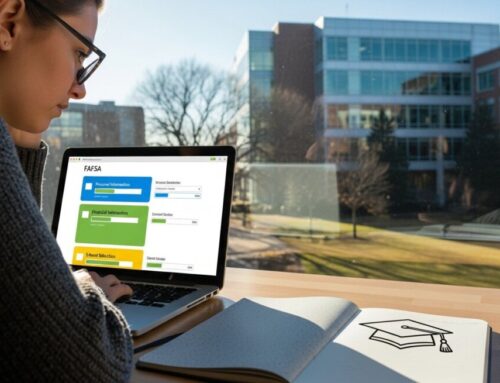
First, exhaust all avenues for financial aid. Complete the Free Application for Federal Student Aid (FAFSA) every year. This form determines your eligibility for federal grants, which do not need to be repaid, and low-interest federal student loans. Many states and colleges also use the FAFSA data to award their own aid. Secondly, aggressively seek scholarships. These are available from the university itself, private foundations, community organizations, and corporations. Dedicate time to searching and applying, as even small scholarships add up.
Third, explore credit for prior learning. Many universities grant college credit for knowledge gained outside the classroom. This can be achieved through:
- Standardized Exams: CLEP (College Level Examination Program) and DSST (DANTES Subject Standardized Tests) allow you to test out of introductory courses.
- Professional Training: Military service, corporate training, and professional certifications may be evaluated for credit.
- Portfolio Assessment: Some schools let you compile a portfolio of work experience for faculty review.
Finally, if you have existing college credits, ensure they transfer. An affordable online program with a generous transfer policy can significantly shorten your time to degree completion, which is the ultimate cost-saver. When choosing between a campus or online degrees, which best fits your life?, a critical factor is often the flexibility to accelerate your pace through these very methods.
Maximizing the Value of Your Online Degree
Earning a degree at a low cost should not mean compromising on the quality of the education or its career impact. The most valuable programs are those that combine affordability with robust student support and career-relevant curricula. Investigate the support services offered. A strong online program provides access to academic advisors, career counselors, 24/7 technical support, and online libraries and tutoring. These resources are essential for persistence and success in a virtual learning environment.
Furthermore, scrutinize the curriculum for practical application. Does the program include projects, case studies, or software training relevant to your field? For degrees in areas like data science, healthcare administration, or business, look for courses that teach in-demand tools and methodologies. The integration of modern digital learning methods, including simulations and interactive platforms, can greatly enhance skill acquisition. Your goal is to emerge not just with a diploma, but with a portfolio of demonstrable skills that impress employers.
Top Fields for Affordable Online Degrees
While low-cost online degrees are available across many disciplines, certain fields have seen particularly high growth and standardization in the online format, leading to more options and competitive pricing. These areas often align with strong job market demand.
Business Administration (MBA and BBA): This is one of the most popular and established online degrees. Many public universities offer highly ranked, affordable online MBAs and bachelor’s degrees in business. The curriculum typically covers management, finance, marketing, and operations, providing versatile career advancement potential.
Information Technology and Computer Science: The tech industry values skills and certifications highly. Affordable online degrees in IT, cybersecurity, software development, and computer science provide foundational knowledge and can be a stepping stone to high-paying roles. Look for programs that incorporate current programming languages and cloud technologies.
Healthcare Administration: With an aging population and complex healthcare systems, demand for administrators is strong. An online healthcare administration degree offers a pathway into this stable field without requiring clinical training. Courses cover healthcare law, ethics, finance, and information systems.
Education (Teaching and Leadership): Many states and districts offer salary increases for advanced degrees. Low-cost online master’s degrees in education, curriculum design, or educational leadership are designed for working teachers and can lead to higher pay and administrative roles.
Liberal Arts and Sciences: Degrees in fields like psychology, communication, or English are widely available online and provide critical thinking, writing, and analytical skills valued across many industries. They are often among the most affordable options and offer maximum flexibility in career paths.
Avoiding Common Pitfalls and Making Your Decision
As you navigate your options, remain vigilant for red flags. Be wary of programs that guarantee a degree with little work, pressure you to enroll immediately, or are vague about their total costs and accreditation. Always read student reviews and check graduation and job placement rates if available.
Your final decision should balance several factors: total cost, accreditation status, alignment with your career goals, the strength of student support services, and the flexibility of the course schedule. Create a shortlist of 3-5 programs that meet your core criteria. Reach out to their admissions departments with specific questions about transfer credits, credit for prior learning, and detailed fee breakdowns. This due diligence will give you the confidence to invest in a program that is both affordable and transformative.
The pursuit of higher education is a powerful investment in your future. By strategically leveraging the opportunities presented by low-cost online degrees, you can gain the knowledge, credentials, and skills needed to advance your career without the burden of excessive student debt. The path requires research and discipline, but the reward,a reputable degree that opens new doors, is within reach for more people than ever before.