Choosing the right dental school is one of the most consequential decisions a future dentist will make. The institution you attend shapes your clinical training, research opportunities, professional network, and ultimately your career trajectory. With hundreds of programs across the United States and around the world, identifying the best universities for dentistry programs requires careful evaluation of accreditation, clinical exposure, faculty expertise, and cost. This guide examines the leading dental schools and provides a framework for matching your goals with the right program.
What Defines a Top-Tier Dental School
Before ranking specific institutions, it is essential to understand the criteria that separate exceptional programs from average ones. The best dental schools share several distinguishing characteristics that directly impact student outcomes and professional preparation.
Accreditation stands as the most fundamental requirement. In the United States, the Commission on Dental Accreditation (CODA) sets rigorous standards for curriculum, faculty qualifications, and clinical training. International programs may hold accreditation from bodies such as the General Dental Council in the UK or the Australian Dental Council. Without proper accreditation, graduates cannot sit for licensure examinations or practice legally in their chosen jurisdiction.
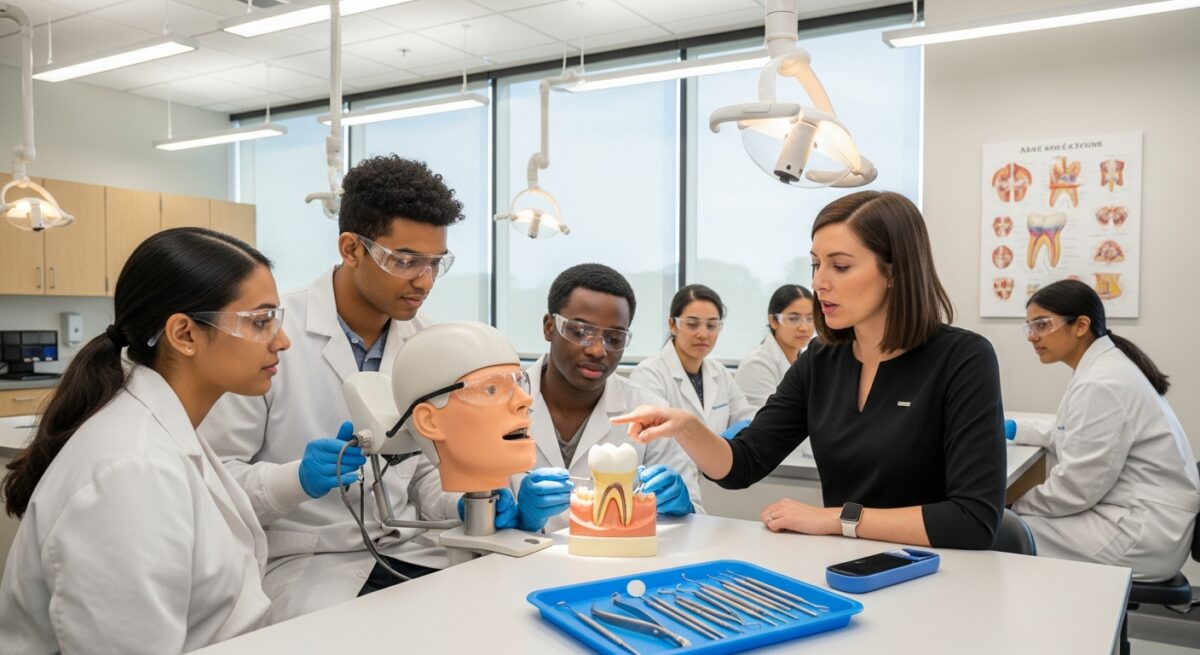
Clinical exposure represents the heart of dental education. Top programs offer students early patient contact, diverse case mixes, and modern clinical facilities. The best dental schools integrate simulation technology, digital dentistry tools, and interprofessional collaboration into their curricula. Students at these institutions treat hundreds of patients across specialties including restorative dentistry, periodontics, oral surgery, and pediatric dentistry before graduation.
Research output and faculty expertise also distinguish leading programs. Schools affiliated with major academic medical centers provide unique opportunities for translational research and specialty training. Faculty members who are active researchers and clinicians bring current evidence into the classroom and mentor students pursuing academic careers.
Top US Dental Schools for Clinical Excellence
American dental schools consistently rank among the best globally, offering comprehensive programs that prepare students for general practice or specialty training. The following institutions represent the gold standard for clinical education and research.
University of Michigan School of Dentistry
Founded in 1875, the University of Michigan School of Dentistry is one of the oldest and most respected dental schools in the country. It consistently ranks among the top three dental programs in US News and World Report surveys. The school operates a state-of-the-art clinical facility where students provide comprehensive care to over 100,000 patient visits annually. Michigan’s curriculum emphasizes evidence-based practice, digital dentistry, and community outreach. Students complete over 1,000 clinical procedures during their four-year program, far exceeding CODA minimums.
The school also offers dual-degree options including DDS/PhD and DDS/MPH programs for students interested in research or public health careers. Research strengths include craniofacial genetics, oral health disparities, and biomaterials science.
Harvard School of Dental Medicine
Harvard School of Dental Medicine (HSDM) offers a unique model that integrates dental education with medical training. Students complete the same foundational science curriculum as Harvard Medical School students during their first two years, then transition to specialty-focused clinical training. This interdisciplinary approach produces dentists who understand systemic health connections and collaborate effectively with physicians.
HSDM’s small class size (approximately 35 students per year) ensures close mentorship and individualized attention. The school is affiliated with Harvard-affiliated hospitals including Massachusetts General Hospital and Boston Children’s Hospital, providing exposure to complex cases and hospital-based dentistry. Graduates pursue careers in academic dentistry, specialty practice, and biomedical research at exceptionally high rates.
University of California, San Francisco School of Dentistry
UCSF School of Dentistry leads the nation in research funding from the National Institutes of Health and offers unparalleled opportunities for students interested in oral health research. The school’s DDS program emphasizes critical thinking and scientific inquiry alongside clinical skill development. Students participate in research projects from their first year and present findings at national conferences.
Clinical training occurs at the UCSF Dental Center, one of the largest dental clinics in California. Students treat a diverse patient population representing over 100 languages and a wide range of socioeconomic backgrounds. This diversity prepares graduates to serve any community with cultural competence and clinical confidence.
International Dentistry Programs Worth Considering
While many students prefer US-based programs, several international universities offer world-class dental education at lower tuition costs. These programs may appeal to international students or US citizens seeking affordable pathways to licensure.
University of Hong Kong Faculty of Dentistry
The University of Hong Kong (HKU) ranks as the top dental school in Asia and frequently appears in global top ten lists. Its Bachelor of Dental Surgery program combines traditional clinical training with innovative teaching methods including problem-based learning and simulation. HKU’s research strengths include oral microbiome studies, dental materials science, and implantology.
The program attracts students from over 30 countries and offers clinical rotations in public hospitals and community clinics throughout Hong Kong. Graduates qualify for licensure in Hong Kong, the United Kingdom, Australia, and other Commonwealth countries through reciprocity agreements.
Karolinska Institutet Department of Dental Medicine
Sweden’s Karolinska Institutet ranks among the world’s leading medical universities, and its dental program reflects the same commitment to scientific excellence. The five-year program integrates basic sciences, clinical dentistry, and research methodology from the first semester. Students gain extensive experience in preventive dentistry, oral medicine, and geriatric dentistry.
Tuition at Karolinska is significantly lower than US private dental schools, and Swedish universities offer generous scholarships for international students. Graduates can practice in the European Union and many other countries through mutual recognition agreements.
How to Evaluate and Select the Right Program
With so many excellent options available, prospective students need a systematic approach to comparing programs. The following framework helps applicants identify schools that align with their personal and professional goals.
Start by considering your career aspirations. Students planning to enter general practice may prioritize clinical volume and practice management training. Those interested in specialties should look for programs with strong residency placement records and faculty mentors in their chosen field. Research-oriented students need schools with robust research infrastructure and funding.
Location matters for both clinical training and quality of life. Urban schools typically offer more diverse patient populations and specialty exposure. However, cost of living in major cities can significantly increase total educational debt. Rural or suburban programs may offer lower costs and stronger community ties.
Financial considerations cannot be overlooked. The average dental school graduate in the United States carries over $300,000 in educational debt. Compare tuition, fees, and living expenses across programs. Look for schools offering scholarships, loan repayment programs, or tuition waivers. Some state schools offer reduced tuition for in-state residents, making them significantly more affordable than private institutions.
Finally, visit campuses and talk to current students. Most schools offer interview days or open houses where applicants can tour facilities, observe clinics, and ask questions. Pay attention to student morale, faculty accessibility, and the overall learning environment. A school that feels welcoming and supportive will contribute to your success more than rankings alone.
For a broader perspective on graduate-level education, you might find it helpful to explore our guide on Best English PhD Programs in Top Universities, which discusses similar factors in evaluating top-tier academic programs.
Application Strategies for Competitive Dental Schools
Admission to top dental schools requires exceptional academic credentials, meaningful extracurricular experiences, and a compelling personal narrative. The following strategies improve your chances of acceptance.
Maintain a strong science GPA, ideally above 3.5 on a 4.0 scale. Dental schools carefully evaluate grades in biology, chemistry, physics, and organic chemistry. The Dental Admission Test (DAT) score is equally important. Competitive applicants typically score 21 or higher on the academic average section. Prepare for the DAT over several months using comprehensive study materials and practice tests.
Clinical experience demonstrates your commitment to dentistry. Shadow general dentists and specialists in various settings including private practices, community health centers, and hospital clinics. Aim for at least 100 hours of shadowing experience. Volunteer at dental clinics or public health programs to show your dedication to serving underserved populations.
Research experience strengthens applications, particularly for research-intensive programs. Participate in undergraduate research projects, summer programs, or post-baccalaureate fellowships. Present your findings at conferences or co-author publications if possible.
Your personal statement should tell a compelling story about why you chose dentistry and what unique qualities you bring to the profession. Avoid cliches about wanting to help people or loving science. Instead, share specific experiences that shaped your decision and demonstrate self-awareness about the challenges and rewards of dental practice.
Frequently Asked Questions
What is the difference between DDS and DMD degrees? DDS (Doctor of Dental Surgery) and DMD (Doctor of Dental Medicine) are equivalent degrees. The distinction is primarily historical. Harvard introduced the DMD designation in 1867 to emphasize the medical nature of dental training. Both degrees require the same curriculum and qualify graduates for licensure. The best universities for dentistry programs offer either degree without any practical difference.
How long does it take to complete a dentistry program? US dental schools require four years of full-time study after completing a bachelor’s degree. Some programs offer accelerated three-year options for students with strong science backgrounds. International programs may require five or six years of study, often directly after high school. Specialty training adds two to six additional years depending on the field.
Can I practice in the US with a dental degree from another country? International dental graduates must complete additional requirements to practice in the United States. Most attend a CODA-accredited advanced standing program (typically two to three years) or pass the National Board Dental Examinations and a clinical licensing exam. Some states have additional requirements. Research your target state’s licensing regulations before applying to international programs.
What are the most affordable dentistry programs for US students? Public dental schools in states like Texas, Florida, and North Carolina offer significantly lower tuition for residents. Some schools offer reduced tuition through reciprocity agreements with neighboring states. The University of Puerto Rico School of Dental Medicine offers among the lowest tuition for US citizens. Scholarship programs like the National Health Service Corps provide tuition assistance in exchange for service in underserved areas.
How important is specialization for career success? General dentistry remains a rewarding and financially stable career path. Approximately 80 percent of dentists practice general dentistry. Specialization offers higher earning potential but requires additional training and often more debt. Popular specialties include orthodontics, oral surgery, periodontics, and pediatric dentistry. Choose based on your interests rather than financial considerations alone.
Beyond traditional degree pathways, many students explore online education options for prerequisite courses or continuing education credits. While clinical dental training requires in-person attendance, online resources can supplement your preparation and professional development.
Building Your Path to a Dental Career
Selecting from the best universities for dentistry programs requires thoughtful research and honest self-assessment. The ideal school offers strong clinical training, supportive faculty, and financial feasibility. Begin your search early, visit multiple campuses, and seek advice from practicing dentists and current dental students. Remember that your education is an investment in a lifelong career. Choosing a program that aligns with your values and goals will serve you well throughout your professional life. With dedication and strategic planning, you can gain admission to a top dental school and build a fulfilling career improving oral health for your patients and community.