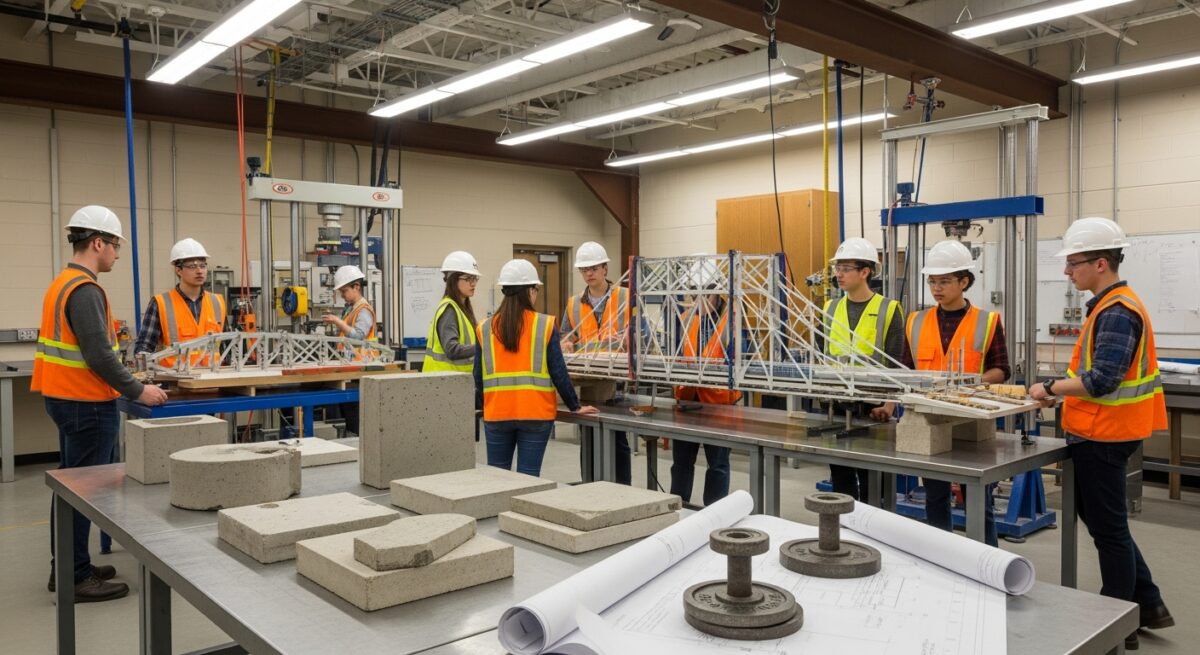
Choosing the right program is one of the most important decisions a future engineer can make. Civil engineering shapes the world around us from bridges and highways to water systems and skyscrapers. A degree from a top-ranked school can open doors to prestigious internships, higher starting salaries, and a strong professional network. This guide presents the best civil engineering schools ranking for 2026, examining what makes each program stand out and how you can select the right fit for your goals.
What Defines a Top Civil Engineering Program?
Rankings are useful, but they only tell part of the story. The best civil engineering schools share several key characteristics that go beyond test scores and graduation rates. Accreditation from the Accreditation Board for Engineering and Technology (ABET) is non-negotiable. ABET accreditation ensures the curriculum meets rigorous industry standards and qualifies graduates for professional licensure. Beyond accreditation, look for programs with strong research output, modern laboratory facilities, and faculty who are active in the field. Industry partnerships also matter. Schools that collaborate with engineering firms, government agencies, and construction companies provide students with real-world experience through co-ops, internships, and capstone projects.
Another critical factor is the breadth of specialization available. Civil engineering is a broad discipline that includes structural, environmental, geotechnical, transportation, water resources, and construction engineering. A top-ranked program offers depth in multiple areas, allowing you to tailor your education to your interests. Student support services such as career counseling, tutoring, and professional development workshops also elevate a program. Finally, consider the alumni network. Graduates from highly ranked schools often benefit from lifelong connections that help with job placement and career advancement.
Top Civil Engineering Schools for 2026
Based on the most recent data from U.S. News and World Report, the National Academy of Engineering, and other trusted sources, the following institutions consistently rank among the best civil engineering schools. These programs are evaluated on academic reputation, research activity, faculty credentials, and student outcomes.
1. Massachusetts Institute of Technology (MIT)
MIT’s Department of Civil and Environmental Engineering is a global leader. Known for its cutting-edge research in sustainable infrastructure, smart cities, and climate resilience, MIT offers students unparalleled resources. The program emphasizes hands-on learning through laboratory work and field studies. Undergraduate and graduate students collaborate with faculty on projects that address real-world challenges such as reducing carbon emissions in construction and improving water quality. MIT’s strong ties to industry and government mean graduates are highly sought after by top employers. The school’s location in Cambridge, Massachusetts, also provides access to a vibrant tech and engineering ecosystem.
2. University of California, Berkeley
UC Berkeley’s College of Engineering is renowned for its rigorous academics and groundbreaking research. The civil and environmental engineering program focuses on innovation in transportation systems, earthquake engineering, and environmental sustainability. Berkeley’s location in the San Francisco Bay Area offers students opportunities to work with leading tech companies, engineering firms, and public agencies. The program is particularly strong in structural engineering and geotechnical engineering, with faculty who are pioneers in seismic safety. Students benefit from state-of-the-art labs and a diverse, collaborative community.
3. Georgia Institute of Technology
Georgia Tech’s School of Civil and Environmental Engineering is one of the largest and most respected in the country. The program excels in infrastructure engineering, construction management, and water resources. Georgia Tech emphasizes experiential learning through its co-op program, which allows students to alternate semesters of study with paid work experience. The school’s strong connections with the construction and transportation industries give graduates a competitive edge in the job market. Atlanta’s status as a major transportation hub also provides unique research and internship opportunities.
4. University of Illinois at Urbana-Champaign
UIUC’s Department of Civil and Environmental Engineering is consistently ranked among the top five nationally. The program is known for its depth in structural engineering, environmental engineering, and construction materials. UIUC boasts one of the largest civil engineering faculties in the world, offering students a wide range of expertise. The school’s research centers focus on topics such as sustainable transportation, disaster resilience, and water quality management. Students have access to advanced labs including the Newmark Civil Engineering Laboratory, a world-class facility for structural and geotechnical research.
5. Stanford University
Stanford’s Department of Civil and Environmental Engineering is smaller but highly selective. The program emphasizes interdisciplinary research, combining civil engineering with computer science, data analytics, and environmental policy. Stanford’s location in Silicon Valley encourages innovation in smart infrastructure, autonomous vehicles, and sustainable design. The school’s strong ties to venture capital and tech startups mean that students interested in entrepreneurship have unique opportunities. Stanford’s alumni network is one of the most powerful in the world, providing lifelong career support.
How to Evaluate Civil Engineering Colleges Beyond the Rankings
While the best civil engineering schools ranking provides a solid starting point, you should consider several other factors when building your college list. First, think about geography. Do you prefer an urban campus with access to a major city or a quieter college town? Location can affect internship availability, cost of living, and your overall quality of life. Second, consider class size and student-to-faculty ratio. Smaller programs often offer more personalized attention and mentoring. Third, examine the curriculum closely. Some programs require a five-year master’s degree for professional licensure, while others offer a four-year bachelor’s path. Make sure the program aligns with your career timeline.
Financial considerations are also critical. Tuition, fees, and living expenses vary widely between public and private institutions. In-state public universities often provide excellent value, especially if they have strong engineering programs. Look into scholarships, grants, and assistantships that can reduce your out-of-pocket costs. Additionally, research the job placement rate and average starting salary for graduates. Schools with strong career services and industry partnerships often help students secure positions before graduation. For a deeper look at how engineering programs compare, check out our guide on Best Aerospace Engineering Schools Ranking Guide for 2026 which covers similar evaluation criteria.
Specializations Within Civil Engineering
One of the advantages of attending a top civil engineering school is the ability to specialize in a subfield that matches your interests. Here are some of the most common specializations and what they involve:
- Structural Engineering: Focuses on designing and analyzing buildings, bridges, towers, and other structures to ensure they are safe, stable, and durable. This specialization is ideal for those interested in architecture, construction, and materials science.
- Environmental Engineering: Deals with water and air quality, waste management, and pollution control. Environmental engineers work on projects like wastewater treatment plants, recycling systems, and climate adaptation strategies.
- Geotechnical Engineering: Studies soil, rock, and groundwater behavior to support foundations, tunnels, dams, and slopes. This field is essential for large-scale construction and infrastructure projects.
- Transportation Engineering: Plans, designs, and manages transportation systems including highways, railways, airports, and public transit. This specialization is critical for urban planning and smart city initiatives.
- Water Resources Engineering: Focuses on the management of water systems including dams, levees, irrigation networks, and flood control. Water resources engineers address challenges like drought, flooding, and water scarcity.
- Construction Engineering and Management: Combines engineering principles with business and project management. Construction engineers oversee building projects from concept to completion, managing budgets, timelines, and teams.
Most top civil engineering schools offer coursework and research opportunities in several of these areas. When evaluating programs, check whether the faculty have expertise in your specialization of interest. Some schools also offer combined degree programs that allow you to earn both a bachelor’s and a master’s degree in five years, which can give you a competitive edge in the job market.

The Role of Accreditation and Licensure
Accreditation is a critical factor that separates legitimate programs from less rigorous ones. ABET accreditation is the gold standard for engineering programs in the United States. Graduating from an ABET-accredited program is often a requirement for taking the Fundamentals of Engineering (FE) exam, which is the first step toward becoming a licensed Professional Engineer (PE). Licensure is essential for civil engineers who want to sign off on plans, supervise public projects, or start their own consulting firms. When researching civil engineering colleges, verify that the program is ABET-accredited. This information is usually listed on the school’s website or in the program’s catalog.
Beyond ABET, some programs also hold specialized accreditations or memberships in organizations like the American Society of Civil Engineers (ASCE). ASCE student chapters provide networking opportunities, leadership development, and access to national competitions. Active involvement in professional organizations can enhance your resume and help you build connections before graduation.
Online and Hybrid Civil Engineering Programs
Not all students can relocate to attend a top-ranked program. Fortunately, many best civil engineering schools now offer online or hybrid options for graduate degrees. For example, the University of Illinois at Urbana-Champaign offers a fully online Master of Science in Civil Engineering through its Coursera partnership. Georgia Tech offers an online Master of Science in Civil Engineering with specializations in construction, environmental, and structural engineering. These programs are designed for working professionals who want to advance their careers without leaving their jobs. Online programs typically follow the same curriculum as on-campus programs and are taught by the same faculty. They also provide flexibility in scheduling, allowing you to complete coursework at your own pace.
For undergraduate students, hybrid programs that combine online coursework with on-campus labs are becoming more common. These options can reduce costs and increase access for students in rural areas or those with family obligations. When evaluating online programs, ensure they hold the same ABET accreditation as the on-campus version. Also, check whether the degree appears the same on your transcript. Some employers still prefer traditional degrees, so research your industry’s norms before committing to an online path.
Frequently Asked Questions
What is the best civil engineering school in the United States?
MIT, UC Berkeley, and Georgia Tech consistently top the best civil engineering schools ranking. However, the best school for you depends on your specialization, budget, and career goals. Stanford and UIUC are also excellent choices for specific subfields.
How important is ABET accreditation for civil engineering programs?
ABET accreditation is essential. It ensures the program meets industry standards and qualifies graduates for professional licensure. Most employers require a degree from an ABET-accredited program for engineering positions.
Can I become a civil engineer with an online degree?
Yes, as long as the online program is ABET-accredited. Many top universities now offer online master’s degrees in civil engineering. For undergraduate degrees, hybrid programs that include in-person labs are more common.
What is the average salary for a civil engineer?
According to the U.S. Bureau of Labor Statistics, the median annual wage for civil engineers was $89,940 in 2023. Salaries vary by specialization, experience, and location. Graduates from top-ranked schools often earn higher starting salaries.
How long does it take to become a licensed civil engineer?
Typically, it takes about eight years: four years for a bachelor’s degree, two to four years of supervised work experience, and passing the PE exam. Some states have additional requirements.
For more detailed guidance on choosing the right engineering program, you can explore resources like DegreeOnline.Education, which offers comprehensive information on accredited online degrees and career pathways.
Selecting a civil engineering program is a significant investment in your future. The best civil engineering schools ranking provides a valuable starting point, but your final decision should consider accreditation, specialization, location, cost, and career support. A degree from a top-ranked school can accelerate your career, but even more important is finding a program that aligns with your personal and professional goals. Whether you choose a traditional campus experience or an online path, the skills and connections you build will serve you throughout your career.