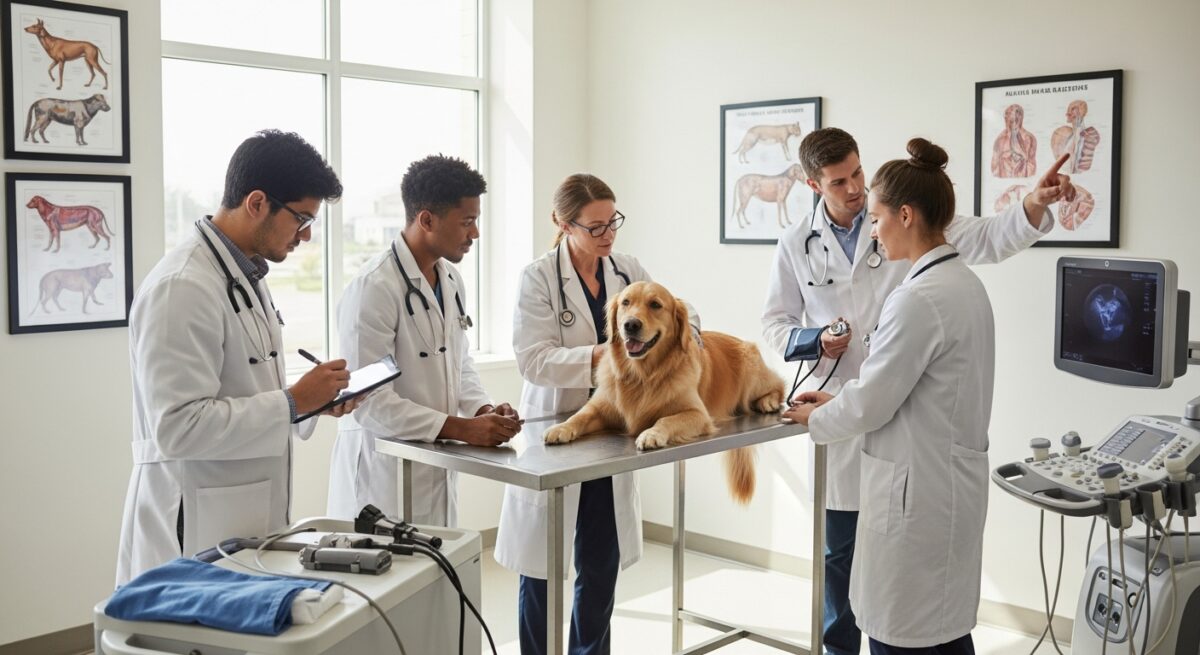
Choosing the right veterinary school is one of the most important decisions a future veterinarian can make. The path to becoming a veterinarian requires rigorous academic preparation, clinical experience, and a deep commitment to animal health. With dozens of accredited programs across the United States, finding the best fit involves evaluating curriculum quality, clinical training opportunities, faculty expertise, and overall cost. This article explores the best colleges for veterinary medicine, highlighting what makes each program stand out and how to choose the one that aligns with your career goals.
What Defines the Best Veterinary Medicine Programs
The best colleges for veterinary medicine share several key characteristics. Accreditation by the American Veterinary Medical Association (AVMA) is non-negotiable, as it ensures the program meets rigorous educational standards. Beyond accreditation, top programs offer state-of-the-art facilities, strong clinical rotations, and robust research opportunities. Faculty expertise matters greatly; leading schools attract professors who are leaders in fields like small animal medicine, equine care, exotic animal health, and public health. Additionally, the best vet schools provide strong support for students through career counseling, mentorship programs, and financial aid resources.
Top-Ranked Veterinary Schools in the United States
Several institutions consistently appear at the top of national rankings. Each offers unique strengths that appeal to different career paths. Below is an overview of the most respected programs.
Cornell University College of Veterinary Medicine
Cornell’s College of Veterinary Medicine is frequently ranked as the number one veterinary school in the United States. Located in Ithaca, New York, the program is known for its rigorous academic curriculum, world-class research, and exceptional clinical training. Students benefit from the Cornell University Hospital for Animals, which treats more than 50,000 patients annually. The program offers a Doctor of Veterinary Medicine (DVM) degree with opportunities for dual-degree programs, such as DVM/PhD and DVM/MBA. Cornell is particularly strong in comparative medicine, infectious disease research, and wildlife health.
University of California, Davis School of Veterinary Medicine
UC Davis is another top contender, often ranking second nationally. The school is renowned for its large animal and equine programs, as well as its expertise in veterinary public health and epidemiology. The Veterinary Medical Teaching Hospital at UC Davis is one of the largest in the world, offering students hands-on experience with a diverse caseload. The program emphasizes research and innovation, with faculty leading studies in areas like zoonotic diseases, animal genetics, and regenerative medicine. Graduates from UC Davis are highly sought after in academia, private practice, and government agencies.
Colorado State University College of Veterinary Medicine and Biomedical Sciences
Colorado State University (CSU) is a leader in veterinary education, particularly in the fields of oncology, orthopedics, and infectious disease. The school’s Veterinary Teaching Hospital provides comprehensive clinical training, and the university’s research enterprise includes the renowned Prion Research Center and the Animal Cancer Center. CSU offers a DVM program with multiple track options, including a combined DVM/PhD pathway for students interested in research careers. The program is also known for its strong emphasis on community service and global health initiatives.
Factors to Consider When Choosing a Veterinary School
Selecting from the best colleges for veterinary medicine involves more than just rankings. Every student has unique priorities, and the right program depends on several personal and professional factors.
Location and Clinical Opportunities: The geographic location of a veterinary school can significantly impact your clinical experience. Schools in rural areas often provide more exposure to large animals and livestock, while urban programs may offer more cases involving companion animals and exotic species. Consider where you want to practice after graduation and whether the school’s location aligns with that goal.
Cost and Financial Aid: Veterinary school is a substantial financial investment. Tuition varies widely between in-state and out-of-state programs, with public universities often offering lower rates for residents. Many students rely on federal loans, scholarships, and work-study programs to manage costs. It is wise to research the total cost of attendance, including living expenses, and explore financial aid options early in the application process.
Curriculum and Specializations: Different schools emphasize different areas of veterinary medicine. Some programs offer strong training in small animal practice, while others excel in equine medicine, exotic animal care, or public health. If you have a specific interest, such as wildlife medicine or food animal production, look for schools with dedicated tracks or elective opportunities in that field.
Class Size and Student Support: Smaller class sizes often mean more personalized attention from faculty and greater access to clinical resources. Larger programs may offer more diverse caseloads and research opportunities. Evaluate the student-to-faculty ratio and the availability of academic advising, mental health services, and career placement support.

How to Apply to Top Veterinary Programs
Applying to the best colleges for veterinary medicine is a competitive process. Most schools use the Veterinary Medical College Application Service (VMCAS) for first-time applicants. Here are the key steps:
- Complete Prerequisite Courses: Most veterinary schools require a strong foundation in biology, chemistry, physics, and mathematics. Some programs also require courses in animal science, biochemistry, and statistics. Check each school’s specific prerequisites early in your undergraduate career.
- Gain Veterinary Experience: Admissions committees look for applicants with hands-on experience in veterinary settings. This can include volunteering at animal shelters, working as a veterinary assistant, or participating in research projects. Aim for at least 200-400 hours of varied experience.
- Prepare for the GRE or Other Tests: While many schools have moved away from requiring the GRE, some still consider it. Check the requirements for each program. Strong scores can enhance your application.
- Write a Compelling Personal Statement: Your personal statement should explain why you want to become a veterinarian and why you are a good fit for the specific programs you are applying to. Be specific about your experiences and goals.
- Secure Strong Letters of Recommendation: Most schools require letters from veterinarians, professors, or research supervisors who can speak to your skills, work ethic, and potential.
After submitting your application, some schools invite candidates for interviews. Prepare by reviewing common questions and reflecting on your experiences and motivations. The application cycle typically opens in May and closes in September or October for fall admission the following year.
Accreditation and International Considerations
Accreditation is a critical factor when evaluating the best colleges for veterinary medicine. The AVMA Council on Education (COE) is the primary accrediting body for veterinary schools in the United States. Graduation from an AVMA-accredited program is required to sit for the North American Veterinary Licensing Examination (NAVLE) and practice in the U.S. For students considering international programs, some foreign schools are also AVMA-accredited, which allows graduates to practice in the U.S. without additional examinations. However, it is essential to verify accreditation status before applying.
Emerging Trends in Veterinary Education
Veterinary medicine is evolving rapidly, and the best vet schools are adapting their curricula to meet new challenges. Telemedicine, for example, is becoming more common in veterinary practice, and some schools now offer training in remote consultation and digital record keeping. One health initiatives, which integrate human, animal, and environmental health, are also gaining prominence. Schools like the University of Pennsylvania and the University of Wisconsin are incorporating interdisciplinary coursework that prepares students for collaborative practice. Additionally, there is growing emphasis on mental health and wellness within the veterinary profession, with many programs implementing wellness resources and stress management training for students.
Frequently Asked Questions
How long does it take to become a veterinarian? Typically, it takes eight years of education after high school: four years of undergraduate study and four years of veterinary school. Some students also complete internships or residencies, which can add one to three years.
What is the hardest part of getting into veterinary school? The most challenging aspect is the competitive nature of admissions. Many programs accept fewer than 10-15 percent of applicants. Strong grades, significant animal experience, and a clear career focus are essential.
Can I specialize in a specific type of animal medicine? Yes. After earning a DVM, veterinarians can complete internships and residencies to specialize in areas like small animal internal medicine, surgery, oncology, or exotic animal medicine. Board certification requires additional training and examinations.
Are online veterinary degrees available? No. Veterinary medicine requires hands-on clinical training that cannot be replicated online. However, some schools offer online coursework for continuing education or dual-degree programs. For those seeking flexibility in other areas of higher education, CollegeDegree.School offers guidance on online degrees in fields like business and technology.
How much do veterinarians earn? According to the Bureau of Labor Statistics, the median annual wage for veterinarians in the United States is over $100,000. Earnings vary by specialization, geographic location, and type of practice.
Making Your Final Decision
Choosing from the best colleges for veterinary medicine requires careful research and self-reflection. Visit campuses if possible, talk to current students and alumni, and evaluate each program’s strengths in relation to your career aspirations. Remember that the best school for someone else may not be the best for you. Prioritize programs that offer the clinical experiences, faculty mentorship, and support services that align with your goals. The veterinary profession is rewarding and challenging, and a strong educational foundation will serve you throughout your career. If you are also exploring other academic pathways, such as those for veterans or career changers, our guide on Best Colleges for Veterans and Military Students in 2026 provides additional resources for making informed decisions.