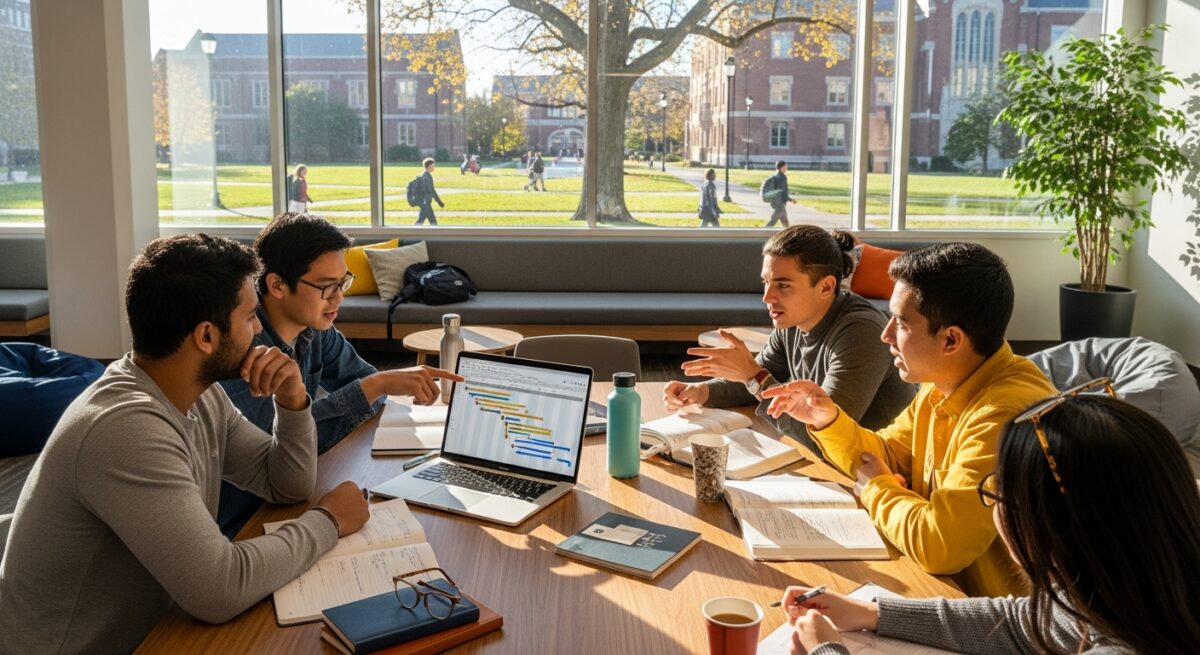
Beyond the lecture halls and library stacks lies a vibrant, often underrated, component of higher education: student organizations. While academic transcripts capture grades, it is the experiences gained in clubs, societies, and teams that often build the person. The benefits of student organizations extend far beyond a line on a resume. They are dynamic laboratories for personal and professional development, offering a safe space to experiment, fail, learn, and lead. For many students, these groups become the cornerstone of their college identity, transforming their educational journey from a passive receipt of knowledge into an active construction of skills, networks, and character. This deep engagement is not just supplementary, it is central to achieving holistic success and maximizing the return on your educational investment.
Building Tangible Career Skills Beyond the Classroom
The curriculum provides the theoretical foundation, but student organizations offer the workshop to apply it. Here, abstract concepts from business, communication, or psychology are tested in real-time. You are not just learning about project management, you are managing a budget for a campus-wide event. You are not just studying organizational behavior, you are navigating team dynamics to meet a shared goal. This experiential learning bridges the notorious gap between academia and the professional world, giving you a portfolio of demonstrable achievements before you even graduate. Employers consistently seek candidates who can point to concrete examples of leadership, initiative, and collaboration, all of which are the daily currency of active club membership.
Consider the specific skills cultivated. A student running for a club officer position practices public speaking and campaigning. The treasurer gains hands-on experience with financial oversight. The event coordinator hones logistics, vendor negotiation, and marketing. Even general members develop critical soft skills: reliable communication, deadline adherence, creative problem-solving within constraints, and the ability to work with diverse personalities. These are not graded assignments, but their impact is profound. They build a professional confidence that classroom work alone often cannot provide.
Fostering Community and Combating Isolation
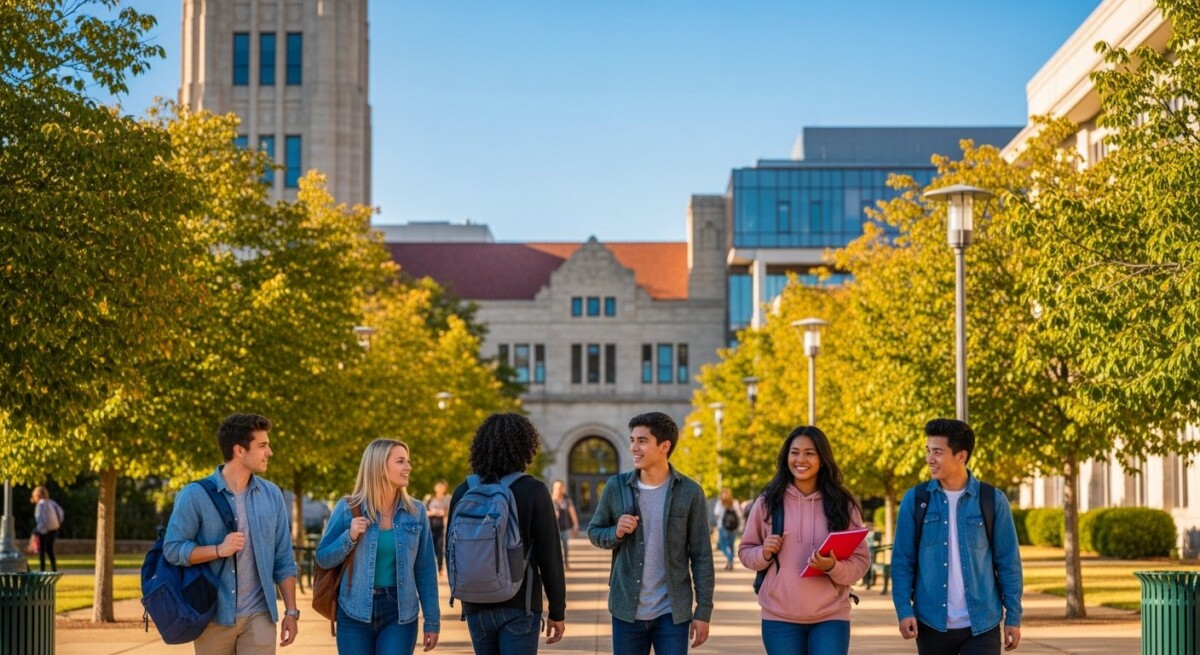
College can be an overwhelming experience, particularly at large universities or for students far from home. Lecture halls with hundreds of peers can paradoxically feel isolating. Student organizations are the antidote to this anonymity. They provide instant community based on shared interests, whether that interest is academic (Pre-Law Society), cultural (International Student Alliance), artistic (A Cappella Group), or recreational (Rock Climbing Club). This sense of belonging is a critical factor in student retention, mental well-being, and overall satisfaction with the college experience.
Within these micro-communities, students find their support networks. They form friendships that are rooted in common passion and collaborative effort, which often proves stronger than the random assignment of a dormitory. For non-traditional or commuter students, organizations offer a structured, consistent way to integrate into campus life. The social benefits of student organizations create a safety net, reducing stress and providing a space where students can be themselves, share challenges, and celebrate successes with like-minded individuals. This supportive environment is foundational for academic persistence.
Developing Leadership and Personal Identity
Leadership is not a theoretical concept in student groups, it is a practiced art. These organizations are typically student-led, meaning the responsibility for vision, execution, and morale falls directly on the members. This creates a low-stakes, high-impact environment to develop a leadership style. You can experiment with different approaches to motivation, delegation, and conflict resolution, learning from both successes and missteps in a supportive peer context rather than a high-pressure corporate one. The leadership benefits of student organizations are perhaps their most transformative offering, shaping individuals who understand how to influence, inspire, and execute.
This process is deeply tied to personal growth. As students take on roles, they encounter their own strengths and areas for improvement. They learn about their tolerance for stress, their communication preferences, and their capacity for empathy. They develop a stronger sense of self-efficacy, the belief that they can effect change and achieve goals through their own actions. This journey of self-discovery is integral to the transition from adolescence to adulthood. It helps students answer critical questions about who they are, what they value, and how they want to engage with the world.
Networking and Professional Pathway Exploration
Student organizations serve as a powerful nexus for professional networking. Faculty advisors often have industry connections. Alumni of the organization frequently return to mentor or recruit. Conferences and competitions attended by the club introduce members to professionals and peers from other institutions. This organic network can be invaluable for securing internships, receiving letters of recommendation, and learning about unadvertised job opportunities. Furthermore, many student organizations are directly linked to national professional associations, providing early access to industry publications, events, and career centers.
Perhaps just as important is the role these groups play in career exploration. A student majoring in biology who joins a student-run health clinic might discover a passion for patient care and public health policy. A computer science major in a digital arts club might pivot towards UX design. These experiences provide a “try before you buy” opportunity for career paths, allowing students to test their interest and aptitude in a field without the commitment of changing a major or taking an internship. This can either solidify their original plan or strategically redirect their academic focus, saving time and resources.
Enhancing Academic Engagement and Practical Application
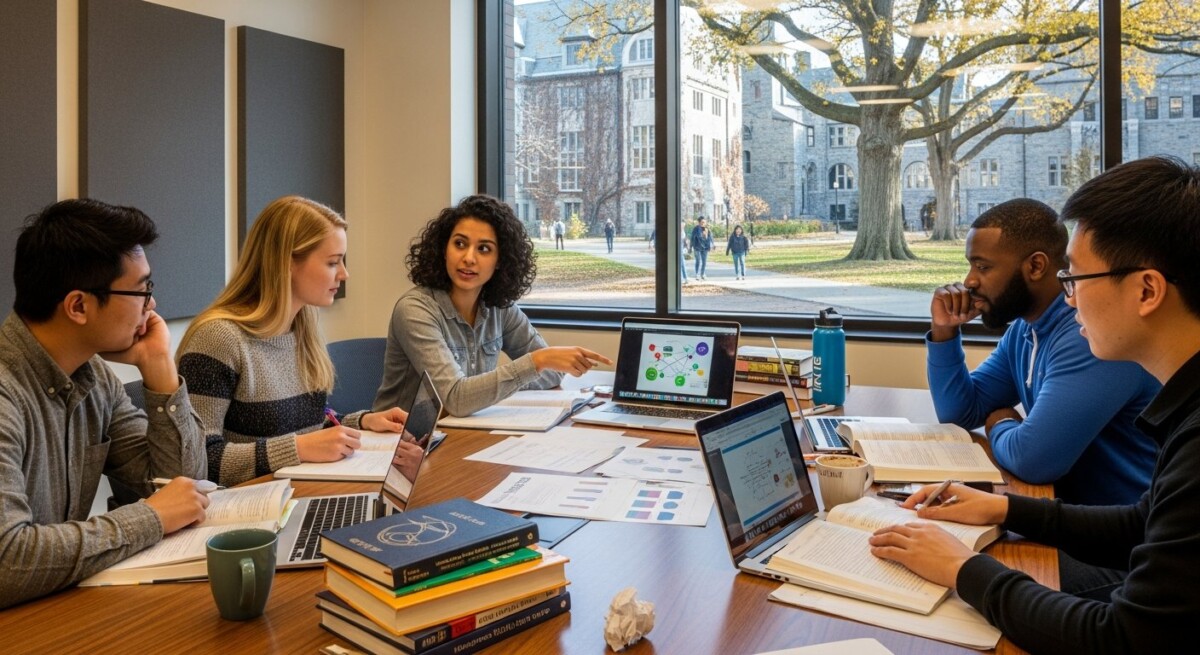
There is a symbiotic relationship between student organization involvement and academic performance. While it requires good time management, the engagement often leads to greater academic motivation. Students involved in a marketing club will likely pay more attention in their marketing courses, eager to apply new theories to their club’s next campaign. Study groups naturally form within academic clubs, providing peer tutoring and collaborative learning. The practical application of classroom knowledge reinforces learning, moving information from short-term to long-term memory and deepening comprehension.
Furthermore, the skills honed in organizations, such as time management, effective note-taking during meetings, and structured research for planning, directly transfer to academic success. Students learn to balance competing priorities, a skill essential for managing a full course load. The benefits of student organizations for academic life are clear: they provide context for learning, foster discipline, and create communities of academic support that enhance the overall educational outcome. For those seeking financial support to pursue these enriching experiences, exploring scholarship opportunities is key. Many organizations offer funding, and external resources for school‑level degree guidance can help students find scholarships to alleviate costs.
Key Takeaways for Maximizing the Experience
To truly reap the student organizations benefits, strategic participation is crucial. It is not about collecting club memberships but about deep, engaged involvement. Here are essential steps to maximize your experience:
- Choose Quality Over Quantity: It is far more valuable to hold a meaningful role in one or two organizations than to be a passive name on the roster of five. Seek groups that genuinely align with your interests or curiosity.
- Commit and Step Up: Attend meetings consistently. Volunteer for a committee. Run for a leadership position after you have learned the group’s dynamics. The greatest growth occurs when you take on responsibility.
- Set Clear Goals: Identify what you want to gain. Is it a specific skill (e.g., public speaking, graphic design)? Expanding your social circle? Exploring a career? Your goals will guide your level and type of involvement.
- Reflect and Connect: Periodically reflect on what you are learning. Actively connect your organization activities to your coursework and career aspirations. This mindset turns experiences into articulate stories for resumes and interviews.
- Practice Time Management: Use a planner diligently. Block out time for organization work just as you would for a class. Learning to balance these commitments is itself a critical professional skill.
By following this approach, you transform participation from a casual extracurricular into a strategic component of your education and career preparation.
Frequently Asked Questions
Won’t joining a student organization hurt my grades by taking up too much time?
When managed well, involvement typically improves time management skills and academic motivation. The key is balance. Start with one organization, learn to manage that commitment alongside your studies, and then consider adding more if your schedule allows. The structure and discipline often translate to better academic habits.
I’m shy and not a natural leader. Are organizations still for me?
Absolutely. Organizations need reliable members as much as they need presidents. You can contribute in vital supporting roles, such as handling logistics, managing social media, or providing creative input. These environments are ideal for building confidence at your own pace, and many groups offer low-pressure ways to get involved.
How do I choose the right organization?
Attend club fairs and visit meetings for groups that spark your interest, even vaguely. Talk to current members. Ask about the time commitment, typical activities, and how new members get involved. Choose based on genuine interest and a feeling of cultural fit, not just what you think will look best on a resume.
Can involvement in student organizations really help me get a job?
Yes, significantly. Employers actively look for this experience. It provides concrete examples of soft skills (teamwork, communication) and hard skills (budgeting, event planning) that you can discuss in interviews. The network you build can also lead to direct referrals and opportunities.
Is it too late to join if I’m a junior or senior?
It is never too late. While earlier involvement allows for more progression into leadership, joining as an upperclassman provides immediate community, stress relief, and a way to apply your accumulated knowledge. Your maturity and experience can be a major asset to the group.
The evidence is compelling: the transformative power of student organizations is a critical, yet sometimes optional, layer of a complete education. They are where theory meets practice, where acquaintances become lifelong friends, and where students evolve into capable, confident graduates. The investment of time and energy returns dividends in skills, networks, self-awareness, and memories that last far longer than any single semester. To overlook this dimension of campus life is to miss a fundamental opportunity for growth. Your academic major defines your field of knowledge, but your involvement in student life often defines your readiness to thrive within it.