Choosing the right college for a zoology program is a pivotal decision that shapes your entire career studying the animal kingdom. The best colleges for zoology programs offer far more than a standard curriculum, they provide immersive research opportunities, access to diverse ecosystems and captive animal collections, and pathways to specialized careers in wildlife biology, conservation, veterinary medicine, and beyond. This guide explores the key factors that distinguish elite zoology schools and highlights institutions renowned for their academic rigor, faculty expertise, and exceptional resources for aspiring zoologists.
What Defines a Top-Tier Zoology Program?
Not all biology or life science programs are created equal when it comes to zoology. A premier program is characterized by several core components that directly impact the quality of your education and future prospects. First and foremost is faculty expertise. Leading departments are populated by professors who are active researchers in fields like animal behavior, ecology, physiology, genetics, and conservation biology. Their ongoing work often translates into undergraduate research opportunities, a critical component for graduate school applications and scientific careers.
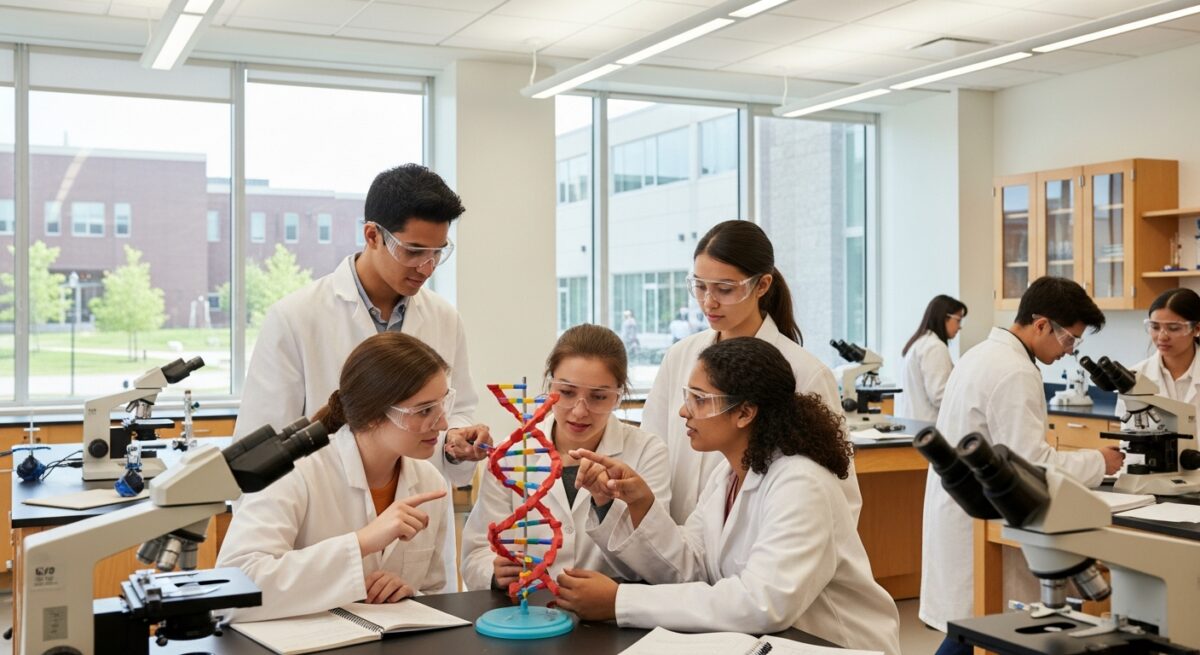
Secondly, access to facilities is non-negotiable. This includes modern laboratories for genetics and physiology, museum collections of specimens for study, and, crucially, proximity to field stations, wildlife reserves, or partnerships with zoos and aquariums. Hands-on experience with live animals, whether in a controlled lab setting or in the field, is where theoretical knowledge becomes practical skill. Finally, the curriculum’s depth and flexibility matter. The best programs offer a strong foundational core in biological principles while allowing for advanced specialization in areas like mammalogy, ornithology, herpetology, or marine biology, often through a wide selection of upper-division electives.
Key Factors to Evaluate in Zoology Schools
When creating your shortlist of potential zoology schools, move beyond general rankings and dig into specific program attributes. Your personal career goals should guide this evaluation. A student aiming for a career in wildlife conservation will prioritize different programs than one focused on pre-veterinary studies or laboratory-based animal physiology research.
Consider the program’s required coursework and elective tracks. Does the curriculum emphasize organismal biology, ecology, and evolution, or is it more molecular and cellular? Look for required classes like comparative vertebrate anatomy, animal behavior, and ecology, which are hallmarks of a strong zoology focus. Investigate the department’s research strengths. Browse faculty profiles to see if their publications and grants align with your interests, whether that’s coral reef ecology, large mammal conservation, or insect physiology.
Perhaps most importantly, scrutinize the opportunities for practical experience. Ask about: internship or co-op programs with local and national organizations; study abroad options focused on tropical ecology or marine science; and the availability of paid or for-credit undergraduate research assistant positions. The integration of these experiential learning components is what separates good programs from great ones. For broader context on selecting science-focused degrees, our guide on Top Environmental Science Colleges for Aspiring Professionals outlines similar evaluation criteria for interdisciplinary fields.
To systematically compare programs, focus on these essential elements:
- Curriculum Specialization: Availability of distinct tracks or concentrations (e.g., Wildlife Biology, Marine Science, Pre-Veterinary).
- Research and Fieldwork Access: Proximity to unique ecosystems, on-campus research centers, and formalized field course offerings.
- Career Outcome Support: Strength of alumni network in zoology fields, career counseling specific to life sciences, and graduate school placement rates.
- Faculty-to-Student Ratio: Especially in upper-level labs and seminars, which impacts mentorship quality.
- Facility Quality: State of art labs, greenhouses, animal holding facilities, and natural history museums.
Leading Institutions for Zoology and Animal Biology
Several universities consistently stand out for their zoology and related animal biology programs. These institutions have built reputations through decades of scholarly contribution, resource investment, and successful graduate outcomes. It is important to note that some top universities house zoology within broader departments like Ecology and Evolutionary Biology or Integrative Biology, but the core curriculum and opportunities remain exceptional.
The University of California, Davis is frequently cited as a powerhouse, largely due to its direct connection to the world-class UC Davis School of Veterinary Medicine. This relationship provides unparalleled pre-vet advising and research opportunities. The university’s location also offers access to diverse California habitats, from coastal zones to the Sierra Nevada. Similarly, Cornell University offers a renowned program through its Department of Ecology and Evolutionary Biology. Cornell’s strengths include its extensive museum collections, the Cornell Lab of Ornithology (a global leader in bird research), and its Shoals Marine Laboratory, providing direct marine biology field experience.
For students interested in wildlife and conservation, the University of Florida boasts a strong Department of Wildlife Ecology and Conservation. Its location in a biodiversity hotspot, combined with partnerships with state and federal wildlife agencies, creates a dynamic learning environment. In the Midwest, the University of Wisconsin-Madison features a top-tier Zoology department with broad research strengths and a major emphasis on undergraduate research, a cornerstone of its educational philosophy. When planning your academic journey across these or other specialized programs, consulting detailed academic degree resources can help clarify degree requirements and long-term educational pathways.
Navigating Degree Paths and Career Preparation
A Bachelor of Science in Zoology is the most direct pathway, but related majors like Wildlife Biology, Ecology, Marine Biology, or Animal Sciences can also lead to similar careers. The choice depends on the specific angle of animal study that most excites you. Regardless of the major title, proactive career preparation is essential from the first year. The zoology job market is competitive, and academic achievement alone is rarely sufficient.
Building a strong resume requires a strategic combination of coursework, experience, and networking. Prioritize securing a research position with a professor by your sophomore or junior year. This provides technical skills, a potential letter of recommendation, and may lead to a presentation or publication. Seek out summer internships with government agencies (e.g., U.S. Fish and Wildlife Service, state DNR), non-profit conservation groups, zoos, or rehabilitation centers. These experiences provide real-world context, expand your professional network, and are invaluable on a resume.
Furthermore, develop complementary skills. Coursework or proficiency in statistics and Geographic Information Systems (GIS) is increasingly demanded in ecology and wildlife jobs. Strong scientific writing and public communication skills will set you apart. Many of the best colleges for zoology programs have dedicated career centers that host recruiters from environmental consulting firms, government agencies, and research institutes. Engaging with these services early and often is a critical step in transitioning from student to professional.
Frequently Asked Questions
What is the difference between a Zoology major and a Biology major?
Zoology is a sub-discipline of biology focused specifically on the animal kingdom, including their structure, embryology, evolution, classification, habits, and distribution. A general Biology major provides a broader overview of all life forms (plants, microbes, animals) and may delve deeper into cellular and molecular biology. Zoology programs typically offer more specialized courses in animal-specific topics like entomology or ichthyology.
Are zoology degrees only for people who want to become zookeepers?
No, this is a common misconception. While some graduates pursue careers in zookeeping or aquarium husbandry, a zoology degree opens doors to a wide array of professions. These include wildlife biologist, conservation scientist, field researcher, veterinary doctor (with additional schooling), animal nutritionist, wildlife rehabilitator, environmental consultant, museum curator, and many roles in public policy and education.
How important is math and chemistry for a zoology degree?
Very important. A rigorous zoology program is a science degree first. You will be required to take calculus, statistics, general chemistry, organic chemistry, and often physics. These courses provide the quantitative and analytical foundation necessary for understanding animal physiology, ecological modeling, genetics, and conducting robust scientific research.
Should I choose a school with a pre-veterinary track if I’m unsure about vet school?
A pre-vet track within a zoology program is an excellent choice if you are considering veterinary medicine, as it ensures you complete all prerequisite courses. However, a standard zoology degree also covers most pre-vet requirements and offers more flexibility if you decide to pursue other animal science careers. The key is to verify the specific course requirements of veterinary schools you might later apply to.
What are the prospects for graduate school after a zoology bachelor’s?
A bachelor’s in zoology is the standard preparation for graduate studies (M.S. or Ph.D.) in zoology, ecology, evolutionary biology, wildlife management, and related fields. Strong undergraduate research experience and good grades are crucial for admission to competitive graduate programs. A graduate degree significantly expands career options, particularly in research, academia, and high-level conservation positions.
Selecting the right institution for your zoology studies is an investment in your future as a scientist, conservationist, or animal health professional. By prioritizing programs with strong faculty mentorship, hands-on learning, and alignment with your specific interests, you lay the groundwork for a fulfilling career dedicated to understanding and protecting the animal world. The journey requires dedication, from mastering foundational sciences to seeking out field experience, but the path through one of the nation’s respected zoology schools offers the tools and opportunities to turn a passion for animals into a meaningful profession.