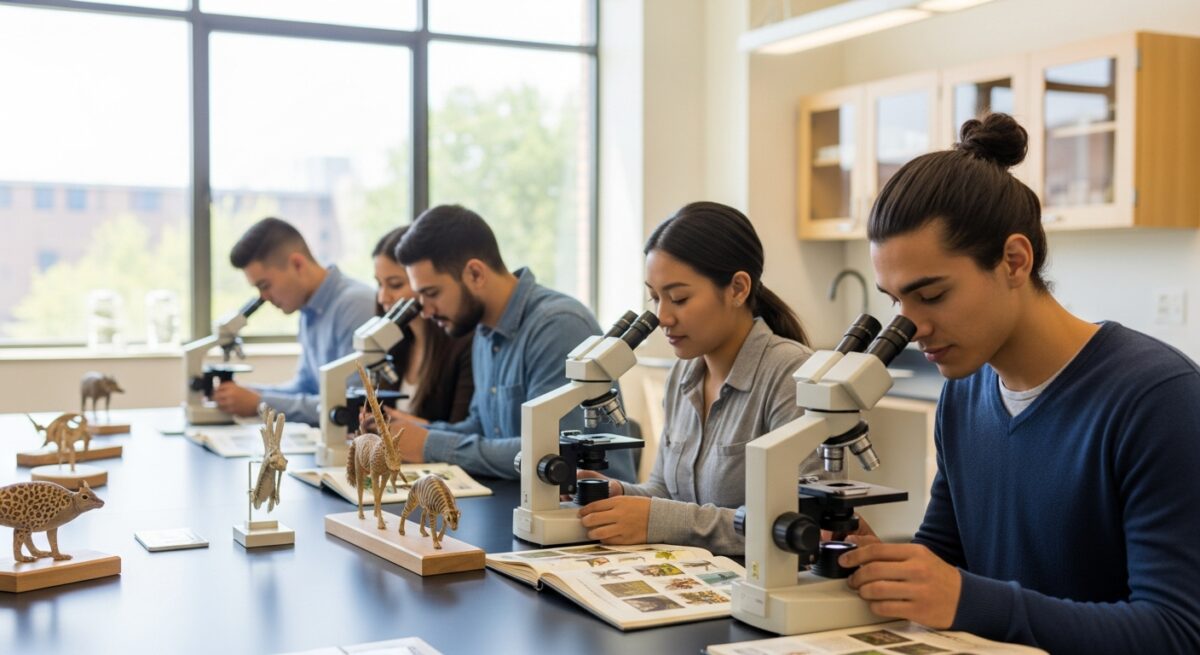
Choosing the right university for a zoology degree is a pivotal decision that shapes your scientific understanding, research skills, and future career working with animals. The best zoology programs offer more than just a textbook education, they provide immersive access to diverse ecosystems, cutting-edge research facilities, and expert faculty who are leaders in fields like animal behavior, conservation biology, and evolutionary science. This guide explores the world’s leading institutions for zoology and animal science, helping you identify the program that aligns with your academic passions and professional goals, whether you aim to work in wildlife conservation, veterinary medicine, or academic research.
What Defines an Elite Zoology Program?
Before examining specific universities, it’s crucial to understand the hallmarks of a top-tier zoology department. The best universities for zoology programs distinguish themselves through a combination of rigorous academic curriculum, hands-on experiential learning, and significant research output. A strong program typically features a core curriculum covering animal physiology, genetics, ecology, evolution, and biodiversity, often allowing for specialization in areas like marine biology, entomology, or wildlife management.
Beyond coursework, access to resources is paramount. This includes on-campus museums and collections, dedicated research stations in varied habitats (from rainforests to marine labs), and partnerships with zoos, aquariums, and conservation organizations. Faculty reputation is another critical factor, programs led by actively publishing researchers who secure grants and involve undergraduates in their work provide unparalleled mentorship. Furthermore, the career outcomes for graduates, including placement in prestigious graduate programs, veterinary schools, and conservation roles, signal a program’s effectiveness. Prospective students should also consider the geographical context of the university, as local fauna and ecosystems become a living laboratory for study.
Leading Global Institutions for Zoology Studies
The landscape of excellent zoology colleges is global, with standout programs found on several continents. Each offers a unique blend of strengths, specializations, and opportunities.
Universities in the United Kingdom
The UK has a long and distinguished history in zoological science, home to some of the world’s most respected programs. The University of Oxford’s Department of Biology offers a premier zoology track within its broader biological sciences degree, renowned for its tutorial system and research intensity. The University of Cambridge similarly provides a world-class Zoology degree through its Department of Zoology, with exceptional resources including the University Museum of Zoology. The University of St Andrews in Scotland is another powerhouse, particularly strong in marine mammal research and conservation science. These institutions benefit from strong ties to organizations like the Zoological Society of London and numerous field sites across the UK and overseas.
Universities in the United States
In the United States, top animal science universities and zoology programs are often housed within large, research-intensive universities with extensive land-grant resources. Cornell University’s Department of Ecology and Evolutionary Biology, and its College of Agriculture and Life Sciences, offer superb programs with access to the Cornell University Museum of Vertebrates and the Shoals Marine Laboratory. The University of California, Davis is globally recognized for its wildlife, fish, and conservation biology programs, leveraging its proximity to diverse California ecosystems and its world-leading veterinary school. Other notable institutions include the University of Florida (strong in tropical ecology and wildlife conservation), Michigan State University, and the University of Wisconsin-Madison, each providing robust zoology and related biological science degrees with significant research components.
Universities in Australia and Europe
Australia’s unique biodiversity makes it an exceptional place to study zoology. The University of Queensland and the Australian National University lead in research output and offer direct access to iconic ecosystems like the Great Barrier Reef and the Outback. In Europe, besides the UK, institutions like Wageningen University & Research in the Netherlands excel in animal sciences and environmental biology, while the University of Copenhagen offers strong programs in Arctic and marine biology. Switzerland’s University of Zurich has a prestigious Department of Evolutionary Biology and Environmental Studies. For students considering flexible study options, exploring the best online degrees in the UK can also reveal programs with zoology-related modules in environmental science or biology.
Key Factors to Consider in Your Selection
Selecting among the best universities for zoology requires personal reflection on your goals and learning style. A program’s ranking is less important than its specific fit for you. Start by identifying your niche interest within zoology. Are you fascinated by insect behavior, large mammal conservation, deep-sea biology, or cellular processes in animals? Look for departments with multiple faculty members specializing in that area.
Financial planning is a major component of academic planning. Investigate tuition costs, cost of living, and, crucially, the availability of financial aid and scholarships. Many top programs offer merit-based scholarships and need-based aid for qualified students. To help fund your education, it is wise to research dedicated student scholarship programs that support STEM and conservation studies. Furthermore, examine the structure of the degree. Does the program emphasize early field experience? What is the balance between lecture-based learning and independent research? Are there opportunities for study abroad at remote field stations? Finally, visit campuses if possible, talk to current students and professors, and review the department’s recent graduate employment data to gauge real-world outcomes.
Career Pathways for Zoology Graduates
A degree from one of the best zoology colleges opens doors to a wide array of careers. While many graduates pursue advanced degrees (Ph.D. or DVM), a bachelor’s degree alone qualifies you for numerous roles. Common career paths include wildlife biologist, zookeeper or aquarist, conservation officer, environmental consultant, laboratory researcher, and science communicator. The analytical, research, and observational skills honed in a zoology program are also highly transferable to fields like biotechnology, data science, education, and policy.
The specific strengths of your chosen university can steer your career trajectory. A program with a strong marine biology focus will naturally connect you to careers in oceanographic institutes, fisheries management, and marine conservation NGOs. A university emphasizing genetics and molecular zoology provides a foundation for roles in biomedical research or wildlife forensics. Engaging in undergraduate research, internships, and building a professional network during your studies are the most critical steps for converting academic training into a fulfilling career working with animals.
Frequently Asked Questions
What is the difference between a Zoology degree and an Animal Science degree?
While there is overlap, Zoology is typically a broader biological science focused on the study of animals in their natural contexts, including their behavior, physiology, classification, and evolution. Animal Science (often found in colleges of agriculture) tends to focus more on the biology, care, and production of domesticated animals like livestock, with applications in veterinary medicine, animal nutrition, and agriculture. The best universities for zoology programs often offer both, allowing students to choose their emphasis.
Are there strong zoology programs at smaller liberal arts colleges?
Absolutely. While large research universities have extensive resources, many smaller liberal arts colleges offer exceptional zoology or biology programs with high professor-student interaction, early research opportunities, and strong track records for placing students into top graduate and professional schools. Schools like St. Lawrence University, College of the Atlantic, and Eckerd College are known for their hands-on, field-based approaches to zoological education.
How important is accreditation for a zoology program?
For zoology, programmatic accreditation is less common than for fields like engineering or nursing. However, you should ensure the university itself is regionally accredited. More importantly, look for departmental affiliations with recognized professional societies and evidence of program quality through research grants, faculty achievements, and graduate success stories.
What high school preparation is best for a zoology degree?
A strong foundation in biology, chemistry, physics, and mathematics (through pre-calculus or calculus) is essential. Courses in environmental science, statistics, and computer science are also highly beneficial. Beyond academics, demonstrated interest through volunteer work at nature centers, veterinary clinics, or wildlife rehabilitation centers can strengthen your application and confirm your passion for the field.
Ultimately, the journey to becoming a zoologist begins with selecting an academic environment that fuels your curiosity and provides the tools for discovery. By carefully evaluating the best universities for zoology programs based on your specific interests, learning preferences, and career aspirations, you can embark on an educational path that is as rewarding as it is rigorous, leading to a lifetime of contributing to our understanding and preservation of the animal kingdom.