For students driven by discovery and the desire to push the boundaries of human knowledge, choosing the right academic environment is paramount. The best science colleges for research and innovation are not merely institutions of learning, they are ecosystems of curiosity, equipped with world-class laboratories, visionary faculty, and a culture that transforms theoretical inquiry into tangible breakthroughs. These universities serve as the primary engines of scientific progress, where undergraduate and graduate students alike can contribute to pioneering work in fields from quantum computing and synthetic biology to climate science and astrophysics. This guide explores the defining characteristics of these elite research universities and provides a framework for identifying the programs that will best fuel your scientific ambitions and career trajectory.
Defining the Hallmarks of a Premier Research University
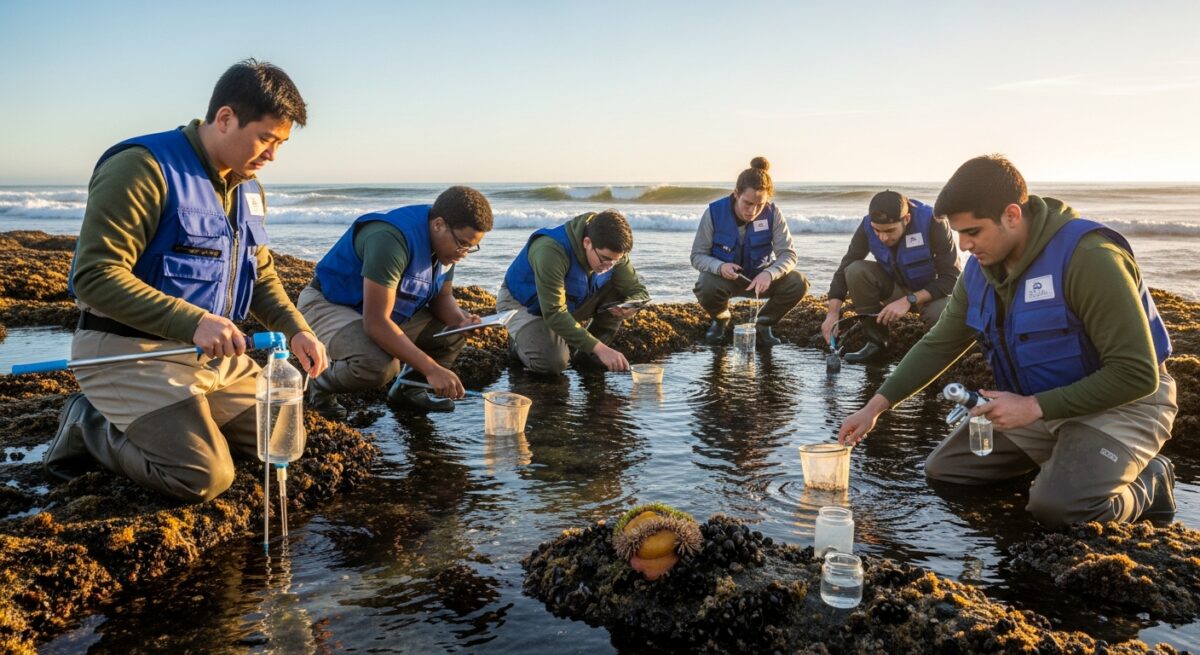
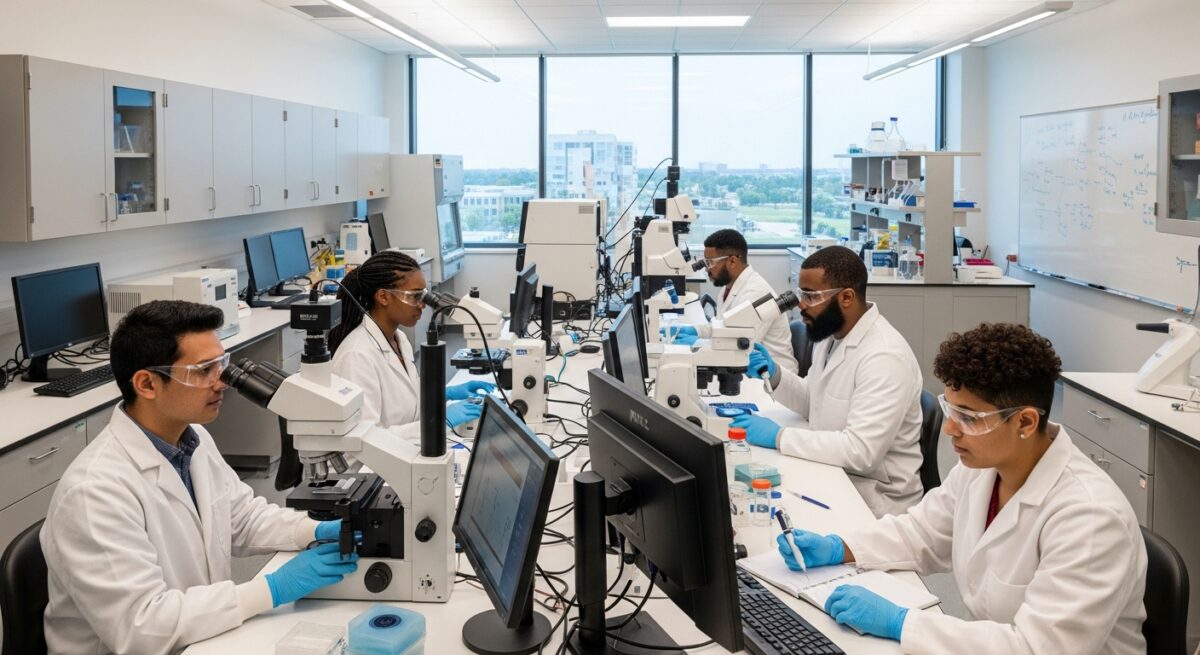
Not all science programs are created equal when it comes to fostering genuine innovation. The top science universities distinguish themselves through a combination of tangible resources, intellectual environment, and proven outcomes. First and foremost is research expenditure. Institutions that consistently secure significant funding from national agencies like the National Science Foundation (NSF), National Institutes of Health (NIH), and the Department of Energy are actively at the forefront of inquiry. This funding translates directly into state-of-the-art facilities: advanced microscopy centers, high-performance computing clusters, clean rooms for nanotechnology, and dedicated field stations for environmental research.
Beyond infrastructure, the faculty composition is critical. Look for departments where professors are not only esteemed educators but also leading figures in their fields, frequently publishing in top-tier journals like Nature, Science, and Cell. Their reputation attracts further funding and creates opportunities for undergraduate research involvement, a key differentiator for aspiring scientists. Furthermore, the culture of collaboration is essential. The most complex modern challenges, such as developing sustainable energy solutions or understanding neural networks, require interdisciplinary approaches. The best institutions break down silos between biology, chemistry, physics, engineering, and data science, fostering centers and institutes where diverse minds converge.
Key Factors to Evaluate in Your College Search
When compiling your list of potential best science colleges, move beyond general rankings and delve into specific metrics and opportunities that align with your interests. A holistic evaluation will give you a clearer picture of where you can thrive.
Start by investigating the undergraduate research opportunities. Does the university have a formalized program to place students in labs early in their academic career? What is the process for securing a research position? Some top science universities guarantee research experiences for students in honors programs or specific majors. Next, examine the output and impact. Review university news feeds and publications to see the frequency of student co-authored papers and major discoveries originating from campus labs. This is a strong indicator of an integrated research community where students are true contributors.
Consider the following checklist as you research each institution:
- Research Funding and Facilities: Annual research budget, recent major grants, and accessibility of core facilities to undergraduates.
- Faculty Accessibility: Professor-to-student ratio in upper-division courses, frequency of Nobel laureates or National Academy members teaching undergraduate classes.
- Publication and Patent Culture: Number of undergraduate co-authors on published papers, university technology transfer office activity (a sign of innovation commercialization).
- Interdisciplinary Pathways: Availability of combined majors, designated research institutes, and cross-departmental course offerings.
- Career and Graduate Outcomes: Placement rates into PhD programs at elite institutions, and career tracks of recent alumni in industry R&D.
Finally, do not overlook the importance of a supportive ecosystem for innovation. This includes robust mentorship programs, dedicated office for undergraduate research, and funding for students to present their work at national conferences. For students interested in applied science, the presence of a strong incubator or partnerships with nearby tech and biotech hubs can be a significant advantage. Exploring top environmental science colleges reveals how specific disciplines often thrive in institutions with unique geographic and research center advantages.
The Interplay Between Education and Discovery
At the heart of the best science colleges is a pedagogical philosophy that treats research not as an extracurricular activity, but as a fundamental component of the curriculum. This model, often called “research-intensive education,” means that the skills of the scientist, hypothesis formulation, experimental design, data analysis, and scientific communication, are woven into coursework from the first year. Lab courses are designed to be investigative rather than demonstrative, mimicking real research challenges.
This approach benefits students in profound ways. It develops critical thinking and problem-solving skills that are highly transferable to any career. It also provides clarity on career paths; by working in a lab, a student can confirm their passion for bench work or discover a preference for computational modeling or science policy. Furthermore, the mentorship from a principal investigator (PI) can be invaluable, often leading to strong letters of recommendation for graduate or professional school. For those considering various degree pathways for students, understanding how deeply research is embedded in a program is a crucial deciding factor.
The synergy between teaching and discovery also revitalizes the faculty. Professors who are actively engaged in research bring the most current questions and techniques into the classroom, ensuring that the curriculum is dynamic and relevant. This creates a virtuous cycle where cutting-edge research informs excellent teaching, which in turn trains the next generation of innovative researchers.
Navigating the Path from Undergraduate to Research Scientist
For a student aiming for a career in research, strategic planning during undergraduate studies is essential. Your goal should be to build a compelling portfolio of experience that demonstrates independence, skill, and scientific maturity. The first step is often the hardest: initiating contact with a research group. Do not wait for an advertised opening. Identify faculty whose work genuinely excites you by reading the abstracts of their recent publications. Craft a concise, professional email expressing your specific interest in their work, mentioning a particular paper, and attaching your resume or CV. Be prepared to start with foundational tasks; the most meaningful projects come after you have proven your reliability and learned the lab’s systems.
Seek out opportunities that allow you to take ownership of a sub-project. This depth of experience is far more valuable than superficial involvement in multiple labs. Document your work meticulously, not just in lab notebooks, but in presentations. Apply for internal fellowships or travel grants to present your findings at a regional or national conference, such as those organized by the American Chemical Society or the Society for Neuroscience. This exposure is invaluable. Furthermore, consider the value of a senior thesis or capstone project, which requires you to integrate a year or more of work into a substantial written document, a direct precursor to graduate-level work.
Frequently Asked Questions
Is it necessary to attend an Ivy League school to have a strong research career?
No. While Ivy League and other elite private universities are consistently among the best science colleges, many public research universities (often labeled R1 institutions) offer equally formidable research opportunities, often at a larger scale and sometimes with greater accessibility for undergraduates. The key is to identify R1 universities with strengths in your specific field of interest.
How early should I get involved in undergraduate research?
Most students begin seeking opportunities in their sophomore year, after completing introductory coursework. However, some programs offer first-year research immersion experiences. The ideal timing balances having enough foundational knowledge to be useful with maximizing the duration of your involvement.
What if I am interested in research but not necessarily a PhD?
A research-intensive undergraduate education is excellent preparation for many careers. The analytical skills, technical expertise, and project management experience are highly sought after in industry R&D, clinical research, science writing, patent law, and public policy. Focus on building transferable skills and seek internships that bridge academic research with industry applications.
How important is the specific research project to my future?
While continuity is beneficial, the specific topic is less critical than the skills you acquire and the mentorship you receive. Demonstrating your ability to master complex techniques, troubleshoot experiments, and contribute to a team project is what graduate schools and employers value most.
The pursuit of science at its highest level requires an environment that matches your ambition. The best science colleges for research and innovation provide the tools, the guidance, and the community to transform curiosity into contribution. By prioritizing hands-on experience, seeking out mentorship, and choosing a university where discovery is part of the institutional DNA, you lay the foundation for a career spent at the frontiers of knowledge. Your choice of undergraduate institution is the first major step in a lifelong journey of scientific exploration.