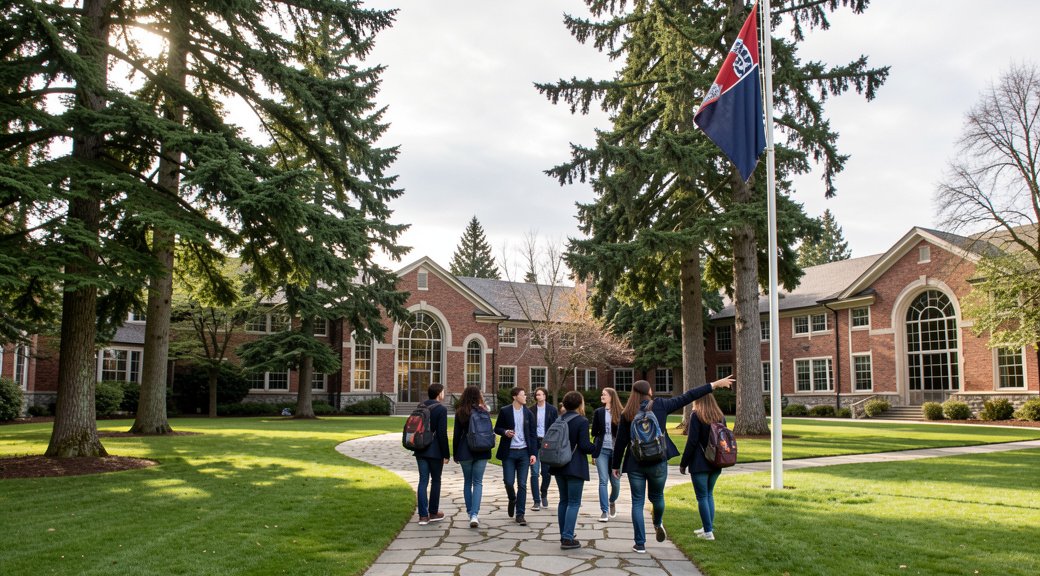
Oregon offers a remarkable array of private educational institutions that consistently rank among the finest in the Pacific Northwest. For students and families seeking smaller class sizes, specialized academic programs, and strong college preparatory tracks, these schools provide compelling alternatives to public education. Whether you are a parent researching elementary options or a high school student planning your college pathway, understanding the landscape of top-ranked private institutions for learning in Oregon can help you make an informed decision that aligns with your academic goals and personal values.
Private schools in Oregon are known for their rigorous curricula, dedicated faculty, and vibrant campus communities. Many of these institutions boast impressive college acceptance rates, robust financial aid programs, and a commitment to developing the whole student. This article explores the most highly regarded private schools across the state, examining what sets them apart and how to evaluate which environment best suits your needs. For those exploring higher education options, our guide on Maryland premier private institutions for learning offers a useful comparison of private education benefits in another region.
Why Choose a Private School in Oregon?
Families turn to private education for many reasons. Smaller class sizes often mean more individualized attention from teachers. Private schools can design their own curricula, allowing for specialized programs in STEM, the arts, or classical education. Many Oregon private schools also emphasize character development, community service, and leadership training as integral parts of their mission.
Another significant advantage is college preparation. Top-ranked private institutions for learning in Oregon frequently have dedicated college counseling offices that guide students through the admissions process, from test preparation to essay writing to financial aid applications. This personalized support can be invaluable for students aiming for selective universities. Additionally, private schools often have strong alumni networks that provide mentorship and internship opportunities.
Financial considerations are important. While private school tuition can be substantial, many Oregon institutions offer need-based financial aid, merit scholarships, and payment plans. It is wise to research each school’s financial aid policies early in the application process. The investment in private education can yield long-term benefits in academic achievement and career readiness.
Oregon’s Most Highly Ranked Private K-12 Schools
Oregon Episcopal School (Portland)
Oregon Episcopal School, known as OES, is consistently recognized as one of the top private schools in the state. Located on a 59-acre campus in Portland’s West Hills, OES serves students from pre-kindergarten through grade 12. The school is known for its rigorous academic program, strong emphasis on environmental stewardship, and a nationally recognized outdoor education program. Upper school students have access to Advanced Placement courses, a robust fine arts department, and competitive athletics.
OES boasts a 100 percent college acceptance rate, with graduates attending top universities across the country. The student-to-teacher ratio is approximately 7:1, ensuring personalized attention. Tuition is competitive for the Portland area, and the school provides substantial financial aid to qualifying families. OES is accredited by the Northwest Association of Independent Schools and the National Association of Independent Schools.
Catlin Gabel School (Portland)
Catlin Gabel is another Portland powerhouse in private education. Serving students from age 3 through grade 12, the school is known for its progressive educational philosophy, strong community values, and commitment to diversity and inclusion. The curriculum emphasizes critical thinking, collaboration, and experiential learning. Catlin Gabel offers an International Baccalaureate diploma program for upper school students, a rigorous alternative to AP courses.
The school’s 68-acre campus includes state-of-the-art science labs, performing arts spaces, and athletic facilities. Catlin Gabel’s college counseling program is highly regarded, and graduates frequently attend Ivy League and other elite institutions. Financial aid is available, and the school is committed to socioeconomic diversity. Catlin Gabel is accredited by the same regional bodies as OES and is a member of the Pacific Northwest Association of Independent Schools.
St. Mary’s Academy (Portland)
St. Mary’s Academy is a private, Catholic college preparatory school for young women in grades 9 through 12. Founded in 1859, it is the oldest continuously operating school in Oregon. St. Mary’s is known for its strong academic program, leadership development opportunities, and supportive sisterhood environment. The school offers a wide range of Advanced Placement and honors courses, as well as a strong STEM program.
Graduates of St. Mary’s Academy are well prepared for college, with many attending top universities and earning significant scholarships. The school emphasizes service learning and social justice, encouraging students to become engaged citizens. Tuition is moderate compared to some other private schools, and financial aid is available. St. Mary’s is accredited by the Western Catholic Educational Association and the Northwest Accreditation Commission.
Top-Ranked Private Colleges and Universities in Oregon
Oregon is also home to several outstanding private colleges and universities that attract students from across the country. These institutions offer undergraduate and graduate programs in a variety of fields, from liberal arts to business to health sciences. For students seeking a traditional college experience with small classes and close faculty mentorship, these schools are excellent choices.
When evaluating private colleges, it is important to consider factors such as academic reputation, graduation rates, career placement services, and campus culture. Each of the following institutions has a unique identity and strengths. Researching thoroughly and visiting campuses can help determine the best fit.
Reed College (Portland)
Reed College is a highly selective liberal arts college known for its rigorous academic program, emphasis on critical thinking, and distinctive required senior thesis. Reed has a strong reputation in the sciences and humanities, and its graduates are among the highest percentage of PhD earners in the country. The college does not offer intercollegiate athletics but has a vibrant campus life with many student-led organizations.
Reed’s campus is located in southeast Portland, offering students access to city amenities while maintaining a quiet, intellectual atmosphere. The student-to-faculty ratio is 9:1, and classes are small and discussion-based. Reed is test-optional for admissions and offers generous need-based financial aid. For students who thrive in an intellectually intense environment, Reed is an outstanding choice.
University of Portland
The University of Portland is a private Catholic university offering undergraduate and graduate programs in arts and sciences, business, engineering, nursing, and education. The university is known for its strong sense of community, ethical leadership focus, and commitment to service. The campus is located in the north Portland area, overlooking the Willamette River.
University of Portland has a 13:1 student-to-faculty ratio and offers over 70 undergraduate majors. The engineering and nursing programs are particularly well regarded. The university provides substantial financial aid and scholarships. Graduates have high job placement rates, especially in health care and engineering fields. The university is accredited by the Northwest Commission on Colleges and Universities.
Lewis & Clark College (Portland)
Lewis & Clark College is a private liberal arts college that also includes a law school and graduate school of education and counseling. The undergraduate college is known for its strong programs in international affairs, environmental studies, and the humanities. The campus is located in a residential neighborhood of Portland, with beautiful grounds and a close-knit community.
Lewis & Clark offers over 30 undergraduate majors and a wide range of study abroad programs. The student-to-faculty ratio is 12:1. The college is test-optional for admissions and provides need-based and merit-based financial aid. Lewis & Clark’s law school is also highly ranked, particularly for environmental law. The college is accredited by the Northwest Commission on Colleges and Universities.
How to Evaluate Private Schools in Oregon
Choosing a private school is a significant decision. Here are key factors to consider when evaluating top-ranked private institutions for learning in Oregon:
- Academic programs: Review the curriculum, graduation requirements, and availability of advanced coursework such as AP, IB, or honors classes. Consider whether the school offers programs that align with your interests.
- School culture and values: Visit the campus, attend an open house, and talk to current students and parents. The school’s mission and community should feel like a good fit for your family.
- College placement and outcomes: Look at college acceptance lists, scholarship data, and graduation rates. Strong college counseling support can make a difference in the admissions process.
- Financial aid and tuition: Understand the full cost of attendance and what financial aid options are available. Many schools offer aid packages that make private education more affordable.
- Location and facilities: Consider the commute, campus safety, and quality of facilities such as libraries, labs, and athletic spaces.
After gathering this information, prioritize schools that meet your most important criteria. Applying to three to five schools is a reasonable range. Be mindful of application deadlines and required materials, such as transcripts, recommendation letters, and essays. Many schools also require an interview or campus visit as part of the admissions process.
Financial Aid and Scholarships for Private Schools
Private education can be expensive, but many families are surprised by the amount of financial aid available. Oregon private schools collectively distribute millions of dollars in aid each year. Aid is typically need-based, meaning it is determined by the family’s financial circumstances. Some schools also offer merit-based scholarships for academic excellence, artistic talent, or athletic achievement.
To apply for financial aid, families usually complete a standardized form such as the School and Student Service for Financial Aid (SSS) or the Parents’ Financial Statement (PFS). Schools then use this information to create a customized aid package. It is important to apply early, as aid funds are often limited. Many schools also offer payment plans to spread tuition costs over the year.
For college-bound students, the Free Application for Federal Student Aid (FAFSA) is essential for accessing federal loans, grants, and work-study programs. Private colleges often require the CSS Profile in addition to the FAFSA. Families should research each school’s specific requirements and deadlines. For additional guidance on navigating financial aid and understanding degree options, readers can find college degree information that covers scholarships, loan options, and academic pathways.
The Admissions Process: Steps to Success
Applying to private schools requires planning and organization. Here is a general timeline to help manage the process:
- Research and exploration (fall of year prior to enrollment): Attend open houses, tour campuses, and review school websites. Create a list of prospective schools.
- Testing and applications (winter): Register for any required entrance exams (SSAT, ISEE, or HSPT). Complete and submit applications, including essays and teacher recommendations.
- Interviews and visits (late winter/early spring): Many schools require or recommend an interview. This is also a good time to shadow a current student or attend a class.
- Financial aid submission (same period as applications): Complete the necessary financial aid forms and submit tax documents as required.
- Decision and enrollment (spring): Schools typically release admissions decisions in March or April. Families then have a few weeks to accept an offer and submit enrollment deposits.
Staying organized and meeting all deadlines is critical. Create a checklist for each school and keep copies of all submitted materials. If you have questions, contact the admissions office directly. They are there to help.
Frequently Asked Questions
What is the average tuition for private schools in Oregon?
Tuition varies widely depending on the school and grade level. For K-12 private schools, annual tuition can range from $10,000 to $40,000 or more. College tuition at private universities is typically higher, often between $40,000 and $60,000 per year before financial aid. Many schools offer significant discounts through aid packages.
Are there any free private schools in Oregon?
There are no tuition-free private schools in Oregon. However, some schools offer full scholarships to a small number of students based on financial need or exceptional merit. Families should inquire directly with each school about available opportunities.
How do Oregon private schools compare to public schools academically?
Private schools often have smaller class sizes, more specialized curricula, and greater flexibility in teaching methods. Public schools are required to serve all students and follow state standards. Both can provide excellent education, but private schools tend to have higher average test scores and college placement rates. However, individual outcomes depend on the student and the specific school.
Do private schools in Oregon require entrance exams?
Many private schools require standardized entrance exams such as the SSAT (Secondary School Admission Test) or ISEE (Independent School Entrance Exam) for admission. Some schools have waived testing requirements in recent years. Check each school’s admissions page for current policies.
Can international students attend private schools in Oregon?
Yes, many Oregon private schools welcome international students. They often issue I-20 forms for F-1 student visas. International students should verify that the school is SEVP-certified and inquire about English language support programs and homestay options.
Making Your Final Decision
Selecting a school is a deeply personal choice. The top-ranked private institutions for learning in Oregon each offer unique environments, strengths, and opportunities. Visiting campuses, talking to faculty and current students, and reflecting on your own priorities will guide you to the right decision. Remember that the best school is the one that aligns with your academic goals, personal values, and family circumstances. Private education is an investment in your future, and Oregon’s schools are well equipped to help you succeed.