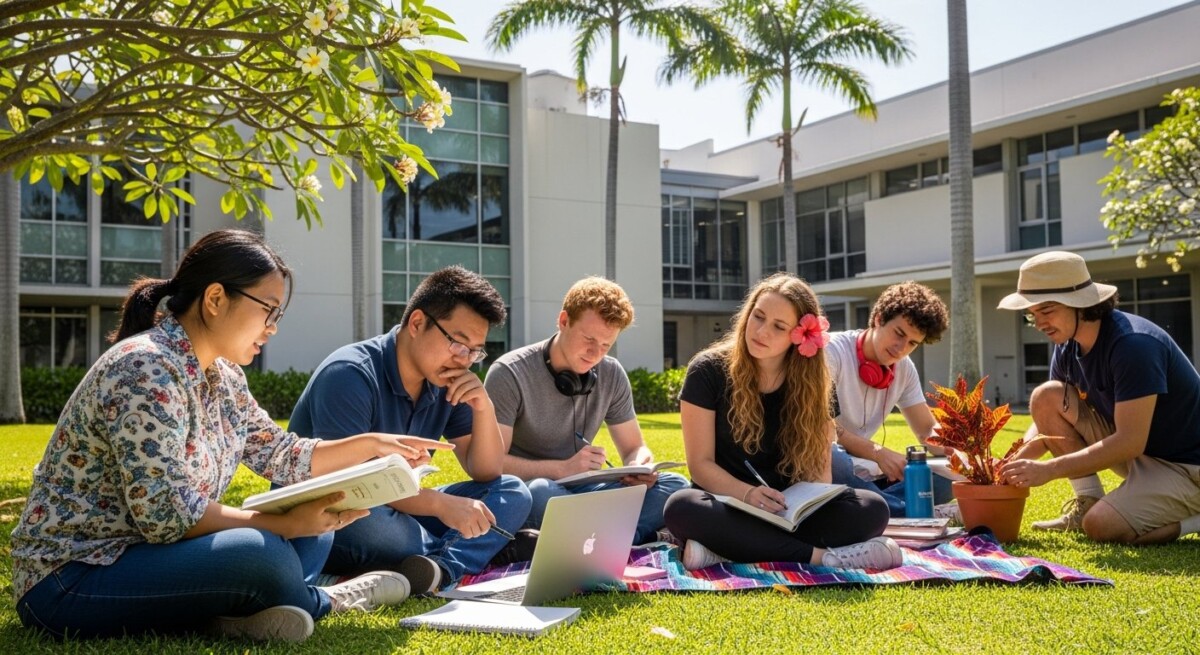
Hawaii offers a unique blend of academic rigor and island culture that draws students from across the globe. While the University of Hawaii system dominates the public sector, the state’s private institutions provide intimate class sizes, specialized programs, and strong alumni networks. For students seeking a personalized education in paradise, understanding the landscape of top private universities and colleges in Hawaii is essential. These schools range from nationally ranked research universities to small liberal arts colleges, each with distinct strengths.
Why Choose a Private College in Hawaii?
Private institutions in Hawaii offer advantages that public universities often cannot match. Smaller student-to-faculty ratios mean more individualized attention and mentorship opportunities. Many private schools also have robust financial aid packages, making them more affordable than their sticker prices suggest. For example, Hawaii Pacific University and Chaminade University both offer merit-based scholarships that can significantly reduce tuition costs.
Beyond academics, private colleges in Hawaii emphasize community engagement and cultural immersion. Students often participate in service-learning projects that connect classroom theory with real-world challenges unique to the islands, such as sustainability, tourism management, and Native Hawaiian heritage preservation. This hands-on approach prepares graduates for careers that require both global perspective and local understanding.
The Leading Private Universities and Colleges in Hawaii
Several institutions stand out for their academic reputation, program offerings, and student outcomes. Below is a closer look at the most notable options.
Brigham Young University-Hawaii
Located on the North Shore of Oahu, BYU-Hawaii is a private university affiliated with The Church of Jesus Christ of Latter-day Saints. It emphasizes a liberal arts education with a global focus. The university is known for its diverse student body, with representatives from more than 70 countries. Programs in business, biology, and intercultural peacebuilding are particularly strong. Tuition is relatively affordable for a private school, and many students receive financial assistance through church-sponsored scholarships.
BYU-Hawaii also operates the Polynesian Cultural Center, which provides students with hands-on experience in hospitality, marketing, and cultural education. This partnership creates unique internship opportunities that blend academic learning with practical skills.
Hawaii Pacific University
Hawaii Pacific University (HPU) is the largest private university in the state, with campuses in downtown Honolulu and Kaneohe. HPU offers over 50 undergraduate majors and more than 20 graduate programs. Its strengths include nursing, business administration, marine science, and cybersecurity. The university’s location in the heart of Honolulu provides students with access to internships at major corporations, government agencies, and nonprofit organizations.
HPU is also known for its flexible learning options, including online and hybrid programs. For students who need to balance work or family responsibilities, this flexibility can be a game-changer. The university’s career services office reports that 94% of graduates find employment or enroll in graduate school within six months of graduation.
Chaminade University of Honolulu
Chaminade University is a Catholic university that emphasizes social justice, community service, and academic excellence. Located in the residential neighborhood of Kaimuki, Chaminade offers small classes and personalized advising. Popular majors include forensic sciences, education, nursing, and business. The university also has a strong online program, particularly for adult learners pursuing degrees in criminal justice or organizational leadership.
Chaminade’s commitment to service learning is a hallmark of its mission. Students regularly participate in projects that address homelessness, environmental conservation, and educational equity in Hawaii. This focus on real-world impact attracts students who want their education to make a difference.
University of the Nations (Kona Campus)
While not a traditional university in the accreditation sense, the University of the Nations (U of N) in Kona offers specialized training in fields like counseling, education, and community development. It is the global training center for Youth With A Mission (YWAM). Students come from all over the world for short-term certificate programs and degree pathways. The campus is known for its intensive, hands-on curriculum and cross-cultural focus.
U of N is ideal for students seeking a non-traditional educational experience centered on faith-based service and global outreach. Its programs are not regionally accredited, so students should verify transferability of credits if they plan to continue at another institution.
Remington College-Honolulu Campus
Remington College is a private career-focused institution with a campus in Honolulu. It offers diploma and associate degree programs in fields such as medical assisting, pharmacy technology, and business administration. The school emphasizes practical training and job placement assistance. For students who want to enter the workforce quickly, Remington College provides accelerated programs that can be completed in less than two years.
How to Choose the Right Private College in Hawaii
Selecting among the top private universities and colleges in Hawaii requires careful consideration of several factors. Start by defining your academic and career goals. If you are interested in marine biology, for instance, HPU’s oceanography program may be the best fit. If you value a faith-based community, BYU-Hawaii or Chaminade might align better with your values.
Consider the following criteria when evaluating schools:
- Accreditation: Ensure the institution is regionally accredited, which affects credit transfer and eligibility for federal financial aid.
- Program offerings: Look for majors and minors that match your interests, as well as opportunities for research, internships, and study abroad.
- Cost and financial aid: Compare tuition, fees, and the availability of scholarships, grants, and work-study programs.
- Campus culture: Visit the campus or attend virtual information sessions to gauge the student community and support services.
- Location: Consider whether you prefer an urban campus like HPU’s Honolulu location or a more suburban setting like Chaminade’s Kaimuki neighborhood.
After narrowing down your options, reach out to admissions offices and current students to get a genuine sense of daily life. Many private colleges offer overnight visit programs that allow prospective students to attend classes and stay in dorms. These experiences can be invaluable in making a final decision.
Financial Aid and Scholarships at Hawaii Private Colleges
Private colleges often have higher tuition than public universities, but they also tend to offer more generous financial aid. For example, BYU-Hawaii guarantees a significant tuition discount for members of the LDS Church. HPU offers the President’s Scholarship, which covers up to full tuition for high-achieving students. Chaminade provides need-based grants and merit scholarships that can reduce costs substantially.
To maximize your financial aid, complete the Free Application for Federal Student Aid (FAFSA) as early as possible. Many private schools also require the CSS Profile for institutional aid. Additionally, explore external scholarships from local organizations, such as the Hawaii Community Foundation, which awards hundreds of scholarships each year to Hawaii residents.
For a broader perspective on how to evaluate degree options and make informed decisions, visit our guide on college degree information to compare programs across different institutions.
Career Outcomes and Alumni Networks
Graduates from Hawaii’s private colleges often find success in fields that leverage the state’s unique economy. Tourism, healthcare, education, and technology are major employment sectors. HPU’s alumni network includes executives at Hawaiian Airlines, Bank of Hawaii, and The Queen’s Health Systems. Chaminade graduates frequently work in Hawaii’s public schools and nonprofit sector. BYU-Hawaii alumni are scattered across the globe in business, diplomacy, and religious service.
Private colleges also provide robust career services. HPU’s Career Development Center offers resume workshops, mock interviews, and job fairs. Chaminade’s Career Services office connects students with internships at organizations like the Honolulu Zoo and the Bishop Museum. These resources help students transition smoothly from college to career.
Frequently Asked Questions
Are private universities in Hawaii expensive?
Tuition at private colleges in Hawaii ranges from approximately $10,000 to $30,000 per year. However, most students receive financial aid that reduces the actual cost. BYU-Hawaii, for instance, has a tuition of around $6,000 for LDS members after church subsidies. Always check the net price calculator on each school’s website for a personalized estimate.
Can I work while attending a private college in Hawaii?
Yes. Many students work part-time on campus or in nearby businesses. HPU and Chaminade offer work-study programs that allow students to earn money while gaining experience. International students on F-1 visas can work up to 20 hours per week on campus during the academic year.
What is the student life like at private colleges in Hawaii?
Student life varies by institution. BYU-Hawaii has a strong focus on community and spiritual activities, with regular devotionals and service projects. HPU offers a vibrant urban experience with clubs, athletics, and cultural events. Chaminade provides a quieter, community-oriented atmosphere with opportunities for service and outdoor recreation. All schools take advantage of Hawaii’s natural beauty for surfing, hiking, and beach activities.
How do I apply to private colleges in Hawaii?
Each school has its own application process. Most use the Common Application or their own institutional application. Requirements typically include transcripts, letters of recommendation, a personal essay, and standardized test scores (though many schools are test-optional). Deadlines vary, but early action and regular decision options are common. Check each university’s admissions page for specific details.
In our guide on Top Private Universities and Colleges in Pennsylvania, we explain how to compare institutions across different states. The same principles apply when evaluating Hawaii’s private schools.
Choosing among the top private universities and colleges in Hawaii is a significant decision that shapes your academic journey and future career. By researching each institution’s strengths, financial aid options, and campus culture, you can find the school that best fits your goals. Whether you dream of studying marine science at HPU or pursuing a faith-based education at BYU-Hawaii, Hawaii’s private colleges offer pathways to success in a truly unique setting. Take the next step by scheduling campus visits, speaking with admissions counselors, and submitting your applications with confidence.