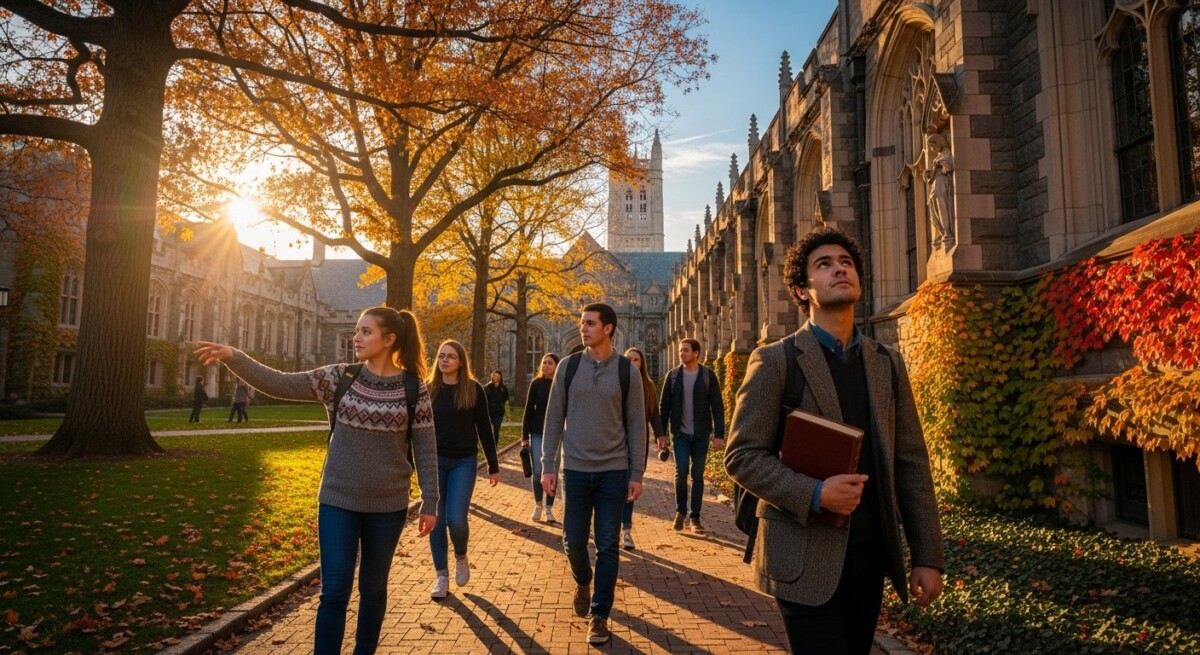
Illinois is home to some of the nation’s most respected private colleges and universities, offering students a blend of rigorous academics, vibrant campus life, and strong career outcomes. Whether you are drawn to the historic charm of a liberal arts college in a small town or the research power of a major university in Chicago, the state’s private institutions provide options that can transform your educational journey. Choosing where to invest your time and tuition dollars is a significant decision, and understanding what these schools offer is the first step toward making an informed choice.
Private colleges in Illinois stand out for their smaller class sizes, personalized attention from faculty, and often more generous financial aid packages compared to public universities. Many of these schools have strong alumni networks that open doors to internships and jobs across the Midwest and beyond. For families weighing the cost of higher education, it is important to note that the sticker price of a private university is rarely what students actually pay. Most institutions use a combination of merit scholarships and need-based grants to make attendance affordable. The key is to research each school’s net price calculator and financial aid policies early in the application process.
Why Choose a Private College in Illinois?
Private institutions in Illinois offer distinct advantages that appeal to a wide range of students. One major benefit is the focus on undergraduate teaching. At schools like Lake Forest College or Knox College, professors are deeply invested in student success, often serving as mentors beyond the classroom. This close interaction fosters critical thinking, strong writing skills, and the confidence to tackle complex problems. Additionally, private colleges frequently have more flexible curricula, allowing students to design majors, combine fields, or pursue double degrees without the bureaucratic hurdles common at larger public universities.
Another compelling reason is the sense of community. Private campuses tend to be more cohesive, with students living and learning in an environment that encourages collaboration over competition. This atmosphere can be especially valuable for first-generation college students or those who thrive in supportive settings. Furthermore, many private colleges in Illinois have strong ties to Chicago’s industries, including finance, healthcare, technology, and the arts. Internships at Fortune 500 companies, museums, and hospitals are often built into the academic calendar, giving students real-world experience before graduation.
For students exploring their options, our guide on Best Private Colleges and Universities in Maine provides a useful comparison of how private institutions in different states structure their programs and support services. While the geography differs, the principles of choosing a school that fits your academic and financial needs remain consistent.
Leading Private Colleges and Universities in Illinois
The landscape of leading private colleges and universities in Illinois includes a mix of nationally ranked research universities, nationally recognized liberal arts colleges, and specialized institutions. Below is an overview of several standout schools, categorized by their primary strengths.
University of Chicago
The University of Chicago is a world-renowned research university located in the Hyde Park neighborhood. Known for its rigorous intellectual culture and the Chicago School of Economics, it consistently ranks among the top universities globally. UChicago offers undergraduate students a core curriculum that emphasizes critical thinking and interdisciplinary study. The university’s financial aid is among the most generous in the country, with a no-loan policy for families earning under a certain threshold. Students here benefit from a vibrant campus life that includes a strong tradition of debate, theater, and community service.
Northwestern University
Located in Evanston just north of Chicago, Northwestern University combines a top-tier research environment with a strong emphasis on undergraduate education. Its schools of journalism, engineering, music, and business are particularly well-regarded. Northwestern’s quarter system allows students to take more courses and explore diverse interests. The university also boasts a robust alumni network in media, consulting, and technology. Campus life is enriched by Division I athletics and a lively arts scene. Northwestern meets 100 percent of demonstrated financial need for all admitted students.
Wheaton College (Illinois)
Wheaton College is a highly respected Christian liberal arts college located in Wheaton, Illinois. It is known for its academic excellence, faith integration, and commitment to shaping students for lives of service. The college offers over 50 majors and has strong programs in the sciences, humanities, and biblical studies. Wheaton’s campus community is close-knit, and students often describe the environment as intellectually stimulating yet supportive. The school’s alumni include notable figures in ministry, politics, and the arts. Wheaton provides generous merit scholarships and need-based aid to make its education accessible.
Loyola University Chicago
Loyola University Chicago is a Jesuit Catholic university that emphasizes social justice, service learning, and a holistic education. With its main campus on the shores of Lake Michigan, Loyola offers stunning views and a strong sense of place. The university is particularly known for its programs in business, nursing, law, and environmental science. Students benefit from Chicago’s resources while enjoying a campus that feels like a retreat. Loyola’s financial aid packages often include scholarships for academic achievement and community involvement. The university’s commitment to diversity and inclusion makes it a welcoming choice for students from all backgrounds.
Knox College
Knox College, located in Galesburg, is a nationally ranked liberal arts college known for its innovative curriculum and strong writing program. The college’s “First-Year Preceptorial” course is a hallmark that builds critical thinking skills from day one. Knox offers over 60 majors and minors, and students are encouraged to pursue independent research and study abroad. The campus is historically significant for its role in the abolitionist movement. Knox provides substantial merit scholarships, and the average financial aid package covers a significant portion of tuition. The college’s close-knit community and dedicated faculty make it a transformative environment for learning.
Financial Aid and Affordability
One of the biggest misconceptions about private colleges is that they are unaffordable. In reality, leading private colleges and universities in Illinois often provide more generous financial aid than public institutions. Many schools use a combination of need-based grants and merit scholarships to reduce the net price. For example, the University of Chicago and Northwestern both meet full demonstrated need without loans. Smaller colleges like Knox and Lake Forest offer substantial merit awards that can bring the cost of attendance in line with in-state public universities.
To get a realistic picture of costs, families should use each school’s net price calculator. This tool provides an estimate of what a specific family might pay after grants and scholarships. It is also wise to apply for external scholarships and complete the FAFSA early. For students seeking more information about degree options and financial planning, visiting a resource like college degree information can help clarify the steps to secure funding and choose a program that aligns with career goals.
Academic Programs and Opportunities
Beyond the classroom, private colleges in Illinois offer a wealth of opportunities for experiential learning. Internships, research projects, and study abroad programs are integrated into the academic experience. At Loyola, for instance, students can participate in the Center for Experiential Learning, which connects them with community organizations and corporate partners. At Knox, the “Praire Fire” program funds student-led research and creative projects during the summer. These hands-on experiences build resumes and help students clarify their career paths.
Students should also consider the availability of interdisciplinary programs. Many private colleges allow students to combine majors or create custom concentrations. For example, a student at Wheaton might double major in environmental science and political science to prepare for a career in environmental policy. At the University of Chicago, the “Chicago Studies” program lets students explore the city as a living laboratory. Such flexibility is a major advantage of private institutions.
Campus Life and Community
Campus life at Illinois private colleges is as diverse as the schools themselves. At Northwestern, students enjoy a vibrant social scene with over 500 student organizations, Division I sports, and easy access to Chicago. At Knox, the community is tighter, with traditions like “Pumphandle” (a student-run theater festival) and a strong focus on inclusivity. Loyola’s campus offers a balance of urban access and lakefront tranquility. Students should visit campuses, talk to current students, and attend admitted student events to gauge which environment feels right.
Housing options vary widely. Some schools require on-campus living for the first two years, while others offer apartments and theme houses. Meal plans, safety services, and health centers are standard. Many private colleges also provide robust support for mental health, career counseling, and academic tutoring.
Career Outcomes and Alumni Networks
Graduates of leading private colleges and universities in Illinois enjoy strong career outcomes. Northwestern’s alumni network is particularly powerful in media, law, and business. The University of Chicago’s career services office reports high placement rates in finance, consulting, and academia. Loyola’s partnerships with Chicago hospitals and law firms provide direct pipelines to employment. Knox and Wheaton alumni often credit their schools’ career offices and alumni mentors for helping them land jobs in education, non-profits, and the arts.
Many schools also offer graduate school preparation. Pre-law and pre-med advising programs are common, and students often gain admission to top-tier professional schools. For those who choose to enter the workforce immediately, internships and career fairs are invaluable. Private colleges typically have dedicated career centers that offer resume workshops, mock interviews, and employer networking events.
Frequently Asked Questions
Are private colleges in Illinois more expensive than public universities?
While the sticker price is higher, the net cost after financial aid can be similar or even lower at private colleges. Many private schools offer generous merit scholarships and need-based grants that reduce the actual cost significantly. Families should use net price calculators to compare.
What is the smallest private college in Illinois?
Several small liberal arts colleges enroll fewer than 1,000 students. Examples include Principia College in Elsah and Eureka College. These schools offer extremely personalized attention and close faculty relationships.
Do private colleges in Illinois offer online degrees?
Some private universities offer online or hybrid programs, particularly at the graduate level. For undergraduate degrees, most private colleges in Illinois emphasize on-campus, residential learning. However, a few schools like DePaul University have robust online options.
How do I apply to private colleges in Illinois?
Most schools accept the Common Application or their own application. Requirements typically include transcripts, essays, letters of recommendation, and standardized test scores (though many are now test-optional). Deadlines vary, so check each school’s website.
Choosing among leading private colleges and universities in Illinois requires careful consideration of academic fit, campus culture, and financial realities. Each institution offers a unique blend of strengths, and the right choice depends on your personal goals and values. By researching thoroughly, visiting campuses, and engaging with admissions counselors, you can find a school that will support your growth and set you on a path to success. The investment in a private college education in Illinois can pay dividends for a lifetime. college degree information