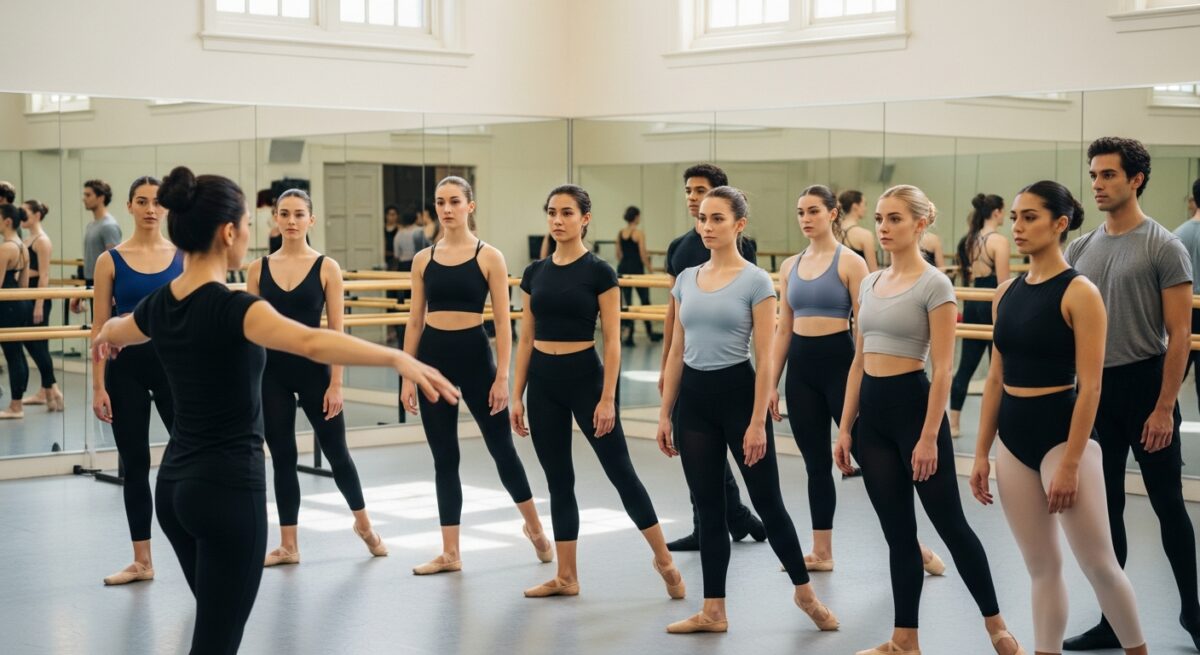
Choosing the right college for dance is a pivotal decision that shapes an artist’s technical foundation, creative voice, and professional trajectory. For performing arts students, the ideal institution offers more than just rigorous training, it provides a holistic ecosystem of artistic mentorship, performance opportunities, and career preparation. The search for the best dance colleges requires careful consideration of curriculum philosophy, faculty credentials, facility resources, and alumni success. This guide explores leading programs that consistently rank at the top of dance school rankings, helping you navigate a critical step toward a vibrant career in movement and expression.
Defining Excellence in Dance Education
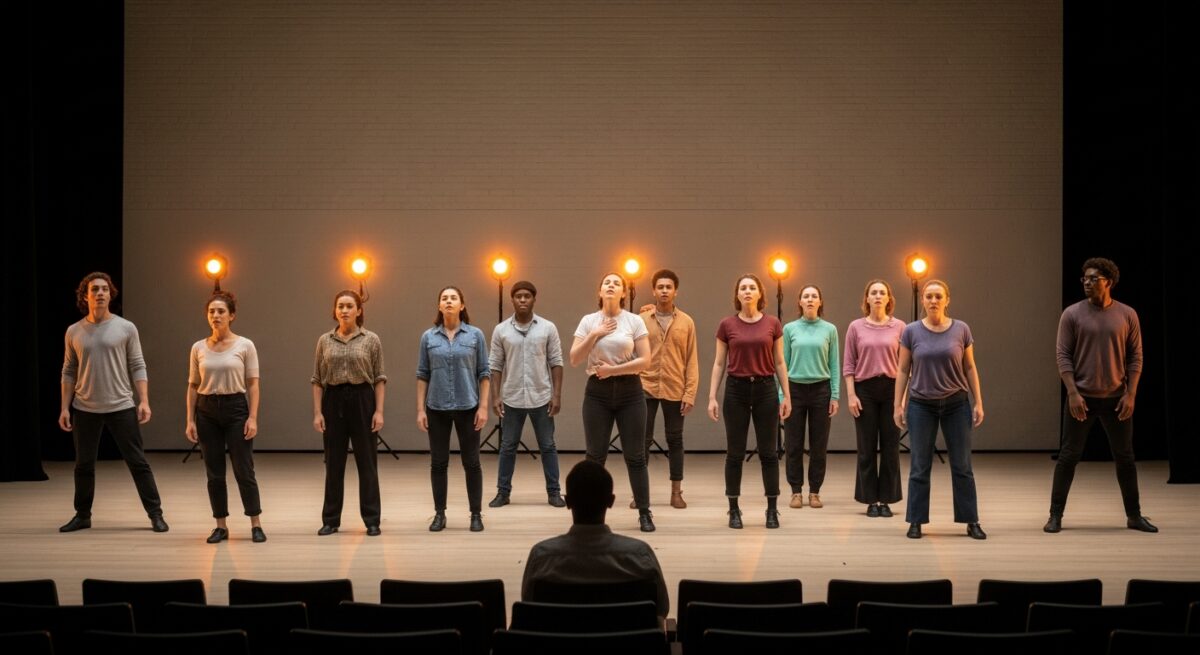
What separates a good dance program from an exceptional one? The answer lies in a combination of factors that cater to both the artist and the scholar within each student. Top-tier performing arts colleges offer a balanced yet intensive approach. They foster technical mastery in various dance disciplines, from classical ballet and contemporary modern to jazz and global forms, while simultaneously cultivating creative choreography, performance theory, and dance history. The faculty often comprises working professionals and renowned artists who provide not only instruction but also industry connections. Furthermore, these institutions prioritize performance as an integral part of learning, with numerous stage productions, student showcases, and even professional company collaborations built into the curriculum.
Beyond the studio, the best dance colleges for performing arts students integrate academic rigor. A strong liberal arts component ensures dancers graduate as well-rounded individuals and insightful artists. Programs may also offer specialized tracks in areas like dance science, which focuses on anatomy and injury prevention, or dance education, which prepares students for teaching credentials. When evaluating programs, prospective students should look for accreditation from bodies like the National Association of Schools of Dance (NASD), which signifies adherence to high educational standards. The physical resources, including studio space with sprung floors, theater facilities, and physical therapy support, are also critical indicators of a program’s investment in student well-being and success.
Leading Conservatory and University Programs
The landscape of elite dance education is diverse, encompassing both dedicated conservatories and large university departments. Each model offers distinct advantages. Conservatories, such as the Juilliard School or the Boston Conservatory at Berklee, provide an intensely focused environment where dance is the central, all-consuming discipline. The training is typically pre-professional in nature, designed to prepare students for immediate entry into dance companies or the commercial industry. The daily schedule is dominated by technique classes, rehearsals, and related coursework, creating a immersive “dancer’s lifestyle.”
In contrast, dance programs within major research universities offer the benefits of a broad college experience. Students can pursue a Bachelor of Arts or Bachelor of Fine Arts in Dance while having access to a wide array of academic minors, double majors, and campus life activities. Schools like the University of North Carolina School of the Arts (which blends conservatory intensity within a university system) or the University of Michigan’s Department of Dance exemplify this model, providing world-class training alongside a traditional university degree. This path is ideal for students who seek versatility, perhaps combining dance with interests in business, arts administration, or digital media. For those considering flexible or hybrid learning models, exploring reputable online education resources can provide valuable context for supplemental or academic coursework, though studio training remains irreplaceable for the core dance curriculum.
Key Considerations for Your Selection
Selecting among the best dance colleges is a deeply personal process. A program’s prestige is less important than its fit for your individual goals, learning style, and artistic interests. Begin by auditing your own aspirations: Are you aiming for a career in a classical ballet company, contemporary concert dance, commercial dance (e.g., music videos, Broadway), or dance therapy? Different programs have different strengths. Next, consider the program’s philosophical approach. Some emphasize a specific technique lineage (Graham, Horton, Balanchine), while others encourage a more eclectic, fusion-based training.
The audition process itself is a revealing glimpse into a program’s culture. Prepare thoroughly, as auditions assess not only your current technical ability but also your potential, artistry, and trainability. It is advisable to attend prospective student days, take virtual tours, and, if possible, observe classes. Speaking directly with current students can provide unfiltered insights into daily life, faculty relationships, and post-graduation support. Financial investment is another crucial factor, investigate scholarship opportunities, work-study programs specific to the arts, and the institution’s record of graduate career placement. A thoughtful selection process, as detailed in our guide on how to choose the best performing arts colleges, is the first step toward a fulfilling educational journey.
Notable Programs and Their Distinguishing Features
While rankings can fluctuate, several institutions are perennially recognized for their outstanding contributions to dance education. Their distinguishing features offer a roadmap of what to look for in a top program.
The Juilliard School’s Dance Division is legendary for its rigorous conservatory training that produces versatile, powerful performers. Its four-year curriculum balances ballet and modern techniques with a strong emphasis on composition and performance, culminating in annual fully-produced concerts at Lincoln Center. The University of North Carolina School of the Arts (UNCSA) provides a similarly intensive conservatory environment with a focus on preparing students for professional companies, boasting one of the most comprehensive performance schedules of any school. On the university side, the University of Michigan’s Department of Dance within the School of Music, Theatre & Dance offers a top-ranked BFA program known for its blend of creative and scholarly inquiry, exceptional performance opportunities, and strong links to the American dance diaspora.
Other exemplary programs include New York University’s Tisch School of the Arts, which immerses students in the heart of New York City’s dance scene, and the Alonzo King LINES Ballet BFA Program at Dominican University of California, which is distinguished by its unique contemporary ballet language and global perspective. For students interested in the intersection of dance and technology, California Institute of the Arts (CalArts) offers a forward-thinking program that encourages interdisciplinary collaboration with other art forms. When researching, look for these hallmark features:
- Performance Frequency: Multiple, fully-produced concerts per year with professional lighting, sound, and costumes.
- Faculty Activity: Instructors who are actively creating, performing, or researching in the field.
- Alumni Network: Graduates who have secured positions in reputable companies, on Broadway, or in graduate programs.
- Facility Quality: Ample studios with proper flooring (sprung floors, Marley), dedicated performance theaters, and wellness centers.
- Curriculum Breadth: Courses in dance history, kinesiology, music for dancers, teaching methods, and career development.
Remember, the “best” program is the one that aligns with your personal definition of success as a performing arts student. It should challenge you technically, inspire you creatively, and support you holistically.
Beyond Technique: The Complete Dancer’s Education
The journey through a premier dance college is about forging an identity as a complete dance artist and professional. This requires education that extends far beyond the barre. Leading programs incorporate critical studies in dance history and theory, helping students understand the cultural and social contexts of the art form. Courses in anatomy, kinesiology, and nutrition are no longer electives but essentials, equipping dancers with the knowledge to sustain long, healthy careers. Many programs now include mandatory courses in career entrepreneurship, covering topics like resume building, audition strategies, grant writing, and digital self-promotion, which are invaluable for navigating the freelance landscape that many graduates will enter.
Furthermore, the best dance colleges for performing arts students create pathways for interdisciplinary exploration. Collaborations with music composition students, theater designers, and digital media artists mimic real-world creative processes and expand a dancer’s artistic vocabulary. Study abroad programs at partner conservatories in Europe or Asia can provide transformative global perspectives. The goal is to graduate not just as a skilled mover, but as a thinking, adaptable, and resilient artist who can contribute to the evolution of the field. This comprehensive preparation is what ultimately defines the value of a degree from a top-performing arts college and separates it from standalone studio training.
Frequently Asked Questions
What is the difference between a BFA and a BA in Dance?
A Bachelor of Fine Arts (BFA) is a professional, studio-intensive degree where approximately two-thirds of the coursework is in dance. It is designed for students pursuing performance or choreography careers. A Bachelor of Arts (BA) offers a broader liberal arts education with a dance major, requiring more academic coursework outside the department. It is ideal for students interested in double majors, dance scholarship, or fields like therapy or arts administration.
How important is a program’s accreditation?
Accreditation by the National Association of Schools of Dance (NASD) is a significant marker of quality. It ensures the program meets national standards for curriculum, faculty qualifications, and facilities. It also often allows for the transfer of credits and eligibility for federal financial aid.
Should I choose a conservatory or a university dance program?
This depends on your goals. If you want an immersive, pre-professional environment focused solely on dance training, a conservatory may be best. If you desire a traditional college experience with the option to explore other academic interests alongside dance, a university program is likely a better fit.
What should I expect in a dance program audition?
Auditions typically include taking technique classes in ballet and modern dance (and sometimes jazz), a short solo performance, and possibly an interview. They assess your technical skill, physical facility, artistic expression, and potential for growth.
Can I have a career in dance without attending a top college?
Yes. While top colleges provide exceptional training and networks, a successful career is built on talent, perseverance, and professional connections. Many dancers build careers through company schools, intensive workshops, and professional apprenticeships. However, a college degree provides valuable long-term career flexibility and educational depth.
Your search for the right dance program is the first act in your professional story. By prioritizing a curriculum that challenges your body, engages your mind, and nurtures your artistic spirit, you lay a foundation for a dynamic and sustainable career in the performing arts. The discipline, creativity, and resilience you develop in these formative years will serve you on stage and in every future endeavor.