Choosing the right university for a forensic science degree is a critical decision that shapes your expertise, career trajectory, and impact within the justice system. Forensic science is a multidisciplinary field, blending biology, chemistry, law, and technology to analyze physical evidence. The best universities for forensic science programs distinguish themselves through rigorous curricula, hands-on laboratory and fieldwork, strong connections with law enforcement agencies, and faculty who are leaders in the field. This guide explores the key factors that define top-tier forensic science education and highlights institutions renowned for their excellence, providing a roadmap for prospective students to find the program that aligns with their professional aspirations.
What Defines a Premier Forensic Science Program?
Not all forensic science degrees are created equal. The most respected programs share several core characteristics that ensure graduates are not only knowledgeable but also job-ready. First and foremost is accreditation. In the United States, seeking programs accredited by the Forensic Science Education Programs Accreditation Commission (FEPAC) is crucial. FEPAC accreditation signifies that a program meets rigorous standards for curriculum, faculty qualifications, and resources, a mark highly valued by employers. Beyond accreditation, a premier program offers a balanced curriculum that covers the scientific fundamentals (organic chemistry, genetics, statistics) alongside specialized forensic applications (crime scene investigation, toxicology, DNA analysis).
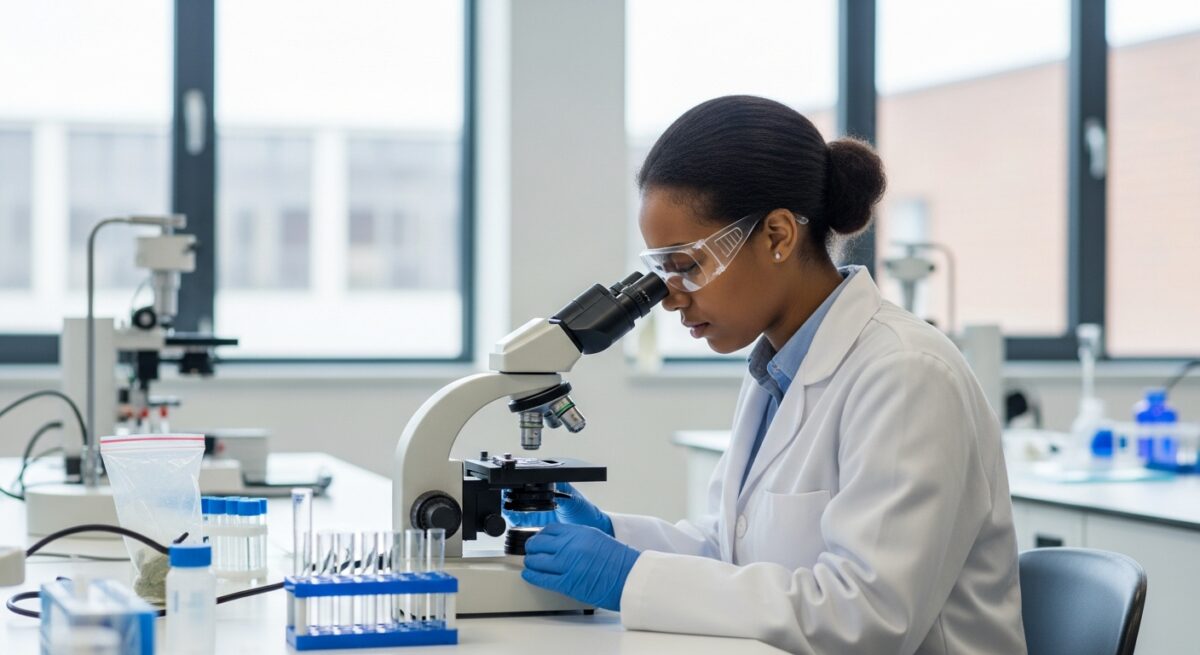
Practical, experiential learning is the cornerstone of effective forensic science education. The best programs integrate extensive laboratory work using industry-standard equipment, such as comparison microscopes, gas chromatograph-mass spectrometers (GC-MS), and DNA sequencers. Furthermore, they provide opportunities for internships or cooperative education placements with crime laboratories, medical examiner offices, or federal agencies like the FBI or DEA. This real-world experience is invaluable, allowing students to apply classroom theory and build professional networks. Faculty expertise is another differentiator; programs led by professors with active research portfolios or prior professional experience in crime labs bring current practices and challenges directly into the classroom.
Leading Forensic Science Programs in the United States
The United States is home to many of the world’s most recognized forensic science programs, often housed within universities with strong criminal justice or scientific research traditions. These institutions set the benchmark for education in this field.
Pennsylvania State University offers a highly regarded forensic science program through its Eberly College of Science. Its B.S. in Forensic Science provides two options: a Biology track and a Chemistry track, allowing students to specialize based on their interests. The program emphasizes a strong science core and benefits from Penn State’s extensive research facilities. Similarly, the University of Central Florida (UCF) in Orlando hosts a FEPAC-accredited program that leverages its proximity to numerous law enforcement and forensic agencies. UCF’s National Center for Forensic Science provides unique research and training opportunities for undergraduate and graduate students.
For those interested in a program with a deep historical connection to the field, George Washington University in Washington, D.C., is a standout choice. Its location offers unparalleled access to federal agencies. Michigan State University’s School of Criminal Justice also runs a top-tier forensic science program, known for its interdisciplinary approach and research in areas like digital forensics and forensic biology. Another notable institution is Syracuse University, which offers both undergraduate and graduate programs with a focus on hands-on learning and ethical practice. When evaluating these and other top schools, prospective students should consider factors like lab access, internship placement rates, and graduate employment outcomes as part of their degree planning for students.
Specialized Concentrations and Emerging Fields
Modern forensic science extends far beyond the traditional crime scene investigator role. Leading universities now offer specialized concentrations that cater to niche areas within the field, allowing students to tailor their education to specific career goals. Understanding these specializations is key to selecting the right program.
Digital Forensics and Cybersecurity is one of the fastest-growing specializations. It involves the recovery and investigation of material found in digital devices, crucial for solving cybercrimes, fraud, and cases involving digital evidence. Programs strong in this area, like those at Purdue University or the University of Maryland, combine computer science with criminal procedure. Forensic Chemistry and Toxicology focuses on the analysis of drugs, explosives, fire debris, and trace evidence. A robust chemistry foundation is essential, and schools with strong chemistry departments, such as the University of Illinois at Chicago, often excel here.
Forensic Biology and DNA Analysis remains a core and highly technical specialization. It requires deep knowledge of genetics, molecular biology, and biochemistry. Universities with associated medical schools or biomedical research centers, like Boston University, frequently provide exceptional training in this area. Other important concentrations include Forensic Anthropology (the study of human remains), Forensic Odontology (dental evidence), and Forensic Psychology, which examines the psychological aspects of legal cases. The rise of these specializations reflects the field’s evolution and the need for experts who can navigate complex, technical evidence.
Evaluating Program Quality and Fit
With many options available, conducting thorough research is essential to find a program that matches your academic strengths and career objectives. A systematic evaluation should go beyond university rankings and consider several practical factors.
Start by scrutinizing the curriculum in detail. Does it provide the scientific depth required for your intended specialization? Look for required courses in physics, calculus, and intensive laboratory science. Examine the elective offerings and capstone or research project requirements. Next, investigate the faculty. Do professors have forensic lab experience or active research grants? Faculty credentials directly impact the quality of instruction and mentorship available. Resources and facilities are equally important. A modern, well-equipped teaching lab is a non-negotiable feature of a quality program. Some schools even have mock crime scene houses or vehicles for realistic training.
Career support and outcomes are perhaps the most critical metrics. Ask the admissions or department office for data on internship placements, graduate employment rates, and the types of employers who hire their alumni (e.g., state crime labs, federal agencies, private firms). A strong program will have established pipelines to employers. Finally, consider the learning environment and format. Some students thrive in large research universities with vast resources, while others prefer the focused attention of a smaller college. For working professionals, exploring flexible online or hybrid options can be vital, a topic covered in depth in our guide on Exploring the Best Online Degrees in the UK.
Frequently Asked Questions
What is the difference between a forensic science degree and a criminal justice degree?
A forensic science degree is heavily rooted in the natural sciences (biology, chemistry, physics) and focuses on the technical analysis of physical evidence. A criminal justice degree focuses on the legal, sociological, and theoretical aspects of the crime and justice system, covering topics like law enforcement, courts, and corrections. While there is some overlap, forensic science is a scientific discipline, whereas criminal justice is a social science.
Do I need a graduate degree to work in forensic science?
It depends on the specific job. Many entry-level positions as a forensic technician or crime scene investigator may only require a bachelor’s degree from a FEPAC-accredited or reputable program. However, positions as a forensic analyst, DNA specialist, or toxicologist often require a master’s degree or even a Ph.D., especially for roles involving research, method development, or courtroom testimony as an expert witness.
What are the most important high school courses for aspiring forensic science students?
Excelling in high school science and math is paramount. Prioritize Advanced Placement or honors courses in Biology, Chemistry, Physics, and Mathematics (through Calculus if possible). Strong writing and communication skills are also essential, as forensic scientists must write detailed reports and may testify in court.
Are online forensic science degrees reputable?
Online degrees can be reputable, especially if they are from regionally accredited institutions and offer a FEPAC-accredited curriculum. The key consideration is the practical component. Reputable online programs will have arrangements for students to complete intensive laboratory work at designated facilities or through shipped kits with virtual guidance. Always verify accreditation and how the program handles hands-on learning requirements.
What is the job outlook for forensic science graduates?
The job outlook is generally positive, but competitive. The U.S. Bureau of Labor Statistics projects growth for forensic science technicians, though job opportunities can be concentrated in government agencies at the local, state, and federal levels. Advancement often depends on experience, specialization, and advanced education. Building a strong resume through internships and networking during your studies is highly recommended.
Selecting one of the best universities for forensic science programs is an investment in a demanding yet profoundly rewarding career. By prioritizing accredited programs with strong scientific foundations, exceptional hands-on learning opportunities, and proven career outcomes, you can build the expertise needed to contribute to the pursuit of justice. Your journey begins with thorough research and a clear understanding of your own goals within this diverse and vital field.