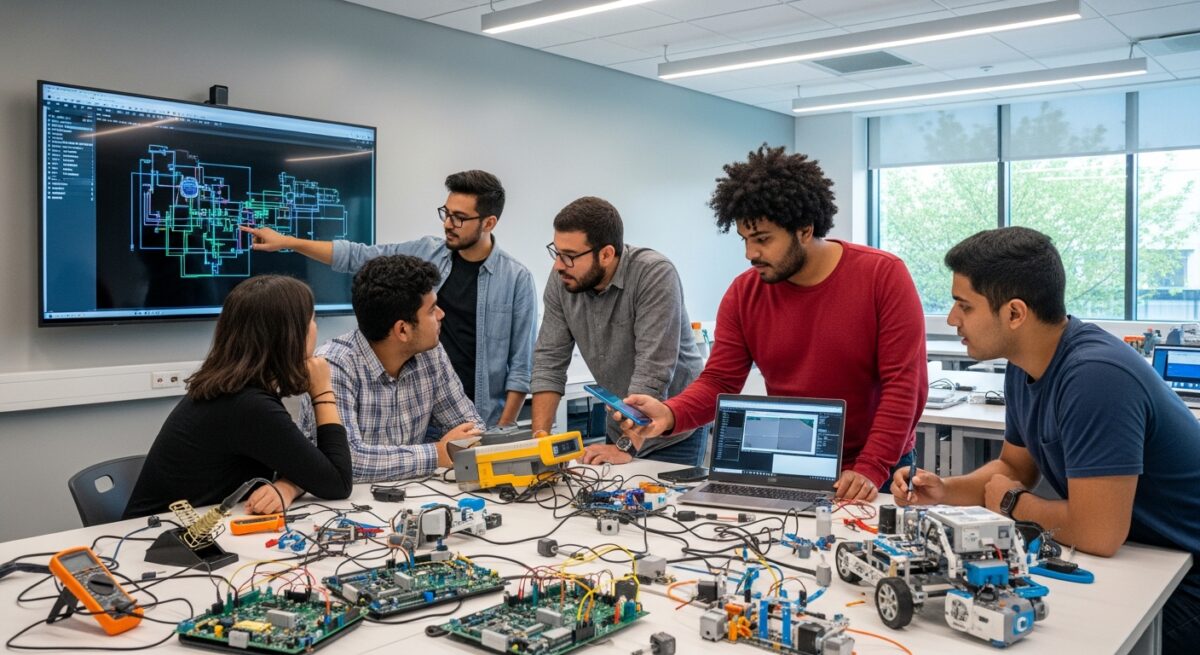
Choosing where to study computer science is one of the most consequential decisions a student can make. The field now touches nearly every industry, from healthcare to finance to entertainment, and graduates from strong programs often command high starting salaries and robust job security. But with hundreds of universities offering CS degrees, how do you separate the truly exceptional programs from the merely adequate? This guide examines the hallmarks of elite computer science education, highlights the institutions that consistently deliver outstanding outcomes, and provides a framework for matching your personal goals with the right academic environment.
What Defines a Top Computer Science Program?
Before diving into specific schools, it helps to understand the criteria that distinguish the best CS programs. A truly great program does more than teach coding. It builds a deep foundation in theory, offers hands-on research opportunities, and connects students with industry leaders. The following factors are critical when evaluating any computer science department.
Research Output and Faculty Expertise
Elite programs are typically anchored by world-class faculty who publish groundbreaking work in areas like artificial intelligence, machine learning, systems architecture, and cybersecurity. Professors at these institutions often lead federally funded labs and collaborate with tech giants like Google, Microsoft, and Amazon. When you learn from researchers who are shaping the future of computing, you gain exposure to cutting-edge ideas that most undergraduates never see. This also translates into stronger letters of recommendation for graduate school and better internship placements.
Curriculum Rigor and Flexibility
The best computer science curricula strike a balance between foundational theory and practical application. A strong program requires coursework in algorithms, data structures, operating systems, and programming languages. Yet it also offers flexibility through electives, specializations, and interdisciplinary tracks. For example, a student interested in computational biology should be able to cross-register in biology courses, while someone focused on human-computer interaction should find design and psychology offerings. Many leading universities now offer combined BS/MS programs that allow ambitious students to earn a master’s degree in five years.
Career Outcomes and Industry Connections
Job placement rates, median starting salaries, and the strength of the alumni network are tangible measures of a program’s value. Top universities host career fairs with dozens of recruiters from companies like Apple, Meta, and startups. They maintain dedicated career services teams that help students polish resumes, practice technical interviews, and secure internships. Some programs boast placement rates above 95% within six months of graduation. When researching schools, ask for the most recent employment report and look beyond the average salary to see which companies are hiring graduates and what roles they fill.
Top Computer Science Programs in Leading Universities
The following institutions are widely recognized for their exceptional computer science departments. They appear consistently near the top of global rankings and produce graduates who become leaders in academia and industry. Keep in mind that rankings can shift slightly from year to year, but these universities have maintained excellence over decades.
Massachusetts Institute of Technology (MIT)
MIT’s Electrical Engineering and Computer Science (EECS) department is legendary. The program emphasizes a rigorous theoretical foundation alongside abundant project-based learning. Students can choose from dozens of research groups tackling everything from quantum computing to robotics. The campus culture encourages innovation, and the proximity to Boston’s startup ecosystem provides countless opportunities for internships and entrepreneurial ventures. MIT also offers a well-regarded online Master’s in Computer Science through its MicroMasters program, which can serve as a pathway to a full degree.
Stanford University
Located in the heart of Silicon Valley, Stanford’s computer science program benefits from unparalleled industry access. Faculty members frequently consult for or co-found major tech companies, and the alumni network includes the founders of Google, Netflix, and LinkedIn. The curriculum is highly flexible, allowing students to design their own concentration areas. Stanford’s strong emphasis on entrepreneurship means that many CS graduates launch startups immediately after graduation. The university also offers a robust master’s program that can be completed in one year, making it popular among professionals seeking a career boost.
Carnegie Mellon University (CMU)
Carnegie Mellon’s School of Computer Science is unique for its specialized departments, including the Robotics Institute and the Language Technologies Institute. CMU has long been a leader in artificial intelligence and machine learning, and it was the first university to offer an undergraduate degree in AI. The program is known for its intensity and depth. Students work on challenging projects from day one and often publish research before graduating. Pittsburgh has become a growing tech hub, with companies like Google and Uber maintaining large offices near campus.
University of California, Berkeley (UC Berkeley)
UC Berkeley’s electrical engineering and computer sciences (EECS) program is among the most selective and respected in the world. The department has produced numerous Turing Award winners and pioneers in operating systems, databases, and networking. Berkeley’s location in the San Francisco Bay Area gives students access to countless tech companies and a vibrant startup scene. The university also offers a popular online Master of Information and Data Science (MIDS) program for working professionals. For undergraduate students, the combination of rigorous academics and a lively campus culture makes Berkeley a top choice.
University of Illinois Urbana-Champaign (UIUC)
UIUC’s computer science department is a powerhouse, particularly in systems research and high-performance computing. The program is housed within the Grainger College of Engineering and offers a wide range of specializations, from cybersecurity to bioinformatics. UIUC has a strong record of producing PhD students who go on to faculty positions at other top universities. The campus also hosts the National Center for Supercomputing Applications (NCSA), where students can work on large-scale computing projects. Graduates are heavily recruited by companies like Amazon, Microsoft, and Bloomberg.
For a deeper look at how these schools compare, read our guide on Top Computer Science Programs: Ranking the Best Colleges.
How to Evaluate Computer Science Rankings
Computer science rankings from sources like U.S. News & World Report, QS World University Rankings, and CSRankings.org can be helpful starting points, but they require careful interpretation. Each ranking methodology weights factors differently. Some emphasize research publications and citations, while others prioritize peer reputation surveys or graduate employment data. When reviewing rankings, consider what matters most to you. If you plan to pursue a PhD, a program with high research output is ideal. If you want to enter the workforce quickly, look at placement statistics and median salaries.
Here are key questions to ask when interpreting any ranking:
- What specific methodology is used? Is it transparent?
- Does the ranking focus on undergraduate or graduate programs?
- Are the data current or several years old?
- Does the ranking account for program size and resources?
No single ranking tells the whole story. A school ranked 20th overall might be the perfect fit for a student interested in a particular subfield like computer graphics or computational linguistics. Visit department websites, read faculty publications, and reach out to current students or alumni to get a true sense of the program’s strengths and culture.
Specialized Programs in Artificial Intelligence and Data Science
As AI and data science have exploded in popularity, many universities have created dedicated programs within their computer science departments. These specialized tracks often require coursework in machine learning, neural networks, natural language processing, and statistics. Some notable examples include Stanford’s Artificial Intelligence Graduate Certificate, CMU’s Bachelor of Science in Artificial Intelligence, and MIT’s new Schwarzman College of Computing, which integrates AI across all disciplines. When evaluating a specialized program, check whether the curriculum is updated regularly to reflect the rapid pace of change in the field. Look for programs that offer hands-on projects with real datasets and opportunities to work on industry-sponsored capstones.
Online and Hybrid Computer Science Options
For students who need flexibility due to work or family commitments, online computer science programs from leading universities offer a credible alternative. Georgia Tech’s Online Master of Science in Computer Science (OMSCS) is a pioneer in this space, offering a rigorous curriculum at a fraction of the cost of on-campus programs. The University of Texas at Austin and the University of Illinois Urbana-Champaign also offer highly regarded online master’s degrees. Many of these programs allow students to start with a single course before committing to the full degree. Accreditation is critical: ensure the program is regionally accredited and that the degree awarded is identical to the on-campus version. Online programs often have the same admission standards and require the same level of dedication, but they offer the advantage of studying from anywhere.
Frequently Asked Questions
What is the difference between a BA and a BS in Computer Science?
A BS (Bachelor of Science) typically requires more mathematics, science, and technical electives. A BA (Bachelor of Arts) often includes more liberal arts courses and may require a foreign language. Both can lead to the same jobs, but a BS may be preferred for technical roles in software engineering or research. The choice depends on your interests and career goals.
Do I need a degree from a top university to succeed in tech?
No. Many successful software engineers and tech leaders graduated from state universities or non-elite schools. What matters most is your skills, portfolio, and ability to solve problems. However, attending a top CS program can open doors to exclusive internships, research opportunities, and alumni networks that accelerate your career.
How important is accreditation for computer science programs?
Regional accreditation is essential for federal financial aid and transfer credit. Programmatic accreditation through ABET is less common for computer science but can be important for some employers and graduate programs. Always verify a school’s accreditation status before applying.
Can I switch into computer science from another major?
Yes. Many universities offer a second major or minor in computer science for students from other disciplines. You may need to complete prerequisite courses in programming and discrete math. Some schools have a competitive process to enter the CS major, so plan ahead and maintain strong grades.
Choosing the right computer science program is a personal decision that depends on your academic interests, career ambitions, and financial situation. The top computer science programs in leading universities offer unparalleled resources and networks, but they also come with high costs and intense competition. Use this guide as a starting point, visit campuses if possible, and trust your instincts. A well-chosen program will challenge you, support you, and launch you into a rewarding career. For more information on degree options and affordable pathways, explore resources at CollegeDegree.Education to find programs that match your goals.