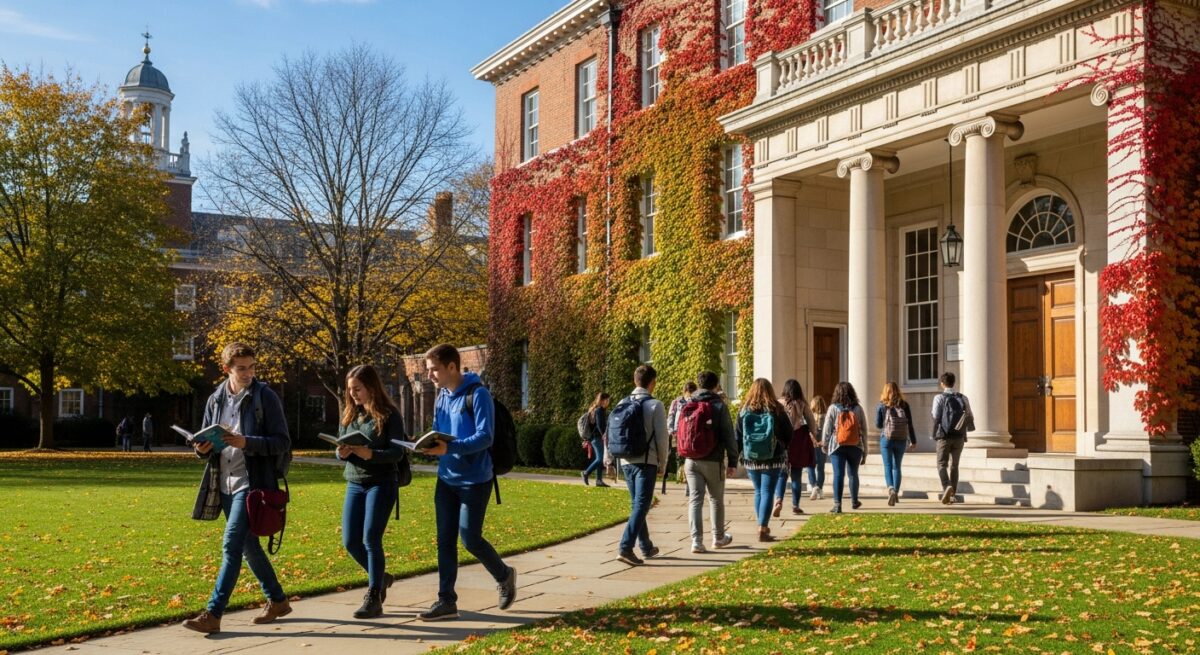
For many students, the path to a four-year degree does not start at a large university. It begins at a local community college, where smaller class sizes, lower tuition, and flexible schedules create a solid foundation for academic success. Yet the true value of a community college often depends on one critical factor: the strength of its transfer programs. A well-designed transfer pathway can save students tens of thousands of dollars while ensuring that every credit earned moves seamlessly toward a bachelor’s degree. This spotlight on community colleges with strong transfer programs examines what makes these institutions stand out, how they support student mobility, and which schools have earned a reputation for helping students finish what they start.
Why Transfer Programs Matter More Than Ever
The rising cost of higher education has pushed more families to seek affordable alternatives. Community colleges offer a compelling solution: students can complete general education requirements and introductory major courses at a fraction of the cost of a four-year university. However, the savings only materialize if credits transfer without friction. A weak transfer program can leave students retaking courses, losing time, and accumulating debt. That is why a spotlight on community colleges with strong transfer programs is not just an academic exercise. It is a practical guide for anyone who wants to maximize their educational investment.
According to the National Student Clearinghouse Research Center, nearly one in three community college students eventually transfers to a four-year institution. Yet completion rates among transfer students vary widely. Students who attend colleges with formal articulation agreements, dedicated transfer advisors, and guaranteed admission pathways are far more likely to earn a bachelor’s degree within four years. These institutional supports reduce the stress of navigating complex credit evaluation systems and give students a clear roadmap to graduation.
Beyond cost savings, strong transfer programs also expand access to selective universities. Many community colleges have partnerships with flagship state universities, allowing students to earn an associate degree and then automatically transfer as juniors. This pathway is especially valuable for first-generation college students and those from underrepresented backgrounds, who may not have considered elite institutions due to cost or admission barriers. In our guide on which Massachusetts community colleges offer online programs, we explain how similar models are helping students across the country achieve their goals.
Key Features of Top-Tier Transfer Programs
Not all transfer programs are created equal. When conducting a spotlight on community colleges with strong transfer programs, certain characteristics consistently emerge. These features distinguish effective programs from those that leave students struggling to piece together their academic journey.
Articulation Agreements With Multiple Universities
The most powerful transfer programs are built on written articulation agreements. These formal contracts between a community college and one or more four-year institutions specify exactly which courses transfer and how they apply to specific majors. The best agreements go beyond general education and include course-by-course mappings for popular fields like business, nursing, computer science, and engineering. For example, a student who completes an associate degree in business administration at a partner community college might have all 60 credits accepted by the university, allowing them to enter as a junior with full junior standing.
Strong programs maintain agreements with multiple universities, including both public flagships and private institutions. This variety gives students options based on location, cost, and program reputation. Some community colleges even have reverse articulation agreements, meaning that if a student transfers before completing their associate degree, the university can later award the associate degree retroactively once the student has earned enough credits.
Dedicated Transfer Advising Centers
Transfer success often hinges on the quality of advising. The best community colleges staff specialized transfer centers with advisors who understand the nuances of credit evaluation, financial aid portability, and admission requirements at partner universities. These advisors meet with students early in their academic careers, sometimes during orientation, to create a transfer plan that aligns with the student’s intended major and target university. They also monitor student progress and intervene when course selections deviate from the plan.
Many top programs offer workshops on writing personal statements, preparing for university admission interviews, and applying for scholarships. Some even host annual transfer fairs where students can meet admissions representatives from dozens of four-year schools. This hands-on support reduces the anxiety that often accompanies the transfer process and increases the likelihood that students will follow through on their plans.
Guaranteed Admission Pathways
Guaranteed admission programs, sometimes called transfer admission guarantees or TAGs, are among the most valuable offerings. Under these programs, students who earn a minimum GPA and complete specified coursework are guaranteed admission to a partner university. Some TAGs also guarantee admission into specific majors, which is especially important for competitive fields like nursing, engineering, and business. These programs remove the uncertainty of the regular admission process and allow students to focus on their studies rather than worrying about whether they will be accepted.
California’s community college system offers one of the most well-known guaranteed admission programs. Through the Associate Degree for Transfer program, students who earn an associate degree in a designated major are guaranteed admission to a California State University campus. Similar programs exist in other states, including Florida, Texas, and Washington. Students should research whether their state offers a statewide transfer guarantee, as these programs often provide the most seamless pathways.
Community Colleges With Exceptional Transfer Records
While many community colleges support transfer, a handful have built national reputations for their outcomes. The following institutions consistently rank high in transfer rates, student satisfaction, and partnerships with four-year universities. This spotlight on community colleges with strong transfer programs highlights schools that have made transfer a central part of their mission.
Santa Monica College (California)
Santa Monica College is often cited as one of the top transfer colleges in the nation. It sends more students to the University of California system than any other community college, and it has strong articulation agreements with UCLA, UC Berkeley, and USC. The college’s Transfer Center offers comprehensive services, including academic counseling, university application workshops, and a guaranteed admission program with select UC campuses. SMC also has a robust honors program that prepares students for competitive universities.
Northern Virginia Community College (Virginia)
NOVA is the largest community college in Virginia and has transfer agreements with more than 30 four-year institutions, including George Mason University, Virginia Tech, and the University of Virginia. Its Guaranteed Admission Agreements allow students who complete an associate degree with a minimum GPA to transfer directly into specific bachelor’s programs. NOVA also participates in the Virginia Community College System’s statewide transfer compact, which ensures that general education credits transfer to any public university in the state.
Valencia College (Florida)
Valencia College has earned a reputation for its DirectConnect to UCF program, which guarantees admission to the University of Central Florida for students who earn an associate degree. The program has become a national model for transfer partnerships, with thousands of students transitioning smoothly each year. Valencia also has agreements with other Florida universities, including the University of Florida and Florida State University. The college’s focus on student support, including early alert systems and proactive advising, contributes to its high transfer success rate.
William Rainey Harper College (Illinois)
Harper College, located in the Chicago suburbs, has transfer agreements with more than 40 colleges and universities. Its Harper to University program provides guaranteed admission to several Illinois public universities, including the University of Illinois at Urbana-Champaign and Northern Illinois University. Harper also offers a Transfer Academy, which provides intensive advising, scholarship opportunities, and priority registration for students who commit to a transfer plan early in their academic careers.
How to Evaluate a Community College’s Transfer Program
Before enrolling, students should conduct their own research to determine whether a community college’s transfer program meets their needs. Here are key questions to ask during the evaluation process:
- Does the college have written articulation agreements with the universities I am considering? Ask for a copy of the agreement for your intended major.
- Is there a dedicated transfer advising center? Meet with a transfer advisor to discuss your plan before registering for classes.
- Does the college offer a guaranteed admission program? Understand the GPA and coursework requirements for the program.
- How many credits transfer on average? Look for schools where students typically transfer 60 or more credits toward a bachelor’s degree.
- What is the college’s transfer rate to four-year universities? Compare this rate to state and national averages.
Students can also check whether the college publishes a transfer equivalency database, which allows them to see how specific courses transfer to partner universities. Some colleges even provide degree audit tools that show how completed courses apply to both the associate degree and a bachelor’s degree simultaneously.
Maximizing Your Transfer Success
Enrolling in a community college with strong transfer programs is only the first step. Students must also take an active role in planning their transfer. Here are strategies to ensure a smooth transition:
First, meet with a transfer advisor during your first semester. Do not wait until you have completed 30 credits to start planning. An early meeting allows you to choose courses that satisfy both your associate degree requirements and the general education requirements of your target university. Second, maintain a GPA that meets or exceeds the requirements of your desired transfer program. Many guaranteed admission programs require a minimum GPA of 2.5 to 3.0, and competitive majors may require higher. Third, apply for scholarships specifically designed for transfer students. Many universities offer transfer scholarships that can significantly reduce the cost of the remaining two years.
Finally, consider building relationships with faculty members at your community college. Strong letters of recommendation can strengthen your transfer application, and faculty can often provide guidance on which courses best prepare you for upper-division work. Some community colleges also offer research opportunities and internships that can give you a competitive edge when applying to four-year programs.
The Financial Advantage of Strong Transfer Programs
The financial benefits of starting at a community college are well documented. According to the College Board, the average annual tuition and fees for a public two-year college are approximately $3,800, compared to $10,900 for a public four-year university. Over two years, a community college student saves roughly $14,000 in tuition alone. When factoring in room and board, the savings can exceed $30,000. For students who live at home while attending community college, the savings are even greater.
However, these savings depend on the transfer program’s effectiveness. Students who lose credits during transfer may need to take additional semesters at the four-year university, erasing the financial advantage. That is why a spotlight on community colleges with strong transfer programs is essential. Institutions with robust articulation agreements and proven track records protect students’ investments and help them graduate on time.
For students exploring affordable pathways, external resources like Degrees Online Education provide additional information on accredited programs and transfer-friendly institutions. Combining community college savings with online learning options can further reduce costs and increase flexibility.
Frequently Asked Questions
What is a transfer program at a community college?
A transfer program is a structured pathway that allows students to complete general education and introductory major courses at a community college before moving to a four-year university to finish a bachelor’s degree. Strong programs include formal articulation agreements, dedicated advising, and guaranteed admission options.
Do all community colleges have transfer programs?
Most community colleges offer some form of transfer support, but the quality varies widely. Some have comprehensive agreements with multiple universities, while others have limited partnerships. Students should research specific colleges to find programs that align with their goals.
How do I know if my credits will transfer?
Check the community college’s transfer equivalency database or meet with a transfer advisor. Many colleges also provide course-by-course mapping tools that show how credits apply to specific bachelor’s programs. If possible, obtain written confirmation from the four-year university before enrolling in courses.
Can I transfer to a private university from a community college?
Yes. Many private universities, including elite institutions, accept transfer students from community colleges. Some even offer dedicated transfer scholarships. However, private universities may have stricter credit transfer policies, so it is important to research their requirements early.
What GPA do I need for guaranteed admission?
GPA requirements vary by program. Most guaranteed admission pathways require a minimum cumulative GPA of 2.5 to 3.0. Competitive majors like nursing or engineering may require a 3.5 or higher. Some programs also require completion of specific prerequisite courses with a minimum grade.
Final Thoughts
A community college can be a powerful launchpad for a bachelor’s degree, but only when the transfer program is designed to support student success. This spotlight on community colleges with strong transfer programs has shown that the best institutions invest in articulation agreements, dedicated advising, and guaranteed admission pathways. These features protect students’ time and money while opening doors to universities they might not have considered. For students who take an active role in planning their transfer, the result can be a four-year degree at a fraction of the traditional cost. The key is to choose a community college that makes transfer a priority and to engage with the resources it offers from day one.