Choosing the right nursing program is one of the most critical decisions a future healthcare professional can make. The quality of your education, especially your clinical training, directly impacts your competence, confidence, and career prospects. With so many options available, identifying colleges with good nursing programs that combine rigorous academics with hands-on experience requires careful research. This article explores what makes a nursing program exceptional and highlights key factors to consider when evaluating top nursing colleges.
Clinical training is the bridge between classroom theory and real-world patient care. The best programs do not just teach you how to pass the NCLEX; they prepare you to think critically, act decisively, and provide compassionate care from day one. Whether you are a high school student exploring options or a career changer seeking a new path, understanding the landscape of good colleges for nursing is essential. In our guide on top nursing schools: a guide to the best universities for nursing programs, we break down the key features that set these institutions apart.
What Defines a Strong Nursing Program?
A strong nursing program goes beyond textbooks and lectures. It integrates evidence-based practice, simulation technology, and extensive clinical rotations. Accreditation is the first marker of quality. Programs accredited by the Commission on Collegiate Nursing Education (CCNE) or the Accreditation Commission for Education in Nursing (ACEN) meet national standards for curriculum and faculty qualifications.
Equally important is the student-to-faculty ratio. Smaller class sizes allow for personalized instruction and mentorship. Faculty with active clinical experience bring real-world scenarios into the classroom. Look for programs where professors are not just academics but practicing nurses or researchers who can share current best practices.
Another defining element is the variety of clinical placement sites. The best programs have partnerships with major hospitals, community clinics, and specialty centers. This diversity exposes students to different patient populations, from pediatrics to geriatrics, and prepares them for the multifaceted nature of nursing. Programs that rotate students through multiple settings produce more adaptable and skilled graduates.
Clinical Training: The Heart of Nursing Education
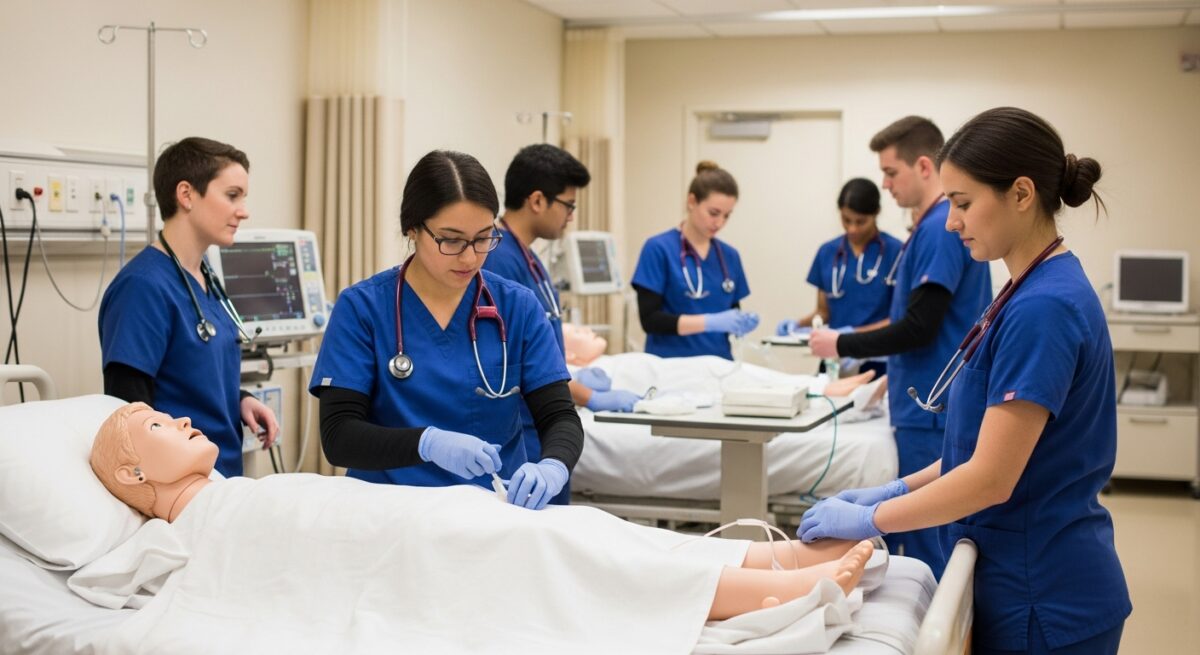
Clinical training is where nursing students transform knowledge into action. It is the hands-on component that builds muscle memory for procedures and emotional intelligence for patient interaction. High-quality clinical training includes simulation labs with high-fidelity mannequins, standardized patients, and virtual reality scenarios. These tools allow students to practice rare or high-stakes situations in a safe environment before encountering them in real life.
Beyond simulation, direct patient care hours are non-negotiable. Accredited programs require a minimum number of clinical hours, but the best go above and beyond. They ensure that students work alongside experienced preceptors who provide guidance and feedback. Preceptorships and capstone projects in the final semester are hallmarks of top-tier programs.
When evaluating colleges with good nursing programs, ask about the ratio of simulation to live clinical hours. Some programs rely heavily on simulation due to limited hospital partnerships, which can leave graduates less prepared for the pace of a real unit. The gold standard is a balanced approach: enough simulation to build confidence and enough live clinical hours to build competence.
For those seeking flexibility, many institutions now offer hybrid or online options for the didactic portion of the program. However, clinical training must still be completed in person at approved sites. Online programs that coordinate clinical placements locally can be a great option for students who need to stay in their community.
Top Colleges for Nursing: What to Look For
When researching good colleges for nursing, consider these criteria beyond rankings:
- NCLEX-RN pass rates: This is the most direct measure of program effectiveness. Look for first-time pass rates above 85%, with top programs often exceeding 90%.
- Graduation and job placement rates: High graduation rates indicate student support. Job placement rates show employer trust in the program.
- Facilities and technology: State-of-the-art simulation labs, modern classrooms, and access to electronic health records systems are signs of investment in student success.
- Faculty credentials: A mix of doctorally prepared nurses and clinical instructors with recent practice experience enriches the learning environment.
- Support services: Tutoring, mental health resources, and career counseling help students navigate a demanding program.
These factors combine to create an environment where students can thrive. A program with strong pass rates but poor support may lead to burnout. Conversely, a supportive program with mediocre pass rates may not prepare you for licensure. Balance is key.
Accelerated and Second-Degree Options
For career changers or those who already hold a bachelor’s degree in another field, accelerated BSN (ABSN) programs are an efficient path. These programs condense nursing coursework into 12 to 18 months of intensive study. They require full-time commitment and often have higher admission standards, but they offer a fast track to a nursing career.
Similarly, direct-entry MSN programs are available for students with a non-nursing bachelor’s degree who want to become registered nurses and pursue advanced practice roles. These programs are longer but combine initial licensure with graduate-level education. When considering these paths, ensure the program offers robust clinical training despite the compressed timeline. Some accelerated programs partner with multiple hospitals to secure enough clinical slots, which can be a challenge in competitive regions.

For working professionals, RN-to-BSN and RN-to-MSN programs are popular. These build on existing associate degree or diploma training and often include leadership, community health, and research components. Clinical requirements for these programs may be less intensive but still include capstone projects that involve direct patient care or quality improvement initiatives.
Financial Considerations and Return on Investment
Nursing education can be expensive, but the return on investment is generally high due to strong demand for nurses. Tuition varies widely between public and private institutions, as well as in-state versus out-of-state rates. Community colleges often offer the most affordable path to an associate degree in nursing (ADN), which is a stepping stone to RN licensure.
Many employers offer tuition reimbursement for current employees pursuing nursing degrees. Additionally, scholarships and loan forgiveness programs are available through the Health Resources and Services Administration (HRSA) and state-specific initiatives. When comparing programs, calculate the total cost including fees, uniforms, equipment, and travel for clinical rotations.
Consider the program length and how quickly you can enter the workforce. A two-year ADN may allow you to start earning sooner, while a four-year BSN opens doors to leadership and specialty roles. Some hospitals now require BSN for new hires, making the longer investment worthwhile for career advancement.
For additional resources on affordable education options, you can explore Degrees Online Education for information on flexible programs that fit your budget and schedule.
Frequently Asked Questions
What is the most important factor in choosing a nursing program?
The most important factor is the program’s NCLEX-RN pass rate combined with the quality of clinical placements. A high pass rate indicates effective teaching, while strong clinical partnerships ensure you get real-world experience. Also consider accreditation and faculty qualifications.
Can I become a nurse through an online program?
Yes, but with limitations. Online programs can deliver the theoretical coursework, but clinical hours must be completed in person at approved healthcare facilities. Many online programs help arrange local clinical placements. Ensure the program is accredited and that your state board of nursing recognizes it.
How long does it take to complete a nursing program?
An ADN typically takes 2 years, a BSN takes 4 years, and an accelerated BSN takes 12-18 months for students with a prior bachelor’s degree. MSN programs can take 2-3 years beyond a BSN. Part-time options extend these timelines.
What is the difference between CCNE and ACEN accreditation?
CCNE (Commission on Collegiate Nursing Education) accredits baccalaureate and graduate nursing programs. ACEN (Accreditation Commission for Education in Nursing) accredits all levels from practical nursing to doctoral programs. Both are recognized by the U.S. Department of Education. The key is that the program is accredited by one of these bodies.
Do I need a BSN to be a nurse?
No, you can become a registered nurse with an ADN. However, many employers prefer or require a BSN for certain positions, especially in magnet hospitals and leadership roles. A BSN also prepares you for graduate education if you want to become a nurse practitioner or educator.
Choosing among colleges with good nursing programs requires balancing your personal goals, learning style, and financial situation. The best program for you is one that aligns with your career aspirations and offers the clinical training necessary to succeed. Take time to visit campuses, talk to current students, and review outcome data before making a decision.