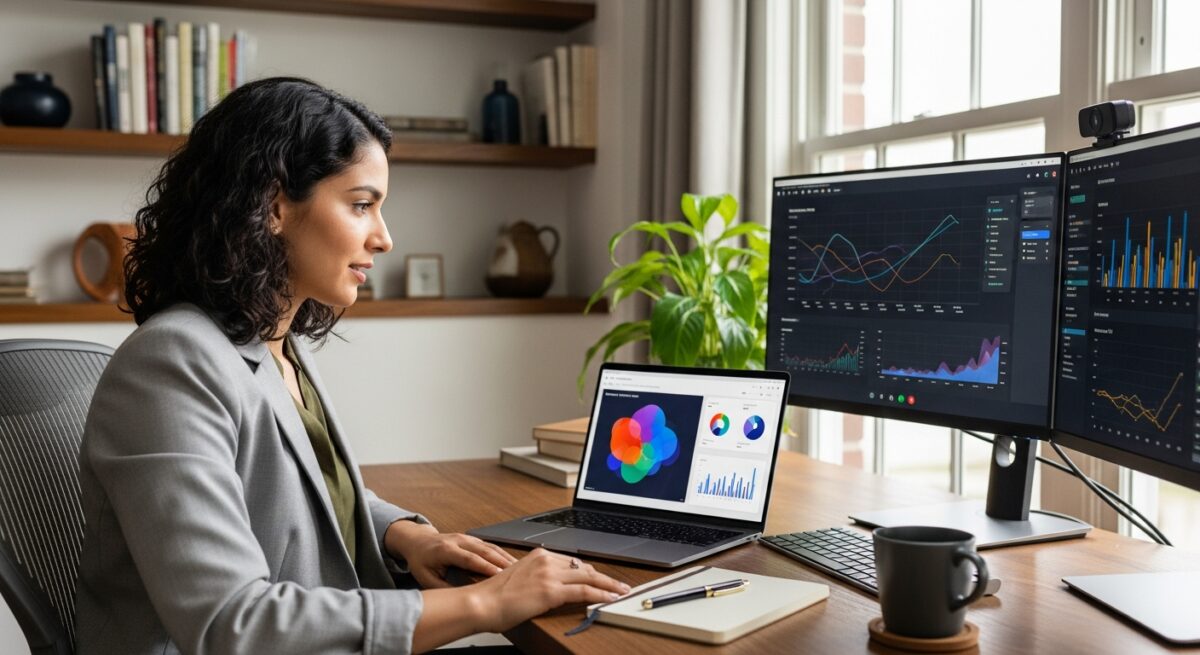
The modern workforce is undergoing a profound transformation, with remote and hybrid roles becoming a permanent fixture across industries. For students and career changers, this shift presents a critical question: which educational paths provide the skills, credentials, and flexibility for long-term remote career success? Choosing the right college degree is no longer just about subject matter interest, it is a strategic investment in building a portable, in-demand skill set that thrives outside a traditional office. The most future-proof college degrees for remote work careers blend technical proficiency, digital communication, and self-management, creating professionals who can deliver value from anywhere.
Understanding the Remote Work Degree Landscape
Not all degrees are created equal in the remote economy. While many professions can adapt to remote work, certain fields have a structural advantage due to their output-based nature, reliance on digital tools, and industry-wide acceptance of distributed teams. When evaluating college degrees for remote work, consider three core pillars: digital deliverables (work that can be created, shared, and reviewed online), asynchronous collaboration potential, and a strong demand curve that is not tied to a specific geographic location. Degrees that cultivate project management, clear written communication, and proficiency with cloud-based platforms provide a significant edge. This foundational understanding helps narrow the focus from any degree that might be done remotely to degrees designed for remote success.
The Premier Degree Paths for Remote Professionals
Several academic disciplines stand out for their direct alignment with high-growth remote careers. These programs do more than teach subject theory, they build the specific competencies that remote companies actively seek.
Computer Science and Software Development
A degree in Computer Science or Software Engineering remains the gold standard for remote tech careers. The curriculum covers programming languages, algorithms, software architecture, and database management, all skills performed almost exclusively on computers. The remote-friendly nature of coding, testing, and deploying software makes this field inherently location-agnostic. Graduates can pursue roles as remote software engineers, DevOps specialists, backend developers, or systems architects. The key is to complement theoretical knowledge with a strong portfolio of projects, which are often developed independently or in distributed teams, mirroring remote work conditions. For those seeking structured pathways, exploring the best hands-on college degrees for high-demand careers can reveal programs with co-op opportunities and project-based learning essential for this field.
Digital Marketing and Communications
The entire marketing landscape has shifted online, making a degree in Digital Marketing, Communications, or Public Relations exceptionally remote-viable. These programs teach search engine optimization (SEO), content strategy, data analytics, social media management, and email campaign automation, all of which are managed through web-based platforms. Success in remote marketing hinges on the ability to analyze data, create compelling digital content, and communicate results clearly, skills at the heart of these degrees. Remote career outcomes include SEO specialist, content marketing manager, digital strategist, and public relations coordinator.
Data Science and Business Analytics
In our data-driven world, the ability to extract insights from information is a supremely portable skill. Degrees in Data Science, Statistics, or Business Analytics provide training in statistical analysis, data visualization, machine learning fundamentals, and database querying. The work involves manipulating datasets, creating reports, and building models, tasks perfectly suited for remote collaboration via cloud services. Professionals in this field often work as remote data analysts, business intelligence consultants, or marketing analysts, supporting decision-making from anywhere with a reliable internet connection.
Information Technology and Cybersecurity
As businesses rely on cloud infrastructure and distributed networks, the professionals who manage and secure these systems are increasingly remote. Degrees in Information Technology, Network Administration, or Cybersecurity provide knowledge in cloud computing, network protocols, system administration, and threat mitigation. Much of this work is performed on remote servers and systems, meaning the practitioner’s physical location is irrelevant. This leads to remote careers as cloud administrators, cybersecurity analysts, IT support specialists, and network engineers.
Essential Supporting Skills Beyond the Major
While the major provides the core technical knowledge, remote work longevity depends on a suite of supporting soft and hard skills. The most successful remote professionals intentionally develop these competencies throughout their academic journey.
First, written communication is paramount. Remote work runs on emails, project management tools (like Asana or Jira), instant messages, and documentation. A degree that requires substantial report writing, research papers, and collaborative editing builds this muscle. Second, self-discipline and time management are critical. Look for courses or degree structures that incorporate large independent projects or asynchronous online components to practice self-directed work. Third, basic digital literacy extends to video conferencing etiquette, collaborative software (like Google Workspace or Microsoft 365), and basic troubleshooting. Finally, cultural and emotional intelligence helps navigate the nuances of communication without physical cues, a key component of effective virtual teamwork.
Prospective students should evaluate how a program fosters these skills. Does it offer online or hybrid courses? Are there group projects requiring virtual collaboration? Is there an emphasis on clear, concise writing across the curriculum? For example, many essential college degrees for education careers in 2026 now heavily integrate these remote collaboration skills, preparing graduates for virtual teaching and administrative roles, a trend mirrored in other fields.
Choosing the Right Program Format and Specialization
The format of your degree can be as important as the subject matter in preparing for a remote career. Increasingly, accredited online college degree programs offer a dual benefit: they provide the formal credential while simultaneously acclimating you to the remote learning and working environment. Successfully navigating an online degree program demonstrates to future employers that you can manage deadlines, communicate digitally, and use collaboration tools effectively, all without in-person supervision.
When selecting a program, pay close attention to specializations or concentrations that align with remote-friendly niches. For instance, within a business administration degree, a concentration in Management Information Systems or Digital Entrepreneurship may be more relevant than a general management track. In psychology, a focus on Industrial-Organizational Psychology can lead to remote HR and consulting roles. Always connect the dots between the specialization’s coursework and the tangible, digital deliverables required in remote job postings.
Building a Remote-Ready Profile During College
Your degree is the foundation, but your profile is what lands the job. Use your college years to build a resume that screams “remote-ready.” This involves strategic activities beyond the classroom.
- Seek out remote internships. These experiences are invaluable, providing direct exposure to remote workflows, tools, and communication styles while adding relevant experience to your resume.
- Develop a professional online portfolio. For developers, this is a GitHub profile. For marketers, a website showcasing campaigns and content. For designers, a Behance or Dribbble page. This portfolio is your remote storefront.
- Contribute to open-source projects or volunteer your skills for non-profits remotely. This demonstrates initiative, collaboration on a distributed team, and practical application of your skills.
- Master the tools of the trade. Go beyond basic familiarity. Become proficient in project management software (ClickUp, Trello), communication platforms (Slack, Discord), and industry-specific remote tools.
- Network in digital spaces. Engage with professionals and companies on LinkedIn, participate in relevant online forums, and attend virtual career fairs and webinars.
This proactive approach shows employers you are not just educated for remote work, you are experienced in its culture and practices. For comprehensive guidance on navigating these academic and career planning decisions, seeking out clear college degree information from authoritative educational resources is a crucial step.
The Verdict on Traditional vs. Emerging Degrees
While the degrees highlighted above are established pathways, emerging fields are also creating remote opportunities. Areas like User Experience (UX) Design, which often sits at the intersection of psychology and technology, offer dedicated degrees and bootcamps. Similarly, specialized fields in healthcare, such as healthcare informatics or telehealth administration, supported by an online healthcare administration degree, are growing rapidly. The critical filter remains the same: does the work primarily involve creating, analyzing, or managing digital assets and information? If the answer is yes, the career has strong remote potential. The most future-proof strategy is to choose a degree that provides both a strong core of transferable skills (analysis, communication, problem-solving) and specialized technical knowledge applicable in the digital realm.
Selecting a college degree with remote work careers in mind is a forward-thinking strategy that aligns education with the evolving nature of work. By focusing on programs that develop digital proficiency, asynchronous collaboration skills, and self-motivation, you invest in a career that offers flexibility, resilience, and access to a global job market. The goal is to emerge from your education not just with a diploma, but with a demonstrable, portable toolkit that allows you to contribute meaningfully from any location, building a professional life defined by output and impact, not physical presence.