Biotechnology sits at the intersection of biology and technology, driving breakthroughs in medicine, agriculture, and environmental science. For students seeking a career in this dynamic field, choosing the right university is a critical decision. The best universities for biotechnology programs offer rigorous coursework, state-of-the-art laboratories, and strong industry connections that prepare graduates for high-impact roles. Whether you aim to develop gene therapies, engineer sustainable biofuels, or advance diagnostics, the institution you select can shape your entire professional trajectory.
This guide examines the leading biotechnology colleges across the United States and globally. We evaluate program curricula, research opportunities, faculty expertise, and career outcomes. We also address how to assess program quality beyond rankings, including factors like internship placements, capstone projects, and alumni networks. By the end, you will have a clear framework for identifying the bio tech universities that align with your goals and aspirations.
What Makes a Biotechnology Program Stand Out?
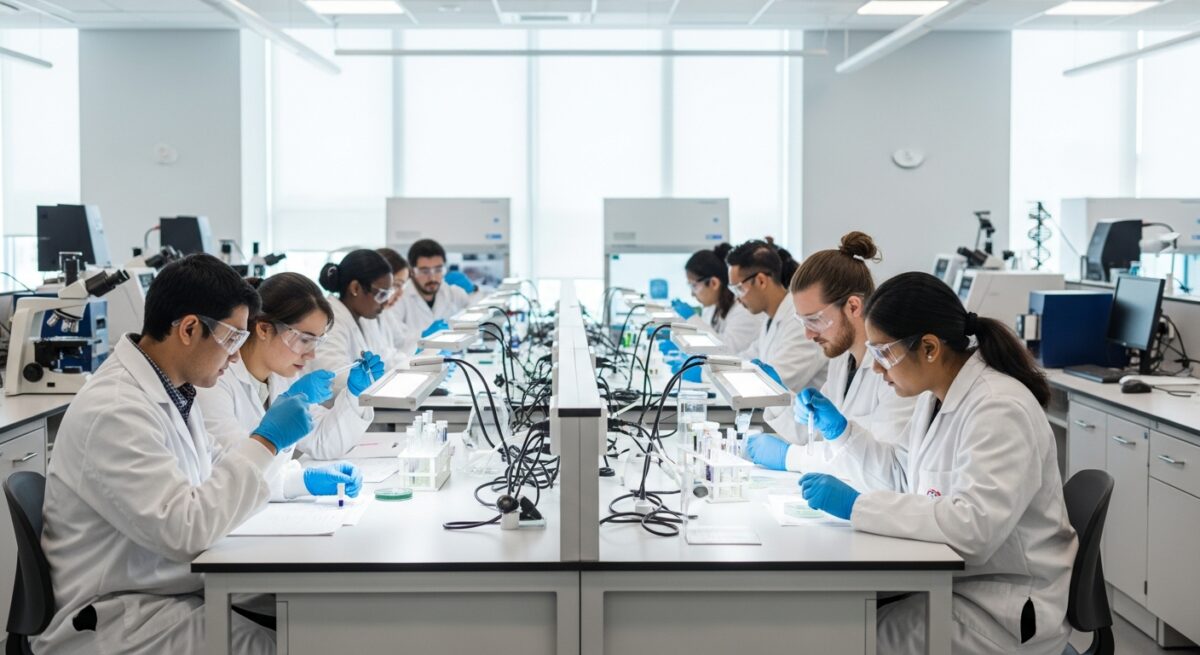
A strong biotechnology program combines foundational science with applied skills. Core coursework typically includes molecular biology, biochemistry, genetic engineering, bioinformatics, and bioprocessing. However, the best programs go further by integrating hands-on laboratory experience, industry partnerships, and interdisciplinary electives. Students should look for programs that offer access to modern equipment such as next-generation sequencers, mass spectrometers, and bioreactors.
Faculty expertise is another critical factor. Leading biotechnology colleges employ professors who are active researchers publishing in high-impact journals and collaborating with pharmaceutical or agricultural companies. These faculty members often mentor undergraduates in their labs, providing invaluable research experience. Additionally, programs with dedicated career centers and internship coordinators help students secure placements at top biotech firms like Genentech, Amgen, and Moderna.
Accreditation matters as well. Regional accreditation ensures the institution meets quality standards, while program-specific accreditation from bodies like the Accreditation Board for Engineering and Technology (ABET) signals rigorous engineering and technical training. When evaluating the best universities for biotechnology programs, always verify both institutional and program accreditation.
Top Biotechnology Programs in the United States
Several U.S. universities consistently rank among the world’s best for biotechnology. These institutions combine research output, faculty reputation, and graduate success rates. Below we highlight five leading programs, though many other excellent options exist.
Massachusetts Institute of Technology (MIT)
MIT’s Department of Biological Engineering offers a Bachelor of Science in Biological Engineering with a concentration in biotechnology. The curriculum emphasizes quantitative biology, synthetic biology, and biomanufacturing. Students access the Koch Institute for Integrative Cancer Research and the Whitehead Institute for Biomedical Research. MIT’s location in Cambridge, Massachusetts, places it near one of the world’s densest clusters of biotech companies, facilitating internships and job placements.
The program also features a unique undergraduate research requirement. Every student completes a thesis or research project, often leading to co-authored publications. Graduates frequently pursue graduate studies at top medical and doctoral programs or join leading biotech firms. MIT’s strong alumni network provides mentorship and career opportunities long after graduation.
University of California, San Diego (UCSD)
UCSD’s Bioengineering Department offers a Bachelor of Science in Bioengineering: Biotechnology. This program blends engineering principles with molecular and cellular biology. Students take courses in biomaterials, tissue engineering, and drug delivery. The Jacobs School of Engineering houses specialized labs for cell culture, microfluidics, and computational modeling.
San Diego’s biotech ecosystem is among the most vibrant in the nation, with over 1,100 life science companies. UCSD leverages this proximity through its corporate internship program and industry-sponsored capstone projects. Students often intern at Illumina, BD Biosciences, and numerous startups. The program’s strong placement record makes it one of the best biotechnology colleges for students interested in the California biotech scene.
University of Wisconsin-Madison
UW-Madison’s Department of Biochemistry offers a Biotechnology Certificate program that complements majors in biochemistry, microbiology, or chemical engineering. The university’s Biotechnology Center provides core facilities for DNA sequencing, protein purification, and fermentation. Wisconsin’s long history in agricultural biotechnology, including the discovery of vitamin D and the development of stem cell technologies, creates a rich research environment.
The program emphasizes both fundamental science and entrepreneurial skills. Students can participate in the Wisconsin Alumni Research Foundation (WARF) technology transfer activities and the Morgridge Institute for Discovery. Graduates find roles in pharmaceutical companies, agricultural biotech firms, and regulatory agencies. For students interested in the intersection of biotechnology and agriculture, UW-Madison is among the top bio tech universities.
Georgia Institute of Technology
Georgia Tech’s School of Chemical and Biomolecular Engineering offers a Bachelor of Science in Chemical and Biomolecular Engineering with a biotechnology track. The curriculum covers bioprocess engineering, metabolic engineering, and bioseparations. The Parker H. Petit Institute for Bioengineering and Bioscience fosters interdisciplinary research across engineering, biology, and computing.
Atlanta’s growing biotech hub includes companies like UCB, Baxter, and numerous startups. Georgia Tech’s cooperative education program allows students to alternate semesters of study and paid work, building professional experience before graduation. The program’s strong emphasis on bioprocessing and manufacturing prepares graduates for careers in biopharmaceutical production, a high-demand area within the industry.
University of Texas at Austin
UT Austin’s Department of Biomedical Engineering offers a Bachelor of Science in Biomedical Engineering with a biotechnology specialization. The program integrates coursework in genetic engineering, biomaterials, and bioinstrumentation. The Dell Medical School and the College of Natural Sciences provide cross-disciplinary opportunities in translational research.
Austin’s growing biotech sector, anchored by companies like H-E-B’s digital health division and numerous medical device startups, offers internship and job opportunities. UT Austin’s Texas Innovation Center supports student startups, and the university’s strong alumni network in healthcare and technology provides career support. The program is particularly strong for students interested in the medical applications of biotechnology.
Global Biotechnology Programs Worth Considering
While U.S. institutions dominate many rankings, outstanding biotechnology programs exist worldwide. International study offers exposure to different regulatory environments, research priorities, and industry structures. Here are three globally recognized programs.
University of Cambridge (United Kingdom)
Cambridge’s Department of Chemical Engineering and Biotechnology offers an MPhil in Biotechnology (one-year master’s) and a PhD program. The university’s Cambridge Enterprise technology transfer office and the Milner Therapeutics Institute foster strong industry ties. Students benefit from the Cambridge Biomedical Campus, one of Europe’s largest centers for healthcare research.
The program emphasizes synthetic biology, industrial biotechnology, and bioprocess engineering. Graduates often enter the UK’s thriving biotech sector, which includes companies like AstraZeneca and GlaxoSmithKline. Cambridge’s collegiate system provides a unique academic community and extensive networking opportunities.
ETH Zurich (Switzerland)
ETH Zurich’s Department of Biosystems Science and Engineering offers a Bachelor’s and Master’s in Biotechnology. The program integrates systems biology, bioinformatics, and bioprocess technology. ETH’s location in Basel, a global hub for pharmaceutical and biotech companies, provides exceptional internship and career opportunities.
The curriculum includes a strong emphasis on quantitative and computational skills. Students complete a research project in their final year, often in collaboration with industry partners. Graduates are highly sought after by companies like Novartis, Roche, and Lonza. For students seeking a European perspective on biotechnology, ETH Zurich is among the best biotechnology colleges globally.
National University of Singapore (NUS)
NUS offers a Bachelor of Science in Biotechnology through its Faculty of Science, and a Master of Science in Biotechnology through the NUS Graduate School. Singapore’s strategic position as a biotech hub in Asia provides unique opportunities in tropical medicine, infectious disease research, and biomanufacturing. The university collaborates with the Agency for Science, Technology and Research (A*STAR) and numerous multinational companies.
The program covers molecular biotechnology, drug discovery, and regulatory science. Students can specialize in areas like industrial biotechnology or biomedical biotechnology. Singapore’s government actively invests in biotech infrastructure, creating a dynamic job market for graduates. NUS is an excellent choice for students interested in Asia’s growing biotech sector.
Factors to Consider When Choosing a Biotechnology Program
Selecting among the best universities for biotechnology programs requires careful evaluation of multiple factors. Rankings provide a starting point, but they do not capture every dimension of program quality. Below are key considerations to guide your decision.
- Research Opportunities: Look for programs that offer undergraduate research from the first year. Check if professors actively mentor undergraduates and if the department has dedicated research centers or institutes.
- Industry Connections: Programs with strong corporate partnerships facilitate internships, co-ops, and job placements. Research the companies that recruit from the program and the career outcomes of recent graduates.
- Facilities and Equipment: Modern biotechnology requires access to advanced equipment. Visit labs if possible, or review virtual tours and equipment lists on department websites.
- Curriculum Flexibility: Some programs allow students to specialize in areas like pharmaceutical biotechnology, agricultural biotechnology, or bioinformatics. Others offer double majors or minors in related fields like computer science or business.
- Cost and Financial Aid: Tuition, fees, and living expenses vary significantly. Explore scholarships, assistantships, and work-study programs. For comprehensive guidance on funding your education, the scholarship information resource offers detailed listings and application tips.
Location also matters. Programs in biotech hubs like Boston, San Francisco, San Diego, or Basel provide easier access to internships and networking events. However, excellent programs exist in smaller cities with strong local industry clusters. Consider your career goals and preferred lifestyle when evaluating locations.
Finally, talk to current students and alumni. Their firsthand experiences can reveal program strengths and weaknesses not captured in official materials. Many programs offer virtual information sessions or connect prospective students with current ambassadors. Use these opportunities to ask about mentorship, workload, and post-graduation support.
Career Pathways After a Biotechnology Degree
Graduates from top biotechnology colleges pursue diverse career paths. The field’s interdisciplinary nature opens doors in research, development, manufacturing, regulation, and business. Below are common career trajectories with typical entry points and advancement opportunities.
Research and development roles include research associate, process development scientist, and bioinformatics analyst. These positions typically require a bachelor’s degree for entry-level roles, though advanced degrees (master’s or PhD) are common for senior positions. Companies like Genentech, Merck, and Thermo Fisher Scientific hire hundreds of biotechnology graduates annually.
Manufacturing and quality assurance roles focus on producing biopharmaceuticals, vaccines, and diagnostic kits. Bioprocess engineers, quality control analysts, and regulatory affairs specialists ensure products meet safety and efficacy standards. The COVID-19 pandemic highlighted the critical importance of biomanufacturing, leading to increased investment and job creation in this sector.
Entrepreneurship is another viable path. Many biotechnology graduates start their own companies, often with support from university incubators and venture capital. Programs that offer entrepreneurship courses or technology transfer experience prepare students for this challenging but rewarding career. The demand for innovative solutions in personalized medicine, gene editing, and sustainable agriculture continues to grow.
Frequently Asked Questions
What is the difference between biotechnology and biomedical engineering?
Biotechnology focuses on using living organisms or their components to develop products and technologies. Biomedical engineering applies engineering principles to solve medical problems, often involving device design or tissue engineering. Both fields overlap significantly, but biotechnology is more centered on molecular and cellular processes while biomedical engineering emphasizes systems and devices.
Do I need a graduate degree to work in biotechnology?
Many entry-level positions in research and manufacturing accept a bachelor’s degree. However, advancement to senior scientist, director, or principal investigator roles often requires a master’s or PhD. Some professionals earn a Master of Business Administration (MBA) to move into management or business development roles within biotech companies.
How important is program accreditation?
Regional accreditation is essential for degree recognition and transfer credits. Program-specific accreditation from ABET is important for engineering-focused biotechnology programs, as it signals quality and can be required for professional licensure. Always verify accreditation status on the institution’s website or through the accrediting body’s database.
Can I study biotechnology online?
Several universities offer online master’s degrees in biotechnology or related fields. These programs are ideal for working professionals seeking career advancement. However, undergraduate programs are typically in-person due to laboratory requirements. For students exploring online options, our guide to affordable online universities provides detailed information on accredited programs and cost-effective pathways.
What skills are most valued in biotechnology employers?
Employers seek candidates with strong laboratory skills (pipetting, cell culture, PCR, chromatography), data analysis abilities (statistics, bioinformatics), and problem-solving aptitude. Communication skills, teamwork, and project management are equally important. Many programs now integrate professional skills training into their curricula to prepare students for the collaborative nature of biotech work.
Biotechnology is a rapidly evolving field, and the best universities for biotechnology programs adapt their curricula to reflect emerging trends. Areas like CRISPR gene editing, mRNA therapeutics, and artificial intelligence in drug discovery are reshaping the industry. Programs that incorporate these topics prepare students for the cutting edge of biotechnology.
Choosing the right program requires self-reflection as well as research. Consider your interests within biotechnology, your preferred learning environment, and your career aspirations. Visit campuses, attend virtual open houses, and reach out to faculty and students. The investment of time in selecting among biotechnology colleges will pay dividends throughout your education and career.
Whether you choose a large research university with vast resources or a smaller program with personalized mentorship, the key is finding a program that matches your goals and values. The field of biotechnology offers immense potential to improve human health, protect the environment, and create sustainable solutions. With careful planning and a strong educational foundation, you can become part of this transformative industry.