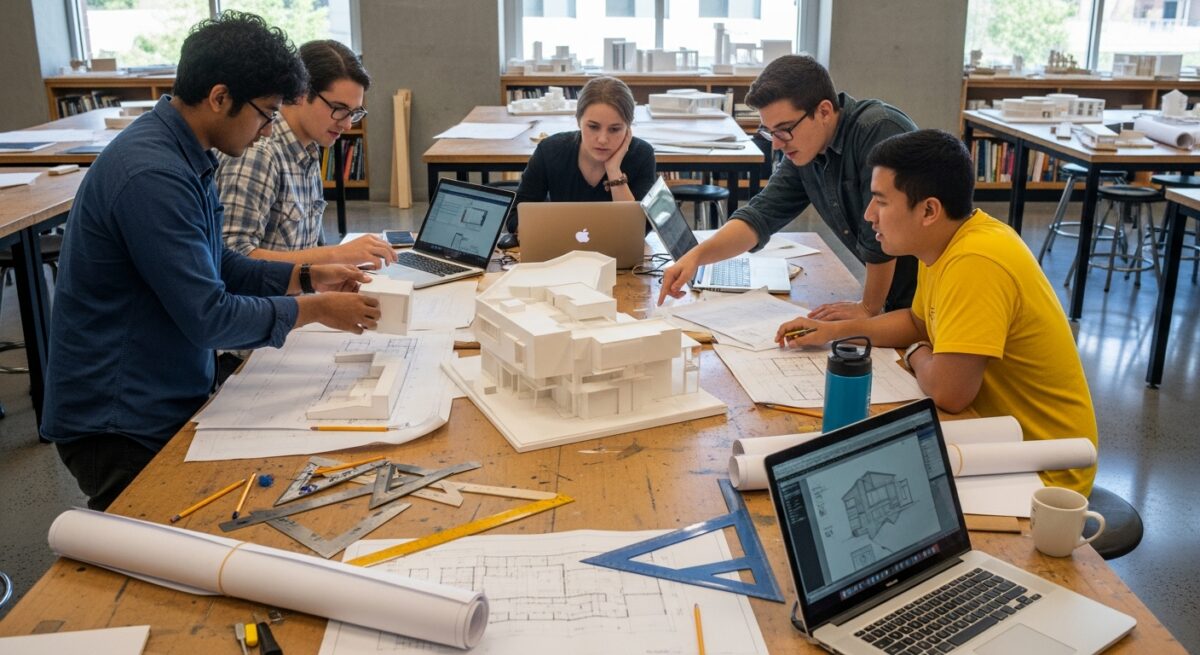
Choosing where to study architecture and design is one of the most consequential decisions a creative student can make. The right program does more than teach technical skills. It shapes your design philosophy, builds your professional network, and opens doors to prestigious firms and innovative studios. For high school students, college applicants, and career changers alike, identifying the best universities to study architecture and design requires careful research into curriculum quality, faculty expertise, studio culture, and accreditation. This guide examines leading institutions across the United States and globally, offering practical insights to help you match your aspirations with the program that will launch your career.
What Defines a Top Architecture Program
Architecture education blends artistic vision with technical precision. The strongest programs share several core attributes that set them apart from standard offerings. Accreditation from the National Architectural Accrediting Board (NAAB) is essential for professional licensure in the United States. Without it, graduates may face additional hurdles when seeking registration. Beyond accreditation, look for programs that offer a balance of design studios, building technology courses, history and theory classes, and professional practice seminars.
Faculty quality matters immensely. The best professors bring real-world experience from leading architecture firms, urban planning agencies, and sustainable design consultancies. They also maintain active research practices, which means students can engage with cutting-edge ideas in areas like parametric design, net-zero buildings, and adaptive reuse. Studio culture is another critical factor. Top programs foster collaborative environments where students critique each other’s work constructively, learn from visiting critics, and develop resilience through intensive project cycles. Finally, strong industry connections lead to internships, co-op placements, and job opportunities after graduation.
Leading Architecture Schools in the United States
Several American universities consistently rank among the top architecture colleges worldwide. These institutions combine rigorous academics with prime locations that expose students to landmark buildings and vibrant design communities.
Massachusetts Institute of Technology (MIT) School of Architecture and Planning
MIT offers one of the most intellectually demanding architecture programs in the world. The Department of Architecture emphasizes design computation, building technology, and the intersection of architecture with engineering and social sciences. Students benefit from state-of-the-art fabrication labs, digital design tools, and a curriculum that encourages experimentation. MIT’s location in Cambridge provides easy access to Boston’s historic architecture and a thriving tech scene. Graduates often pursue careers in high-performance building design, urban analytics, and computational design research.
Cornell University College of Architecture, Art, and Planning
Cornell’s five-year Bachelor of Architecture (B.Arch) program is one of the oldest and most respected in the country. The curriculum balances intensive studio work with liberal arts requirements, ensuring graduates are both skilled designers and critical thinkers. Students study in the historic Sibley Hall and have access to the renowned Cornell University Library’s rare books collection. The program’s Rome and New York City studios provide immersive experiences in global design capitals. Cornell graduates are known for their strong technical foundation and ability to work across disciplines.
University of California, Berkeley College of Environmental Design
Berkeley’s architecture program stands out for its commitment to social and environmental justice. The curriculum integrates sustainable design principles, urban ecology, and community engagement from the first year. Students learn to address pressing challenges like climate change, housing affordability, and equitable public space. The Bay Area location offers unparalleled opportunities to study innovative green buildings and engage with progressive architecture firms. Berkeley also offers a highly regarded Master of Architecture (M.Arch) for students with undergraduate degrees in other fields, making it an excellent option for career changers.
International Powerhouses in Architecture Education
The best architecture universities extend beyond U.S. borders. For students willing to study abroad, several international institutions offer world-class education and unique cultural perspectives. The Bartlett School of Architecture at University College London is famous for its avant-garde design approach and emphasis on narrative and drawing. The Delft University of Technology in the Netherlands excels in building technology, structural design, and urbanism. ETH Zurich in Switzerland combines rigorous engineering with design innovation, producing graduates who lead in both practice and academia. These programs often attract a diverse international student body, enriching the learning experience through cross-cultural collaboration. For students seeking affordable options, many European public universities charge modest tuition fees compared to private U.S. institutions.
Top Design Schools for Specialized Disciplines
Architecture is a broad field, and many students prefer programs that emphasize specific design areas. Industrial design, interior design, landscape architecture, and urban design each have their own top-ranked programs. For industrial design, the Rhode Island School of Design (RISD) and the Art Center College of Design in Pasadena lead the field. RISD offers a rigorous studio-based curriculum that encourages hands-on making and critical thinking. Art Center is known for its strong connections to the automotive and consumer electronics industries.
For landscape architecture, Harvard University’s Graduate School of Design and the University of Pennsylvania’s Stuart Weitzman School of Design offer unmatched resources and faculty expertise. These programs address large-scale environmental challenges, from coastal resilience to urban park systems. Interior design programs at the New York School of Interior Design and Pratt Institute provide specialized training in spatial planning, materials, and lighting. Urban design programs at Columbia University and the University of Miami prepare students to shape cities through policy, planning, and design.
How to Evaluate and Choose the Right Program
With so many excellent options, narrowing your choices requires a systematic approach. Start by identifying your career goals. Do you want to work in a traditional architecture firm, or are you drawn to experimental design, sustainable development, or urban planning? Each path may benefit from a different program focus. Next, consider location. Urban campuses offer access to architectural landmarks, internship opportunities, and a vibrant design culture. However, rural campuses may provide a more focused studio environment and lower cost of living.
Financial considerations are equally important. Tuition, fees, and living expenses vary widely between public and private institutions and across geographic regions. Many top architecture schools offer scholarships, teaching assistantships, and work-study programs. Research each school’s financial aid offerings early in your application process. Also, evaluate the program’s accreditation status, graduation rates, and career placement statistics. Speak with current students and alumni to get an honest picture of the studio culture and workload. Finally, review the portfolio requirements for admission. Strong portfolios often include a mix of hand drawings, digital renderings, physical models, and design process documentation.
Online and Hybrid Architecture Programs
The rise of digital learning has expanded access to architecture education. Several accredited universities now offer online and hybrid programs that combine remote coursework with intensive on-campus studios. Boston Architectural College and the University of Southern California offer fully online Master of Architecture degrees for students with prior design backgrounds. These programs use virtual design studios, video critiques, and collaborative software to replicate the studio experience. For students balancing work or family commitments, online programs provide flexibility without sacrificing academic quality. However, online architecture programs require strong self-discipline and reliable technology. Most programs require periodic on-campus residencies for hands-on workshops and final reviews.
For those exploring degree options in related fields, our guide on best universities to study law for future lawyers offers a similar framework for evaluating professional programs. The same principles of accreditation, faculty expertise, and career outcomes apply across disciplines.
Frequently Asked Questions
What is the difference between a B.Arch and an M.Arch degree?
A Bachelor of Architecture (B.Arch) is a five-year professional degree that prepares students for licensure directly after graduation. A Master of Architecture (M.Arch) is a graduate-level professional degree typically requiring two to three years of study, designed for students who already hold a bachelor’s degree in architecture or a related field. Both degrees lead to the same licensure path, but the B.Arch is more common for students entering directly from high school.
Do I need a degree from a top university to become a licensed architect?
No. Licensure requirements vary by state but generally require a professional degree from an NAAB-accredited program, completion of the Architectural Experience Program (AXP), and passage of the Architect Registration Examination (ARE). Graduates from any NAAB-accredited program can become licensed. However, attending a top university can provide stronger professional connections and a more competitive portfolio.
Can I study architecture online?
Yes, several accredited universities offer online or hybrid architecture programs. These programs cover the same curriculum as on-campus programs but with digital delivery. Students must have access to design software, a reliable internet connection, and the ability to participate in virtual studio sessions. Some programs require periodic on-campus residencies.
What skills do I need to succeed in architecture school?
Successful architecture students typically possess strong visual and spatial reasoning skills, creativity, attention to detail, and the ability to work collaboratively. Technical skills in drawing, model making, and computer-aided design (CAD) are developed during the program. Time management and resilience are crucial due to the demanding studio workload.
How important is the portfolio for architecture school admissions?
The portfolio is often the most important component of your application. It demonstrates your design thinking, creativity, and technical ability. Admissions committees look for a range of work including observational drawings, design projects, and three-dimensional models. A well-curated portfolio can compensate for lower grades or test scores.
Choosing among the best universities to study architecture and design is a personal journey that depends on your goals, learning style, and resources. The institutions highlighted here represent the gold standard in architecture education, but many other excellent programs exist across the United States and abroad. Visit campuses, attend virtual open houses, and speak with admissions counselors to find the program that fits your vision. A strong architecture education is an investment in your creative future. For additional guidance on selecting degree programs and navigating the admissions process, explore the resources available at CollegeDegree.School. We provide comprehensive information on affordable online degrees, career pathways, and academic success strategies to help you make informed decisions. The right school can transform your passion for design into a fulfilling career that shapes the built environment for generations to come. Learn more