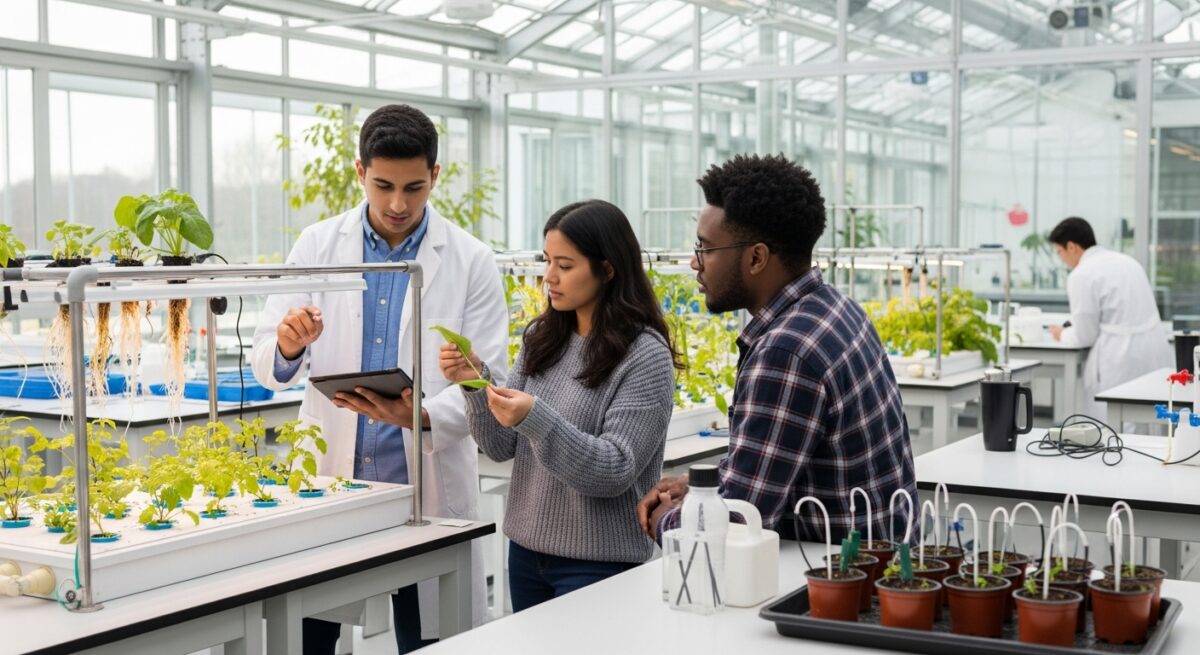
The global food system faces unprecedented challenges, from climate change and population growth to resource scarcity and sustainability demands. This reality transforms agriculture from a traditional industry into a high-tech, critical frontier for innovation. Choosing the right educational institution is no longer just about learning to farm, it is about preparing to lead in a sector that is fundamental to human survival and economic stability. The top agriculture colleges for future careers are those that equip students with a fusion of scientific depth, technological fluency, business acumen, and a systems-thinking approach to solve these complex, real-world problems.
What Defines a Top-Tier Agriculture College Today?
Gone are the days when an agriculture program was solely defined by its farm acreage. While hands-on experience remains invaluable, the leading agriculture universities distinguish themselves through a multifaceted approach to education. First, they boast robust, interdisciplinary curricula that seamlessly integrate core agricultural sciences (like agronomy, animal science, and horticulture) with data science, engineering, biotechnology, environmental policy, and supply chain management. This reflects the interconnected nature of modern agribusiness.
Second, these institutions prioritize immersive, experiential learning. This extends beyond the campus farm to include undergraduate research opportunities, co-op programs with leading agribusiness firms, and internships with governmental agencies like the USDA. Third, a strong career outcomes network is paramount. Top farming colleges have deep, active relationships with industry leaders, from global seed and machinery corporations to sustainable food startups and policy organizations, facilitating direct pathways to employment. Finally, they address the financial barrier to entry. Prospective students should actively seek education scholarship guidance and explore the substantial institutional aid many leading programs offer to support the next generation of agricultural professionals.
Key Academic Programs for High-Demand Careers
The career landscape in agriculture is remarkably diverse. Leading colleges have evolved their program offerings to match this diversity, moving far beyond traditional farm management. Here are several high-impact academic pathways that are central to the mission of top agriculture colleges.
Agricultural Technology and Engineering
This field sits at the exciting convergence of agriculture, robotics, and artificial intelligence. Programs focus on precision agriculture, where students learn to use drones, GPS-guided equipment, and IoT sensors to optimize inputs like water and fertilizer. They also delve into the design of automated systems, smart machinery, and controlled environment agriculture (like vertical farms). Graduates are snapped up by equipment manufacturers, tech startups, and large-scale farming operations to drive efficiency and data-driven decision-making.
Sustainable Food Systems and Environmental Science
With a growing emphasis on regenerative practices and climate resilience, this area is critical. Students study soil health, water conservation, integrated pest management, and lifecycle analysis of food production. They learn to balance productivity with ecological stewardship, preparing for careers in sustainability consulting, environmental compliance, organic certification, and with NGOs focused on food security and conservation.
Agricultural Business and Economics
This track is for the future executives and analysts of the agri-food sector. It covers commodity markets, agricultural finance, farm policy, international trade, and food marketing. Graduates from strong programs find roles as commodity traders, financial analysts for agricultural banks, policy advisors, and managers in global food corporations, understanding the economic forces that shape the entire supply chain from field to fork.
Food Science and Safety
This discipline ensures the safety, quality, and nutritional value of our food supply. Coursework includes microbiology, chemistry, processing engineering, and regulatory affairs. Careers are plentiful in food manufacturing, quality assurance, product development, and with public health agencies, ensuring that food is not only produced but also preserved, packaged, and distributed safely.
Evaluating and Choosing the Right Program for You
Selecting among the top agriculture colleges requires introspection and research. Start by aligning your academic interests with the institution’s strengths. A student passionate about biotechnology should prioritize schools with strong research labs in plant genetics, while someone focused on international development might seek programs with a global agriculture emphasis and study abroad opportunities.
Consider the following factors to make an informed decision:
- Hands-On Facilities: Does the school have working farms, greenhouses, food processing labs, or technology centers that you can access as an undergraduate?
- Faculty Expertise and Research: Are professors engaged in cutting-edge research you find compelling? Can undergraduates participate?
- Career Support and Industry Ties: What is the job placement rate? How active is the career services office in agriculture? Which companies recruit on campus?
- Location and Network: Is the school in a major agricultural region, near agribusiness hubs, or in a policy center like Washington D.C.? Each offers different networking advantages.
- Financial Considerations: Investigate scholarships, work-study programs on the campus farm, and in-state tuition options for public universities.
Beyond the campus visit, connect with current students and alumni on professional networks to hear firsthand about their experiences and career trajectories. This due diligence is crucial for finding a program where you will thrive. For a deeper dive into evaluating prestigious programs, our resource on Top Agriculture Colleges for Advanced Agricultural Studies provides a detailed framework for assessment.
The Future Career Landscape for Agriculture Graduates
The demand for skilled graduates from top agriculture universities is strong and growing. The Bureau of Labor Statistics notes steady demand for agricultural and food scientists, conservationists, and managers. However, the most exciting opportunities are emerging in new, interdisciplinary spaces. Roles like precision agriculture specialists, carbon farming consultants, agricultural data analysts, and supply chain transparency managers were barely conceived of a decade ago. The industry needs problem-solvers who can bridge the gap between technology and practical application, between science and policy, between production and sustainability.
Entrepreneurship is also a major pathway. Many graduates launch startups focused on alternative proteins, farm management software, biodegradable packaging, or direct-to-consumer branded products. The foundational knowledge gained from a comprehensive agriculture degree provides the perfect platform for innovation. Ultimately, a degree from a leading institution in this field is not just a pathway to a job, it is an entry point into shaping the future of one of humanity’s most essential endeavors.
Frequently Asked Questions
What are the highest-paying careers for agriculture graduates?
High-earning potential exists in several areas, including agricultural engineering, biotechnology research and development, agricultural law and policy, corporate agribusiness management (e.g., as a supply chain director or operations manager), and specialized consulting in areas like sustainability or precision ag technology.
Do I need to come from a farming background to succeed in an agriculture program?
Absolutely not. Modern agriculture programs value diverse perspectives. Students from urban backgrounds often bring fresh ideas in technology, marketing, and social science that are desperately needed. A passion for science, the environment, technology, or global food issues is far more important than prior farming experience.
Are there strong online options for agriculture degrees?
Yes, many reputable universities now offer online bachelor’s and master’s degrees in agricultural fields, particularly in business, leadership, and education. These are excellent for working professionals or career-changers. However, for hands-on scientific and technical disciplines, in-person programs with lab and field components are generally more comprehensive.
How important is the college’s geographic location?
Location offers context but is not limiting. A college in the Midwest provides direct exposure to large-scale grain and livestock production. One in California offers insight into specialty crops and irrigation management. Schools near capital cities provide links to policy. Choose a location that aligns with your specific interests within the vast agricultural sector.
What minors or double majors complement an agriculture degree well?
Strategic combinations significantly boost employability. Consider pairing your agriculture major with a minor or second major in data science, computer science, environmental studies, business administration, communications, or a foreign language. This creates a unique and highly marketable skill set.
Investing in an education from one of the top agriculture colleges for future careers is an investment in a sector that is perpetually essential and dynamically evolving. The right program will provide you with the knowledge, skills, and network to not just navigate this evolution, but to help lead it. By carefully evaluating programs based on their alignment with your goals, their commitment to experiential learning, and their proven career outcomes, you can position yourself at the forefront of building a more sustainable, secure, and innovative food system for generations to come.