New York stands as one of the most prestigious destinations for higher education in the United States. The state hosts an extraordinary concentration of elite private colleges and universities across New York, drawing students from every corner of the globe. These institutions offer rigorous academics, world-class faculty, and unparalleled career networks. Whether you dream of studying in the heart of Manhattan or on a serene campus in the Hudson Valley, New York’s private colleges provide transformative educational experiences. This guide explores the most distinguished institutions, their unique strengths, and how to navigate the admissions process successfully.
The Ivy League Powerhouses and Their New York Legacy
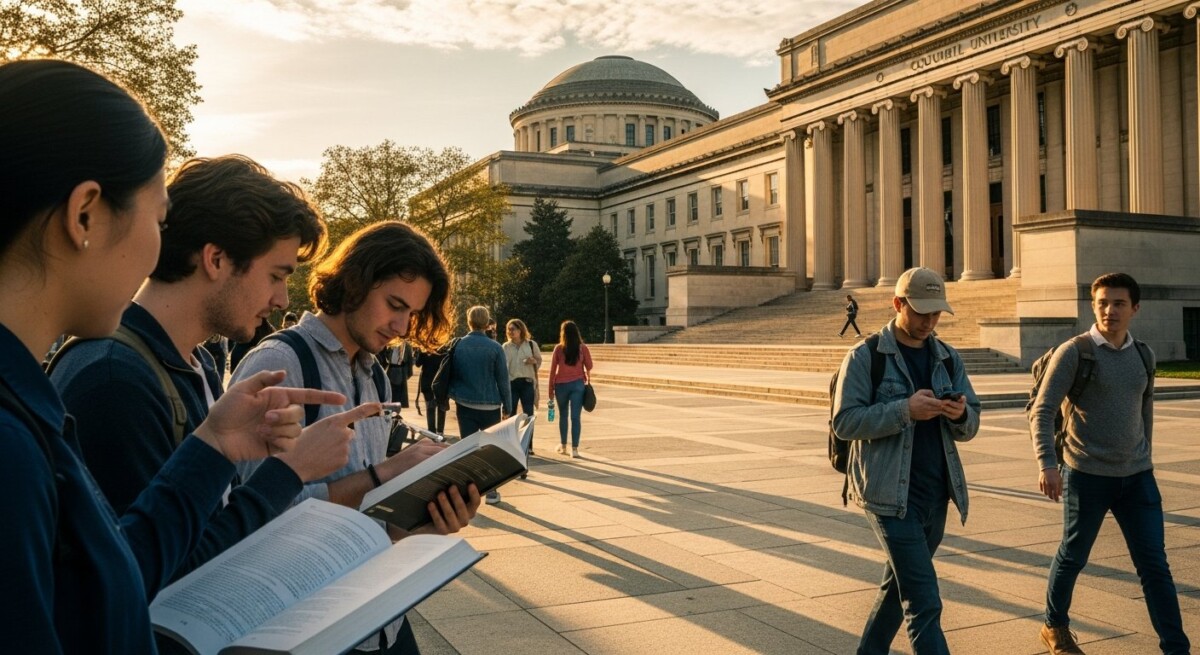
Columbia University in New York City represents the Ivy League’s presence in the state. Founded in 1754 as King’s College, Columbia sits in Morningside Heights and offers a quintessential urban academic experience. Its Core Curriculum ensures every undergraduate engages with foundational texts in philosophy, literature, and science. Columbia’s location provides students with internship opportunities at Wall Street firms, media companies, and nonprofit organizations. The university’s alumni network includes U.S. presidents, Nobel laureates, and Pulitzer Prize winners.
Cornell University, though located in Ithaca in the Finger Lakes region, is a unique hybrid institution with both private and public contract colleges. Its private colleges include the College of Arts and Sciences, the College of Engineering, and the School of Hotel Administration. Cornell’s breathtaking campus overlooks Cayuga Lake and offers a traditional collegiate atmosphere with state-of-the-art research facilities. Students benefit from the university’s land-grant mission combined with Ivy League prestige. For those considering multiple options across the state, exploring leading private colleges and universities across Minnesota can provide a useful comparison point for understanding regional differences in private education.
Beyond the Ivy League: Elite Private Institutions in New York City
New York University (NYU) has grown into one of the largest private research universities in the country. Its campus weaves through Greenwich Village, Washington Square Park, and extends into global academic centers. NYU excels in the arts, business, law, and medical fields. The Tisch School of the Arts produces award-winning filmmakers and actors, while the Stern School of Business ranks among the top undergraduate business programs nationally. NYU’s global network includes campuses in Abu Dhabi and Shanghai, giving students international perspectives without leaving their degree program.
Rockefeller University, though primarily a graduate research institution, deserves mention for its outsized impact on biomedical research. Located on the Upper East Side, Rockefeller has produced 26 Nobel laureates among its faculty. Undergraduate students interested in research-intensive careers may find opportunities through summer programs or collaborative arrangements with other institutions.
The Juilliard School in Lincoln Center stands as the world’s premier performing arts conservatory. While its focus is specialized, Juilliard’s rigorous training in music, dance, and drama attracts exceptionally talented students. Its alumni dominate concert halls, Broadway stages, and film scores globally. Juilliard’s partnership with Columbia University for joint degree programs allows students to combine artistic training with a liberal arts education.
Liberal Arts Colleges That Define Academic Excellence
Barnard College, affiliated with Columbia University, offers women a distinctive educational experience. Located across the street from Columbia’s main campus, Barnard provides the resources of a major research university within a close-knit liberal arts environment. Students take classes at both institutions and graduate with a Columbia University degree. Barnard’s focus on leadership development and women’s empowerment creates a supportive community for academic exploration.
Vassar College in Poughkeepsie exemplifies the progressive liberal arts tradition. Founded in 1861 as the first degree-granting institution for women in the United States, Vassar became coeducational in 1969. Its 1,000-acre arboretum campus features stunning Gothic and modernist architecture. Vassar’s open curriculum allows students to design their own academic paths without distribution requirements. The college’s strength in the arts, social sciences, and humanities attracts intellectually curious students who thrive in seminar-style classes.
Colgate University in Hamilton offers a rigorous liberal arts education with a strong sense of community. Its 553-acre campus in central New York features rolling hills and a picturesque village setting. Colgate emphasizes writing-intensive courses, undergraduate research, and study abroad programs. The university’s alumni network is notably loyal and supportive, with strong connections in finance, consulting, and media.
Specialized Institutions for Focused Study
Rensselaer Polytechnic Institute (RPI) in Troy leads as one of the oldest technological universities in the English-speaking world. Founded in 1824, RPI offers cutting-edge programs in engineering, computer science, architecture, and business. Its emphasis on research and innovation produces graduates who work at top technology companies and pursue advanced degrees. RPI’s campus features modern laboratories and collaborative spaces designed for interdisciplinary work.
Clarkson University in Potsdam specializes in engineering, business, and the sciences within a tight-knit community. Its location in the Adirondack region provides outdoor recreation opportunities alongside rigorous academics. Clarkson’s focus on experiential learning includes co-op programs and undergraduate research projects that prepare students for immediate career success.
The University of Rochester, while larger than a typical liberal arts college, maintains a strong emphasis on undergraduate education. Its Rochester Curriculum allows students to explore three clusters of study rather than traditional majors and minors. The university’s Eastman School of Music ranks among the top music conservatories worldwide. UR’s research strengths in optics, medicine, and psychology attract students interested in combining scientific inquiry with humanistic perspectives.
Financial Considerations and Scholarship Opportunities
Elite private colleges across New York come with significant tuition costs, but they also offer generous financial aid packages. Most of these institutions practice need-blind admissions and meet 100 percent of demonstrated financial need. This means that your ability to pay does not affect your admission chances, and the school will provide grants and work-study opportunities to cover your costs. For families earning under a certain threshold, typically around $100,000 for many top schools, tuition may be fully covered by grants.
Merit scholarships are less common at the most selective institutions, but some schools offer substantial awards for exceptional students. For example, the University of Rochester provides the Renaissance and Global Scholarships, while Colgate University offers the Benton Scholarship and other merit-based awards. Students should research each institution’s financial aid policies carefully and submit all required forms, including the FAFSA and CSS Profile, by the stated deadlines.
For those seeking additional information about college degrees, financial aid options, and academic pathways, college degree information resources can help clarify the process. Understanding the full range of options available, from private universities to public institutions, ensures that students make informed decisions about their educational investment.
Admissions Strategies for Competitive New York Schools
Gaining admission to elite private colleges and universities across New York requires strategic planning and strong execution. These institutions typically admit between 5 and 15 percent of applicants, making them among the most selective in the nation. Your application must demonstrate academic excellence, intellectual curiosity, and personal character through multiple components.
First, prioritize your high school coursework. Take the most challenging classes available, including Advanced Placement, International Baccalaureate, or honors courses. The admissions officers at Columbia, Cornell, and NYU want to see that you have pushed yourself academically. Strong grades in rigorous courses carry more weight than perfect grades in standard classes.
Second, develop a clear narrative through your extracurricular activities. Depth matters more than breadth. Admissions committees look for students who have shown commitment and leadership in one or two areas rather than superficial involvement in many activities. Whether you excel in scientific research, community service, athletics, or the arts, your activities should tell a compelling story about your passions and potential contributions to campus life.
Third, invest time in your essays. The personal statement and supplemental essays provide opportunities to reveal your personality, values, and writing ability. Avoid cliche topics and instead focus on specific experiences that shaped your perspective. Show, do not tell, by using vivid details and reflective analysis. Each essay should add new information about you rather than repeating what appears elsewhere in your application.
Fourth, secure strong letters of recommendation. Choose teachers who know you well and can speak to your intellectual engagement, character, and potential. Provide them with a resume and a summary of your interests to help them write detailed and personalized letters. Follow up with thank-you notes after they submit their recommendations.
Fifth, consider early decision or early action options if you have a clear first-choice school. Early decision is binding and requires you to attend if admitted, but it can significantly increase your chances of acceptance. Early action is nonbinding and allows you to apply to multiple schools. Research each school’s early admission policies and deadlines carefully.
Career Outcomes and Alumni Networks
Graduates of elite private colleges in New York enjoy strong career outcomes. The combination of rigorous academics, internship opportunities, and powerful alumni networks opens doors to top employers. Columbia University graduates often secure positions at Goldman Sachs, Google, McKinsey & Company, and leading law firms. Cornell’s engineering and hotel administration programs place graduates at top technology companies and hospitality organizations worldwide.
NYU’s location in the heart of Manhattan provides direct access to internships at major corporations, startups, and cultural institutions. Many students complete multiple internships before graduation, building impressive resumes and professional networks. The Wasserman Center for Career Development offers coaching, job fairs, and alumni connections that facilitate successful transitions into the workforce.
Liberal arts colleges like Vassar and Colgate emphasize career preparation through career centers, alumni mentoring programs, and internship funding. These schools often have strong placement rates in graduate programs, with many students pursuing advanced degrees in law, medicine, business, and academia. The critical thinking, writing, and analytical skills developed at liberal arts colleges remain highly valued across industries.
Frequently Asked Questions
What is the difference between private and public colleges in New York? Private colleges are funded through tuition, endowments, and private donations, while public colleges receive state funding. Private institutions typically have higher tuition but also offer more generous financial aid. They often have smaller class sizes and more flexible curricula compared to public universities.
How can I afford an elite private college in New York? Most elite private colleges offer need-based financial aid that covers full demonstrated need. Complete the FAFSA and CSS Profile by the school’s deadlines. Research merit scholarships and external scholarships from community organizations, employers, and foundations. Some schools also offer payment plans to spread tuition costs across the year.
Which New York private college has the strongest engineering program? Columbia University and Cornell University both have top-ranked engineering programs. Rensselaer Polytechnic Institute specializes in engineering and technology. Each program has different strengths: Columbia excels in civil and mechanical engineering, Cornell in electrical and computer engineering, and RPI in aerospace and materials engineering.
Do I need to submit test scores for admission? Many elite private colleges in New York have adopted test-optional policies for the 2024-2025 admissions cycle. This means you can choose whether to submit SAT or ACT scores. If your scores are strong and represent your abilities well, submit them. If not, focus on other application components like grades, essays, and extracurriculars.
Final Thoughts on Choosing Your Path
Selecting among elite private colleges and universities across New York requires careful consideration of academic programs, campus culture, location, and financial fit. Visit campuses when possible, attend virtual information sessions, and connect with current students and alumni. Each institution offers a distinct educational experience, and the right choice depends on your personal goals and preferences. Remember that the most prestigious school is not always the best fit. Focus on finding a community where you can thrive academically, socially, and personally. With thorough research and thoughtful preparation, you can find the perfect private college in New York to launch your future success.