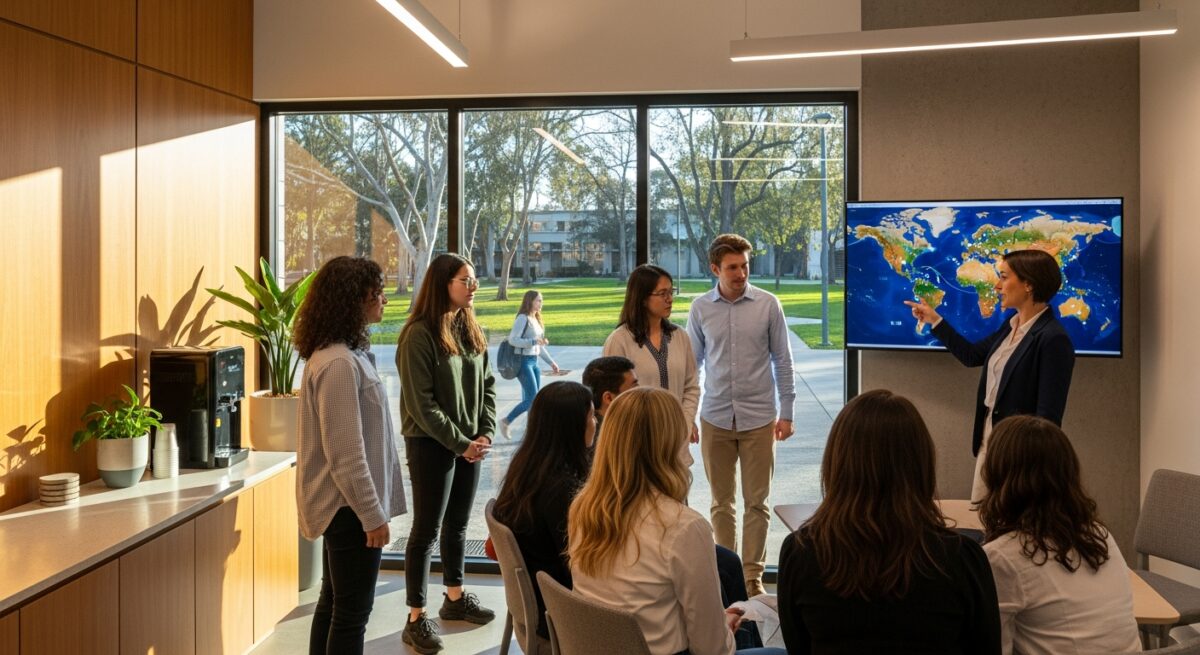
Choosing to study abroad is an exhilarating leap into a new academic and cultural world. Yet, the journey from acceptance to graduation is paved with complex administrative, legal, and personal challenges that extend far beyond the classroom. This is where robust international student services in colleges become not just a support system, but a critical lifeline. These dedicated offices are the central hub designed to ensure your transition is smooth, your visa status remains secure, and you have the resources to thrive both academically and socially. For thousands of students each year, understanding and utilizing these services is the difference between merely surviving and truly flourishing in a foreign educational environment.
The Core Mission of International Student Offices
At its heart, the international student services office (often called ISSO, OISS, or Global Education) serves as your primary advocate and guide within the college bureaucracy. Its core mission is threefold: to ensure institutional compliance with government regulations, to facilitate the academic and personal success of international students, and to enrich the campus community through cross-cultural exchange. These offices are staffed by professionals, often including Designated School Officials (DSOs) and Responsible Officers (ROs), who are legally authorized to advise on and manage your Student and Exchange Visitor Information System (SEVIS) record. Their expertise is your first line of defense against status violations and a key resource for navigating the intricacies of life in a new country. A strong international student services department is a hallmark of an institution genuinely committed to global education.
Essential Services for Visa and Immigration Compliance
Maintaining legal status is the most fundamental concern for any international student. The services provided in this area are non-negotiable and form the bedrock of the office’s work. From the moment you receive your admission letter, the international student services team guides you through the process of obtaining the initial Form I-20 or DS-2019, which you use to apply for your F-1 or J-1 visa. Once on campus, they manage critical updates and processes, including program extensions, reduced course load authorizations, and transfers between U.S. institutions. They also provide mandatory orientation sessions that thoroughly explain the rules of your visa status, such as limitations on off-campus work and the importance of full-time enrollment. Perhaps most importantly, they authorize practical training opportunities. This includes Curricular Practical Training (CPT) for work integral to your studies and Optional Practical Training (OPT) for work before or after completion of your degree. Navigating these options without expert guidance is risky, making this office an indispensable partner in your legal and career trajectory.
Academic and Cultural Integration Support
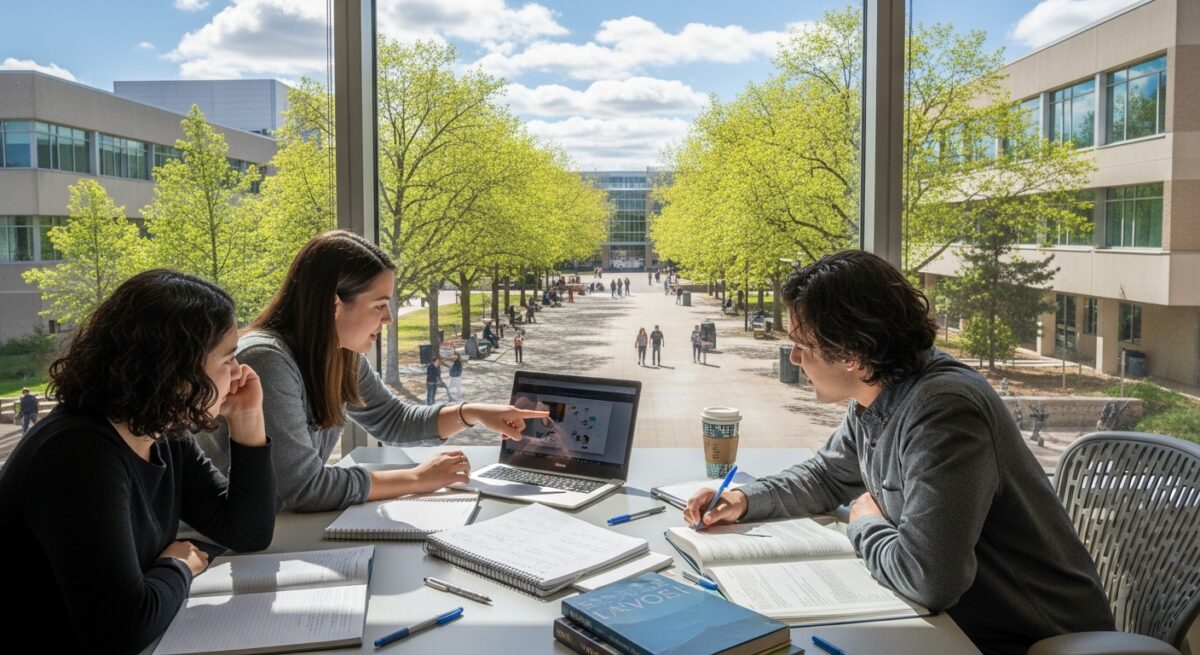
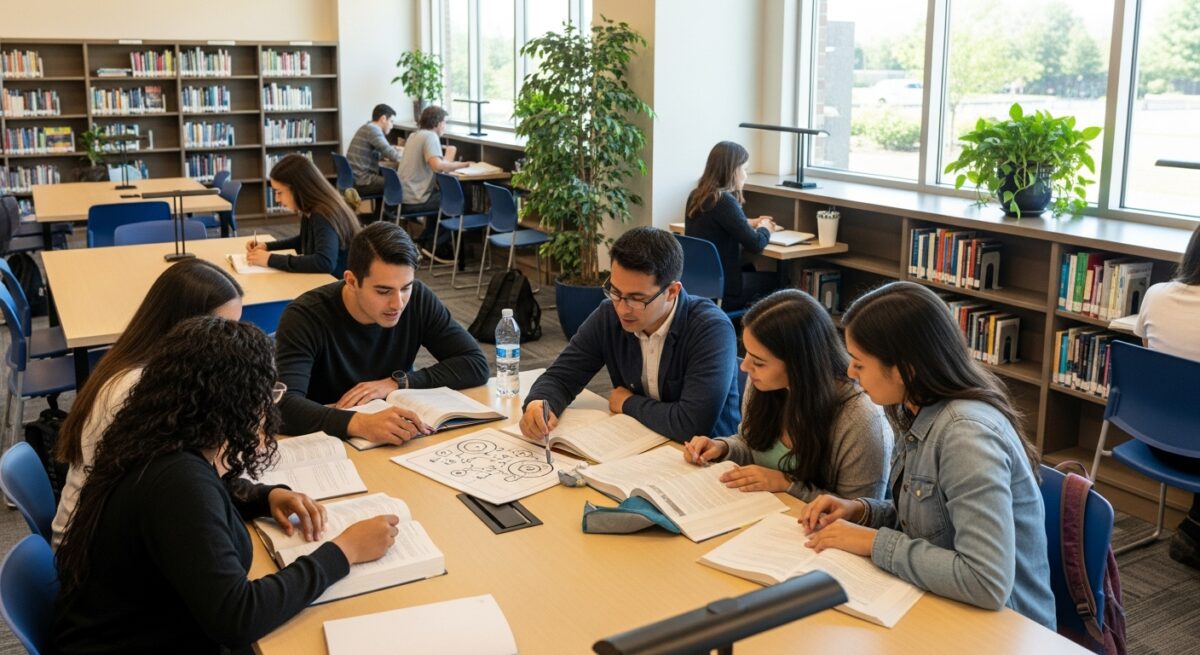
Beyond paperwork, effective international student services in colleges actively foster a sense of belonging and academic confidence. The cultural and academic shift can be profound, and these offices provide structured support to ease the transition. Many offer specialized academic advising that understands the unique challenges faced by international students, such as differing academic conventions, language nuances in writing, and participation styles. They frequently organize workshops on time management, academic integrity standards, and effective communication with professors. Culturally, they are instrumental in creating community through peer mentorship programs, conversation partner initiatives, and cultural celebration events. These programs connect new arrivals with both domestic and other international students, building a support network that combats isolation. This holistic approach to integration is crucial for student retention, well-being, and overall satisfaction, directly impacting academic performance and personal growth.
Resources for Personal Well-Being and Practical Life
Adjusting to daily life in a new country involves a myriad of practical hurdles. A comprehensive international student services office addresses these head-on with resources and referrals. A primary area of support is navigating the U.S. healthcare system. Advisors often help students understand mandatory health insurance plans, how to find medical providers, and what to do in case of illness or emergency. Many offices also provide guidance on essential practicalities like securing local housing, obtaining a Social Security Number, setting up a bank account, and understanding state-specific requirements for a driver’s license. Furthermore, they serve as a compassionate point of contact for personal issues, from homesickness to cultural misunderstandings, and can refer students to specialized counseling services that are sensitive to cross-cultural contexts. This safety net allows students to focus on their studies rather than being overwhelmed by logistical stresses.
Career Development and Post-Graduation Planning
For many international students, a primary goal is to gain valuable professional experience. The international student services office collaborates closely with the campus career center to provide tailored guidance that accounts for visa restrictions. They demystify the process of gaining work authorization through CPT and OPT, offering detailed workshops on application timelines, documentation, and reporting requirements. Advisors often review OPT application packets before submission to prevent errors that could cause delays or denials. Additionally, these services may host networking events with employers familiar with hiring international talent and provide resources on resume and interview strategies that translate your global background into a professional asset in the U.S. job market. For those considering further study, advisors can also offer insights into the visa implications of moving to a new academic program. This forward-looking support is vital for turning an international degree into a launchpad for global career success, and students seeking broader context on academic pathways can find valuable school-level degree guidance through dedicated educational resources.
Selecting a College with Strong International Support
Not all international student services colleges are created equal. When evaluating potential schools, the strength and scope of these services should be a major factor in your decision. Prospective students should look beyond the basic offering of visa help. Investigate the office’s staffing ratio relative to the international student population. A well-staffed office suggests more personalized attention. Examine the programming calendar: does the office host regular social, cultural, and professional events throughout the year? Reach out directly with specific questions and gauge their responsiveness and warmth. During campus tours or virtual information sessions, ask current international students about their experiences with the office. Are they seen as accessible and helpful? A proactive, well-resourced international student services division is a strong indicator of an institution’s genuine commitment to its global student body, which correlates directly with a more supportive and enriching overall experience. This institutional support is a key component of how student support services in colleges drive academic success, creating an environment where all students can achieve their full potential.
Frequently Asked Questions
When should I first contact the international student services office?
You should initiate contact as soon as you receive your admission letter. They will provide the immigration documents and pre-arrival instructions you need to secure your visa and plan your travel.
Are services from the international student office free?
Yes, these services are typically covered by your tuition and mandatory campus fees. There may be specific government filing fees (for OPT, for example), but advising and support from the office itself are included.
Can the office help if I am having academic difficulty?
Absolutely. Advisors can help you understand academic policies, communicate with professors, and explore options like tutoring or academic coaching. They can also advise on the immigration implications of issues like academic probation or changing your major.
What is the single most important rule to remember for my visa status?
Maintain a full course of study each semester as defined by your institution, unless you have prior authorization from your international student advisor for a reduced load. Failure to do so is a severe violation of status.
How can I get involved with the international student services office?
Most offices hire student ambassadors or peer mentors. Attend their events, join their mailing lists, and inquire about volunteer or paid student positions. It’s a fantastic way to build community and gain leadership experience.
The landscape of higher education is inherently global, and the colleges that best serve their international students recognize that success is multifaceted. By offering a robust suite of services that address legal, academic, personal, and career needs, these institutions do more than fill seats, they cultivate global citizens. As an international student, proactively engaging with these resources from day one is the most strategic step you can take to ensure your investment yields not just a degree, but a transformative and successful life experience.