The dream of advancing your education or changing your career no longer requires a massive financial sacrifice. The landscape of learning has fundamentally shifted, making high-quality, budget-friendly online education a tangible reality for millions. This transformation dismantles traditional barriers like geography, rigid schedules, and, most importantly, prohibitive cost. Whether you are seeking a full degree, a professional certificate, or just to learn a new skill, a strategic approach can unlock world-class instruction without the burden of overwhelming student debt. The key lies in knowing where to look, how to evaluate programs, and leveraging the myriad of financial tools and innovative learning platforms now available.
Redefining Value in the Digital Learning Space
When we discuss budget-friendly online education, it is crucial to move beyond a simple price tag. True affordability combines reasonable cost with genuine value, which includes accreditation, relevant curriculum, faculty expertise, and career outcomes. A cheap program that does not lead to a recognized credential or skill advancement is not a bargain, it is a waste of resources. Therefore, the first step is to align your educational goals with your budget. Are you looking for a full bachelor’s or master’s degree? A career-specific certification? Or personal enrichment through individual courses? Your objective will dictate the financial model that makes the most sense.
For degree-seekers, regional accreditation is non-negotiable. This ensures the institution meets rigorous standards and that your credits will transfer and your degree will be respected by employers and other schools. Many public state universities now offer extensive online degree programs at a tuition rate significantly lower than their on-campus counterparts, especially for in-state residents. This is often the sweet spot for budget-friendly online education, combining the reputation of a traditional university with the flexibility and lower overhead of digital delivery. For certificates and skills, focus on providers with strong industry partnerships and portfolios of successful alumni.
Strategic Pathways to Lower Costs
Achieving an affordable education requires a multi-pronged strategy. It is rarely about finding one magic solution, but about combining several cost-saving methods. The most effective approaches involve reducing the per-credit cost, earning credits outside of traditional courses, and securing free funding.
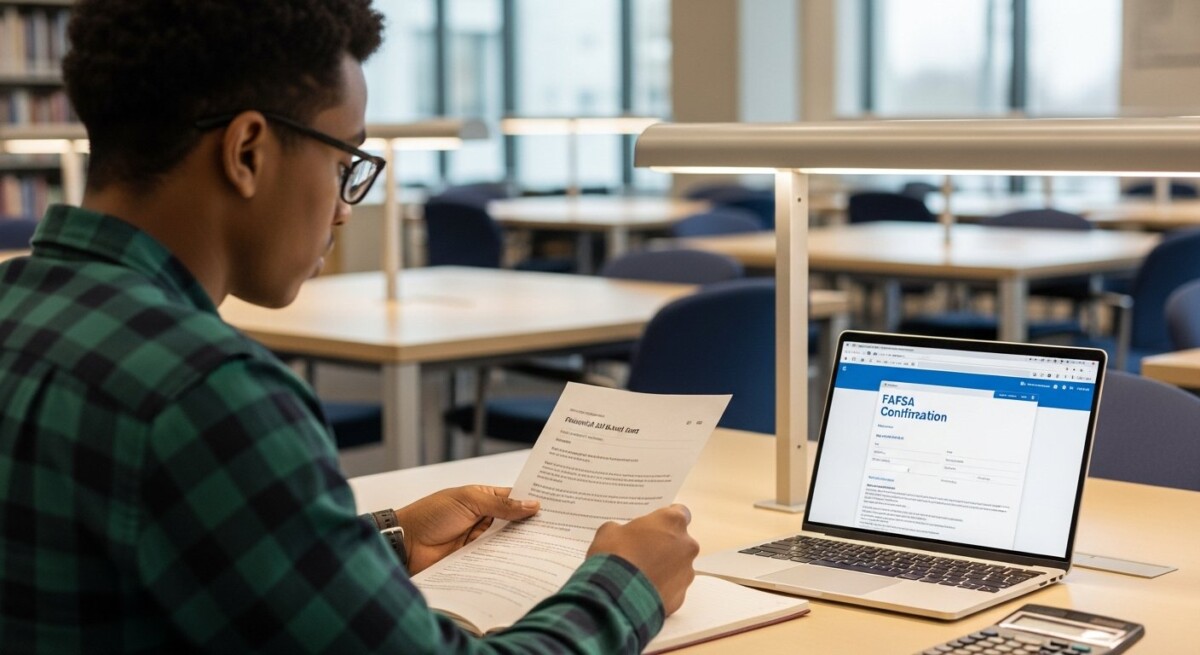
First, explore all avenues for financial aid. Complete the Free Application for Federal Student Aid (FAFSA), regardless of your income or age. This unlocks federal grants, which do not need to be repaid, and low-interest federal student loans. Many schools also use the FAFSA to award their own institutional scholarships. Beyond federal aid, dedicate time to scholarship searches. Numerous organizations offer scholarships based on field of study, demographic background, military service, or corporate affiliation.
Second, investigate credit for prior learning. Many colleges grant credits for knowledge gained outside the classroom through work experience, military training, or independent study. This can be assessed via portfolio reviews or standardized exams like CLEP (College Level Examination Program) or DSST. Passing a $90 CLEP exam to earn three college credits is a profound way to practice budget-friendly online education, potentially saving you over a thousand dollars per course.
Third, consider the “stacking” model. Start with low-cost or free courses from reputable non-degree platforms to build foundational knowledge and confirm your interest in a subject. Then, apply to a degree program where you might transfer those credits in, or use the knowledge to accelerate through required material. A thoughtful approach to evaluating programs is essential here. Our guide on how to effectively evaluate an online education program provides a detailed framework for assessing quality, support services, and true cost before you commit.
To consolidate these strategies, here is a practical action plan for minimizing expense:
- Maximize Free Funding: Exhaust grants and scholarships before using loans.
- Test Out of Classes: Use CLEP, DSST, or prior learning assessment for general education requirements.
- Choose Public In-State Schools: Prioritize online programs from public universities in your state of residence.
- Transfer Credits: Begin at a community college for associate degrees or core credits, then transfer to a four-year institution.
- Employer Tuition Assistance: Utilize company benefits for job-relevant degrees and certificates.
Top Models for Affordable Online Learning
The ecosystem for affordable learning has diversified dramatically. Understanding the different models will help you select the right fit.
Public University Online Programs: As mentioned, this is a cornerstone of credible, budget-friendly online education. Institutions like the University of Florida, Arizona State University, and the University of Illinois Urbana-Champaign offer extensive online catalogs. Tuition is often set per credit hour, and many charge the same rate for all online students, regardless of residency, creating a national affordable option.
Community Colleges: Local community colleges are unparalleled for cost-effective career training and associate degrees. Their online offerings have expanded tremendously, providing complete two-year degrees or transferable general education credits at a fraction of the cost of a university. An associate degree in nursing, IT, or business administration from an accredited community college can launch a career with minimal debt.
Massive Open Online Course (MOOC) Platforms: Sites like Coursera, edX, and FutureLearn partner with top universities (e.g., Stanford, MIT, Harvard) to offer individual courses, professional certificates, and even full master’s degrees. The audit track for single courses is often free, while verified certificates or degrees carry a cost. Their “MicroMasters” or professional certificate programs can sometimes be applied for credit at partner universities, creating a pathway to a degree.
Competency-Based Education (CBE): This innovative model charges by a subscription term (e.g., six months) rather than per credit. You progress by demonstrating mastery of skills, not by time spent in class. If you have existing knowledge in a field, you can accelerate, potentially earning a full degree in less time for less money. Schools like Western Governors University are leaders in this budget-conscious model.
Industry Certification Programs: For tech, business, and healthcare fields, vendor-specific certifications (from Google, Microsoft, Salesforce, AWS, PMI) are highly valued. Training for these is widely available online through the vendors themselves or platforms like Udacity and Pluralsight, often at a cost far lower than a university course and with direct career applicability.
Navigating Pitfalls and Ensuring Quality
While the opportunities are vast, vigilance is necessary. The low barrier to entry for creating an online course means quality varies wildly. Avoid programs from institutions without proper accreditation. Be wary of deceptive advertising that promises degrees with little work. Read student reviews and look for programs with robust student support services, including academic advising, career counseling, and technical help. A truly budget-friendly online education invests in your success, not just in content delivery.
Calculate the total cost of attendance, including fees, books, and technology requirements. Some seemingly low-tuition programs have high mandatory fees. Also, consider the opportunity cost. A program that allows you to continue working full-time has a different financial impact than one requiring intensive, synchronous participation during work hours.
Frequently Asked Questions
Is an affordable online degree respected by employers?
Yes, if it is from a properly accredited institution. Employers primarily care about accreditation and the skills/knowledge you possess. The stigma around online degrees has largely faded, especially since many traditional universities now offer them.
Can I get financial aid for non-degree online courses or certificates?
Federal financial aid typically requires enrollment in an accredited degree program. However, many MOOC platforms offer financial aid for their own certificate courses, and some states offer workforce grants for short-term, job-focused training programs.
What is the biggest hidden cost in online education?
Technology and self-discipline. You need a reliable computer and internet connection. The less structured environment also requires strong time management skills, and failing courses due to poor planning is a costly mistake.
Are there completely free online college degrees?
Fully accredited, completely free bachelor’s degrees are extremely rare. However, some institutions, like the University of the People, are tuition-free (you still pay for assessment fees). Many platforms offer free course audits, and combinations of credit-by-exam and employer reimbursement can drastically reduce out-of-pocket cost.
How do I know if an online program’s format will work for me?
Honestly assess your learning style. Do you need interaction and deadlines (synchronous), or do you prefer to work at your own pace (asynchronous)? Look for programs that offer a trial orientation or demo course to experience their learning management system.
The pursuit of knowledge and career advancement should empower you, not financially cripple you. By strategically leveraging public institutions, credit for prior learning, financial aid, and innovative learning models, you can design an educational path that is both intellectually rewarding and financially sustainable. Budget-friendly online education is not about settling for less, it is about being a smarter, more informed consumer in the vast and evolving marketplace of learning. Start by clarifying your goal, then meticulously research and combine the tools available to build your future on a solid and affordable foundation.