Choosing where to pursue a college degree is one of the most significant decisions a student can make. For many families, finding an institution that blends academic rigor with a faith-based worldview is a top priority. The best Christian universities and colleges offer more than just a diploma; they provide a community where spiritual growth and intellectual development go hand in hand. Whether you are a high school student exploring options or a career changer seeking a meaningful educational experience, understanding what makes these institutions unique can help you make a wise choice.
Faith-based higher education has a long and distinguished history in the United States. Many of the nation’s oldest and most respected universities were founded on Christian principles. Today, the landscape of top Christian colleges includes everything from large research universities to small liberal arts colleges, all committed to integrating faith into every aspect of campus life. This guide will walk you through the key factors to consider, highlight notable programs, and answer common questions, helping you find the institution that best fits your academic goals and spiritual values.
What Defines a Christian University or College?
Not all schools that identify as Christian operate in the same way. Understanding the distinctions can help you narrow your search. At their core, these institutions intentionally integrate Christian faith into their mission, curriculum, and campus culture. This often manifests in required theology or Bible courses, chapel attendance policies, and faculty who are expected to support the school’s doctrinal statement.
However, the depth of this integration varies. Some schools belong to specific denominations, such as Catholic, Baptist, or Methodist, and adhere closely to those traditions. Others are non-denominational or evangelical, focusing on a broad Christian worldview. Accreditation is also a critical factor. The best Christian universities and colleges hold regional accreditation, ensuring that credits transfer and degrees are recognized by employers and graduate schools. Additionally, many are members of the Council for Christian Colleges & Universities (CCCU), which sets standards for faith integration and academic excellence.
Key Characteristics to Look For
When evaluating top Christian colleges, consider these essential elements that set them apart from secular institutions. A strong faith-based school will demonstrate commitment in both policy and practice. Look for a clear mission statement that prioritizes Christian values, a curriculum that includes faith-based perspectives across disciplines, and a campus community that actively supports spiritual formation. Faculty and staff should model the school’s values, and there should be ample opportunities for worship, service, and discipleship outside the classroom.
Academic Excellence and Program Offerings
The best Christian universities and colleges do not sacrifice academic quality for faith integration. Many rank among the top national universities and liberal arts colleges in the country. They offer a wide range of undergraduate and graduate programs, from business and nursing to theology and the arts. For example, institutions like Baylor University, Pepperdine University, and Wheaton College are known for their rigorous academics and strong alumni networks.
Prospective students should look for programs that align with their career goals. Many top Christian colleges have excellent business schools, nursing programs, and education departments. These programs often incorporate ethical perspectives grounded in Christian thought, preparing students not just for a job, but for a vocation. When researching, pay attention to student-faculty ratios, graduation rates, and job placement statistics. These metrics often reflect the level of support and quality of instruction a school provides.
Spiritual Life and Campus Community
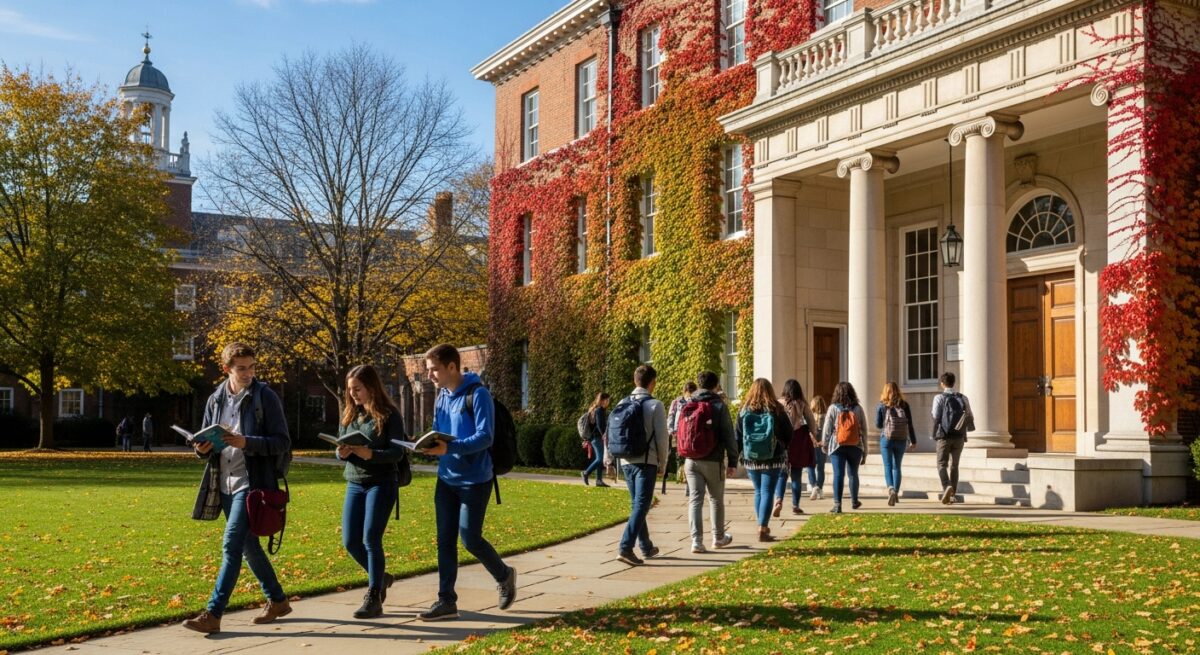
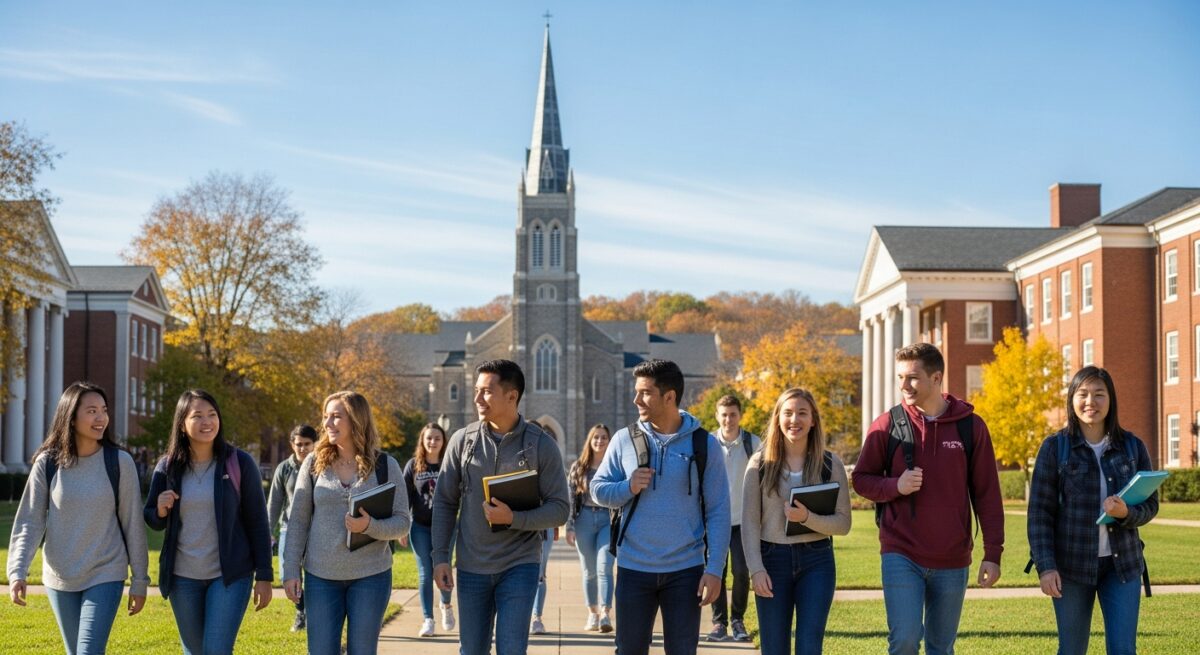
A vibrant spiritual life is a hallmark of the best Christian universities and colleges. Campus life typically includes weekly chapels, small group Bible studies, mission trips, and service opportunities. This environment helps students grow in their faith while building lasting friendships. For many students, this sense of community is the most valuable part of their college experience.
It is important to visit campuses and talk to current students about the spiritual climate. Some schools have a more expressive, charismatic worship style, while others are more liturgical. The key is finding a community where you feel comfortable and where your faith can be challenged and strengthened. Schools often have a campus pastor or ministry team dedicated to student spiritual development. These resources can be invaluable during the transition to college life.
Cost and Financial Aid Considerations
Private Christian colleges often have higher tuition than public universities, but they also frequently offer generous financial aid packages. Many of the best Christian universities and colleges are committed to making education affordable through scholarships, grants, and work-study programs. It is crucial to complete the Free Application for Federal Student Aid (FAFSA) to determine eligibility for federal and institutional aid.
Families should also explore merit-based scholarships, which are often awarded for academic achievement, leadership, or talent in areas like music or athletics. Some schools offer tuition discounts for children of clergy or missionaries. When comparing costs, look at the net price after aid, not just the sticker price. A school with a higher tuition but a strong financial aid package may end up being more affordable than a lower-cost option that offers less support. For additional guidance on navigating the financial side of college, including strategies for military-connected students, explore our guide on Best Colleges for Veterans and Military Students in 2026.
Accreditation and Academic Reputation
Accreditation is non-negotiable when selecting a Christian college. Regional accreditation, granted by bodies like the Higher Learning Commission or the Southern Association of Colleges and Schools, assures that the institution meets high academic standards. Without it, your degree may not be recognized by employers or other schools if you decide to transfer or pursue graduate studies.

Beyond accreditation, consider the school’s reputation in your intended field of study. Some Christian colleges are particularly well-known for specific programs. For instance, Biola University has a strong reputation for its film and media arts program, while Abilene Christian University excels in engineering and technology. Research faculty credentials and alumni success stories. The best Christian universities and colleges often have faculty who are both accomplished scholars and committed Christians, providing a unique mentoring environment.
Online and Flexible Learning Options
For working adults and career changers, many top Christian colleges now offer robust online degree programs. These programs maintain the same faith-based curriculum and academic standards as on-campus programs but offer the flexibility to study from anywhere. Liberty University and Grand Canyon University are two prominent examples with extensive online offerings.
Online Christian education allows students to integrate faith and learning without relocating or quitting their jobs. Courses are often taught by the same faculty who teach on campus, and students can participate in virtual chapels and discussion forums. When evaluating online programs, check for the same accreditation and look for support services like online tutoring, career counseling, and library access. A quality online program should feel connected and supportive, not isolated.
Frequently Asked Questions
What is the difference between a Christian college and a Bible college?
A Christian college typically offers a broad range of majors in fields like business, education, nursing, and the arts, all within a faith-based framework. A Bible college focuses primarily on theological and ministerial training, often leading to degrees in pastoral ministry, missions, or biblical studies. Many students attend a Christian college for a general education while still being rooted in a Christian environment.
Are Christian colleges accredited?
Yes, the best Christian universities and colleges hold regional accreditation, the same standard required for all reputable U.S. universities. Many are also accredited by specialized bodies for specific programs, such as nursing or business. Always verify a school’s accreditation status on the U.S. Department of Education’s website before applying.
Can non-Christian students attend Christian colleges?
Yes, many Christian colleges welcome students of all faiths or no faith. However, students are typically expected to abide by the school’s code of conduct, which may include rules about chapel attendance, alcohol use, and lifestyle choices. This environment can be a positive experience for students seeking a structured, values-oriented community.
Do Christian colleges offer financial aid?
Yes, most Christian colleges offer a variety of financial aid options, including merit scholarships, need-based grants, and federal student aid. Many also offer special scholarships for church involvement or community service. It is important to apply early and complete the FAFSA to maximize your aid package.
How do I know if a Christian college is right for me?
Visit the campus, talk to current students and faculty, and attend a chapel service. Consider your academic goals, spiritual needs, and personal preferences regarding campus culture. Ask questions about how faith is integrated into the classroom and student life. The right school will feel like a place where you can grow both intellectually and spiritually.
For a comprehensive resource to compare programs and find schools that match your criteria, visit CollegeDegree.Education, a platform designed to help students discover degree options and make informed decisions about their future.
Choosing the right college is a deeply personal journey. The best Christian universities and colleges offer a unique blend of academic challenge and spiritual support that can prepare you for a lifetime of purpose and service. By focusing on accreditation, academic fit, spiritual community, and financial feasibility, you can find an institution where you will thrive. Take your time, ask the right questions, and trust that the right place is out there for you.