Stepping onto a college campus for the first time can feel like entering a vast new world. Beyond the lecture halls and libraries lies a parallel universe of opportunity, one defined by student organizations, club meetings, and campus events. While academic transcripts capture your intellectual growth, it is your engagement with clubs and activities in college that often writes the most compelling chapters of your personal and professional story. This involvement is not merely a resume line item, it is a dynamic laboratory for developing the soft skills, building the networks, and discovering the passions that textbooks alone cannot provide. The choices you make outside the classroom can define your college experience, influence your career trajectory, and forge friendships that last a lifetime.
The Multifaceted Value of Campus Involvement
Participation in clubs and activities in college delivers a return on investment that extends far beyond simple entertainment. It is a critical component of holistic education. First, it accelerates personal development. Navigating a club leadership role, collaborating on an event with diverse peers, or simply managing your time between studies and meetings fosters maturity, resilience, and self-awareness. You learn to communicate effectively, resolve conflicts, and motivate a team toward a common goal. These are the transferable skills employers consistently rank as most desirable. Second, campus involvement is a powerful antidote to isolation. For many students, especially in large universities or online programs, finding a community is essential for mental well-being and academic persistence. A club centered on a shared interest, whether cultural, academic, or recreational, provides an immediate sense of belonging and support.
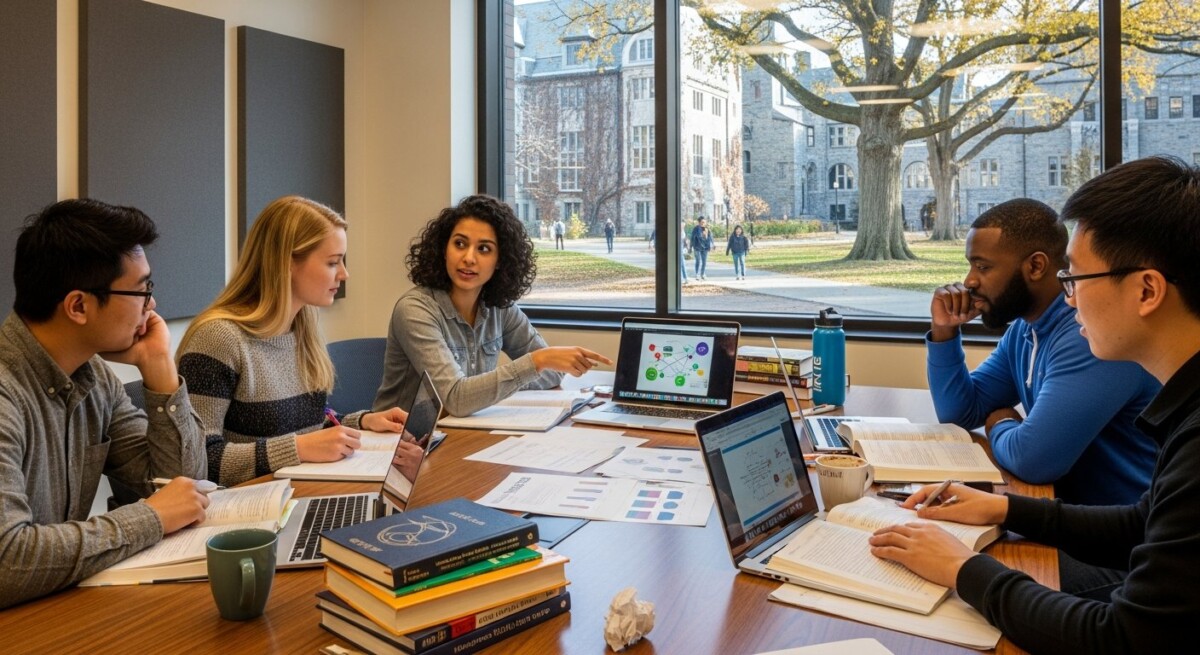
Furthermore, these experiences offer unparalleled professional priming. Many clubs and activities are directly linked to future careers. A pre-law society, an engineering design team, or a student-run investment fund provides a low-stakes environment to apply theoretical knowledge, build a portfolio, and connect with industry professionals through guest speakers and alumni networks. Even involvement in a seemingly unrelated activity, like a hiking club or theater group, demonstrates teamwork, commitment, and initiative to future employers. It provides concrete stories for behavioral interview questions. Finally, this engagement enriches your academic journey itself. Study groups formed within academic clubs, peer tutoring offered by honor societies, and discussions sparked in cultural organizations deepen your understanding of your field and expose you to interdisciplinary perspectives.
Navigating the Vast Landscape of Opportunities
The typical college campus hosts a dizzying array of organizations, which can be broadly categorized to help you navigate your options. Understanding these categories allows you to strategically explore areas that align with your goals.
Academic and Professional Organizations are directly tied to fields of study. These include discipline-specific clubs (Biology Club, History Society), honor societies (Phi Beta Kappa, Tau Beta Pi), and pre-professional groups (American Marketing Association, Student Nurses Association). Their focus is on career exploration, skill development, networking, and enhancing academic knowledge through seminars and competitions.
Cultural and Identity-Based Groups provide spaces for students to connect around shared heritage, background, or experience. Examples include Black Student Unions, LGBTQ+ Alliances, International Student Associations, and religious organizations. These clubs foster community, promote cultural education on campus, and offer support systems, which is crucial for personal identity development and campus diversity.
Arts and Performance Organizations cater to creative expression. This encompasses a cappella groups, theater troupes, dance companies, improv clubs, newspaper staff, radio stations, and literary magazines. They offer an outlet for artistic passion, collaborative production experience, and the chance to contribute to campus culture.
Governance and Advocacy Groups involve students in campus leadership and social change. Student Government Association (SGA) is the primary example, but this category also includes political clubs, environmental activism groups, and volunteer service organizations. Participation here builds leadership, public speaking, and organizational skills while impacting campus policy and community outreach.
Recreational and Special Interest Clubs are based on hobbies, sports, and leisure activities. This is a broad category including everything from club sports (ultimate frisbee, rugby) and esports teams to gaming societies, hiking clubs, culinary groups, and anime clubs. Their primary purpose is community building around shared enjoyment, stress relief, and promoting a balanced lifestyle.
A Strategic Framework for Choosing Your Involvement
With so many options, a strategic approach prevents overcommitment and ensures meaningful engagement. Follow this framework to make intentional choices.
First, conduct an audit of your interests and goals. Are you looking to bolster your resume for a specific career? Explore an artistic side? Make friends with similar hobbies? Advocate for a cause? Be honest about your motivations. Second, research thoroughly. Attend the campus involvement fair, browse the student life website, and follow clubs on social media. Do not just read descriptions, attend a few initial meetings as a guest to gauge the group’s culture and energy. Third, practice intentional sampling. In your first semester or year, try out two to three different types of clubs. Choose one aligned with your academic/career path, one based on a personal interest or identity, and one completely new to you. This balanced portfolio offers diverse benefits.
Fourth, commit and deepen. After the sampling phase, choose one or two organizations to invest in deeply. Move from general member to active participant. Join a committee, volunteer for a project, or run for a leadership position. Depth of experience is more valuable than a long list of superficial memberships. Fifth, manage your time ruthlessly. Use a planner to block out academic time first, then add club meetings and events. Remember, your primary role is that of a student. Quality involvement in a few activities is sustainable, overcommitment leads to burnout and poor academic performance. It is also wise to consider the financial aspects of participation, as some clubs may have dues or travel costs. Planning for these expenses is part of responsible involvement, and researching scholarship opportunities or campus funding can help. For broader financial planning strategies related to your education, exploring dedicated academic degree resources can provide valuable guidance on managing overall college costs.
From Participant to Leader: Maximizing the Experience
Transitioning from a member to a leader within a club or activity is where the most profound growth occurs. Leadership roles, whether as a president, treasurer, event coordinator, or team captain, demand a higher level of responsibility and skill. You become accountable for budgets, institutional relations, motivating peers, and executing complex projects. This real-world management experience is invaluable. To maximize this journey, set clear goals for your tenure. Do you want to increase membership by 20%? Host a flagship event? Improve the club’s campus visibility? Document your initiatives and outcomes, as these become powerful anecdotes for interviews and applications.
Networking intentionally is another key. Connect with the club’s faculty advisor, who can become a mentor and future recommendation writer. Engage with alumni of the organization who are now in the workforce. Build genuine relationships with your fellow board members, as these peers will become part of your professional network. Furthermore, embrace the challenges. Leadership involves navigating disagreements, administrative hurdles, and occasional setbacks. Developing the diplomacy and problem-solving skills to handle these situations is perhaps the most enduring takeaway. Finally, focus on legacy and sustainability. Train underclassmen to take over roles, document processes, and leave the organization stronger than you found it. This demonstrates strategic thinking and a commitment that extends beyond personal gain.
Frequently Asked Questions
Is it better to join many clubs or focus on a few?
Quality almost always trumps quantity. Graduate school admissions officers and employers prefer to see sustained, deepening involvement in one or two organizations where you demonstrated growth and impact, rather than a long list of memberships with no substantive role.
I’m a shy or introverted student. Are clubs still for me?
Absolutely. Many clubs do not require public speaking or extreme extroversion. Look for organizations with smaller groups or focused tasks, like a literary magazine editorial board, a research-oriented academic club, or a community service group where action is the focus. You can contribute meaningfully behind the scenes.
What if my college doesn’t have a club for my specific interest?
This is a prime leadership opportunity. Most colleges have a process for founding a new student organization. You would need to find a faculty advisor, draft a constitution, and recruit founding members. Starting a club is an exceptional achievement that showcases initiative, organization, and passion.
How do I balance clubs with a heavy academic workload?
Time management is non-negotiable. Treat club meetings like class, schedule them, and prioritize your academic deadlines first. Learn to say no to optional events during peak exam or project periods. Effective leaders also delegate tasks to avoid burnout.
Do online students have access to clubs and activities?
Increasingly, yes. Many colleges offer virtual student organizations, online discussion forums, and remote event participation for distance learners. These can provide community and professional development without geographic limits. Check your institution’s online student services portal.
The tapestry of your college experience is woven with threads from both the classroom and the student union. While your degree certifies your academic proficiency, your journey through clubs and activities in college builds the character, connections, and competencies that will shape your path long after graduation. It is in these spaces that theory meets practice, acquaintances become allies, and personal interests evolve into lifelong pursuits. Do not let this dimension of campus life remain an untapped resource. Step out, explore, engage, and lead. The investment you make in this parallel curriculum may well yield the most significant dividends for your future.