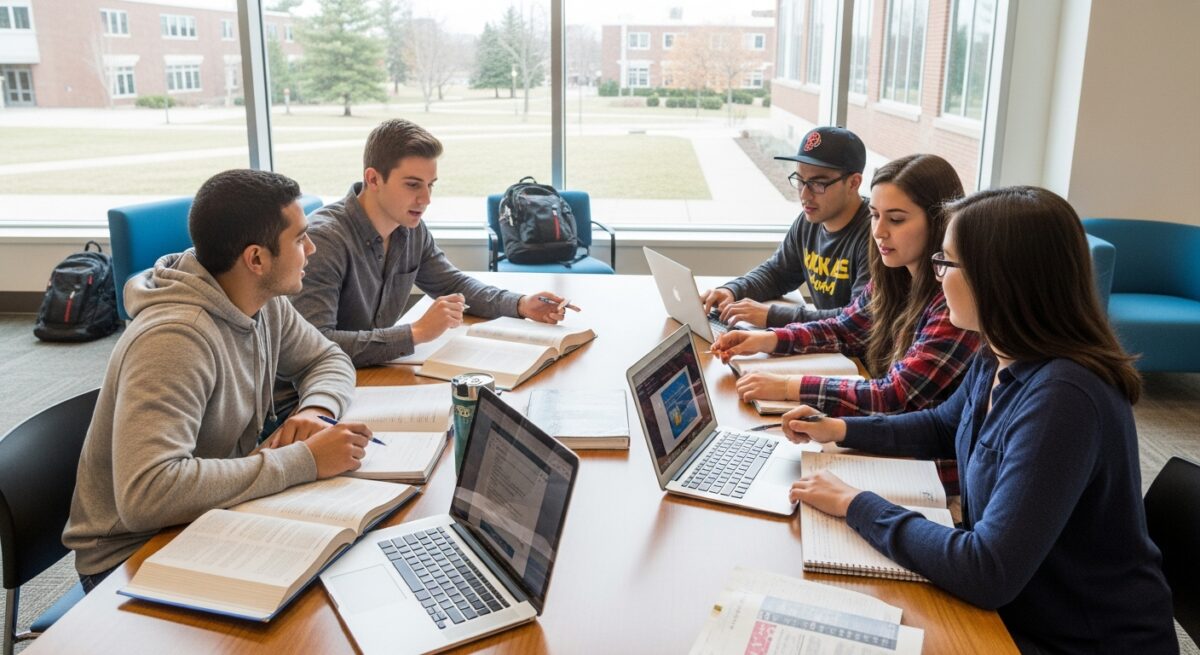
Choosing a major is one thing, but building a viable career path from it is an entirely different challenge. This is where college career counseling services step in, transforming academic journeys into professional launchpads. Far more than just resume review centers, these offices are dynamic hubs of strategic planning, skill development, and industry connection. They serve as the critical bridge between the theoretical world of the classroom and the practical demands of the workforce, helping students navigate the often overwhelming transition from student to professional. For many, engaging with these services is the single most impactful decision they make during their college years, unlocking opportunities, clarifying direction, and building the confidence needed to compete in a complex job market.
The Core Functions of a College Career Center
A modern career counseling office in a college or university is a multi-faceted operation designed to address the holistic career development needs of students. Its primary mission is to equip students with the tools, knowledge, and connections necessary for lifelong career management. This begins with self-assessment, helping students understand their unique strengths, values, interests, and personality traits as they relate to potential career fields. Counselors use validated assessments and guided conversations to move students from a state of uncertainty to one of informed direction.
Following self-discovery, the focus shifts to career exploration and research. Counselors provide resources and coaching on how to investigate industries, job functions, company cultures, and growth trajectories. They help students interpret labor market data and understand emerging trends, ensuring their aspirations are aligned with real-world opportunities. This research phase is crucial for making informed decisions about internships, course selections, and extracurricular involvement. The third core function is the development of job search competencies. This encompasses everything from crafting targeted resumes and cover letters to mastering interview techniques, networking etiquette, and salary negotiation strategies. Counselors provide practice interviews, often recorded for review, and critique application materials with an employer’s eye.
Finally, a pivotal role of career counseling services colleges provide is facilitating connections. They host career fairs, employer information sessions, on-campus interviews, and alumni networking events. They maintain robust databases of internship and job postings, often exclusive to their students. By building strong relationships with employers across sectors, they effectively act as a trusted referral source, vouching for the talent and preparedness of their student body. This ecosystem of support is designed to be iterative, with students encouraged to engage early and often throughout their academic tenure.
Key Services and Offerings for Students
Within the broad framework of career development, college career counseling services deliver a suite of specific, actionable offerings. These services are typically available to students at no additional cost beyond their tuition and fees, representing a significant but often underutilized resource.
One-on-one counseling appointments form the backbone of the service. In these sessions, students work directly with professional counselors or advisors to tackle personalized challenges, whether it’s choosing a major, navigating a career change, or developing a search strategy for a specific industry. Many centers also offer specialized counseling tracks, such as support for pre-health, pre-law, or STEM students, where advisors have specific industry expertise.
Workshops and group sessions address common topics in an efficient, collaborative format. Popular workshops might focus on “Building a LinkedIn Profile That Gets Noticed,” “Networking for Introverts,” or “Navigating Virtual Interviews.” These events provide not only skill-building but also a sense of community among job-seeking peers. Furthermore, comprehensive career counseling services include robust online platforms. These portals give students 24/7 access to job postings, event calendars, interview scheduling, and a wealth of digital resources like video tutorials and industry guides.
To make these services tangible, consider the following core offerings a student can typically access:
- Personalized Career Counseling: Scheduled meetings with a dedicated advisor to explore paths, set goals, and develop action plans.
- Resume and Cover Letter Critiques: Detailed feedback from counselors or through automated review tools to polish application materials.
- Mock Interview Programs: Practice interviews with counselors or volunteer alumni/professionals, often with video playback for self-assessment.
- Career Fair and Networking Event Coordination: Access to events that connect students directly with recruiters and industry professionals.
- Internship and Job Search Support: Exclusive job boards, internship credit coordination, and search strategy coaching.
Beyond these, leading offices are increasingly integrating technology like virtual reality for immersive interview practice, offering micro-internship programs, and providing dedicated support for graduate school applications. It’s important to note that effective career support often intersects with other student services. For instance, students developing a career plan may also benefit from understanding the full spectrum of campus resources, a process detailed in our guide on navigating campus support systems for holistic success.
The Strategic Importance of Early and Ongoing Engagement
A common misconception among undergraduates is that career counseling services are only for seniors. This belief represents a significant missed opportunity. The most successful students view career development as a four-year process, not a last-minute transaction. Engaging with career services in the first or second year allows for exploratory and developmental activities that create a strong foundation. Early engagement might involve taking a career assessment, attending a “Majors and Careers” panel, or securing a low-stakes informational interview with an alumnus. This proactive approach reduces anxiety, informs academic choices, and allows time to build a compelling profile through relevant experiences.
By the junior year, the focus should shift to gaining substantive experience. Counselors assist students in securing internships, research positions, or part-time jobs directly related to their field. This hands-on experience is invaluable, serving as a testing ground for career interests and a critical line on a resume. Counselors help students reflect on these experiences, extract meaningful skills and accomplishments, and articulate their value to future employers. The senior year then becomes the execution phase, where the groundwork laid in previous years culminates in a targeted and confident job search or graduate school application process. This phased, strategic approach, facilitated by ongoing counseling, is far more effective than a frantic, scattered search in the final semester.
Maximizing the Value of Career Counseling
To truly benefit from career counseling services in colleges, students must be active, prepared participants. The first step is simply to locate the career center on campus, explore its website, and understand the process for making appointments. Before an initial meeting, students should reflect on their interests, skills, and questions. Coming with a degree of self-awareness, even if it’s just a list of potential majors or careers that seem interesting, makes the session vastly more productive.
Students should set clear, realistic goals for their engagement. Are they seeking a resume review, practice for an upcoming interview, or help brainstorming potential career paths? Being specific helps the counselor provide targeted assistance. It is also crucial to follow through on action items discussed in sessions. If a counselor suggests connecting with two alumni on LinkedIn, researching three companies, or revising a resume draft, completing these tasks before the next meeting demonstrates commitment and drives progress. Students should also take advantage of the full range of services, not just counseling appointments. Attending employer events, even as a sophomore, builds comfort with networking and provides early insights into different organizations.
Furthermore, students should view their career counselor as a coach and consultant, not a placement agency. The counselor’s role is to equip, guide, and connect, but the student must own the process, send the applications, and perform in the interviews. This partnership, built on consistent engagement and follow-through, is what leads to tangible outcomes. A key part of this ownership involves financial and academic planning. Proactive students often seek integrated advice that combines career goals with academic and financial strategy, exploring resources like degree planning for students to ensure their educational investments align with their professional aspirations.
Frequently Asked Questions
Are college career counseling services only for students who don’t have a career plan?
Absolutely not. These services are valuable for students at all stages of clarity. Even students with a clear plan can benefit from resume optimization, interview practice, networking strategies, and insights into specific companies or graduate programs. Counselors help refine and execute plans effectively.
Is there a cost for using my college’s career center?
Typically, no. These services are almost always included in your student fees. They are a prepaid resource, making it financially prudent to use them extensively to get a return on your educational investment.
Can alumni use college career counseling services?
Policies vary, but many colleges offer extended services to alumni, often for a certain number of years after graduation or sometimes for a lifetime. There may be a fee for alumni, but access is usually provided. Check your specific alma mater’s policy.
How are career counselors qualified? Do they have real industry experience?
Career counselors typically hold master’s degrees in counseling, higher education, or a related field. Many have prior experience in recruiting, human resources, or specific industries. Most centers also employ industry-specific advisors or leverage alumni career coaches to provide real-world insights.
What if my college is small or the career center seems under-resourced?
Even smaller centers offer the core benefits: personalized advising, resume help, and interview prep. They may also have strong, personalized connections with local employers and a tight-knit alumni network. Be proactive in seeking one-on-one time and ask your counselor about the best strategies for leveraging the specific advantages of a smaller school.
The trajectory from college to career is rarely a straight line, but it doesn’t have to be a solitary or confusing journey. College career counseling services exist to provide the map, the tools, and the guidance for this critical transition. By understanding the full scope of these services, engaging with them early and strategically, and taking ownership of the process, students can transform their academic achievements into a fulfilling and sustainable professional life. The career center is more than an office, it’s a partner in building the future.