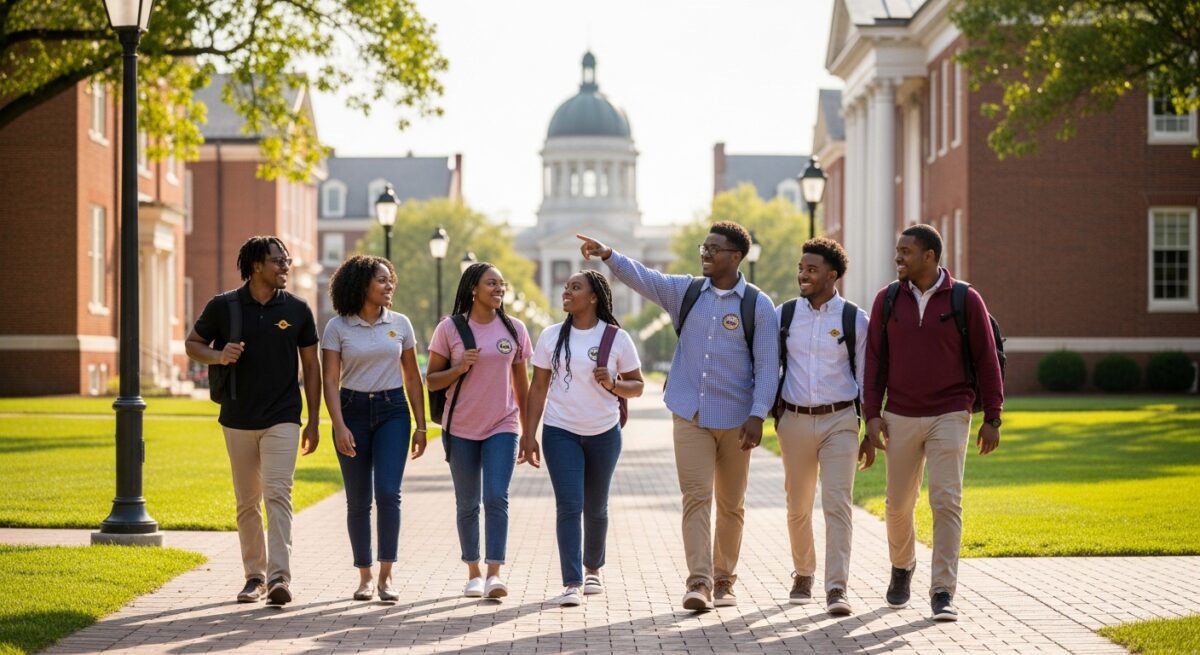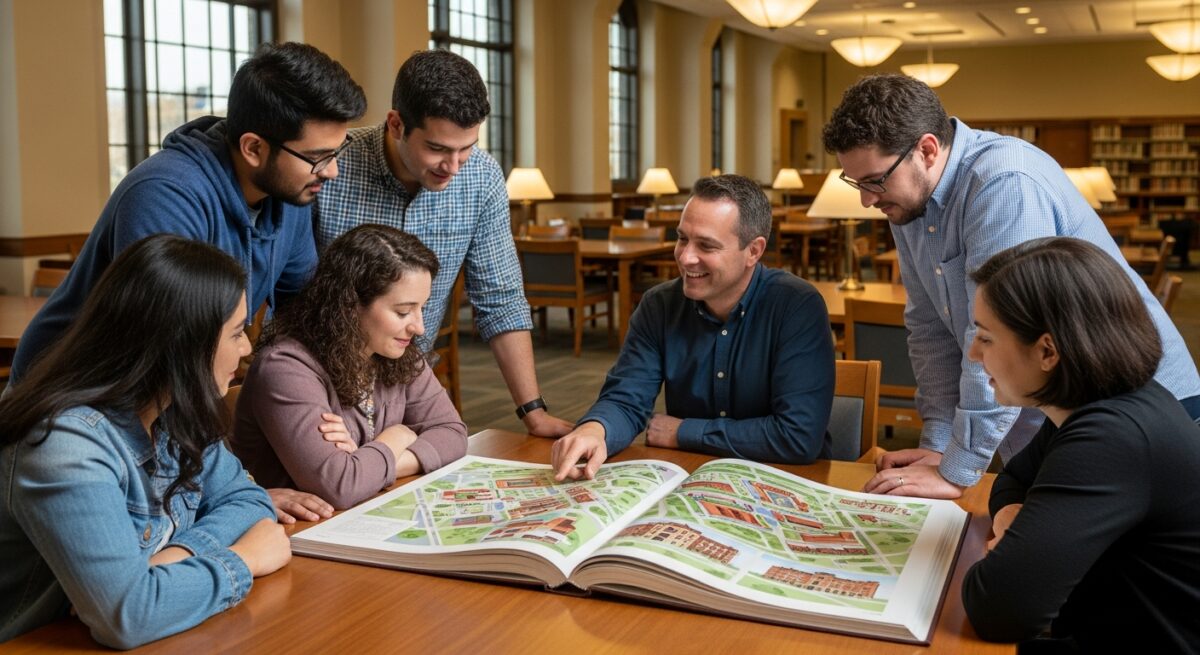
When prospective students and their families consider higher education in Idaho, the conversation often begins with the state’s public university system. However, a closer look reveals a robust and distinctive landscape of private institutions that offer a compelling alternative. These colleges and universities provide high-quality private higher education in Idaho characterized by smaller class sizes, specialized academic programs, strong community ties, and often, a values-based educational approach. For many students, the intimate learning environment, dedicated faculty mentorship, and unique campus cultures found at Idaho’s private colleges are not just an alternative, but the ideal pathway to personal and professional success. This exploration delves into what defines quality in this sector, highlights the key players, and provides a framework for evaluating if a private Idaho education aligns with your academic and career goals.
The Defining Hallmarks of Quality in Idaho’s Private Colleges
Quality in private higher education extends far beyond a simple reputation. In Idaho’s context, it is a multifaceted concept built on tangible outcomes and student-centered experiences. The first and most critical pillar is accreditation. All reputable private institutions in Idaho hold regional accreditation from the Northwest Commission on Colleges and Universities (NWCCU). This accreditation is a non-negotiable baseline, ensuring that the institution meets rigorous standards for academic rigor, faculty qualifications, student support services, and financial stability. It is the foundation that validates the value of your degree to future employers and graduate schools.
Beyond accreditation, high-quality private education in Idaho is distinguished by exceptional student-faculty interaction. With significantly lower student-to-faculty ratios than large public universities, these institutions foster an environment where professors know their students by name. This facilitates deeper classroom discussions, more meaningful feedback on assignments, and opportunities for undergraduate research collaboration that are often reserved for graduate students elsewhere. The curriculum at these schools tends to be innovative and responsive, often featuring interdisciplinary majors, hands-on learning projects, and direct connections to Idaho’s growing industries in technology, healthcare, natural resources, and business. Furthermore, a strong quality indicator is a clear and supported pathway from education to employment. This manifests in robust career services offices, high rates of internship participation, and alumni networks that are actively engaged in helping new graduates.
Profiles of Idaho’s Premier Private Institutions
Idaho’s private higher education sector, while selective, offers diverse options catering to different academic interests, learning styles, and personal values. Each institution has carved out a distinct identity and educational mission.
The College of Idaho, located in Caldwell, is the state’s oldest private liberal arts college. It is renowned for its distinctive PEAK curriculum, which requires students to master knowledge across four peaks: Humanities, Natural Sciences, Social Sciences, and a Professional Field. This approach ensures a broad, interdisciplinary education that develops critical thinking and adaptability, hallmarks of a high-quality liberal arts foundation. Northwest Nazarene University (NNU) in Nampa offers a comprehensive education within a Christian context. It provides a wide range of undergraduate, graduate, and professional programs, with particular strengths in nursing, engineering, business, and theology. NNU emphasizes integrating faith, learning, and service, appealing to students seeking a values-based community.
Brigham Young University-Idaho (BYU-Idaho) in Rexburg is a large, private university operated by The Church of Jesus Christ of Latter-day Saints. It is known for its innovative, year-round modular curriculum, which allows for efficient degree completion, and its deeply immersive student experience. The university emphasizes leadership development and practical skills across its many colleges, from agriculture to creative arts. For students seeking a more intimate, focused environment, smaller colleges like Lewis-Clark State College (which, while public, offers a private-college feel) and niche programs at other institutions provide targeted career preparation in fields like law enforcement, technical trades, and health sciences.
Evaluating the Return on Investment
The perception of private education often comes with a concern about cost. It is true that the sticker price of tuition at a private Idaho college can be higher than in-state public tuition. However, a true evaluation requires looking at net price, which is the cost after scholarships, grants, and other financial aid are applied. Private institutions in Idaho frequently possess substantial endowment funds dedicated to institutional aid, which can dramatically reduce the actual cost for students. When assessing the return on investment (ROI), consider these key factors beyond just tuition.
First, examine graduation rates and time-to-degree. Private colleges often boast higher four-year graduation rates than public universities, where students may take five or six years to finish. Completing a degree in four years saves not only an extra year of tuition but also a year of foregone professional earnings. Second, investigate career outcomes and alumni support. What percentage of graduates are employed or in graduate school within six months of graduation? What is the average starting salary for your intended major? High-quality institutions transparently share this data and have active career centers that facilitate these outcomes. Finally, consider the intangible value of the network. The close-knit community of a private college often translates into a powerful, accessible alumni network that can open doors for internships, jobs, and mentorship throughout your career. For a deeper dive into managing costs, our guide on strategies for low-cost higher education financing offers practical steps for all students.
The Admissions Landscape and Finding Your Fit
Navigating the admissions process for private colleges requires a tailored approach. While academic records (GPA, course rigor) and standardized test scores (though many are now test-optional) are fundamental, these institutions place significant weight on the holistic application. Your essays, letters of recommendation, and evidence of extracurricular involvement, leadership, and community service are crucial in painting a picture of you as a whole person who will contribute to their campus community. Demonstrating genuine interest through campus visits (virtual or in-person), interviews, and communication with admissions counselors can also be a differentiating factor.
Finding the right fit is paramount. This goes beyond just academic majors. Prospective students should reflect on the following dimensions to identify the environment where they will thrive.
- Campus Culture and Size: Do you prefer the energy of a larger student body (like BYU-Idaho) or the familiarity of a small college (like The College of Idaho)? What is the social and spiritual atmosphere?
- Academic Philosophy: Are you drawn to a structured liberal arts core, a faith-integrated curriculum, or a heavily career-focused program from day one?
- Location and Community: Do you want an urban setting near Boise, a classic college town, or a more rural campus? How does the institution engage with its local community?
- Support Systems: What specific resources exist for academic tutoring, mental health, career counseling, and financial aid advising?
Answering these questions requires proactive research. Utilize college websites, attend virtual information sessions, and, most importantly, connect directly with current students and faculty if possible. This due diligence is the best way to ensure your investment in high-quality private higher education in Idaho yields the personal and professional growth you seek. For clear and detailed college degree information to aid in your comparison, dedicated educational resources can be invaluable.
Frequently Asked Questions
Is financial aid available at private colleges in Idaho?
Yes, extensively. Students should complete the Free Application for Federal Student Aid (FAFSA) to qualify for federal grants, loans, and work-study. Additionally, each private institution offers its own institutional scholarships and grants based on merit, talent, leadership, and financial need. The net price is often much lower than the published tuition.
How do private Idaho colleges support career readiness?
Support is typically intensive and personalized. This includes dedicated career coaches, internship and co-op program facilitation, resume and interview workshops, career fairs specifically for students of the college, and strong alumni networking events and platforms.
Are online or hybrid degree options available from these private schools?
Many Idaho private colleges have expanded their offerings to include fully online or hybrid programs, particularly at the graduate and professional studies level. Northwest Nazarene University and BYU-Idaho, for example, have robust online divisions offering degrees in business, education, and healthcare.
What is the social life like on these campuses?
Social life is active but often different from large state schools. It revolves more around campus-organized events, club activities, intramural sports, service projects, and faith-based groups (where applicable). The smaller size fosters a strong sense of community and belonging.
Do private colleges in Idaho accept transfer credits?
Yes, all accredited private colleges have transfer articulation policies. They typically accept credits from regionally accredited institutions where a grade of C or better was earned. It is essential to work with the admissions or registrar’s office early in the process to understand how your credits will apply.
Choosing a college is one of the most significant decisions a student can make. Idaho’s private institutions present a viable, vibrant, and valuable option for those seeking an educational experience defined by close mentorship, community engagement, and tailored academic pathways. By focusing on the markers of true quality, accreditation, outcomes, and institutional fit, students can confidently navigate toward a private higher education in Idaho that will serve as a powerful launchpad for their future. The investment, when carefully considered, pays dividends in the form of a transformative education and a lifelong professional network.