Many students assume that financial aid through FAFSA is only for traditional two-year or four-year college degrees. In reality, the Free Application for Federal Student Aid (FAFSA) can also unlock funding for a wide range of affordable certification programs. These shorter, career-focused credentials often lead directly to high-demand jobs in fields like healthcare, information technology, skilled trades, and business support. By understanding how FAFSA eligibility works for non-degree programs, you can access grants, federal work-study, and student loans without committing to a full academic degree. This guide explains exactly how to pair affordable certification programs with FAFSA funding to minimize out-of-pocket costs and accelerate your career.
What Are Affordable Certification Programs?
Affordable certification programs are structured training pathways that prepare students for specific occupational licenses or industry-recognized credentials. Unlike associate or bachelor’s degrees, these programs typically require fewer credit hours and can be completed in under a year. They are offered by community colleges, technical schools, and some online institutions. Because the cost per credit is generally lower than a full degree program, they are considered an affordable route to career advancement.
Examples of popular certification programs include phlebotomy technician, medical billing and coding specialist, certified nursing assistant (CNA), computer support specialist, web development certificate, HVAC technician, and project management associate. Many of these programs cost between $1,000 and $5,000 total, making them accessible even without significant savings. However, for students who need financial assistance, FAFSA can cover tuition, fees, and sometimes even supplies and equipment.
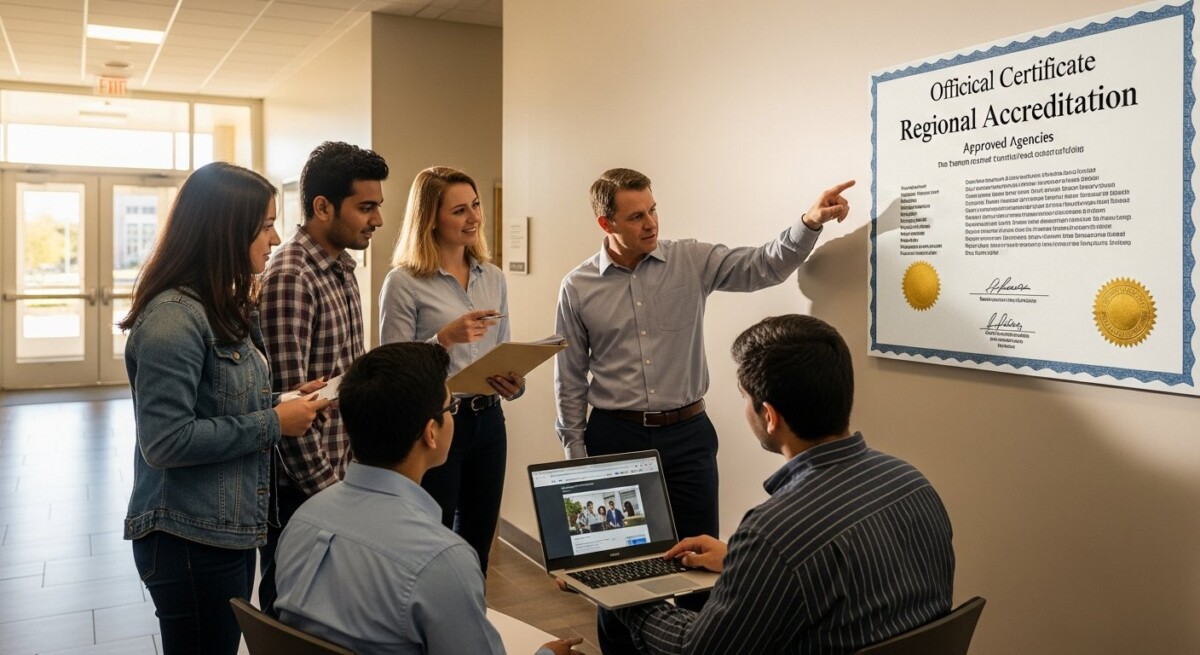
It is important to note that not every certification program qualifies for federal financial aid. The school and the program must be accredited by an agency recognized by the U.S. Department of Education. Additionally, the program must lead to a gainful employment outcome in a recognized occupation. Before enrolling, always verify that the institution’s Federal School Code is active and that the certificate program is listed as an eligible program in the National Center for Education Statistics (NCES) database.
How FAFSA Works for Certificate Programs
The FAFSA application itself is the same form used for degree programs. You complete it online at studentaid.gov using your and your parents’ financial information (if you are a dependent student). Once processed, you receive a Student Aid Report (SAR) that summarizes your Expected Family Contribution (EFC) or Student Aid Index (SAI). This number determines your eligibility for need-based aid.
For certificate programs, the key difference lies in how the school packages your aid. Most certificate programs are classified as undergraduate certificates, which means they qualify for the same types of federal aid as associate degrees: Pell Grants, Federal Supplemental Educational Opportunity Grants (FSEOG), Direct Subsidized Loans, Direct Unsubsidized Loans, and Federal Work-Study. However, the amount of aid you can receive is prorated based on the length and cost of the program. For example, a nine-month certificate program may qualify for a prorated portion of the annual Pell Grant maximum, which for the 2025-2026 award year can reach up to $7,395 for full-time students.
One major advantage of certification programs is that they often have shorter completion times, meaning you may need to reapply for FAFSA only once or twice. This reduces the administrative burden and allows you to enter the workforce quickly. Additionally, because the total cost is lower, you may be able to cover all expenses with grant money alone, avoiding student loans entirely.
Important Eligibility Requirements
To use FAFSA for a certification program, you must meet these baseline criteria:
- Be a U.S. citizen or eligible non-citizen.
- Have a valid Social Security number.
- Be enrolled at least half-time in an eligible certificate program.
- Maintain satisfactory academic progress as defined by your school.
- Not be in default on any federal student loans.
If you meet these requirements, the next step is to find a school that offers an eligible affordable certification program. Many community colleges have dedicated career and technical education divisions that offer stackable credentials. These are certificates that can build toward a degree over time, allowing you to start working while continuing your education.
Finding Affordable Certification Programs That Accept FAFSA
Locating programs that accept FAFSA requires careful research. Start by visiting the websites of local community colleges and technical institutes. Look for a section labeled “Financial Aid” or “Paying for School.” Most schools list their Federal School Code and provide a list of eligible programs. You can also use the U.S. Department of Education’s College Navigator tool to filter by program type, cost, and accreditation status.
Another effective strategy is to search for “affordable certification programs FAFSA” combined with your target field. For instance, searching “affordable medical billing certification FAFSA” will return schools that specifically mention FAFSA eligibility for that credential. You can also check state workforce development websites, which often fund training programs through grants that pair with federal aid.
Consider online options as well. Many regionally accredited online institutions offer certificate programs that qualify for FAFSA. These programs are often self-paced and cost less than on-campus alternatives because there are no facility fees. However, be cautious of for-profit schools that advertise aggressively but have high tuition and poor job placement rates. Stick with nonprofit public institutions or accredited private nonprofits to ensure your investment pays off.
For a deeper look at how to evaluate different degree pathways and compare costs, visit College Degree Education for school-level degree guidance and program comparisons.
Maximizing Your Financial Aid for Certification
Once you have identified a qualifying program, follow these steps to maximize your FAFSA benefits:
- File the FAFSA early. Some aid, like FSEOG and federal work-study, is awarded on a first-come, first-served basis. Submit your application as soon as possible after October 1 each year.
- Apply for state and institutional aid. Many states offer grants for certificate programs in high-demand fields. Check with your state’s higher education agency.
- Consider work-study. Federal work-study funds can help you earn money while gaining experience in your field. Ask your financial aid office if work-study positions are available for certificate students.
- Use grants before loans. Accept Pell Grant and FSEOG funds first. Only consider federal Direct Loans if you still have unmet costs after grants are applied.
- Complete the program quickly. Because certificate programs are short, you may be able to complete them in one or two semesters. This reduces the total cost and the amount of aid you need.
By following this approach, many students finish their certification with zero debt. For example, a student pursuing a certified nursing assistant (CNA) certificate at a community college might pay $1,500 in tuition. A full Pell Grant award of $3,000 would cover the cost plus leave money for books and scrubs. The remaining grant funds can even be used for living expenses if the school certifies the cost of attendance.
Common Pitfalls to Avoid
While FAFSA for certification programs is straightforward, there are a few common mistakes that can delay or reduce your aid:
- Enrolling in a non-eligible program. Always confirm with the financial aid office that the specific certificate program is approved for federal aid. Some certificate programs are considered non-credit or continuing education and do not qualify.
- Not reapplying annually. Even if your program is only one year, you must submit a new FAFSA each academic year. Missing the deadline means losing eligibility.
- Overlooking Satisfactory Academic Progress (SAP). Certificate programs have strict SAP policies. If you fail too many classes or withdraw, you may lose aid eligibility until you appeal.
- Choosing an unaccredited school. Diploma mills and unaccredited training providers will not have Federal School Codes. Your aid will not disburse, and your certificate may not be recognized by employers.
To avoid these issues, work closely with your school’s financial aid counselor. They can verify your program’s eligibility and help you understand the disbursement schedule. Many community colleges have dedicated advisors for career and technical education students.
Career Outcomes and Return on Investment
Affordable certification programs funded by FAFSA offer strong return on investment. According to the U.S. Bureau of Labor Statistics, many certificate-level occupations have median annual wages above $40,000. For example, medical records specialists earn a median of $48,000, while HVAC technicians earn about $51,000. Web developers with certificates can earn over $80,000 with experience. Since the cost of training is often under $5,000, you can recoup your investment within a few months of full-time work.
Moreover, many certificate programs offer stackable credentials. You might start with a phlebotomy certificate, work for a year, and then return for a medical laboratory technician associate degree. Your FAFSA eligibility remains intact as long as you enroll in an eligible program at an accredited institution. This pathway allows you to earn while you learn and avoid large student loan balances.
In our guide on how to use FAFSA for affordable career certification programs, we explain how to navigate the application process step by step. That resource provides additional tips for selecting programs that align with local job market demand.
Frequently Asked Questions
Can I use FAFSA for online certification programs?
Yes, as long as the online program is offered by an accredited institution with a valid Federal School Code and leads to an eligible certificate. Many community colleges and public universities offer fully online certificate programs that qualify for federal aid.
Do I have to repay Pell Grants used for certification programs?
No. Pell Grants are gift aid that does not require repayment provided you complete the program and meet the terms of your award. If you withdraw early or fail to attend, you may owe a portion back.
What if my certification program is less than half-time?
You generally cannot receive federal student loans for less-than-half-time enrollment. However, you may still qualify for a prorated Pell Grant if you enroll at least half-time. Check with your school’s financial aid office for specific policies.
Can I change from a certificate program to a degree program without losing FAFSA eligibility?
Yes. As long as you remain enrolled at least half-time in an eligible program at the same school, your FAFSA eligibility continues. Notify the financial aid office of your program change so they can adjust your cost of attendance and aid package.
Take the Next Step Toward an Affordable Certification
FAFSA opens doors to affordable certification programs that can transform your career without overwhelming debt. By choosing an eligible program at an accredited school, filing your FAFSA early, and prioritizing grant aid, you can gain valuable credentials in months rather than years. Whether you are a high school graduate, a career changer, or a parent looking to re-enter the workforce, these short-term programs offer a practical path to stable employment. Start your research today by locating community colleges or technical schools in your area, and use the FAFSA application to fund your future.