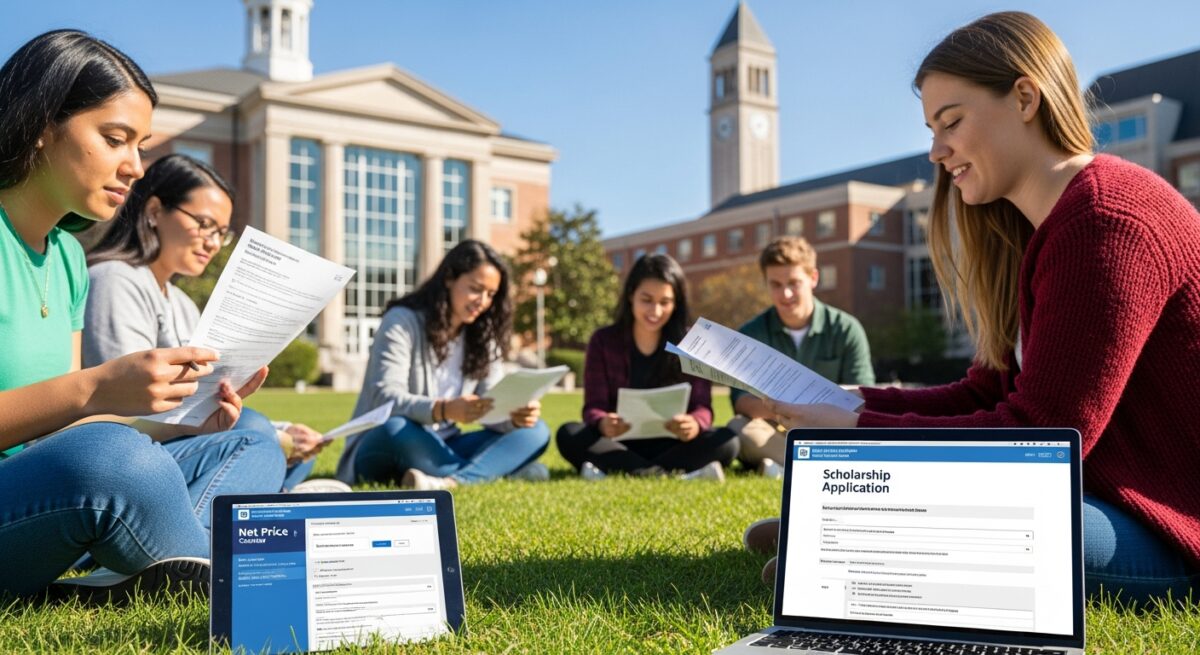
College costs continue to rise, but a high-quality degree does not have to come with a staggering price tag. Students and families across the United States are searching for institutions that deliver strong academic outcomes, respectable graduation rates, and solid career prospects without requiring a lifetime of debt. The concept of value in higher education goes beyond the sticker price. It includes factors such as financial aid availability, net price after grants and scholarships, average student loan debt, and post-graduation earnings. This article explores the best value universities for affordable education, breaking down what makes a school a smart investment and how you can identify programs that fit your budget and goals.
Understanding value requires looking at the whole picture. A university with a low tuition rate might offer fewer support services, while a higher-tuition school might provide generous merit-based aid that brings the actual cost down significantly. The key is to compare net price rather than published tuition. Net price is what you actually pay after subtracting grants and scholarships from the total cost of attendance. Many of the best value universities for affordable education are public institutions in states with strong funding for higher education, but private colleges and online programs also appear on value rankings when they combine reasonable costs with strong outcomes.
What Defines a Best Value University?
A best value university balances academic quality with affordability. Rankings from sources like U.S. News & World Report, Forbes, and Money magazine evaluate schools based on several criteria. The most important factors include graduation rate, average time to degree, student loan default rate, and alumni earnings. Schools that graduate a high percentage of students within four to six years tend to offer better value because students avoid extra semesters of tuition and fees. Low default rates indicate that graduates can manage their debt, and high median earnings suggest that the degree opens doors to well-paying jobs.
Another critical component is the availability of need-based and merit-based financial aid. Public universities often offer lower in-state tuition, but out-of-state students can sometimes gain residency after a year or qualify for regional exchange programs. Private universities may have higher list prices but can offer substantial institutional aid. When researching, look at the average percentage of need met by the school. Some elite private colleges meet 100 percent of demonstrated need, making them surprisingly affordable for low- and middle-income families.
Top Public Universities Known for Value
Public universities in the United States consistently appear on lists of best value universities. These institutions benefit from state funding, which keeps tuition lower for residents. Many also have strong honors colleges, research opportunities, and career services that rival private schools.
University of North Carolina at Chapel Hill
UNC Chapel Hill is a flagship public university with a strong reputation across disciplines. In-state tuition is remarkably low compared to national averages, and the university meets a high percentage of demonstrated financial need. Graduates report solid starting salaries, particularly in business, health sciences, and technology. The four-year graduation rate is above 80 percent, which helps students avoid extra costs.
University of Florida
The University of Florida combines a low in-state tuition rate with generous merit scholarships. The Bright Futures program covers a significant portion of tuition for qualifying Florida residents. UF also has a strong online degree completion program that allows students to work while earning a bachelor’s degree. The university’s career placement services are highly rated, and alumni networks are active across the country.
University of Georgia
UGA offers a classic college experience with a reasonable price tag for in-state students. The HOPE Scholarship program helps Georgia residents cover tuition costs. The university has invested heavily in STEM programs and business education, and graduates in those fields often secure jobs with competitive salaries. The campus is located in Athens, a college town with a relatively low cost of living.
Private Colleges That Deliver Exceptional Value
Private universities often have higher sticker prices, but many provide substantial financial aid packages that bring the net cost down. Some private colleges are also committed to meeting full financial need or offering no-loan policies for low-income students.
Princeton University
Princeton is one of the most generous universities in the country when it comes to financial aid. The university meets 100 percent of demonstrated need without requiring loans. For families earning under a certain threshold, the cost can be zero. Princeton also has a high four-year graduation rate and strong alumni networks that help graduates land jobs in finance, consulting, technology, and academia.
Rice University
Rice University in Houston, Texas, is known for its strong engineering and science programs. The school offers a fixed tuition plan for undergraduates, which helps families plan costs over four years. Rice also meets full demonstrated need for admitted students. The average debt at graduation is significantly lower than the national average for private universities.
Davidson College
Davidson College is a liberal arts college in North Carolina that has committed to meeting 100 percent of demonstrated financial need. The college also offers the Davidson Trust, which replaces loans with grants. Graduates often go on to top graduate schools or secure jobs in education, healthcare, and business. The close-knit community and strong advising contribute to high retention rates.
Online and Regional Universities Worth Considering
Value does not only apply to elite national universities. Regional universities and online programs can be excellent choices for students who want to minimize debt or need flexibility while working. Many of these schools offer programs that are specifically designed for affordability and career readiness.
For example, the University of Texas of the Permian Basin offers competitive tuition rates and strong online degree programs. Similarly, California State University campuses provide affordable education for California residents and have extensive online offerings. When evaluating these options, look for accreditation, transfer credit policies, and job placement rates. A degree from a regionally accredited university is widely recognized by employers and graduate schools.
If you are exploring ways to fund your education, you may want to read our guide on affordable education grant opportunities for college. Grants can significantly reduce your out-of-pocket costs and do not require repayment, making them a critical part of any value-focused college plan.
How to Calculate Value for Yourself
Value is personal. A university that is a great deal for one student might be a poor fit for another. To assess value for your situation, follow these steps:
- Use net price calculators. Every college required by law to offer a net price calculator on its website. Enter your family’s financial information to get an estimate of what you would actually pay.
- Compare graduation rates. Schools that graduate a high percentage of students within four years save you money on additional semesters. Look for four-year graduation rates above 60 percent.
- Research average debt at graduation. The U.S. Department of Education’s College Scorecard provides data on median debt for each institution. Lower debt means less financial strain after graduation.
- Consider location and cost of living. A school in an expensive city may have higher total costs even if tuition is low. Factor in housing, food, transportation, and other expenses.
- Look at earnings after graduation. The College Scorecard also shows median earnings 10 years after enrollment. Schools where graduates earn strong salaries often provide better long-term value.
These steps help you move beyond rankings and find a school that fits your specific financial situation and career goals. Remember that value is not just about the cheapest option. It is about the return on your investment over time.
Strategies to Maximize Affordability
Even at a best value university, you can take steps to reduce costs further. Start by applying for all forms of financial aid, including federal grants, state aid, and institutional scholarships. Fill out the Free Application for Federal Student Aid (FAFSA) as early as possible. Many schools also require the CSS Profile for institutional aid.
Consider starting at a community college and then transferring to a four-year university. This path can save tens of thousands of dollars on general education requirements. Many states have guaranteed transfer programs that ensure credits transfer smoothly. For example, the California Community College system has agreements with all University of California and California State University campuses.
Another strategy is to pursue an accelerated degree program. Some universities offer three-year bachelor’s degrees or allow you to earn credits through Advanced Placement (AP) or International Baccalaureate (IB) exams. You can also take summer courses at a lower cost or enroll in a cooperative education program that alternates semesters of paid work with academic study.
Finally, consider living off campus or with family to reduce housing costs. Many students also work part-time during the school year or full-time during summer breaks to cover expenses without taking out loans.
Frequently Asked Questions
What is the difference between sticker price and net price?
Sticker price is the published tuition and fees. Net price is what you actually pay after grants, scholarships, and other aid are subtracted. Net price is the more accurate measure of affordability.
Are private universities ever a better value than public universities?
Yes, for some students. Private universities with strong financial aid programs can have a lower net price than public universities, especially for low-income students. They may also offer smaller class sizes and more personalized support.
How do I find the best value universities for affordable education?
Start with the College Scorecard, U.S. News Best Value Schools rankings, and Money magazine’s Best Colleges list. Use net price calculators on each school’s website and compare graduation rates and median debt.
Does a best value university guarantee a job after graduation?
No, but value universities typically have strong career services, internship programs, and alumni networks that improve job placement outcomes. Always research job placement rates and starting salaries for your intended major.
Can online degrees be good value?
Absolutely. Many accredited online programs offer lower tuition rates than on-campus programs and allow you to continue working while studying. Look for regionally accredited institutions with transparent pricing and strong student support services.
For more information on finding affordable education options, visit CollegeDegrees.School to explore degree programs and resources tailored to your needs.
Choosing a university is one of the most important financial decisions you will make. By focusing on value rather than prestige alone, you can find a school that provides an excellent education without burdening you with excessive debt. Use the tools and strategies outlined here to identify best value universities for affordable education that align with your academic interests and career aspirations. With careful research and planning, you can achieve your educational goals while maintaining financial stability.