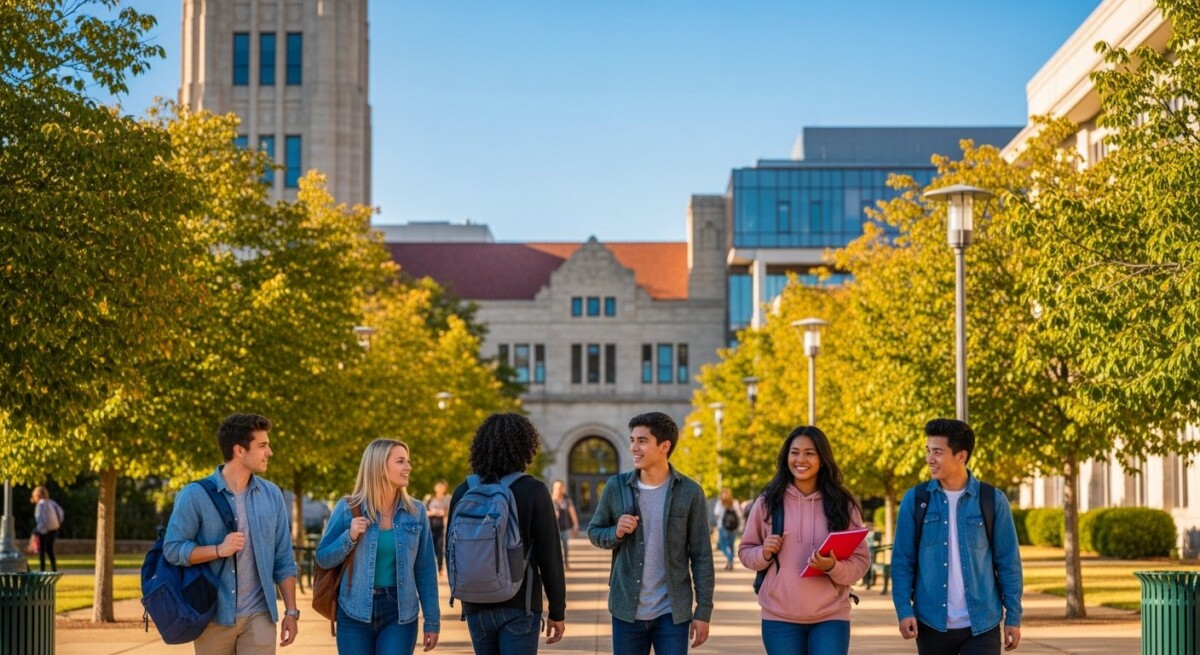
Navigating the complexities of college life involves more than just attending lectures and studying for exams. The transition to higher education presents a unique set of academic, financial, and personal challenges. Fortunately, universities and colleges invest heavily in support systems designed to help students not only survive but thrive. Many students, however, remain unaware of the full spectrum of assistance available to them, often struggling in silence with issues that have readily available solutions. From securing funding for your education to maintaining your mental well-being, a wealth of campus resources for students exists just a short walk from your dorm or classroom. Proactively engaging with these services can dramatically improve your academic performance, reduce stress, and set the foundation for a successful career. This guide will explore the essential campus resources every student should check, ensuring you maximize your investment in your education.
Academic and Learning Support Centers
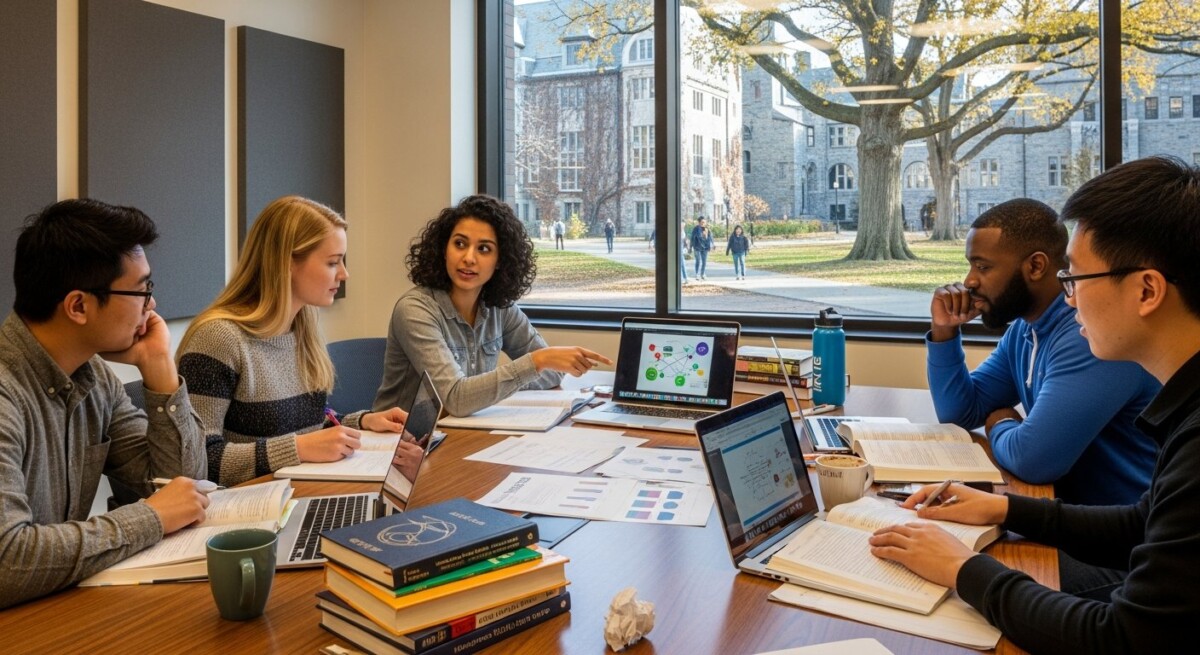
The primary reason for attending college is to learn and earn a degree, but the academic rigor can be overwhelming. This is where dedicated academic support centers become invaluable. Far from being a sign of weakness, utilizing these resources is a hallmark of a strategic and successful student. The most common and critical among these is the campus tutoring center. These centers typically offer free, peer-to-peer tutoring for a wide range of subjects, from introductory calculus and chemistry to writing and foreign languages. Tutors are often students who have excelled in the course and are trained to explain concepts clearly. Scheduling regular sessions, even when you feel you are keeping up, can solidify understanding and prevent last-minute cramming before major exams.
Equally important is the writing center. Whether you are a freshman drafting your first college essay or a senior working on a complex thesis, writing center consultants provide feedback on structure, argument, clarity, and citation style (like APA or MLA). They do not write the paper for you, but they teach you how to improve your own work, a skill that pays dividends across all your courses. For students in STEM fields, dedicated math or science labs offer similar hands-on help with problem sets and lab reports. Beyond subject-specific help, many universities host academic success workshops. These sessions cover crucial skills like time management, effective note-taking, textbook reading strategies, and test-taking anxiety reduction. Investing a few hours in these workshops can save you countless hours of inefficient study later. Finally, do not overlook your professors’ and teaching assistants’ office hours. This is dedicated time for you to ask questions, discuss concepts in depth, and seek guidance on assignments. Regular attendance at office hours demonstrates engagement and can be beneficial when you later need recommendation letters or research opportunities.
Financial Aid and Career Development Services
The financial burden of college is a significant stressor for most students and families. The financial aid office is your central hub for navigating this challenge. Its role extends far beyond processing your initial FAFSA. Financial aid counselors can help you understand the specifics of your package, explore additional scholarship opportunities (both internal and external), and navigate changes in your financial situation. If your family’s circumstances change due to job loss or other emergencies, this office can guide you through the professional judgment or appeal process to potentially adjust your aid. They also provide crucial information about student loan repayment options, grace periods, and financial literacy. Ignoring correspondence from the financial aid office or assuming your package is set in stone is a common and costly mistake.
While financial aid helps you pay for college, career services help you earn a return on that investment. The career center is arguably one of the most underutilized yet critical campus resources for students from day one. Its services are not just for graduating seniors. Freshmen and sophomores can benefit from career assessments, exploratory counseling, and guidance on choosing a major that aligns with their skills and interests. As you progress, the career center assists with resume and cover letter writing, interview preparation (often through mock interviews), and internship searches. They frequently host career fairs, networking events with alumni, and employer information sessions. Building a relationship with career advisors early allows them to provide personalized guidance tailored to your field. For more information on aligning your academic path with your career goals, school-level degree guidance provides additional details on program selection and outcomes. Furthermore, many career centers maintain exclusive job boards with listings not found on public sites. Key services to look for include:
- One-on-one career counseling and major exploration sessions.
- Resume and LinkedIn profile reviews by industry-specific advisors.
- Practice interviews recorded and critiqued for improvement.
- Access to alumni mentorship networks and industry connections.
- Workshops on salary negotiation and professional etiquette.
By engaging with career services throughout your academic journey, you transition from student to professional with a clear plan and a competitive edge in the job market.
Health, Wellness, and Basic Needs Support
Your mental and physical health is the foundation of your academic success. Campus health centers provide basic medical care, often at a low cost or covered by student health fees. Services typically include treatment for minor illnesses and injuries, vaccinations, sexual health services, and referrals to specialists. It is essential to know their location, hours, and procedures for appointments or emergencies. However, the most transformative resource for many students is the counseling and psychological services center. College life introduces new pressures: academic stress, social adjustments, homesickness, and identity exploration. Counseling centers offer confidential, short-term therapy with licensed professionals to help students manage anxiety, depression, relationship issues, and other mental health concerns. Many also offer group therapy sessions on topics like stress management or social skills, which can be a powerful way to connect with peers facing similar challenges.
Beyond clinical health, many campuses now recognize and address students’ basic needs insecurity. A growing number of universities host food pantries or swipe share programs to combat food insecurity. If you are struggling to afford consistent, nutritious meals, these pantries provide discreet and dignified access to groceries at no cost. Similarly, emergency grant or loan programs can help with unexpected financial crises, such as a car repair necessary to get to class or an emergency trip home. Another vital wellness resource is the campus recreation center. Regular physical activity is a proven method to reduce stress, improve sleep, and boost mood. Beyond gym equipment, rec centers often offer intramural sports, group fitness classes (like yoga, spin, or Zumba), outdoor adventure trips, and wellness coaching. Utilizing these facilities provides a crucial break from academic work and fosters a healthier lifestyle. Remember, seeking help for health, wellness, or basic needs is a sign of strength and resourcefulness, not failure.
Specialized and Community-Building Resources
Colleges are diverse communities, and many offer specialized resources to support specific student populations and foster inclusion. For students with disabilities, the disability resource center (DRC) is essential. The DRC works with students to determine reasonable accommodations, such as extended test time, note-taking assistance, accessible housing, or adaptive technology. You must register with the DRC and provide appropriate documentation to activate these supports, which are crucial for ensuring equal access to education. For international students, the international student office is a lifeline. They assist with visa and immigration regulations, provide orientation to U.S. academic culture, and often host social events to help students build community and combat isolation.
Other key offices include multicultural affairs or identity-based centers (e.g., LGBTQ+ centers, women’s centers, cultural centers). These spaces provide a supportive community, educational programming, and advocacy. They are places to connect with peers who share similar backgrounds or experiences, which can be profoundly affirming. For students who are parents, veteran students, or first-generation college students, dedicated support offices often exist to provide tailored advising, resource navigation, and community. Furthermore, the campus library is a vastly underrated hub that goes far beyond books. Librarians are expert researchers who can teach you how to navigate academic databases, evaluate sources, and manage citations. Libraries also frequently offer quiet and group study spaces, technology loans (laptops, cameras, chargers), and access to specialized software. Engaging with these specialized and community resources ensures you have a support network and the specific tools you need to succeed in your unique circumstances.
Frequently Asked Questions
Are all these campus resources really free for students?
Most core academic, health, and counseling resources are included in your tuition and student fees. This means tutoring, writing center appointments, basic medical visits, counseling sessions, and use of the recreation center typically have no additional charge. Some services, like certain lab tests at health services or transcript fees, may have a small cost. Specialized software or equipment loans from the library are usually free but may incur fees if returned late or damaged. Always ask about costs upfront.
When is the best time to start using these resources?
The best time is during your first semester, ideally during the first few weeks. Do not wait for a crisis. Attend a study skills workshop early to build good habits. Introduce yourself at the career center to start planning. Tour the recreation center. Proactive use builds a support system before you need it, reducing stress and improving outcomes from the start.
I’m shy or embarrassed to ask for help. What should I do?
Remember that these offices exist solely to help students like you. Staff are professionals who want you to succeed. You can start with lower-stakes visits: ask the library for help finding a source, attend a large group workshop, or use online tutoring if available. Taking the first step is often the hardest part, but you will find these centers are welcoming and non-judgmental.
How do I find out about all the resources my specific campus offers?
Start with a thorough exploration of your university’s official website. Search for “student services” or “campus resources.” Attend your freshman orientation events, where many services are introduced. Your academic advisor is also a key guide. Finally, pay attention to campus flyers, student newspaper announcements, and emails from student affairs departments.
What if a resource I need doesn’t seem to exist on my campus?
Bring your concern to a trusted advisor, such as your academic dean, a professor, or the student government association. There may be a service you have overlooked, or your feedback could be the catalyst for creating a new program to meet an unmet student need. Advocacy is a powerful tool for improving campus life for yourself and future students.
Exploring and utilizing the full range of campus resources is a critical component of a successful and enriching college experience. These services are designed to empower you, remove barriers, and provide the support necessary to achieve your academic and personal goals. By taking the initiative to visit the tutoring center, schedule an appointment at career services, prioritize your health at the counseling center, and connect with your community through specialized offices, you transform from a passive recipient of an education into an active architect of your own future. The investment you make in learning about and using these tools will pay dividends in reduced stress, improved grades, stronger career prospects, and a more fulfilling time at university. Make it a priority this semester to check at least one new resource off your list.