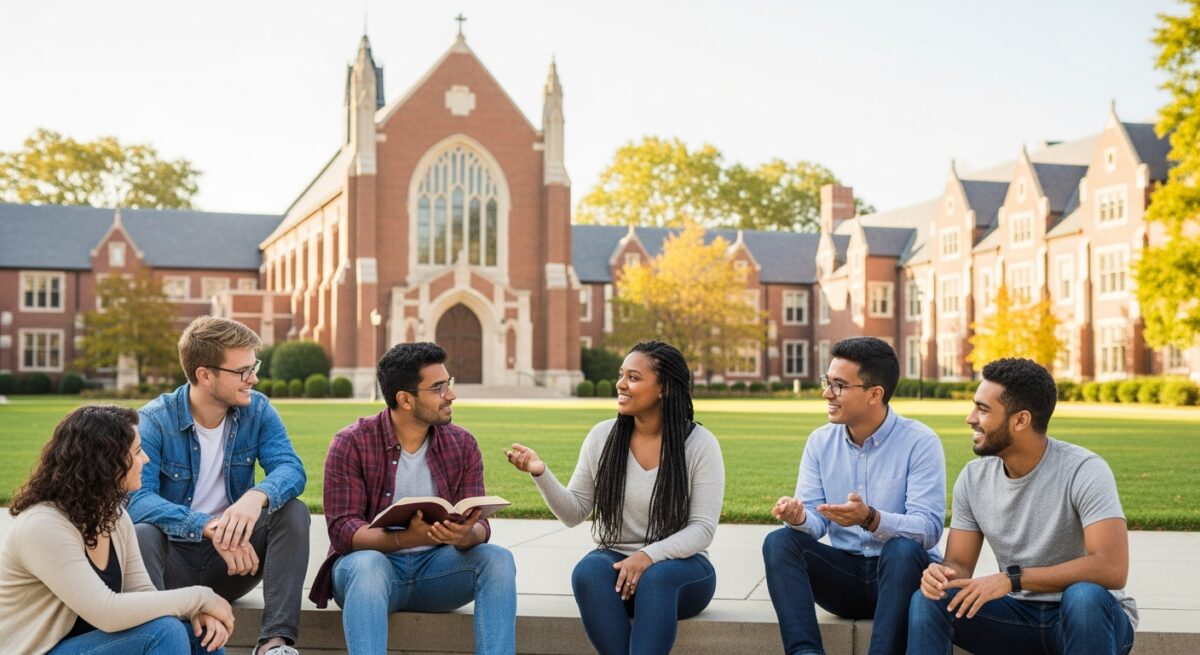
Choosing where to pursue a degree is one of the most significant decisions a student can make. For those who want their faith to be an integral part of their academic journey, selecting a Christian college offers a unique blend of spiritual growth and rigorous scholarship. The best Christian colleges for higher education provide an environment where students can explore their beliefs, engage in meaningful community service, and prepare for a career with a strong ethical foundation. This guide explores what makes these institutions special, how to evaluate them, and which factors matter most for a transformative educational experience.
Defining Christian Higher Education
Christian colleges and universities are distinct from secular institutions in several key ways. They integrate faith and learning across the curriculum, meaning that courses in science, business, literature, and the arts are taught from a worldview that acknowledges God as the source of all truth. Faculty members are often required to affirm a statement of faith, and campus life is structured around spiritual formation activities such as chapel services, Bible studies, and service projects. This holistic approach aims to develop the whole person: intellectually, spiritually, and socially.
For many students, this integration is a major draw. They want to ask big questions about purpose and meaning without having to check their faith at the classroom door. Christian universities also tend to foster close-knit communities where students support one another in their walk with God. This sense of belonging can be especially valuable during the transitional college years. When researching the best Christian colleges, it is important to look beyond the label and examine how deeply faith is woven into the fabric of the institution.
Key Factors to Evaluate When Choosing a Christian College
Not all Christian colleges are the same. They vary widely in denomination, academic rigor, size, location, and the extent to which they integrate faith into academics. Prospective students and their families should consider several critical factors to find the right fit. The best Christian colleges for higher education will excel in both spiritual vitality and academic excellence.
Academic Reputation and Program Offerings
First and foremost, the institution must offer strong programs in your area of interest. Whether you are pursuing nursing, engineering, business, or theology, the college should have accredited programs, qualified faculty, and a track record of graduate success. Look for schools that are regionally accredited, as this ensures credits transfer and degrees are recognized by employers and graduate schools. Many top Christian universities also offer honors programs, research opportunities, and study abroad experiences that enrich the academic journey.
Spiritual Life and Campus Culture
Evaluate the spiritual climate on campus. Is chapel attendance required? Are there opportunities for worship, discipleship, and mission trips? Do students and faculty engage in open dialogue about faith and doubt? The best Christian colleges create spaces where students can grow spiritually without feeling pressured or judged. Campus ministries, faculty mentors, and a vibrant community of believers all contribute to a thriving spiritual life. It is also wise to consider the denomination or theological tradition of the school to ensure it aligns with your own beliefs.
Cost and Financial Aid
Private Christian colleges often have higher tuition than public universities, but many offer generous financial aid packages, scholarships, and work-study programs. Do not let the sticker price discourage you. Investigate the net price after aid, and look for schools that are committed to making education affordable. Some Christian universities also offer online degree programs that can reduce costs and provide flexibility for working adults. For a broader perspective on international options, you might explore our guide on Best Irish Universities for Higher Education in 2026, which highlights how faith-based institutions abroad compare.
Student Support and Career Outcomes
Strong support services are a hallmark of quality Christian colleges. Look for schools with robust academic advising, career counseling, tutoring centers, and mental health resources. Career outcomes matter: What percentage of graduates find jobs in their field within six months? Do alumni networks provide mentorship and connections? The best Christian colleges for higher education invest in the long-term success of their students, both during school and after graduation.
Top Christian Colleges and Universities to Consider
While the “best” list is subjective and depends on individual needs, several institutions consistently rank high for academic quality, spiritual vitality, and student satisfaction. Here is a look at some standout options across different categories.
Wheaton College (Illinois)
Wheaton College is often cited as one of the premier Christian liberal arts colleges in the United States. It is known for its rigorous academics, strong commitment to evangelical faith, and beautiful campus. Wheaton offers over 50 majors and has a strong reputation in the sciences, humanities, and theology. Its alumni include notable figures like Billy Graham and author Leland Ryken. The college emphasizes the integration of faith and learning across all disciplines.
Taylor University (Indiana)
Taylor University is another top-tier Christian college that combines academic excellence with a close-knit community. It is frequently recognized in national rankings for its undergraduate teaching and campus environment. Taylor offers strong programs in business, education, engineering, and the arts. The campus culture is intentionally Christ-centered, with required chapel attendance and numerous service opportunities. Students often cite the supportive faculty and lifelong friendships as key benefits.
Biola University (California)
Located in Southern California, Biola University is a comprehensive Christian university offering over 150 academic programs, including undergraduate, graduate, and seminary degrees. Biola is known for its strong programs in biblical studies, psychology, business, and cinema and media arts. The university emphasizes biblically centered education and prepares students to integrate their faith into their professional lives. Biola also has a vibrant campus ministry and a strong commitment to diversity and global engagement.
Calvin University (Michigan)
Calvin University is a Christian liberal arts university rooted in the Reformed tradition. It is known for its academic rigor, commitment to social justice, and emphasis on vocation. Calvin offers a wide range of majors and has strong programs in engineering, nursing, education, and the arts. The university encourages students to think critically about their faith and how it intersects with all areas of life. Calvin also has a strong study abroad program and a beautiful campus in Grand Rapids.
Abilene Christian University (Texas)
Abilene Christian University is a vibrant Christian university affiliated with the Churches of Christ. It offers over 70 majors and is known for its strong programs in business, nursing, engineering, and ministry. ACU emphasizes hands-on learning through internships, research, and service projects. The campus community is warm and welcoming, with a strong focus on spiritual formation and leadership development. ACU also has a growing online presence for students who prefer distance learning.
Benefits of Attending a Christian College
Choosing a Christian college offers several distinct advantages that go beyond the academic transcript. Students often report higher levels of satisfaction with their overall college experience, citing the supportive community and sense of purpose. Here are some key benefits:

- Integrated Faith and Learning: Courses are taught from a Christian worldview, helping students see how their faith connects to every field of study.
- Mentoring Relationships: Faculty and staff are often deeply invested in students’ spiritual and personal growth, not just their grades.
- Strong Community: Shared values and a focus on service create a tight-knit campus culture where students feel known and valued.
- Ethical Foundation: Graduates leave with a strong moral compass, ready to lead with integrity in their careers and communities.
- Networking and Alumni Connections: Christian college alumni networks are often active and supportive, providing career connections and lifelong friendships.
These benefits contribute to a well-rounded education that prepares students not just for a job, but for a life of meaning and service. Many graduates of Christian colleges go on to become leaders in their fields, from business and healthcare to ministry and education.
Online Christian Degree Programs
For students who need flexibility due to work, family, or location, many Christian universities now offer robust online degree programs. These programs maintain the same commitment to faith integration and academic quality as their on-campus counterparts. Students can earn associate, bachelor’s, master’s, and even doctoral degrees entirely online. Some of the best Christian colleges for higher education have invested heavily in their online platforms, offering interactive courses, virtual chapel services, and online community groups.
Online Christian education is ideal for adult learners, military personnel, and those who live far from a campus. It allows students to balance their studies with other responsibilities while still receiving a Christ-centered education. When evaluating online programs, look for the same accreditation and academic standards you would expect from a residential program. Many schools also offer transfer credits for prior learning and military experience.
How to Apply to Christian Colleges
The application process for Christian colleges is similar to that of other private universities, but there are a few unique elements. Most schools require the following:
- A completed application form (often through the Common App or the school’s own system)
- High school transcripts and test scores (SAT or ACT, though many schools are test-optional)
- Letters of recommendation, often from a pastor or youth leader
- A personal essay or statement of faith
- An interview (sometimes required for certain programs or scholarships)
Many Christian colleges also ask applicants to submit a faith reference or a short essay about their spiritual journey. This helps the admissions team assess whether the student is likely to thrive in the school’s spiritual environment. It is important to be authentic in these responses; colleges are looking for students who genuinely want to grow in their faith, not just those who can check a box.
Financial aid applications should be submitted early, including the FAFSA and any institutional scholarship forms. Some Christian colleges offer merit-based scholarships, need-based grants, and even church matching scholarships where the student’s home church contributes to tuition. Be sure to explore all available options to make the education affordable.
Frequently Asked Questions
What is the difference between a Christian college and a Bible college?
A Christian college offers a broad liberal arts education with a variety of majors, while a Bible college focuses primarily on biblical studies and ministry preparation. Christian colleges integrate faith across all disciplines, whereas Bible colleges are more specialized for students pursuing vocational ministry.
Are Christian colleges accredited?
Most reputable Christian colleges are regionally accredited, just like secular universities. Accreditation ensures that credits transfer and that degrees are recognized by employers and graduate schools. Always verify a school’s accreditation status before applying.
Do I have to be a Christian to attend a Christian college?
Policies vary by institution. Most Christian colleges welcome students of all faiths, but they require all students to adhere to a community covenant that includes behavioral expectations and often attendance at chapel services. Non-Christian students often find the environment respectful and enriching, even if they do not share the school’s beliefs.
Can I get a scholarship to a Christian college?
Yes, many Christian colleges offer generous scholarships based on academic merit, talent, leadership, and financial need. Some also offer church matching scholarships or discounts for children of alumni. It is worth applying for all scholarships for which you qualify.
Are online degrees from Christian colleges respected?
Yes, as long as the school is regionally accredited and the program is well-designed. Many employers and graduate schools treat online degrees from accredited Christian universities the same as on-campus degrees. Ensure the program includes opportunities for interaction with faculty and peers.
For additional resources on finding the right degree program, you can explore a wide range of options at DegreesOnline.Education, which provides detailed information on accredited online programs in various fields.
Choosing the right college is a deeply personal decision that shapes your future in profound ways. The best Christian colleges for higher education offer a unique combination of academic excellence, spiritual growth, and community support. By carefully evaluating your priorities, researching schools, and seeking God’s guidance, you can find a place where you will thrive intellectually and spiritually. Whether you choose a residential campus or an online program, a Christian education can equip you to make a lasting impact in your career and in the world.