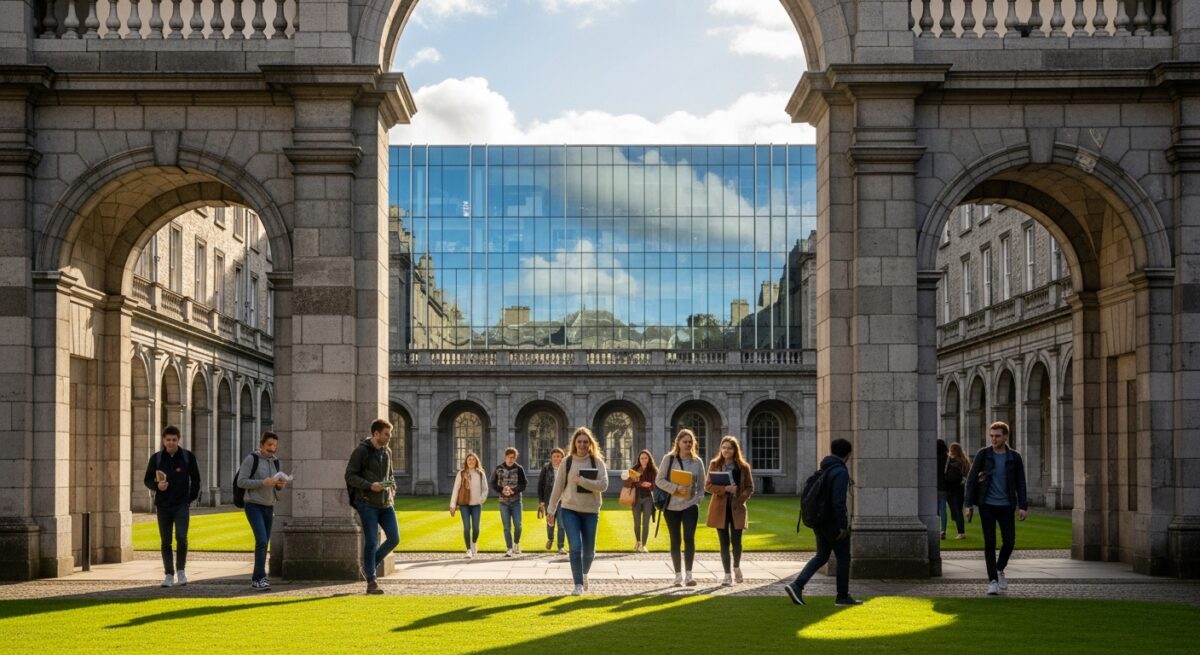
Ireland has emerged as a premier destination for higher education, attracting students from across the globe with its rich academic heritage, innovative research programs, and vibrant cultural landscape. Whether you are a high school student planning your college applications, a career changer seeking new skills, or a parent helping a child navigate the admissions process, understanding the best Irish universities for higher education is a critical first step. This guide examines the top institutions, their unique strengths, and what makes Ireland an exceptional choice for pursuing a degree. From historic universities in Dublin and Cork to specialized institutes in Galway and Limerick, the options are diverse and world-class. By the end of this article, you will have a clear framework for comparing programs, evaluating costs, and making an informed decision that aligns with your academic and career goals.
Why Study in Ireland? The Global Appeal of Irish Higher Education
Ireland’s reputation as a hub for education is built on a foundation of rigorous academic standards, a welcoming culture, and strong ties to global industries. The country is home to several universities that consistently rank among the top in the world, offering degrees that are recognized internationally. For US students and career changers, Ireland presents a unique opportunity to study in an English-speaking country with a strong economy, particularly in sectors like technology, pharmaceuticals, and finance. The Irish government invests heavily in research and development, meaning students have access to cutting-edge facilities and faculty who are leaders in their fields. Additionally, the cost of tuition and living in Ireland can be competitive compared to many US private universities, especially when considering the shorter duration of many undergraduate programs (typically three to four years). This efficiency can reduce overall expenses and allow students to enter the workforce sooner. For those exploring affordable online degrees or traditional on-campus programs, Ireland offers a blend of quality and value that is hard to match.
Top Ranked Universities: A Closer Look at the Leaders
When evaluating the best Irish universities for higher education, a few names consistently appear at the top of international rankings. These institutions are known for their research output, faculty expertise, and graduate employability. The following list provides a snapshot of the leading universities, but it is important to consider factors like program fit, location, and campus culture when making your choice.
- Trinity College Dublin (TCD): Founded in 1592, TCD is Ireland’s oldest and most prestigious university. It excels in arts, humanities, and STEM fields, with a historic campus in the heart of Dublin. Its library houses the famous Book of Kells, and its alumni include literary giants like Oscar Wilde and Samuel Beckett.
- University College Dublin (UCD): As Ireland’s largest university, UCD offers an extensive range of programs across disciplines. It is particularly strong in business, agriculture, and engineering, and has a sprawling modern campus with excellent sports and recreational facilities. UCD’s Quinn School of Business is highly regarded internationally.
- University of Galway: Located on the west coast, University of Galway is known for its research in biomedical science, marine science, and Irish studies. The campus is vibrant and student-focused, with a strong emphasis on community engagement and innovation. The city of Galway itself is a cultural hub, making it appealing for students seeking a balanced lifestyle.
- University College Cork (UCC): UCC combines a historic campus with modern research facilities. It has strengths in food science, pharmacy, and law, and is recognized for its sustainability initiatives. Cork is a friendly, medium-sized city that offers a more relaxed pace than Dublin.
These four institutions are often referred to as the “Ivy League of Ireland” and are consistently ranked among the top 300 universities globally. However, the best choice depends on your specific academic interests. For example, if you are passionate about computer science, Trinity College Dublin has strong industry links with tech giants like Google and Facebook. If you are interested in business or engineering, University College Dublin offers a broader range of specialized programs. In our guide on why leading private higher education in Rhode Island matters, we discuss similar considerations for US students, but the Irish system provides a distinct international perspective that can enhance your resume.
Specialized Institutions and Technological Universities
Beyond the traditional universities, Ireland has a robust network of technological universities (TUs) and specialized colleges that offer practical, career-focused education. These institutions are ideal for students who prefer hands-on learning and direct industry experience. Technological University Dublin (TU Dublin) is the largest of its kind, formed by merging several institutes of technology. It offers programs in areas like culinary arts, digital media, and engineering with a strong emphasis on work placements. Similarly, Munster Technological University (MTU) in Cork and the South East Technological University (SETU) in Waterford provide excellent options for students seeking applied learning environments. For those considering the best Irish universities for higher education in specialized fields like music or art, institutions like the Royal Irish Academy of Music or the National College of Art and Design (NCAD) offer world-class training. These schools may not appear in global university rankings, but they are leaders in their niches and provide direct pathways to creative careers. For career changers, these programs can be particularly valuable because they often include internships or cooperative education terms that build practical skills and professional networks.
Admissions Process for International Students
Navigating the admissions process for Irish universities requires careful planning, especially for international students from the United States. The application system is centralized through the Central Applications Office (CAO) for undergraduate programs, while postgraduate applications are handled directly by each university. Here are key steps to consider:
- Research Programs and Entry Requirements: Each university sets specific entry requirements for each program. For US students, this typically includes a high school diploma with a certain GPA, SAT or ACT scores, and evidence of English language proficiency (e.g., TOEFL or IELTS). Some competitive programs may require interviews or portfolios.
- Prepare Your Application Timeline: The CAO application deadline for most undergraduate programs is February 1st for equal consideration, though late applications are accepted until May 1st. For postgraduate programs, deadlines vary, but many begin accepting applications in October for the following September intake.
- Secure Funding and Scholarships: Tuition fees for international students in Ireland vary widely, ranging from 10,000 to 25,000 euros per year for undergraduate programs, depending on the field of study. Many universities offer merit-based scholarships for international students. For example, the Government of Ireland International Education Scholarships provide full tuition and a stipend for one year of study.
- Apply for a Student Visa: Once you receive an offer of admission, you will need to apply for a student visa through the Irish Naturalisation and Immigration Service (INIS). You will need to provide proof of acceptance, financial resources, and health insurance.
It is advisable to start the process at least 12 months before your intended start date. Many universities have dedicated international offices that can guide you through these steps. For students exploring options beyond Ireland, resources like CollegeDegree.Education offer comprehensive tools for comparing programs and finding affordable degrees across different countries.
Cost of Living and Student Life in Ireland
The cost of living in Ireland varies significantly depending on the city. Dublin is the most expensive, with average monthly rent for a student apartment ranging from 800 to 1,200 euros. Cities like Galway, Cork, and Limerick are more affordable, with rents typically 20 to 30 percent lower. Beyond rent, students should budget for utilities, food, transportation, and social activities. Many universities offer on-campus accommodation, which can be a cost-effective and convenient option for first-year students. Student life in Ireland is vibrant and welcoming. Most universities have active student unions, clubs, and societies covering everything from sports to debate to cultural activities. The pub culture is central to social life, but there are also numerous festivals, concerts, and outdoor activities. Ireland’s natural beauty, including the Cliffs of Moher, the Ring of Kerry, and the Wild Atlantic Way, provides ample opportunities for weekend exploration. For parents and students concerned about safety, Ireland is generally considered a very safe country for international students, with low crime rates and a friendly population.
Career Opportunities and Graduate Outcomes
One of the strongest arguments for choosing the best Irish universities for higher education is the excellent career outcomes for graduates. Ireland is home to the European headquarters of many global companies, including Apple, Google, Facebook, Pfizer, and Johnson & Johnson. This concentration of multinational corporations creates a strong demand for graduates in STEM fields, business, and law. Many universities have dedicated career services that help students find internships, co-op placements, and full-time jobs. For example, Trinity College Dublin’s Career Service reports that 93 percent of its graduates are in employment or further study within six months of graduation. Additionally, Ireland’s “Stay Back” visa allows non-EU graduates to remain in the country for up to two years after graduation to seek employment. This policy is a significant advantage for international students who wish to gain professional experience in Europe. For career changers, this pathway can be transformative, offering a direct route into high-growth industries. The Irish education system emphasizes critical thinking, communication, and problem-solving skills, which are highly valued by employers worldwide.
Frequently Asked Questions
Are Irish universities recognized in the United States?
Yes, degrees from Irish universities are fully recognized in the United States. Many Irish universities are accredited by the same organizations that accredit US institutions, and their degrees are accepted by US employers and graduate schools. Additionally, many programs are designed to meet US licensing requirements for professions like law, medicine, and engineering.
How do I choose between a traditional university and a technological university?
The choice depends on your learning style and career goals. Traditional universities (like TCD and UCD) emphasize theoretical knowledge and research, which is ideal for students planning to pursue academic careers or research-intensive fields. Technological universities (like TU Dublin and MTU) focus on applied learning and industry partnerships, which can lead directly to employment in technical or vocational roles. Both pathways offer excellent outcomes.
Can I work while studying in Ireland?
Yes, international students on a valid student visa can work up to 20 hours per week during term time and 40 hours per week during holidays. This allows students to gain valuable work experience and offset some living costs. Many universities also offer on-campus jobs in libraries, cafes, or administrative offices.
What is the application fee for Irish universities?
The Central Applications Office (CAO) charges a fee of 30 euros for applications that include up to 10 course choices. For postgraduate applications, each university sets its own fee, which typically ranges from 50 to 100 euros. Some universities may waive the fee for early applications or for students from certain countries.
Making Your Decision: A Strategic Approach
Choosing among the best Irish universities for higher education is a significant decision that requires balancing academic fit, financial considerations, and personal preferences. Start by identifying your top three programs based on curriculum, faculty, and career outcomes. Then, compare the total cost of attendance, including tuition, living expenses, and potential scholarships. Visit the campuses virtually or in person if possible, and talk to current students or alumni to get a sense of the culture. The US audience of CollegeDegree.School will find that Irish universities offer a compelling alternative to domestic options, especially for students interested in international experiences. The combination of high academic standards, strong industry connections, and a welcoming environment makes Ireland a top contender. By following the steps outlined in this guide and leveraging resources like school matching services, you can confidently navigate the admissions process and embark on a transformative educational journey.