Choosing where to study biochemistry is one of the most consequential decisions a science-minded student can make. Biochemistry sits at the crossroads of biology and chemistry, unraveling the molecular mechanisms that drive life itself. From drug discovery to genetic engineering, the field demands rigorous training, access to cutting-edge laboratories, and mentorship from active researchers. The institutions that excel in biochemistry do not simply teach facts; they immerse students in a culture of inquiry where textbooks become springboards for original investigation. This article examines the leading universities for biochemistry, evaluates what makes a program exceptional, and provides actionable guidance for applicants navigating this competitive landscape.
What Defines a Top Biochemistry Program
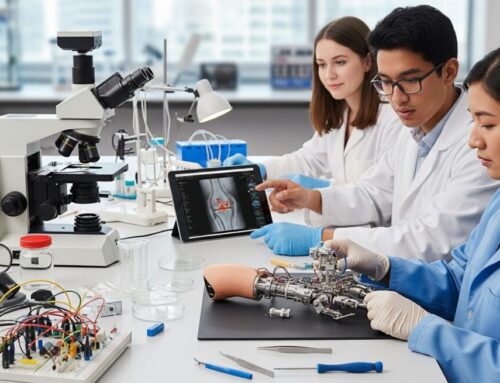
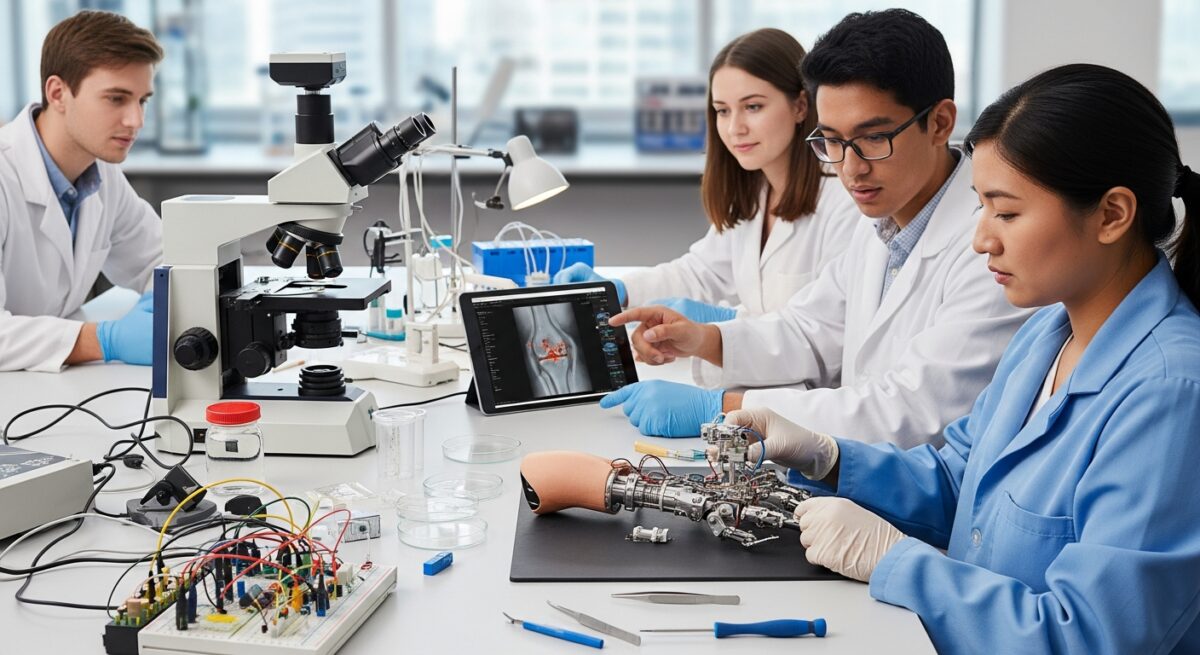
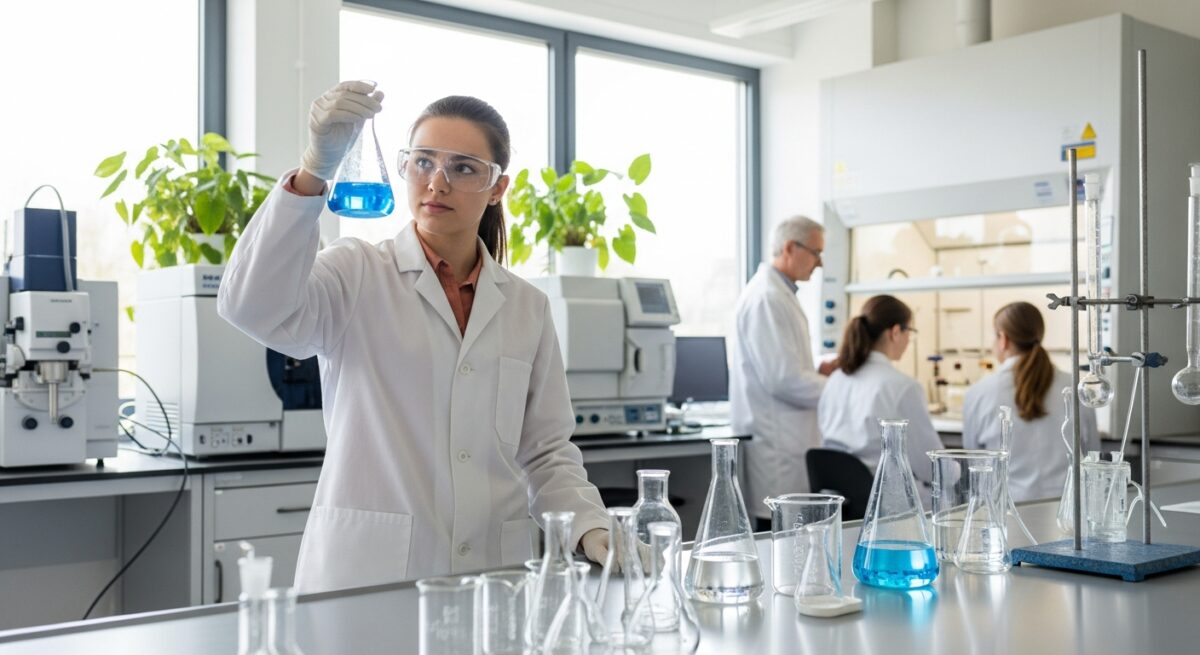
A world-class biochemistry program is built on several pillars that extend beyond reputation. Research output matters, but so does the undergraduate experience. The best universities for biochemistry programs invest heavily in laboratory infrastructure, ensuring that students handle advanced instruments like mass spectrometers, NMR machines, and crystallization robots from their sophomore year onward. Faculty accessibility is another critical factor. Programs where professors routinely invite undergraduates into their research groups produce graduates who are comfortable with the uncertainty and creativity of real science.
Curriculum design also separates good programs from great ones. Leading departments sequence courses so that foundational concepts in organic chemistry and molecular biology are reinforced by advanced electives in structural biology, enzymology, and bioinformatics. Many of the best biochemistry colleges now require computational coursework, recognizing that data analysis skills are as essential as pipetting accuracy. Accreditation by organizations like the American Society for Biochemistry and Molecular Biology (ASBMB) signals that a program meets national standards for depth and breadth.
Career outcomes provide the ultimate validation. Top programs track their graduates and can report high placement rates into medical schools, Ph.D. programs, and biotechnology careers. Internship coordinators at these schools cultivate relationships with pharmaceutical companies, research hospitals, and government agencies like the NIH. Students benefit from structured pathways that turn classroom knowledge into professional competence.
Leading Universities for Biochemistry Research and Education
The following institutions consistently rank among the best universities for biochemistry programs worldwide. Each offers distinct strengths, from Nobel Prize-winning faculty to unique research centers that specialize in areas like cancer metabolism or synthetic biology.
Harvard University
Harvard’s Department of Molecular and Cellular Biology houses a biochemistry concentration that is both rigorous and flexible. Students can pursue joint concentrations with chemistry or computer science, reflecting the interdisciplinary nature of modern biochemistry. The university’s vast research enterprise means undergraduates can contribute to projects on CRISPR gene editing, protein folding diseases, or microbial biosynthesis. Harvard also offers a dedicated biochemistry track within its Life Sciences program, which provides focused advising and a capstone research thesis. The proximity to Harvard Medical School and the Broad Institute creates internship opportunities that are unmatched anywhere else.
Massachusetts Institute of Technology (MIT)
MIT’s Department of Biology offers a biochemistry major that emphasizes quantitative approaches. The curriculum requires advanced calculus and physics, preparing students for the computational demands of genomics and systems biology. MIT’s Undergraduate Research Opportunities Program (UROP) allows biochemistry students to join labs studying enzyme kinetics, RNA biology, or neurochemistry as early as their first semester. The Whitehead Institute and the Koch Institute for Integrative Cancer Research provide additional venues for cutting-edge investigation. Graduates from MIT’s biochemistry program are heavily recruited by biotech firms in the Boston-Cambridge corridor.
Stanford University
Stanford’s biochemistry program is housed within the School of Humanities and Sciences, but students frequently collaborate with the School of Medicine and the Stanford Bio-X initiative. The program’s strength lies in its emphasis on translational research: taking basic biochemical discoveries and applying them to human health. Stanford undergraduates have access to the Stanford Genome Technology Center and the Cryo-EM facility, where they can visualize proteins at atomic resolution. The university’s location in Silicon Valley also fosters entrepreneurship; many biochemistry graduates launch startups that commercialize their research findings.
University of Cambridge (UK)
For students considering international options, Cambridge offers the Natural Sciences Tripos with a biochemistry specialization. The program is known for its lecture-laboratory integration, where theoretical concepts are immediately tested in practical sessions. Cambridge’s Biochemistry Department has a storied history, including the discovery of DNA structure by Watson and Crick. Modern research strengths include protein engineering, cellular signaling, and biophysics. The collegiate system provides close mentorship, and the university’s partnerships with the Wellcome Trust and the Sanger Institute expand research possibilities.
University of California, Berkeley
Berkeley’s College of Chemistry offers a Biochemistry major that is consistently ranked among the best in the United States. The program benefits from the university’s strength in both chemistry and biology, allowing for a deep exploration of topics like enzymology, metabolic regulation, and structural biology. Berkeley undergraduates frequently publish papers in high-impact journals, and the department’s alumni network includes leaders in academia and industry. The Bay Area ecosystem, with companies like Genentech and Gilead Sciences nearby, provides robust internship and job placement opportunities.
When evaluating the best universities for biochemistry programs, prospective students should consider factors like class size, research funding per faculty member, and the availability of specialized tracks. The following list summarizes key features to look for when comparing biochemistry colleges.
- Research integration: does the program require or strongly encourage undergraduate research?
- Equipment access: are students trained on modern instruments like NMR, mass spectrometry, and cryo-EM?
- Faculty mentorship: what is the student-to-faculty ratio in research labs?
- Career services: does the department have dedicated advisors for pre-med, industry, and graduate school pathways?
- Alumni outcomes: what percentage of graduates enter medical school, Ph.D. programs, or biotech employment within two years?
These criteria help distinguish programs that merely teach biochemistry from those that truly prepare students for lifelong scientific contribution. A program that scores highly across these dimensions will provide both immediate skills and long-term career advantages.
How to Choose the Right Biochemistry Program for You
Selecting from among the best universities for biochemistry programs requires self-assessment as much as institutional research. Students who thrive in small, discussion-based environments may prefer liberal arts colleges with strong biochemistry tracks, such as Williams College or Pomona College, over large research universities. Conversely, students who want exposure to multiple subfields and large-scale collaborations may find their home at a university with a medical school and affiliated hospitals. Cost is another decisive factor. In-state public universities like the University of Michigan, UCLA, and the University of Washington offer world-class biochemistry programs at a fraction of the cost of private institutions. Financial aid packages, scholarship opportunities, and the availability of paid research positions should all be weighed.
Location also matters for career development. Biotechnology hubs in Boston, San Francisco, San Diego, and the Research Triangle in North Carolina offer abundant internship and job opportunities. A program in one of these regions can facilitate networking and part-time work that accelerates career growth. International students should consider visa policies, language requirements, and whether the program’s accreditation is recognized in their home country. For a deeper look at how to evaluate program quality and match your goals, see our guide on Top Biochemistry Programs: How to Choose the Best College.
Beyond rankings, prospective students should visit campuses, attend departmental open houses, and speak with current students about their experiences. Many of the best biochemistry programs offer summer research experiences for admitted students, which provide a preview of the laboratory culture. Asking professors about their current research projects and mentorship philosophy can reveal whether a department values teaching as much as publication. The fit between a student’s interests and a department’s expertise often determines success more than any ranking number.
Career Pathways After a Biochemistry Degree
A degree from one of the best universities for biochemistry programs opens doors to diverse career paths. Many graduates pursue medical degrees, using their biochemistry background to excel in medical school and eventually specialize in fields like oncology, genetics, or pathology. Others enter Ph.D. programs, aiming for careers in academic research or industrial R&D. The biotechnology sector employs biochemists in drug development, quality control, and regulatory affairs. Companies like Amgen, Pfizer, and Moderna actively recruit from top programs. Government agencies such as the FDA, CDC, and NIH hire biochemists for research and policy roles. Even non-laboratory careers in science writing, patent law, and venture capital benefit from a strong biochemistry foundation.
The earning potential for biochemistry graduates is significant. According to the U.S. Bureau of Labor Statistics, biochemists and biophysicists earned a median annual wage of over $100,000 in 2023, with top earners in pharmaceutical manufacturing exceeding $150,000. Medical school graduates with biochemistry backgrounds often match into competitive residencies, and Ph.D. holders in biochemistry command high salaries in both academia and industry. The return on investment for a degree from a top program is substantial, but students must also consider the cost of tuition and the time required for advanced training.
For students who are undecided about their ultimate career, biochemistry programs offer flexibility. The analytical skills, laboratory techniques, and problem-solving abilities acquired are transferable to many fields. Scholarship opportunities can reduce financial barriers, making it possible for talented students from all backgrounds to access these life-changing programs. Many of the best universities for biochemistry programs offer merit-based scholarships specifically for STEM majors, and need-based aid can make even the most expensive private universities affordable.
Frequently Asked Questions
What is the difference between biochemistry and molecular biology?
Biochemistry focuses on the chemical processes within living organisms, including enzyme reactions, metabolism, and the structure of biomolecules like proteins and nucleic acids. Molecular biology emphasizes the interactions between DNA, RNA, and proteins that govern gene expression and cellular function. In practice, the fields overlap significantly, and many programs offer combined majors or concentrations. The best universities for biochemistry programs often integrate both disciplines, recognizing that modern research requires fluency in each.
Do I need to attend a top-ranked university to succeed in biochemistry?
No, many successful biochemists graduated from strong regional universities or liberal arts colleges. What matters most is the quality of research opportunities, mentorship, and the rigor of the curriculum. Students at less prestigious institutions can still gain admission to top graduate programs by excelling in research and building strong relationships with faculty. However, attending one of the best universities for biochemistry programs can provide advantages in networking, funding, and access to cutting-edge equipment.
How important is undergraduate research for biochemistry applicants?
Undergraduate research is extremely important. Graduate programs and medical schools look for evidence that a candidate can design experiments, analyze data, and communicate findings. Most top biochemistry programs require or strongly encourage a senior thesis or capstone project. Participating in research also helps students confirm their interest in a particular subfield and can lead to publications and conference presentations.
What high school preparation is recommended for a biochemistry major?
Students should take four years of mathematics, including calculus if available, and four years of science, including biology, chemistry, and physics. Advanced Placement or International Baccalaureate courses in these subjects can strengthen applications and may allow students to place out of introductory requirements. Strong writing skills are also important, as biochemistry professionals must write grant proposals, research papers, and reports. Extracurricular activities like science fairs, research internships, or volunteering in laboratories provide valuable experience.
The journey to becoming a biochemist is demanding but deeply rewarding. Students who choose from the best universities for biochemistry programs position themselves at the forefront of scientific discovery. Whether the goal is curing disease, developing sustainable biofuels, or understanding the origins of life, a biochemistry degree provides the tools to make a meaningful impact. The institutions highlighted in this article represent the gold standard, but the ultimate success depends on the student’s curiosity, persistence, and willingness to embrace the challenges of molecular exploration.