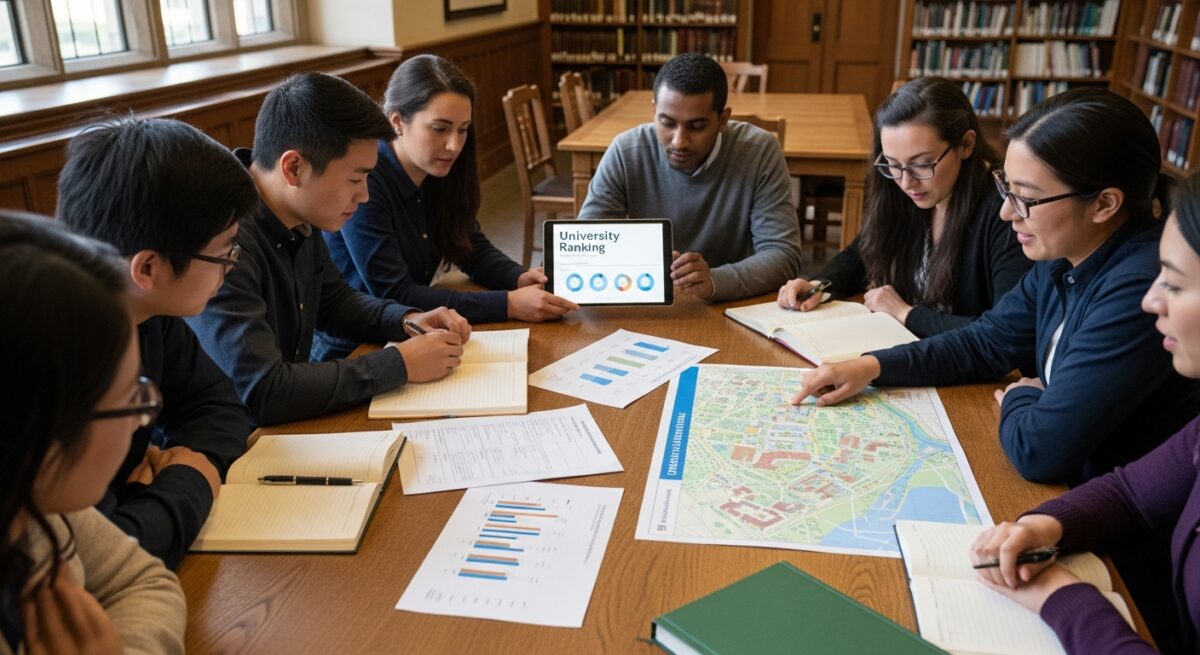
Choosing the right doctoral program is one of the most consequential decisions a scholar can make. The path to a PhD demands years of focused research, rigorous coursework, and a deep commitment to a specialized field. Yet the rewards, both intellectual and professional, can be extraordinary. A well-chosen program does more than grant a degree; it builds a foundation for a lifetime of academic inquiry and opens doors to leadership roles in industry, government, and nonprofit sectors. This article examines the best PhD programs for academic and career growth, offering a framework for evaluating options that align with your personal goals and the evolving demands of the job market.
What Makes a PhD Program Ideal for Growth
Not all doctoral programs are created equal. Some excel at producing tenure-track faculty, while others prioritize applied research that translates directly into corporate or policy settings. When evaluating programs, consider three core dimensions: faculty mentorship quality, funding and resource availability, and placement outcomes. Programs with strong mentorship structures often provide better guidance through the dissertation process and more robust professional networks. Funding packages that include stipends, health insurance, and research travel budgets reduce financial stress and allow you to focus fully on your work. Placement data, including where graduates secure postdoctoral fellowships, faculty positions, or industry roles, offers the clearest signal of a program’s real-world impact.
Another critical factor is the program’s culture around interdisciplinary collaboration. The most innovative research today often sits at the intersection of traditional fields. A department that encourages cross-disciplinary projects, joint appointments, and partnerships with other schools or research institutes can dramatically expand your intellectual toolkit. Look for programs that offer structured opportunities to collaborate with peers in computer science, public health, business, or engineering, depending on your area of interest. These experiences not only enrich your dissertation but also make you more adaptable and attractive to employers who value breadth as well as depth.
Top Fields With Strong Career Trajectories
Certain disciplines consistently produce graduates who move into high-impact roles. Below are several fields where doctoral training leads to excellent academic and professional outcomes.
Computer Science and Artificial Intelligence
The demand for PhDs in computer science has surged as industries race to develop advanced algorithms, machine learning models, and secure systems. Top programs like those at Stanford, MIT, and Carnegie Mellon offer deep expertise in AI, robotics, and human-computer interaction. Graduates frequently land faculty positions at leading universities or research scientist roles at companies such as Google DeepMind, Microsoft Research, and OpenAI. The interdisciplinary nature of this field also allows PhDs to collaborate with biologists, economists, and social scientists, broadening the scope of their impact.
Biomedical and Health Sciences
Doctoral programs in biomedical engineering, epidemiology, and molecular biology prepare graduates for careers that directly improve human health. Institutions like Johns Hopkins, Harvard, and the University of Washington offer exceptional training. Many graduates pursue academic positions in medical schools or research institutes, while others work in biotech firms, pharmaceutical companies, or government agencies like the NIH and CDC. The translational nature of this research, moving from bench to bedside, makes it particularly rewarding for those who want to see their work make a tangible difference.
Economics and Public Policy
PhD programs in economics and public policy produce scholars who influence everything from monetary policy to social welfare programs. Top programs at MIT, the University of Chicago, and Princeton emphasize rigorous quantitative methods and real-world application. Graduates often become professors, but many also work as economists at the Federal Reserve, the World Bank, or major consulting firms. The analytical skills developed during a PhD in this field are highly transferable, enabling graduates to tackle complex problems in business, government, and international development.
Clinical Psychology
For those drawn to mental health and human behavior, clinical psychology PhD programs offer a blend of research training and clinical practice. Accredited programs at universities like UCLA, the University of Michigan, and Yale emphasize evidence-based interventions and rigorous empirical methods. Graduates pursue careers as academic researchers, licensed practitioners, or leaders in healthcare organizations. If you are considering this path, our detailed guide on How to Choose the Best Clinical Psychology PhD Programs provides essential advice for evaluating program fit, accreditation, and internship placement rates.
Evaluating Program Fit Beyond Rankings
Rankings provide a useful starting point, but they can obscure important differences between programs. A highly ranked department may not be the best environment for your specific research interests or career aspirations. Instead of relying solely on US News or other lists, take the following steps to assess fit:
- Review recent faculty publications. Read three to five papers from professors you might work with. Does their methodology align with your interests? Are they actively publishing in journals where you want to contribute?
- Talk to current students and recent alumni. Ask about mentorship quality, time to degree, and how the program supported their job search. Honest feedback from insiders is invaluable.
- Examine placement records in detail. Look beyond the headline numbers. Where did graduates from the last five years go? Are those positions in line with your own goals?
- Assess the program’s geographic and institutional resources. A program in a city with a strong tech or healthcare sector may offer more internship and networking opportunities. A university with a large library system, specialized research centers, or strong ties to national labs can also enhance your experience.
Taking the time to conduct this research can prevent costly mismatches. A program that looks great on paper may lack the personalized attention or collaborative culture you need to thrive. Conversely, a less prestigious department with a dedicated mentor and strong placement in your niche area could be the ideal launchpad for your career.

Funding and Financial Considerations
Most top-tier doctoral programs offer full funding, including tuition waivers and a living stipend. However, the value of funding packages varies significantly by institution and location. A stipend that is generous in a low-cost city may be inadequate in an expensive metropolitan area. When comparing offers, factor in the cost of housing, healthcare, and dependent care if applicable. Some programs also provide additional funds for conference travel, research equipment, or summer support. These extras can make a substantial difference in your ability to network and complete your dissertation efficiently.
For those exploring external funding sources, fellowships from the National Science Foundation, the Ford Foundation, or the American Association of University Women can supplement institutional support and enhance your CV. Many universities also offer teaching assistantships or research assistantships that provide valuable experience while funding your education. Be wary of programs that require you to take on significant debt or that offer only partial funding. A PhD is a long commitment, and financial strain can derail even the most motivated student.
Building a Career During and After Your PhD
Academic growth does not stop when you earn your degree. The best programs actively prepare you for the job market through workshops, mock interviews, and networking events. Take advantage of these resources early. Attend conferences, present your work, and build relationships with scholars in your field. Many successful academics and industry leaders credit their professional networks for helping them land their first job after graduation. To complement your academic training, explore online resources and platforms like degreeonline.education for additional professional development courses and career planning tools.
Consider developing skills outside your core discipline. Data analysis, grant writing, science communication, and project management are valuable in virtually every career path. Some doctoral programs offer certificate programs or workshops in these areas. If your program does not, seek opportunities through your university’s graduate school or external professional organizations. A well-rounded skill set makes you more competitive whether you pursue a tenure-track position, a postdoc, or a role in the private sector.
Frequently Asked Questions
How long does it take to complete a PhD program?
Most full-time PhD programs in the United States take between five and seven years. The timeline depends on the field, the complexity of your research, and the structure of your program. Humanities and social science degrees often take longer than STEM degrees due to the nature of dissertation research and writing.
Can I work while earning a PhD?
Many doctoral students work as teaching or research assistants, which is considered part of their training. Working outside the university is generally discouraged because the demands of coursework, research, and teaching are substantial. Some programs have policies limiting outside employment to ensure students can focus on their studies.
What is the difference between a PhD and a professional doctorate?
A PhD (Doctor of Philosophy) is a research-focused degree that prepares you for careers in academia, research, or advanced practice. Professional doctorates, such as the EdD, DBA, or DrPH, emphasize applied skills and leadership in specific professional fields. The best phd programs for academic and career growth typically offer a PhD, but professional doctorates can be a better fit for those who want to remain in practice while advancing their credentials.
Do I need a master’s degree before applying to a PhD program?
Some doctoral programs accept students directly from a bachelor’s degree, particularly in STEM fields. Others prefer or require a master’s degree. Check the admissions requirements for each program you are considering. If you do not have a master’s, some programs offer a combined master’s and PhD track.
Final Thoughts on Choosing Your Path
Selecting among the best PhD programs for academic and career growth requires careful reflection on your values, strengths, and long-term ambitions. The right program will challenge you intellectually, support you financially, and connect you with mentors and peers who inspire your best work. It will also open doors to a career that aligns with your passion for discovery and your desire to contribute meaningfully to society. As you research and apply, remember that the goal is not simply to earn a degree but to build a life of inquiry and impact. Trust the process, seek advice from trusted advisors, and choose a path that honors both your head and your heart.