Choosing where to pursue a college degree is one of the most important decisions a student can make. For many, historically Black colleges and universities (HBCUs) offer a unique blend of academic excellence, cultural enrichment, and community support that is hard to find elsewhere. With dozens of accredited HBCUs across the United States, each with its own strengths in fields like STEM, business, and the humanities, finding the right fit requires careful research. This article presents a comprehensive best HBCU colleges ranking to help you evaluate top HBCU options based on graduation rates, affordability, program offerings, and student outcomes. Whether you are a high school senior, a transfer student, or a career changer seeking a degree, this guide will clarify which institutions consistently deliver value.
What Makes an HBCU Stand Out in Higher Education
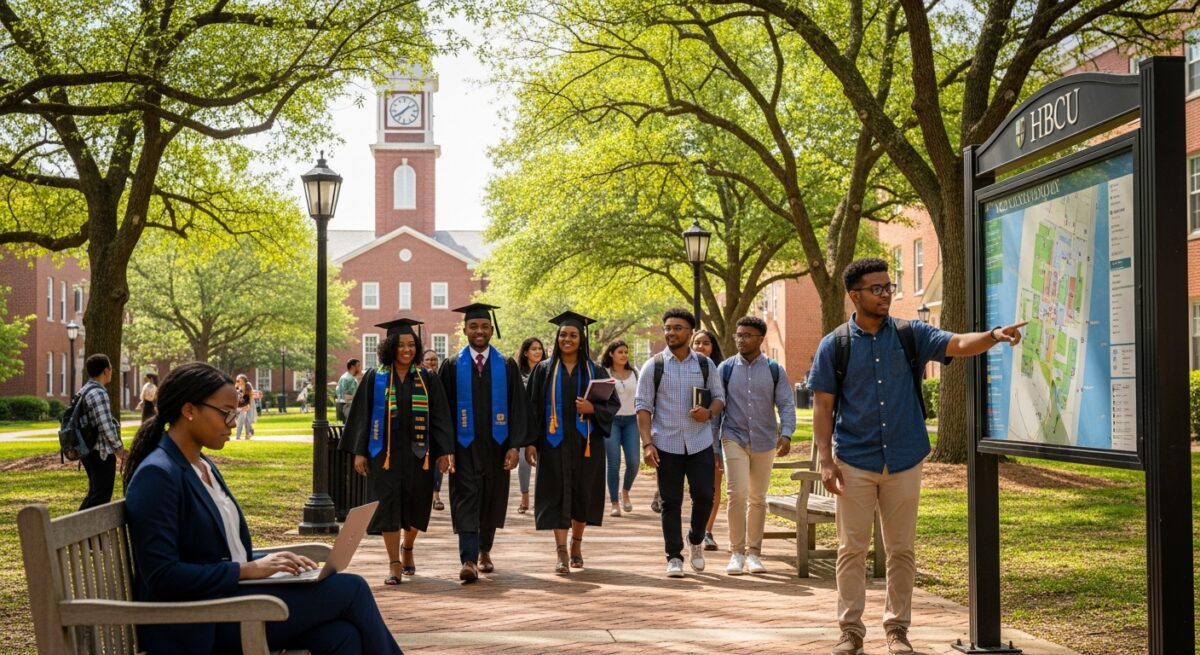
HBCUs have been pillars of the African American community since the 19th century, providing access to higher education when other institutions closed their doors. Today, these schools continue to foster inclusive environments where students from all backgrounds can thrive. The best HBCU colleges ranking considers factors such as faculty qualifications, research opportunities, campus resources, and alumni networks. For example, Spelman College and Howard University are frequently cited for their strong liberal arts curricula and leadership development programs. Meanwhile, North Carolina A&T State University excels in engineering and agriculture, producing more Black engineers than any other U.S. institution. Understanding these distinctions helps applicants align their academic goals with the right campus culture.
Beyond academics, HBCUs often boast higher retention rates for Black students compared to predominantly white institutions. This is due in part to smaller class sizes, mentorship programs, and a sense of belonging that supports persistence. When reviewing the top HBCU list, look for schools that offer robust student support services, including tutoring centers, career counseling, and mental health resources. Financial aid availability is another critical dimension. Many HBCUs provide generous scholarship packages and participate in federal grant programs, making them more affordable than many private universities. By examining these metrics, prospective students can identify institutions that not only rank high but also match their personal and professional aspirations.
Methodology Behind the Best HBCU Colleges Ranking
To compile a reliable best HBCU colleges ranking, we analyzed data from the National Center for Education Statistics, U.S. Department of Education, and independent college review platforms. Our methodology prioritizes five key pillars: academic quality, affordability, student satisfaction, graduation rates, and post-graduation outcomes. Academic quality includes metrics such as faculty-to-student ratios, accreditation status, and the breadth of degree programs. Affordability considers net price after financial aid, average student debt, and the percentage of students receiving grants or scholarships. Student satisfaction draws from retention rates and surveys about campus climate. Graduation rates measure the proportion of students who earn a degree within six years, while post-graduation outcomes track employment rates and median earnings of alumni.
We also incorporate institutional awards and recognitions from reputable sources like the Carnegie Classification of Institutions of Higher Education and the National Science Foundation. This multi-faceted approach ensures that the ranking reflects real-world value rather than prestige alone. For instance, an HBCU might score high on academics but lower on affordability, which would balance out in the final ranking. Readers should note that rankings are a starting point, not a definitive judgment. Every student’s needs differ, so we encourage you to visit campuses, talk to current students, and review program-specific data. Our goal is to provide a clear framework for evaluating top HBCU options so you can make an informed choice.
Top 10 HBCUs in the 2026 Best HBCU Colleges Ranking
Based on the methodology described above, here are the ten highest-ranked HBCUs for 2026. These schools consistently demonstrate excellence across academic, financial, and student experience metrics.
- Howard University (Washington, D.C.) , Known for its strong programs in law, medicine, and communications, Howard boasts a 70% graduation rate and a robust alumni network that includes Vice President Kamala Harris.
- Spelman College (Atlanta, GA) , A women’s college that leads in liberal arts and STEM, Spelman has a 76% graduation rate and a high student satisfaction score.
- North Carolina A&T State University (Greensboro, NC) , The largest HBCU by enrollment, it excels in engineering, agriculture, and business, with a 59% graduation rate and strong ROI.
- Morehouse College (Atlanta, GA) , A men’s college focused on leadership and the humanities, Morehouse graduates 60% of its students and has a notable history of producing civil rights leaders.
- Florida A&M University (Tallahassee, FL) , FAMU offers top-ranked pharmacy and journalism programs, with a 55% graduation rate and affordable in-state tuition.
- Hampton University (Hampton, VA) , This private university is renowned for its nursing, business, and science programs, graduating 68% of its students.
- Tuskegee University (Tuskegee, AL) , With a strong emphasis on veterinary medicine and aerospace science, Tuskegee graduates 57% of its students and has a low student-to-faculty ratio.
- Xavier University of Louisiana (New Orleans, LA) , Known for its pre-med and pharmacy tracks, Xavier sends more African American students to medical school than any other HBCU, with a 62% graduation rate.
- Delaware State University (Dover, DE) , This public HBCU offers competitive programs in aviation, business, and education, with a 47% graduation rate and increasing enrollment.
- Bowie State University (Bowie, MD) , A public university with strong teacher education and computer science programs, Bowie State graduates 43% of its students and offers a supportive campus environment.
These institutions represent the best HBCU colleges ranking for 2026, but many other excellent HBCUs deserve consideration. For example, Claflin University and South Carolina State University also offer unique strengths in research and community engagement. When evaluating this top HBCU list, consider factors such as location, campus size, and specific majors. A school that ranks lower overall might be the perfect fit if it excels in your intended field of study.
How to Choose the Right HBCU for Your Goals
Selecting from the top HBCU options requires a strategic approach. Start by identifying your academic interests and career aspirations. If you plan to pursue a degree in business, look for HBCUs with accredited business schools like Howard or North Carolina A&T. For STEM fields, consider Tuskegee or Florida A&M, both of which have strong research facilities. Next, evaluate financial factors. Use the net price calculator on each school’s website to estimate your out-of-pocket costs after scholarships and grants. Many HBCUs offer merit-based aid and need-based grants that can significantly reduce tuition. In our guide on top historically Black colleges, we explain how to compare financial aid packages effectively.
Campus culture is equally important. Visit the campus if possible, or attend virtual open houses to get a feel for student life. Talk to current students about their experiences with faculty, housing, and extracurricular activities. Also, investigate the alumni network. A strong alumni base can open doors for internships and job placements after graduation. For example, Spelman’s alumnae network is particularly active in media and public policy, while Morehouse’s alumni are influential in business and law. Finally, consider the location. Urban campuses like Howard in Washington, D.C., offer access to internships and cultural amenities, while rural campuses like Tuskegee provide a quieter, more focused environment. By weighing these factors against the best HBCU colleges ranking, you can find a school that supports both your academic journey and personal growth.
Financial Aid and Affordability at Top HBCUs
Affordability is a major concern for many students and families. Fortunately, the best HBCU colleges ranking includes schools that prioritize financial access. Federal Pell Grants, work-study programs, and institutional scholarships can make HBCUs more affordable than many private universities. For example, Howard University offers the Howard University Scholarship, which covers full tuition for eligible students. Similarly, North Carolina A&T provides the Chancellor’s Scholarship for high-achieving in-state students. Additionally, many HBCUs participate in the Thurgood Marshall College Fund, which awards scholarships to students attending member schools. When comparing costs, look beyond tuition to include fees, room and board, and books. Some HBCUs, like Florida A&M, offer guaranteed tuition plans that lock in rates for four years, providing budget predictability.

Another financial strategy is to apply for external scholarships from organizations like the United Negro College Fund (UNCF) and the Gates Millennium Scholars program. These can supplement institutional aid and reduce student loan debt. It is also wise to complete the Free Application for Federal Student Aid (FAFSA) as early as possible to maximize eligibility. Remember that the listed net price on a college website is an average; your actual cost may be lower depending on your financial situation. For career changers or adult learners, some HBCUs offer online degree programs that are more affordable than on-campus options. For example, CollegeDegree.Education provides resources for exploring online HBCU programs that fit flexible schedules and budgets. By combining scholarships, grants, and work-study, you can minimize debt while earning a degree from a top-ranked HBCU.
Career Outcomes and Alumni Success
One of the strongest indicators of a school’s value is how well its graduates fare in the job market. The best HBCU colleges ranking places significant weight on career outcomes. According to recent data, HBCU graduates earn competitive salaries across sectors. For instance, Howard University alumni have a median early-career salary of $60,000, while Spelman graduates report a median mid-career salary of $85,000. These figures reflect the strong professional networks and career preparation programs at top HBCUs. Many schools have dedicated career centers that offer resume workshops, mock interviews, and job fairs with recruiters from Fortune 500 companies. For example, North Carolina A&T hosts an annual career fair that attracts over 200 employers, including Google, Microsoft, and Boeing.
Additionally, HBCUs often foster entrepreneurial skills. Morehouse College’s Entrepreneurship Center supports student startups, and Tuskegee’s business incubator helps graduates launch ventures in underserved communities. For students interested in public service, HBCUs like Florida A&M and Xavier University have strong ties to government agencies and non-profits. Graduates from these institutions are well-represented in roles at the National Institutes of Health, NASA, and the U.S. Department of Education. When evaluating a school’s career outcomes, look for data on job placement rates within six months of graduation and average starting salaries. Many HBCUs publish this information on their websites or in annual reports. By choosing a school that excels in career preparation, you can maximize your return on investment and enter the workforce with confidence.
Frequently Asked Questions About HBCU Rankings
Q: What is the number one HBCU in the country?
A: According to our best HBCU colleges ranking, Howard University holds the top position due to its high graduation rate, strong academic programs, and influential alumni network. However, rankings can vary depending on the criteria used. Spelman College and North Carolina A&T also consistently rank in the top three.
Q: How is the best HBCU colleges ranking different from other college rankings?
A: Our ranking focuses specifically on HBCU-specific metrics such as cultural support, historical mission, and community engagement. We also emphasize affordability and post-graduation outcomes, which are particularly relevant for first-generation college students and those from low-income backgrounds.
Q: Are HBCUs only for Black students?
A: No. HBCUs are open to students of all races and ethnicities. While they were founded to serve African American students, today they welcome a diverse student body. Many non-Black students attend HBCUs for their strong academic programs and inclusive campus environments.
Q: Do HBCUs offer online degrees?
A: Yes, several HBCUs offer accredited online programs. For example, North Carolina A&T has online bachelor’s and master’s degrees in fields like criminal justice and technology. Online options provide flexibility for working adults and career changers.
Q: How can I verify the accreditation of an HBCU?
A: Check the U.S. Department of Education’s database of accredited postsecondary institutions. Most HBCUs are regionally accredited by agencies such as the Southern Association of Colleges and Schools Commission on Colleges (SACSCOC). Accreditation ensures that your degree will be recognized by employers and other institutions.
Final Thoughts on Selecting a Top HBCU
The best HBCU colleges ranking is a valuable tool, but it should be just one part of your decision-making process. Visiting campuses, speaking with admissions counselors, and researching specific programs will give you a fuller picture of what each school offers. Remember that the right HBCU for you is one that aligns with your academic, financial, and personal goals. Whether you choose a large public university like Florida A&M or a small private college like Spelman, an HBCU education can provide a supportive community and a strong foundation for your future career. Start your search early, apply for financial aid, and take advantage of the resources available through sites like CollegeDegree.School. With careful planning, you can find an HBCU that helps you achieve your dreams and become part of a proud legacy of excellence.