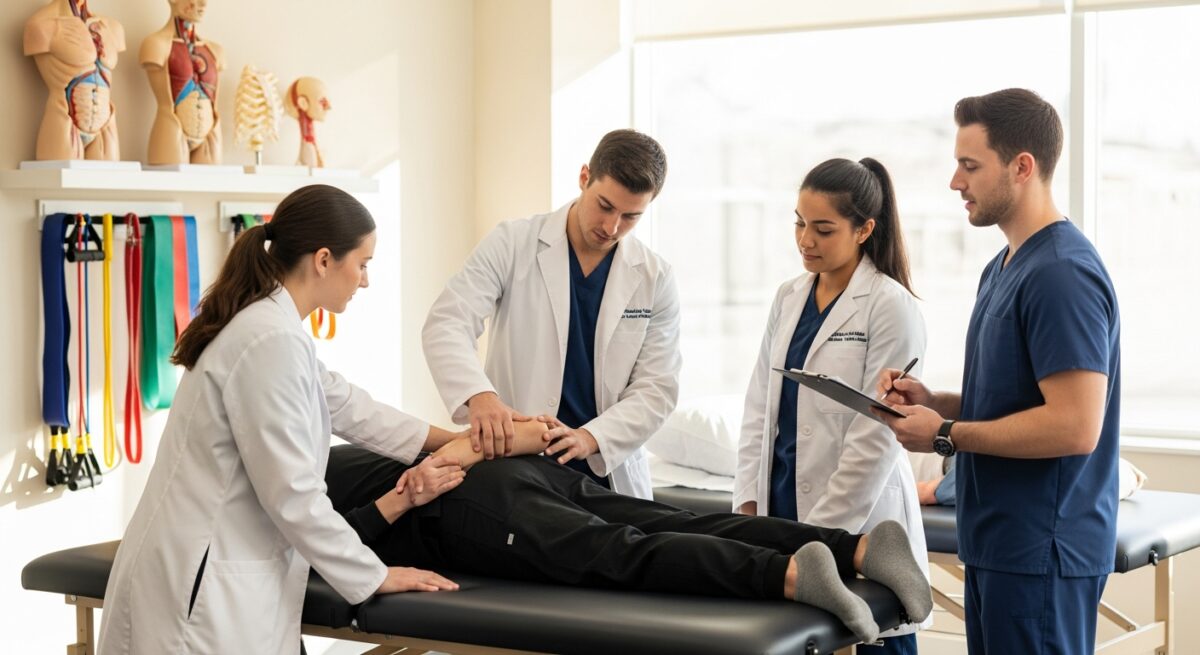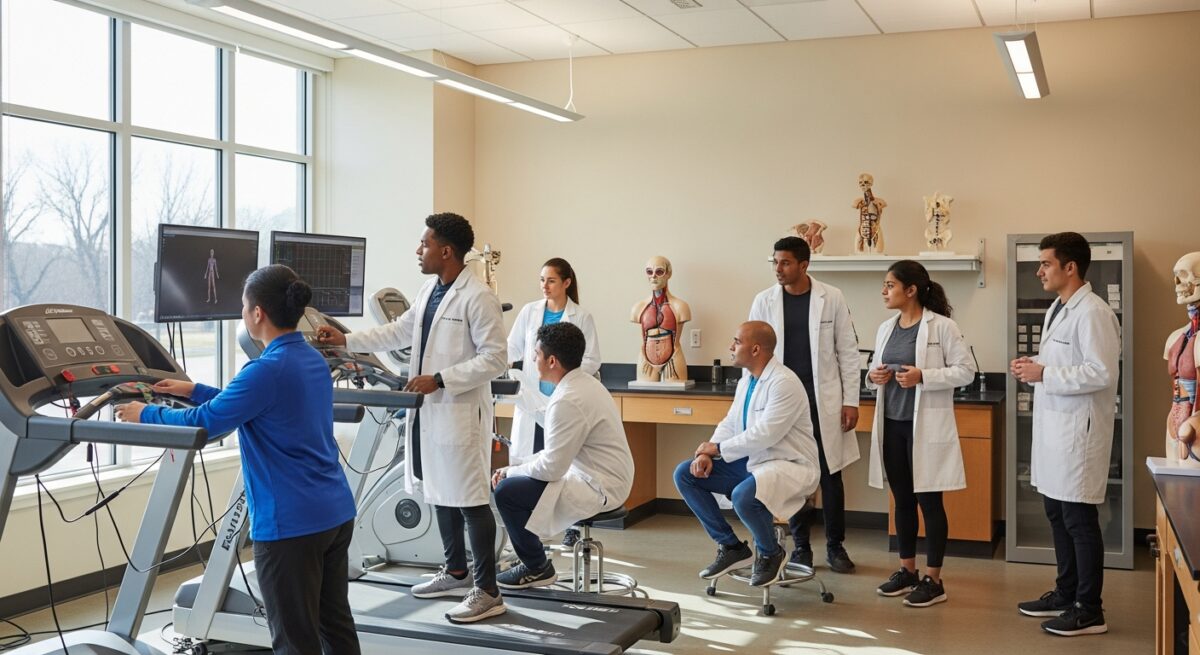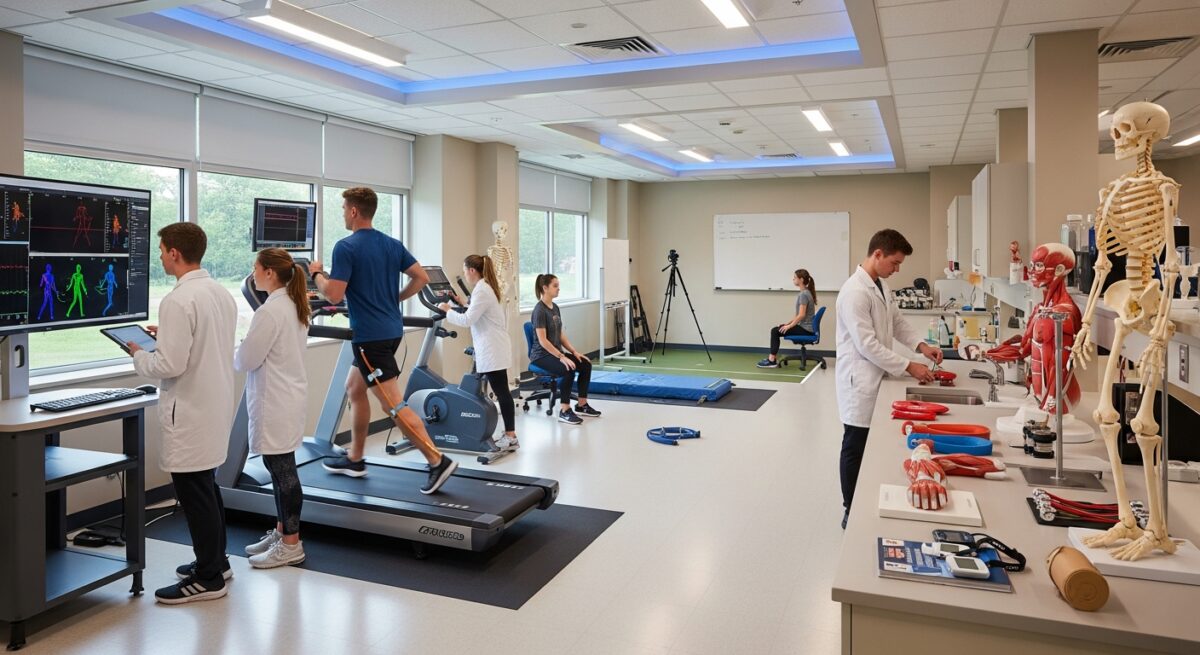
Choosing the right college for exercise science and health studies is a decision that shapes your entire career trajectory. Whether you dream of helping athletes recover from injury, designing community wellness programs, or conducting research on human performance, the program you select determines the quality of your education, your internship opportunities, and your job prospects after graduation. The field is growing rapidly, with the Bureau of Labor Statistics projecting a 10 percent growth rate for exercise physiologists and related roles over the next decade. This demand means that students who graduate from strong, accredited programs have a significant advantage in the job market. But with hundreds of programs available across the United States, how do you identify the best colleges for exercise science and health studies that match your goals? This guide breaks down what to look for in a program, highlights top institutions, and provides actionable steps for making your final decision.
What Defines a Top Exercise Science Program
Not all exercise science programs are created equal. The best colleges for exercise science share several distinguishing features that set them apart from average programs. Accreditation is the first factor to consider. The Commission on Accreditation of Allied Health Education Programs (CAAHEP) accredits exercise science programs that meet rigorous academic and clinical standards. Graduating from a CAAHEP-accredited program is often a prerequisite for taking the American Society of Exercise Physiologists certification exam, which many employers require. Beyond accreditation, look for programs that offer dedicated career services, strong alumni networks, and partnerships with local hospitals, rehabilitation centers, and professional sports organizations. These connections translate directly into internship placements and job offers after graduation.
Faculty expertise is another critical component. The best kinesiology colleges employ professors who are actively publishing research in peer-reviewed journals, presenting at national conferences, and working in clinical or athletic settings. When evaluating programs, look at the faculty’s research areas. If you are interested in cardiac rehabilitation, a program with faculty specializing in cardiovascular physiology will provide deeper mentorship and more relevant coursework. Similarly, if you want to work with elite athletes, seek out programs where faculty have experience with sports performance labs and strength and conditioning research. Class size also matters. Smaller programs often provide more hands-on lab time, individualized advising, and stronger relationships with professors who can write detailed letters of recommendation for graduate school or job applications.
Top Programs for Exercise Science and Health Studies
Several universities consistently rank among the best colleges for exercise science and health studies due to their comprehensive curricula, research output, and career outcomes. The University of Michigan in Ann Arbor offers a Bachelor of Science in Movement Science through its School of Kinesiology. This program combines rigorous coursework in biomechanics, motor control, and exercise physiology with hands-on lab experiences. Students have access to state-of-the-art research facilities and can participate in ongoing studies on human performance and rehabilitation. Graduates from this program have high placement rates in physical therapy schools, medical schools, and exercise physiology roles in clinical settings. The program also offers a direct pathway to a Master of Science in Kinesiology for students who want to continue their education without interruption.
The University of Texas at Austin houses one of the most respected sports science programs in the country. Its Department of Kinesiology and Health Education offers concentrations in exercise science, health promotion and behavioral science, and sports management. The exercise science track emphasizes the physiological and biomechanical foundations of human movement, with required laboratory courses in exercise testing and prescription. Students can also pursue a teaching certification in health education, which opens doors to careers in public schools and community health organizations. The program’s location in Austin, a city known for its active lifestyle and growing health technology sector, provides unique internship opportunities with startups, fitness companies, and professional sports teams like the Texas Longhorns athletics program.
For students seeking smaller class sizes and a more personalized experience, the University of Wisconsin-La Crosse offers a standout program. Its Department of Exercise and Sport Science is nationally recognized for its undergraduate research opportunities and high graduate school placement rates. The curriculum includes required internships in cardiac rehabilitation, strength and conditioning, or corporate wellness, ensuring that every student graduates with real-world experience. The program also boasts a 95 percent pass rate on the ACSM Certified Exercise Physiologist exam, one of the highest in the nation. This combination of academic rigor and practical training makes it a top choice among kinesiology colleges for students who want to enter the workforce immediately after graduation.
Factors to Consider When Choosing a Program
Selecting from the best colleges for exercise science requires weighing multiple factors beyond just reputation. Cost is a major consideration, especially for students who will need to take out loans. Public universities in your state of residence often offer lower tuition rates, but out-of-state students may find that the total cost of attendance at a flagship public university is comparable to a private institution after scholarships and financial aid. Many private colleges also offer generous merit-based scholarships for strong academic profiles. When comparing costs, factor in living expenses, lab fees, and the potential for paid internship or research assistant positions that can offset tuition.
Location also plays a significant role in your educational experience and career prospects. Programs located in urban areas tend to have more internship placements with hospitals, professional sports teams, and corporate wellness centers. For example, students at the University of Southern California have access to internships with the Los Angeles Lakers, Cedars-Sinai Medical Center, and numerous fitness technology companies. On the other hand, programs in smaller cities or rural areas may offer lower living costs and closer-knit campus communities. Consider your personal preferences for climate, city size, and proximity to family when evaluating programs. Some students thrive in bustling metropolitan environments, while others prefer the focus and affordability of a smaller college town.
How to Evaluate Curriculum and Specializations
Once you have identified several promising programs, dig into the curriculum details. The best sports science programs require a strong foundation in biology, chemistry, physics, and anatomy. Upper-level coursework should include exercise physiology, biomechanics, motor learning, nutrition, and statistics. Look for programs that offer elective courses in areas that match your career interests. For example, if you want to work with older adults, courses in gerontology and adapted physical activity are valuable. If you are interested in sports performance, courses in strength and conditioning, sport psychology, and advanced biomechanics will prepare you for certification exams from the National Strength and Conditioning Association (NSCA) or the Collegiate Strength and Conditioning Coaches Association (CSCCa).
Many of the best colleges for exercise science and health studies now offer concentrations or tracks within their major. Common concentrations include pre-physical therapy, clinical exercise physiology, health promotion, and sports performance. These concentrations allow you to tailor your coursework to your specific career goals without needing to pursue a double major. For instance, a pre-physical therapy concentration typically includes additional courses in physics, psychology, and medical terminology that fulfill prerequisites for graduate programs. A health promotion concentration might include courses in community health, program planning, and behavioral change theories. When evaluating concentrations, ensure that the required courses align with the admission requirements of graduate programs you may want to pursue later.
Internships and Experiential Learning Opportunities
Classroom knowledge is essential, but hands-on experience is what makes you competitive in the job market. The top kinesiology colleges require or strongly encourage internships as part of their curriculum. Internships typically take place in clinical settings such as cardiac rehabilitation centers, physical therapy clinics, or hospital wellness programs. They can also occur in non-clinical settings like corporate fitness centers, community health organizations, or professional sports teams. When researching programs, ask about the internship placement process. Some programs have established relationships with dozens of local sites and help match students based on their interests. Others require students to find their own placements, which can be challenging if you are new to the area.

Research opportunities are another form of experiential learning that can set you apart. Many of the best colleges for exercise science offer undergraduate research assistant positions in faculty labs. These positions allow you to work on ongoing studies, collect and analyze data, and even co-author presentations at regional or national conferences. Participating in research demonstrates critical thinking skills, technical competence, and the ability to work independently. For students planning to apply to graduate school, research experience is often a deciding factor in admission decisions. In our guide on Best Colleges for Nutrition and Dietetics Programs in 2026, we explain how hands-on experience in health-related fields directly translates to career readiness and graduate school success.
Certification and Career Preparation
Graduating from one of the best colleges for exercise science and health studies should leave you prepared to pursue professional certifications. The most common certifications for exercise science graduates include the American College of Sports Medicine (ACSM) Certified Exercise Physiologist, the National Strength and Conditioning Association (NSCA) Certified Strength and Conditioning Specialist, and the National Academy of Sports Medicine (NASM) Certified Personal Trainer. Some programs integrate exam preparation into their curriculum, while others offer separate review courses or workshops. When evaluating programs, ask about their students’ pass rates on these certification exams. High pass rates indicate that the curriculum adequately covers the material tested on the exams.
Career services are another important consideration. The best programs have dedicated career counselors who understand the exercise science job market and can help you with resume writing, interview preparation, and job placement. Some universities host career fairs specifically for health and human performance majors, bringing in employers from hospitals, fitness chains, sports organizations, and community health agencies. Alumni networks can also be valuable resources for job leads and mentorship. Reach out to alumni from programs you are considering to ask about their career trajectories and how their education prepared them for their current roles.
Online and Hybrid Options for Flexibility
Not all students can relocate to attend a traditional campus program. Fortunately, several accredited universities now offer online or hybrid bachelor’s degrees in exercise science. These programs are ideal for working adults, parents, or students who live in rural areas without access to local programs. Online exercise science programs typically deliver lectures and assignments through a learning management system, with lab components completed through at-home kits or during intensive on-campus sessions. While online programs offer flexibility, they may provide fewer hands-on lab experiences and networking opportunities compared to on-campus programs. When evaluating online programs, verify that they hold the same accreditation as their on-campus counterparts and that the degree does not specify “online” on the transcript.
Hybrid programs combine online coursework with periodic on-campus intensives for lab work and hands-on assessments. This model offers a balance between flexibility and experiential learning. For example, some universities offer a Bachelor of Science in Exercise Science that is primarily online but requires students to attend two or three weekend lab sessions per semester on campus. For students who need maximum flexibility, these hybrid options can be an excellent compromise. Regardless of the format, ensure that the program is accredited by CAAHEP or a similarly recognized body and that it meets the prerequisites for any graduate programs you may want to pursue. You can also explore more affordable options through online education resources that help match students with accredited distance programs in health sciences.
Frequently Asked Questions
What is the difference between exercise science and kinesiology?
Exercise science and kinesiology are closely related fields, but they have distinct focuses. Kinesiology is the broader study of human movement, encompassing biomechanics, motor control, sport psychology, and exercise physiology. Exercise science is a subfield of kinesiology that specifically examines the physiological and biomechanical responses to physical activity and exercise. In practice, many universities use the terms interchangeably for their undergraduate programs. When comparing programs, focus on the curriculum and career outcomes rather than the department name.
Do I need a graduate degree to work in exercise science?
Many entry-level positions in exercise science, such as personal training, group fitness instruction, and wellness coaching, require only a bachelor’s degree. However, clinical roles like exercise physiologist in a hospital setting often require certification through the ACSM or similar organization, which may require a bachelor’s degree from an accredited program. Advanced roles in research, physical therapy, occupational therapy, or athletic training typically require a master’s or doctoral degree. If you are considering graduate school, choose an undergraduate program that fulfills prerequisite coursework for your intended graduate program.
How important is program accreditation?
Accreditation is very important. Graduating from a CAAHEP-accredited program is often required to sit for the ACSM Certified Exercise Physiologist exam, which is the gold standard certification for clinical exercise physiologists. Accreditation also ensures that the program meets established educational standards and prepares students for professional practice. Non-accredited programs may still provide a solid education, but you may face additional hurdles when pursuing certification or graduate school admission.
Can I become a physical therapist with an exercise science degree?
Yes, an exercise science degree is a common undergraduate pathway to physical therapy school. Most Doctor of Physical Therapy (DPT) programs require prerequisite coursework in anatomy, physiology, biology, chemistry, physics, and psychology. An exercise science degree typically covers many of these prerequisites. However, you should verify the specific requirements of each DPT program you plan to apply to, as some may require additional courses like medical terminology or statistics. Many exercise science programs offer a pre-physical therapy concentration specifically designed to meet these requirements.
Choosing the right program from the best colleges for exercise science and health studies requires careful research and self-reflection. Consider your career goals, learning preferences, financial situation, and geographic preferences. Visit campuses if possible, talk to current students and faculty, and review program outcomes like graduation rates, certification pass rates, and job placement statistics. The effort you invest in selecting the right program will pay dividends throughout your career. With a strong educational foundation, hands-on experience, and professional certifications, you will be well-prepared to make a meaningful impact in the lives of others through exercise and health promotion.